










Peace is the privilege of the strong Azerbaijan in the new reality
Before the Victory in the Patriotic War, Azerbaijan’s primary objective was the restoration of state sovereignty and territorial integrity. This goal defined the core of its national security strategy. The 2020 Victory, the 2023 anti-terrorist operation, and subsequent developments finally resolved this historical and legal issue. Yet, the modern world order demonstrates that restoring sovereignty alone does not guarantee complete security.
Today, the world has entered an era of multipolarity marked by deep political and economic uncertainty. In the Middle East—through the ongoing conflicts in Israel and Palestine, tensions in Lebanon and Syria, and now around Iran—the interests of regional powers clash, while global superpowers continue to fight proxy wars. The fall of the Assad regime in December 2024 exposed the fragility of regimes that once seemed unshakable and demonstrated how quickly the regional balance of power can change. These developments show that nations must be prepared for threats far beyond their borders and remain vigilant in the face of military and political upheavals in their neighbourhood.
The war between Russia and Ukraine has clearly demonstrated the weakening of international law, the readiness of superpowers to resort to force at any moment, and how quickly a regional conflict can threaten global stability. These developments confirm a long-known truth: military power, a strong army, strategic positions, and the ability to protect one’s interests in the information sphere form the foundation of a state’s survival in the modern world.
For Azerbaijan, this situation presents a serious challenge. It is no longer just a matter of defending regained territories; it is about being prepared for regional and global processes and ensuring the long-term resilience of the state. Energy security, information warfare, cyber threats, ideological pressure, and transnational risks—all of these are real tests for the country. Moreover, the experience of recent years shows that threats can emerge suddenly and develop rapidly. What seemed stable yesterday may become a source of serious danger tomorrow.

Any revanchist discourse from Armenia must be met with a decisive and multidimensional response—across informational, diplomatic, and legal domains—backed by a readiness to use force if necessary. At the same time, Azerbaijan has objectively become a leading power on which much of the stability and security of the South Caucasus now depends. The country controls critical energy and transport corridors connecting Europe and Asia. The Southern Gas Corridor, the Trans-Caspian International Transport Route, and projects to supply “green” energy to Europe—all of these make Azerbaijan an indispensable partner for a number of states.
Today, Azerbaijan is a state that carries a historical responsibility to ensure its own security within a broad regional and global context. Sovereignty is no longer limited to flags, borders, or territory: it is secured through a strong army, farsighted diplomacy, internal unity, and high resilience in the informational sphere. The 2020 Victory concluded one historical stage and opened a new one—the stage of consolidating the position of a regional power that must be prepared to defend its interests under any circumstances.
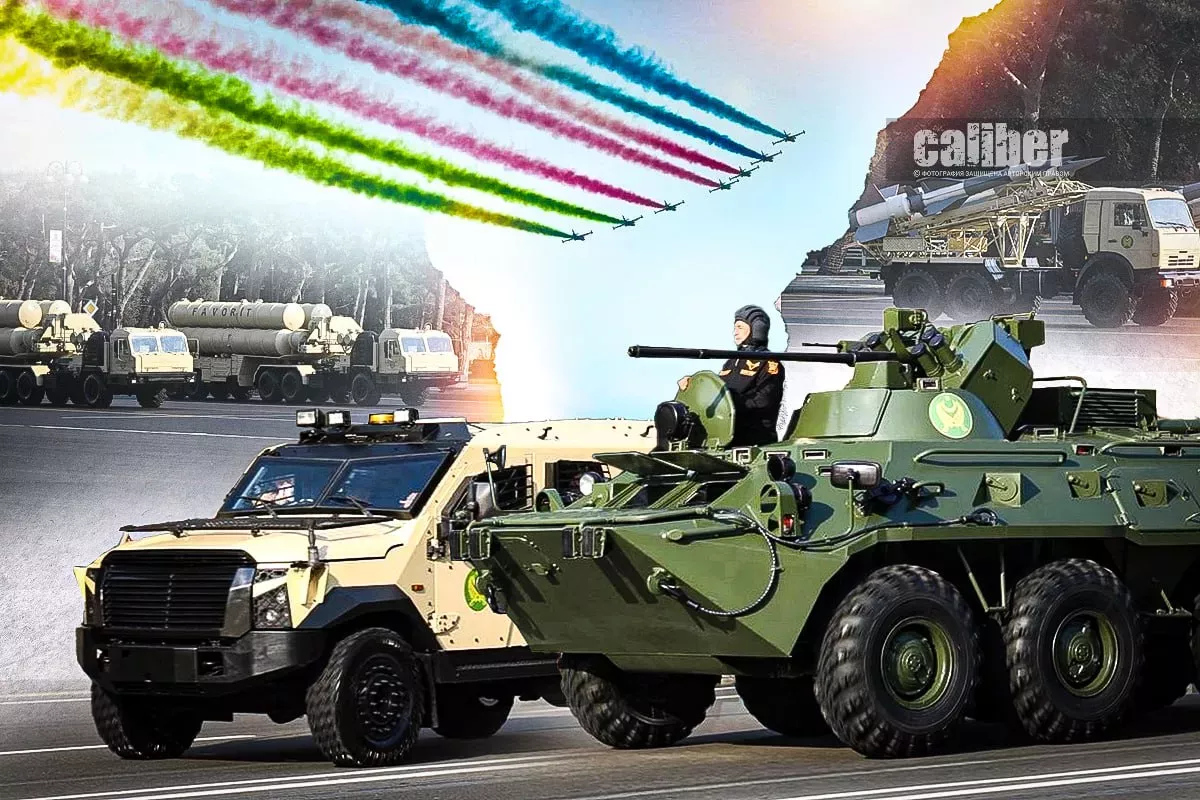
This readiness takes on particular significance in light of the instability in the Islamic Republic of Iran—a key geopolitical centre in the region that shares a direct border with Azerbaijan. Any internal upheaval in Iran, whether a sudden disruption of political stability or a change of power with external interference, could generate threats to the entire South Caucasus and the Middle East as a whole.
Iran, with a population of 80 million, extensive borders, a strategic location, and a complex multi-ethnic structure, simultaneously represents both a source of danger and a powerful instrument of regional influence. The country, bordering seven states and controlling the Strait of Hormuz—through which a significant portion of the world’s oil supply passes—possesses enormous potential for destabilisation. At the same time, Iranian society is deeply divided—between the conservative clergy and reformist forces, and between the Persian majority and numerous ethnic groups.
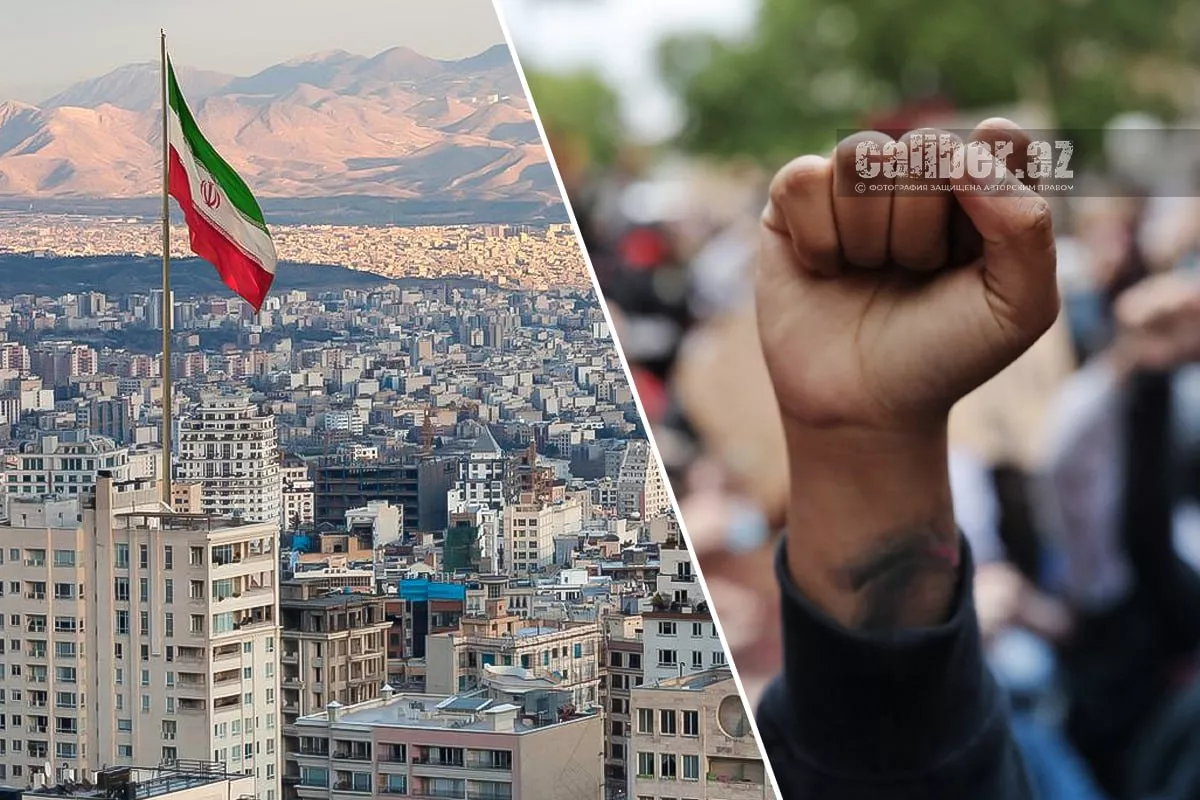
The experience of the “Arab Spring” has shown how quickly internal processes in a single country can generate regional chaos. The fall of regimes in Libya, Yemen, and Syria led to prolonged civil wars, the spread of terrorism, and massive migration flows. Due to its size and regional influence, Iran has the potential to trigger an even greater shock. The collision of centres of power, the activation of armed groups, mass refugee flows, and the uncontrolled spread of weapons—all of this could become a reality and impact the security of Azerbaijan’s borders, especially since these borders, stretching 765 kilometres, pass through densely populated areas.
The situation of the millions of Azerbaijanis living in Iran becomes particularly sensitive in such scenarios. Estimates suggest their number may reach up to 30 million—several times the population of Azerbaijan itself. They live compactly in the northwestern provinces bordering Azerbaijan, form a significant part of Iran’s economic and intellectual elite, and actively participate in the country’s political life. In a context of chaos, this community could become a hostage to ethnic clashes, religious tensions, or cynical political exploitation by various Iranian forces. External actors might try to use the Azerbaijani factor to destabilise Iran, or, conversely, Iranian authorities could accuse Azerbaijanis of separatism and take repressive measures. Any of these scenarios would create an extremely difficult situation for Baku, requiring a clear strategy and readiness to act decisively.
In other words, any destabilisation along the Iranian side of the border—armed clashes, refugee flows, weapons smuggling, or the activation of radical groups—poses a direct threat to Azerbaijan’s security.
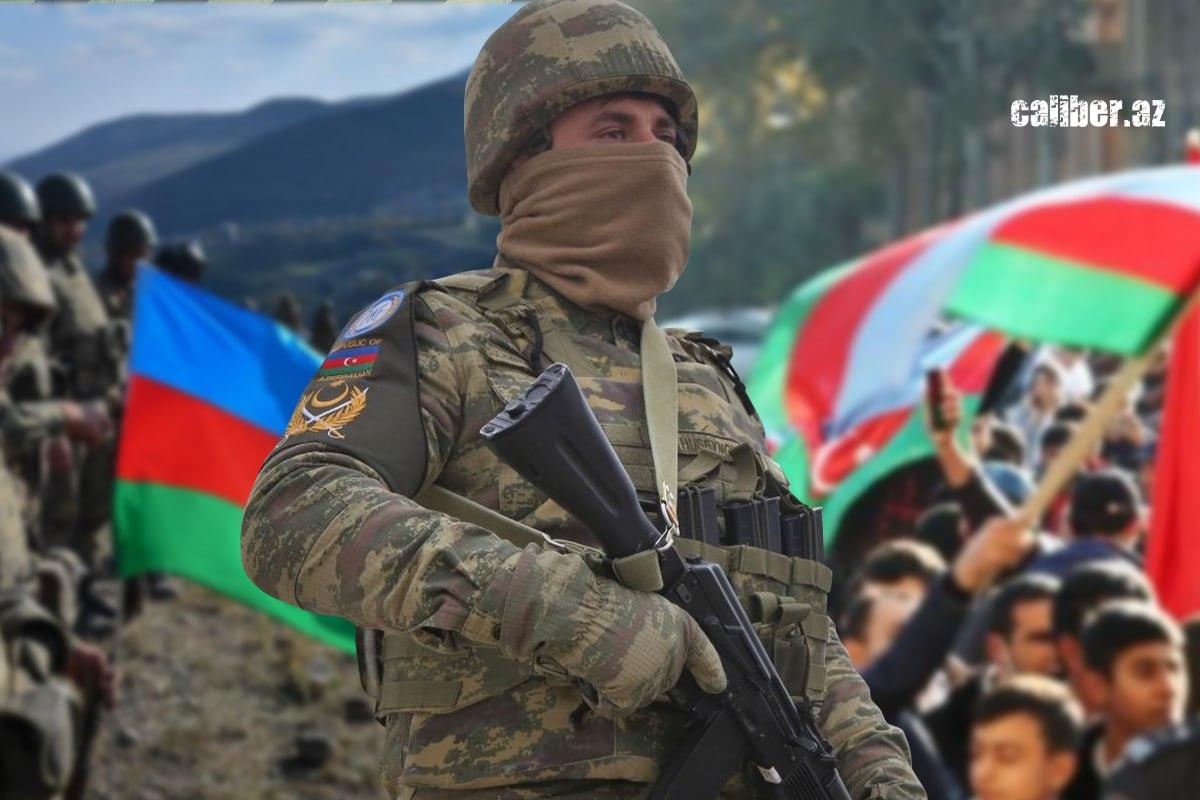
This is precisely why, in an era of increasing regional uncertainty, strengthening military, political, and economic resilience has become a strategic necessity for Azerbaijan. It requires the continuous modernisation of the armed forces, development of the defence-industrial complex, reinforcement of intelligence services, and enhanced cybersecurity of critical infrastructure. It also demands the creation of a flexible system of alliances capable of providing support in times of crisis, economic diversification, reduced dependence on external factors, establishment of strategic reserves, as well as control over the information space and the ability to counter hostile narratives and protect national interests in the media sphere.
The 2020 Victory in the Patriotic War marked the conclusion of one historical stage. A new stage now begins—the stage of transforming Azerbaijan into a state capable of ensuring its own security regardless of the storms raging around it. Peace is indeed the privilege of the strong. Azerbaijan must be ready to defend its peace from a position of strength.







 editor@caliber.az
 +994 55 444-88-98
 Азербайджан, Баку, ул. Низами, 203, Af Business House, 5-й этаж