










Radicalisation and neo-Nazism What’s happening with Georgia’s youth?
Recently, the Ministry of Internal Affairs of Georgia conducted an operation in which 16 members of radical fascist groups were detained, ten of whom were minors, Vazha Siradze, the Director of the Tbilisi Police Department, announced at a briefing.
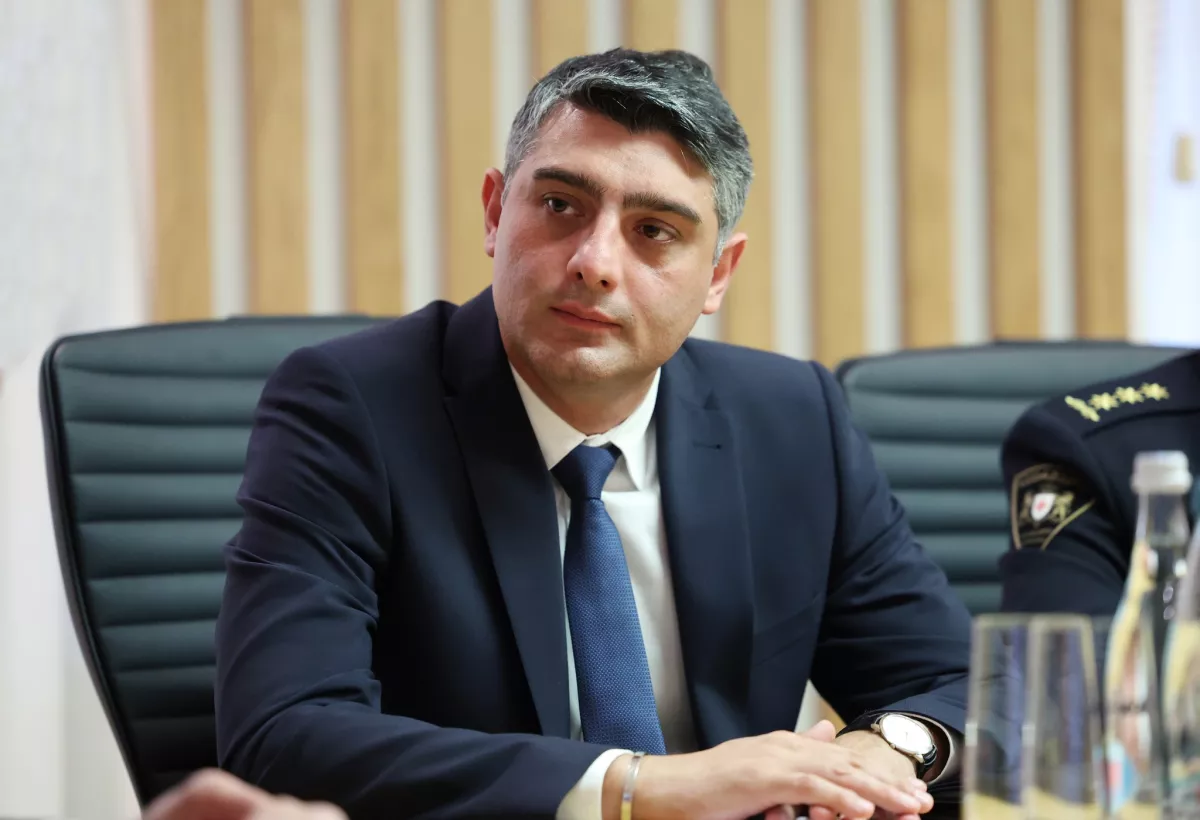
“During the investigation of the criminal case, which was carried out by law enforcement over several months, it was established that the members of the violent groups identified themselves as neo-Nazis and followed fascist ideology. To expand their influence and increase their notoriety, they showed radical attitudes toward their victims and physically attacked those who did not share their ideology with particular cruelty.
The group members recorded photos and videos on mobile phones showing acts of violence against victims, actions that demean human dignity, and physical and psychological pressure, after which they published this material on various online platforms. As a result of these violent actions, more than ten people were harmed, including four minors.
During searches of the personal belongings and homes of the accused, the Ministry of Internal Affairs seized their mobile phones, masks, various electronic devices, items with Nazi symbols, as well as firearms and cold weapons,” Siradze stated.
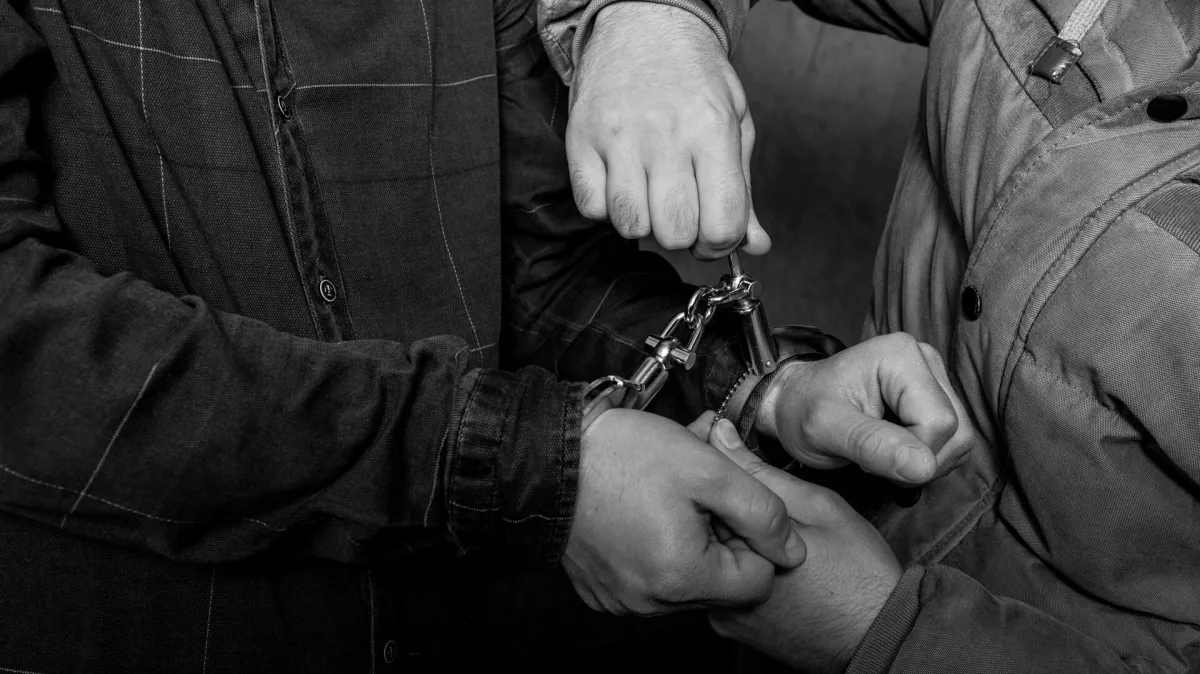
This is not the first case of arrests of members of radical neo-Nazi groups in Georgia. The Ministry of Internal Affairs (MIA) recalled that two leaders of such groups—Levan Abesadze and David Japarov—were detained by law enforcement several months ago and are already serving their sentences. At that time, seven other members of the groups were also arrested.
Instances of beatings and abuse of individual young people by youth neo-Nazi groups in Tbilisi had been recorded previously. In February 2022, Georgian media reported that neo-Nazi groups were attacking people in Tbilisi parks, recording the incidents on video, and publishing the footage online. At that time, Formula TV reported that radicals came to “Deda Ena” Park daily, looking for reasons to start fights.
On February 13, 2022, a young man was beaten in this park. According to the Ministry of Internal Affairs, following this incident, law enforcement began an investigation into the activities of neo-Nazi groups.
Meanwhile, radical fascist and neo-Nazi movements among youth are quite widespread in Western European countries. Over the years, they have produced enduring neo-Nazi subcultures, which typically involve socially disadvantaged young people, including so-called “skinheads” with their militarisation, cult of strength, and extreme intolerance toward groups differing from the “main” nation in terms of origin, race, or religion.
There is considerable evidence that neo-Nazism in Western countries was deliberately “nurtured” and in many cases overseen by intelligence services. A similar approach was applied to its ideological opponents—youth leftist movements, including Antifa. Essentially, the energy of young people in Western European countries was channelled into destructive subcultures and street clashes between neo-Nazis and Antifa.
It is evident that these actions were carried out with the expectation that, at some point, this energy could be redirected to serve the interests of the “backers.” Judging by recent developments in Europe, that moment appears to be approaching rapidly. It is closely linked to the escalating militaristic rhetoric and preparations for a “major war.”
In EU countries, propaganda and promotion of military service have sharply intensified. Many observers note a striking detail—the exceptional “racial uniformity” of the new “militant” heroes featured in posters and video clips. Gone is the previous rhetoric of a “multicultural and tolerant Europe,” which had showcased people of different races, cultures, and genders in promotional materials.
Now, in portraying the “invasion of wild hordes from the East”—the way Russia is increasingly depicted in EU propaganda—it is no longer migrants or minorities who are called upon, but the so-called “true Aryans,” explicitly of white race and “Nordic” appearance.
In fact, these are the very “model racially pure heroes” whose cult has been cultivated for decades within neo-Nazi groups. The fact that they may ultimately have to fight white Russians, also adherents of neo-Nazi ideology, apparently causes them no concern.
The spread of neo-Nazi ideology began in Western Europe long before current events. Over time, this “virus” has also penetrated Russia, which seems at least unnatural for a country that paid with millions of lives to defeat Nazism.
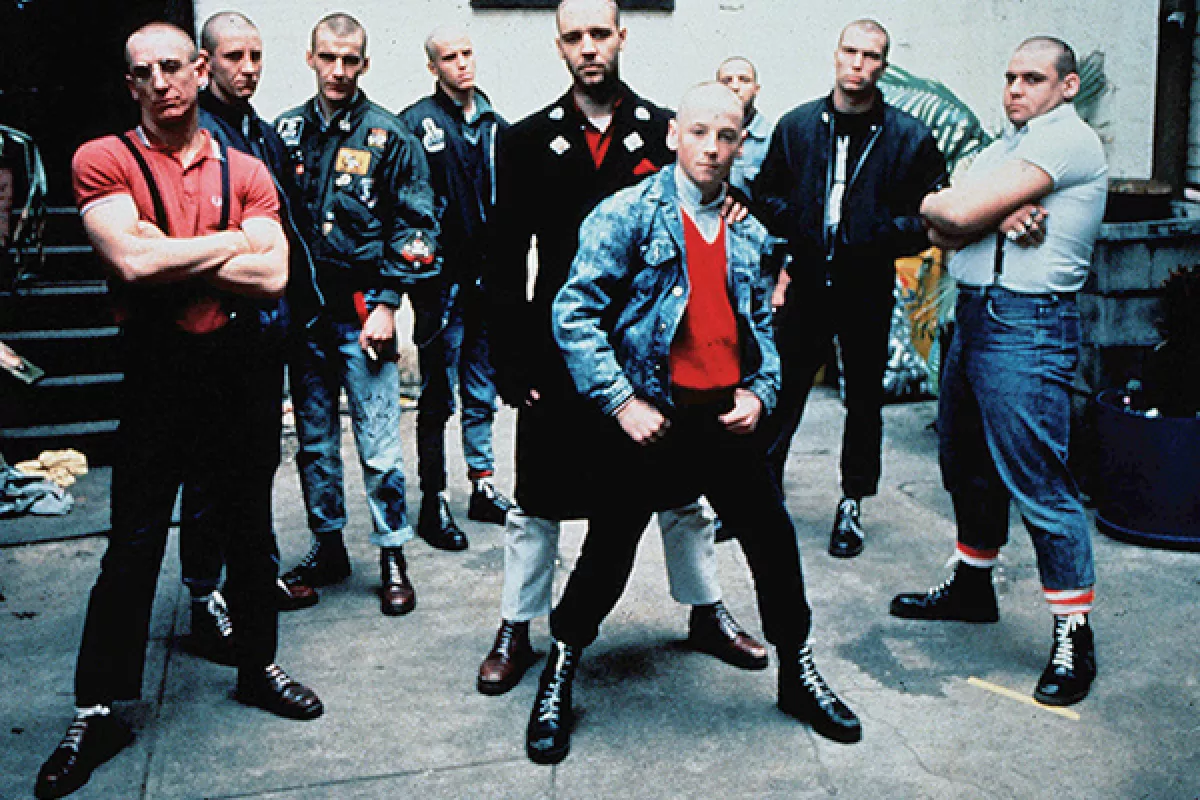
In Russia, skinheads and youth neo-Nazi groups appeared as early as the 1990s, primarily focused on aggression against migrants. Similar, though less numerous, radical groups also existed in Ukraine. At a certain point, they were actively mobilised in support of the Maidan and integrated into street-level and later political agendas.
Today, amid the Russian-Ukrainian conflict, there is a de facto “mutual disposal” of grown-up members of these neo-Nazi circles. Their radicalism and cruelty in the war only intensify the spiral of mutual hatred, leading to the deaths of people who have nothing to do with fascist ideology.
Essentially, the situation mirrors a familiar historical pattern: just as certain forces once deliberately fostered fascism and Nazism to ignite World War II, today neo-Nazism is again being used as a tool to prepare for a global-scale war.
Attempts to draw countries into a “major war” with Russia are not limited to the EU. In this logic, the South Caucasus is also considered a “second front.” This explains the emerging “underground export” of neo-Nazi ideology to the region, including among Georgian youth, where this virus has already begun to take root.
So far, this phenomenon in Georgia is not as widespread as in Western European countries or even in Russia, but the trends that are developing pose a serious danger. Young people and teenagers actively communicate on social networks with peers from EU countries, gradually becoming involved in radical online communities and consuming content containing elements of violence and cruelty.
Psychologically unstable and insecure teenagers often have a strong need for self-assertion, which neo-Nazi ideology exploits. Filming beatings of defenceless people, followed by posting videos and “recommendations” on social media, is a common practice of European neo-Nazi groups, shaped within their cult of aggression and violence.
The recent arrest by the Georgian Ministry of Internal Affairs of members of youth neo-Nazi groups indicates the formation of an extremely dangerous trend: the neo-Nazi virus is beginning to spread within Georgian society. Based on the identity of their attributes, symbols, and behavioural patterns, it is clear that the ideology of Georgian radicals was imported from the West, mirroring their European counterparts.
This is all the more notable given that, in Russia, for example, Caucasus natives, including Georgians, have traditionally been targets of aggression by skinheads and neo-Nazi groups themselves.
Neo-Nazi structures, modelled on European radical movements and skinheads, have little in common with the traditional conservative currents within Georgia itself, which are rooted in national heritage, cultural identity, and religious traditions. Yet it is precisely these traditional forces that the pro-Western opposition often, and without basis, labels as “fascists.”
It is possible that the spread of neo-Nazi propaganda among young people is being directly or indirectly facilitated by individuals and organisations funded by Western grants and NGOs.
The West is imposing not only liberal ideology on Georgia but also the so-called “LGBT agenda.” However, after attempts to organise a “Maidan” and mobilise Georgian youth for confrontation with Russia under European and “rainbow” flags failed, the focus appears to be shifting toward ultra-right destructive ideologies, including neo-Nazism, as a tool to prepare for a future war.
By Vladimir Tskhvediani, Georgia, for Caliber.Az







 editor@caliber.az
 +994 55 444-88-98
 Азербайджан, Баку, ул. Низами, 203, Af Business House, 5-й этаж