










Religion as a weapon A failed bet by Armenian revanchists
Amid the ongoing confrontation between Prime Minister Pashinyan and Catholicos Garegin II, the Armenian diaspora has once again gone to great lengths to further deepen the political and ecclesiastical split in Armenia.
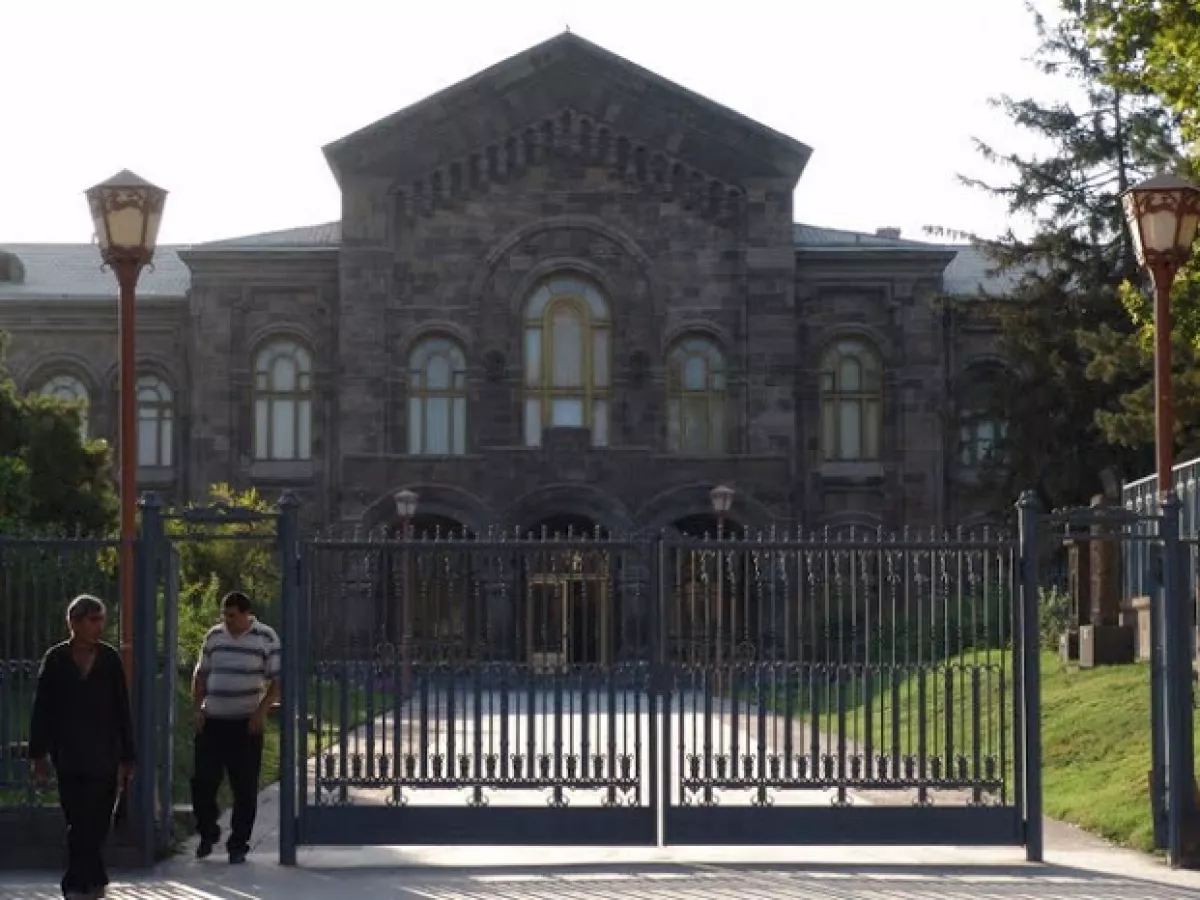
The Armenian dioceses in Switzerland and Romania have expressed their support for the Catholicos and Etchmiadzin. The Armenian Church Diocese in Switzerland stated: “We reject all manifestations that sow discord, remaining faithful to the hierarchical order of the Armenian Apostolic Holy Church and to the Catholicos of All Armenians, Garegin II, who sits on the throne. We wish for the faithful members of the Swiss Armenian community to live in peace, remain steadfast in their ancestral faith, and, as one heart and one fist, overcome these difficult and unworthy days for our community.”
In a similar spirit, the clergy of the Armenian Apostolic Church Diocese in Romania issued a “manifesto”: “With filial devotion, we express our unwavering love for the Mother See of Holy Etchmiadzin and for the Supreme Patriarch of our people, the Catholicos of All Armenians, Garegin II. We stand against this destructive process of dividing the Church and our faithful people, and we pray for the resilience of the Armenian Church and the unity of our nation.”
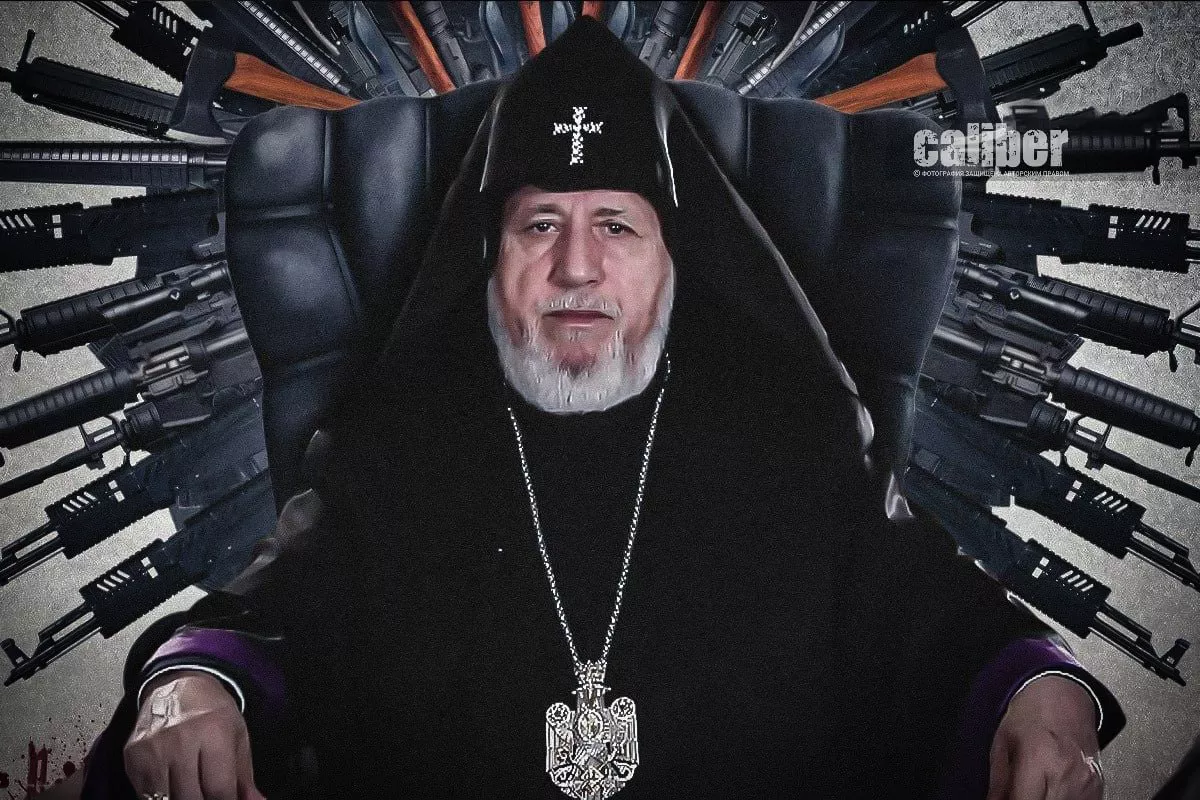
Firstly, these two statements likely represent the “successful” outcome of the Armenian Catholicos’ visit to Switzerland and France in December 2025. Interestingly, shortly before his trip to Europe, Armenian media reported that Nikol Pashinyan had told a close circle that a group of clergy had already been formed to work in the authorities’ interests, devising a plan capable of provoking a revolt against Garegin II and forcing him to resign.
Furthermore, according to the newspaper Zhoghovurd, the Armenian leader even identified two preferred candidates to succeed the Catholicos: Archbishop Hovnan Derderian, head of the Western Diocese of the Armenian Church in the U.S., and Catholicos Aram I of the Great House of Cilicia. In light of these developments, the panic that apparently gripped Garegin II seems to have pushed him to urgently seek support from his European allies.
Secondly, these “messages” are clearly aimed at undermining the peace process in the region, further reinforcing the argument that the Armenian lobby poses a threat to the future of Armenian society—especially at a time when the country faces critical decisions.
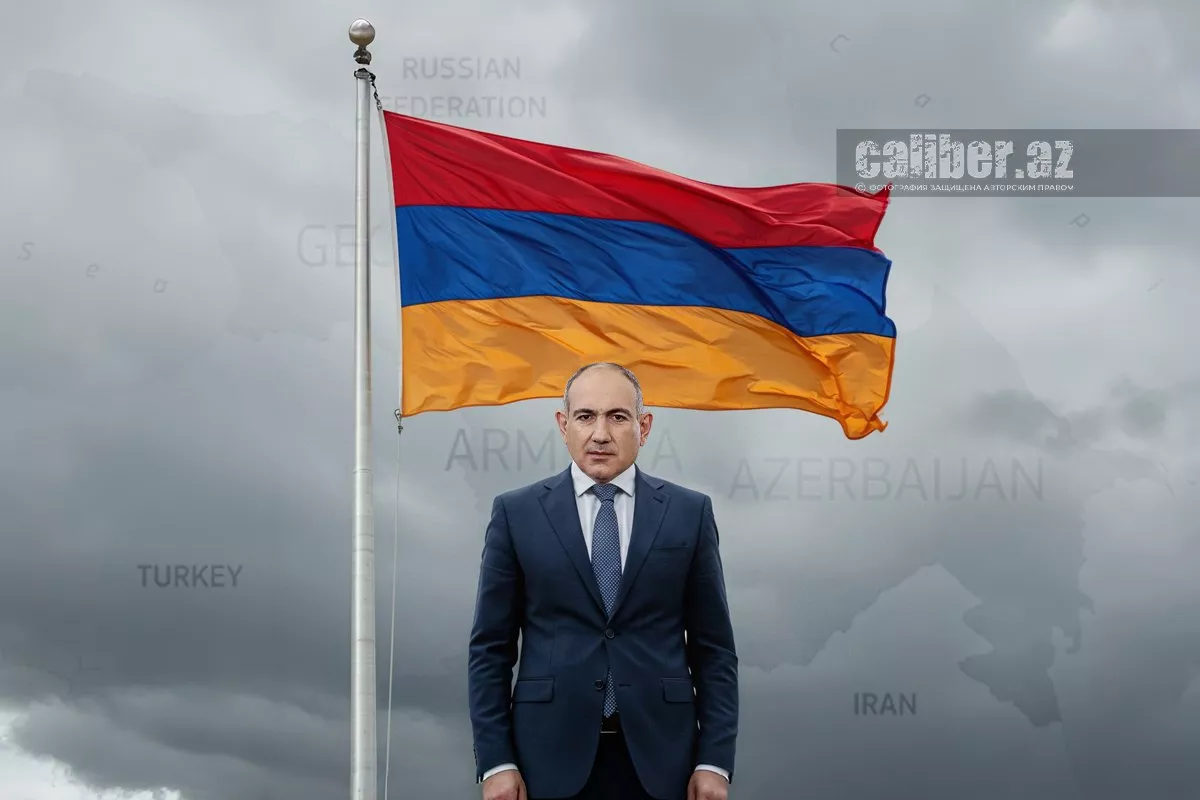
Thirdly, by endorsing the fundamentally destructive ideological line of Garegin II, the global Armenian community is issuing yet another challenge to Nikol Pashinyan. After Armenia’s defeat in the Second Karabakh War in the fall of 2020, and Pashinyan’s subsequent recognition of Karabakh as part of Azerbaijan, the Armenian lobby in the U.S. openly called for retaliation against him.
The head of the Washington branch of the Armenian National Committee of America (ANCA), Aram Suren Hamparian, posted on social media in a way that was widely interpreted as a “call for the Prime Minister’s assassination.” He urged Pashinyan’s bodyguards to “act by the voice of the heart, not by thinking of money,” adding: “The moment an Armenian guarding Pashinyan values his souls more than his paycheck.”
In another post, Hamparian wrote: "Years from now, children yet unborn will ask their grandfathers: 'Babig, what did you do when Artsakh (the Karabakh region of Azerbaijan – ed.) was attacked? Did you defend our homeland, did you protect our people?' Far too many – many of them cops reaping robust cash bonuses today – will stare down at their shoes in shame and either mumble a lie or admit: 'I defended Nikol Pashinyan against his own people.'"
Interestingly, the reaction from some Armenian social media users to the ANCA Washington head’s call was quite sharp. One user commented: “You’re inciting against Pashinyan who’s doing his best to get a peaceful solution for Artsakh (Karabakh).”
"This is a shameful message unbecoming of a head of an Armenian American political group. Calling for an assassination of an elected leader of a country that is a partner of the U.S. is incompatible with American values, no matter how you feel about that leader’s actions. Violence has no place in politics," wrote another commentator.
"Do not trample the Armenian state. I call on the Armenian police to clear the streets of opposition leaders protesting against the state. I also urge the Armenian Ministry of Foreign Affairs to monitor attempts to destabilise the country from abroad," added another user.

These examples not only highlight support for Nikol Pashinyan’s peaceful agenda but also vividly illustrate the deep ideological divide between the policies of the Armenian authorities and the objectives of the Armenian diaspora. This divide is further underscored by the diaspora’s provocative actions, including efforts surrounding the signing of the peace agreement between Azerbaijan and Armenia.
In particular, Armenian lobby activist Harut Sassounian, writing in the California Courier, did not hesitate to claim that the provisions of the initialled agreement (between Azerbaijan and Armenia on August 8, 2025) allegedly “suppresses a future patriotic Armenian government’s pursuit of historical territorial demands for Western Armenia, Artsakh and Nakhichevan.” He also expressed the view that “this capitulating document was signed under duress, it is considered invalid under international law.”

The global Armenian community is not ready to abandon its claims on Azerbaijani territory and will, without a doubt, intensify its efforts to undermine the peace process ahead of upcoming political developments in Armenia. However, a reliable safeguard against these threats is the broad support of the Armenian people for the policies of the current authorities and their informed choices in the forthcoming political events this year. No matter how much the diaspora attempts to intervene in domestic politics—even under the pretext of defending the Church—the future of Armenia depends solely on the will of its citizens







 editor@caliber.az
 +994 55 444-88-98
 Азербайджан, Баку, ул. Низами, 203, Af Business House, 5-й этаж