










Rise of Budanov and Venezuela without Maduro Caliber.Az weekly review
The editorial team of Caliber.Az presents the latest edition of the programme Events with Murad Abiyev.
Azerbaijan
On the night of January 1, President of Azerbaijan Ilham Aliyev delivered his traditional televised address on the occasion of the Day of Solidarity of Azerbaijanis Worldwide and the New Year. Among other things, the head of state emphasised that the past year had been a period of strengthening the state and national unity. He recalled the fifth anniversary of Victory in the Patriotic War, which restored the country’s territorial integrity.
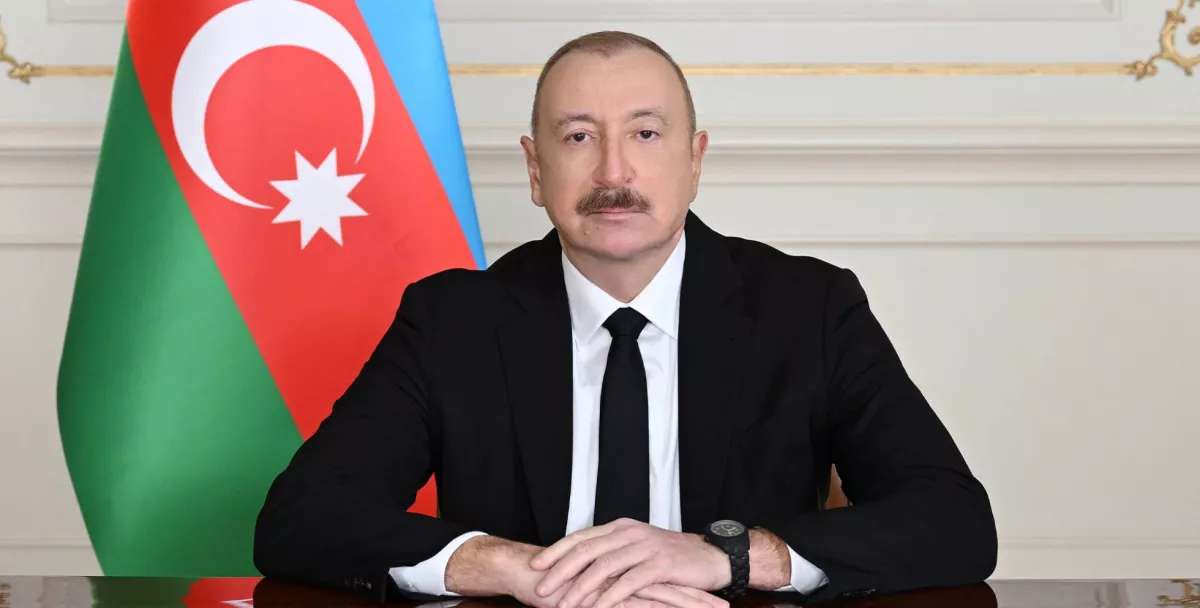
“We are not preparing for a new war. For us, wars are a thing of the past,” the head of state noted, underscoring Azerbaijan’s maturity in having preserved peace and continued to develop confidently after severe trials.
Aliyev pointed out that in today’s world the norms of international law are often violated, and force frequently replaces justice. Therefore, he said, strengthening defence capabilities remains a necessary condition for the country’s security. At the same time, the president stressed that the main efforts today are focused on creation: large-scale reconstruction and regional development are under way in Azerbaijan, international positions are being strengthened, and respect for the country on the global stage is growing. The president emphasised that the country does not allow interference in its internal affairs and firmly upholds its own path.
Venezuela
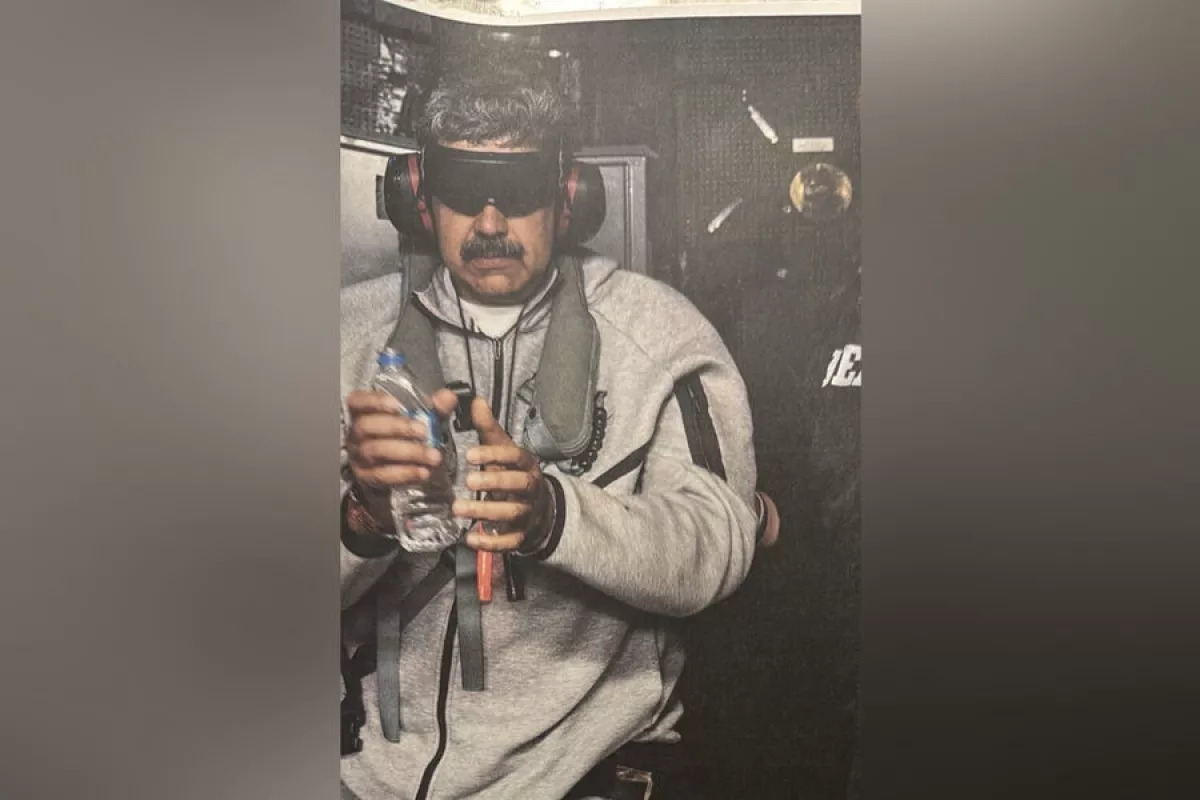
The invasion long discussed by various analysts has taken place. Several hours ago, US aircraft carried out a series of strikes on military facilities in Venezuela’s capital, Caracas. At the same time, around a dozen helicopters landed airborne troops in the city.
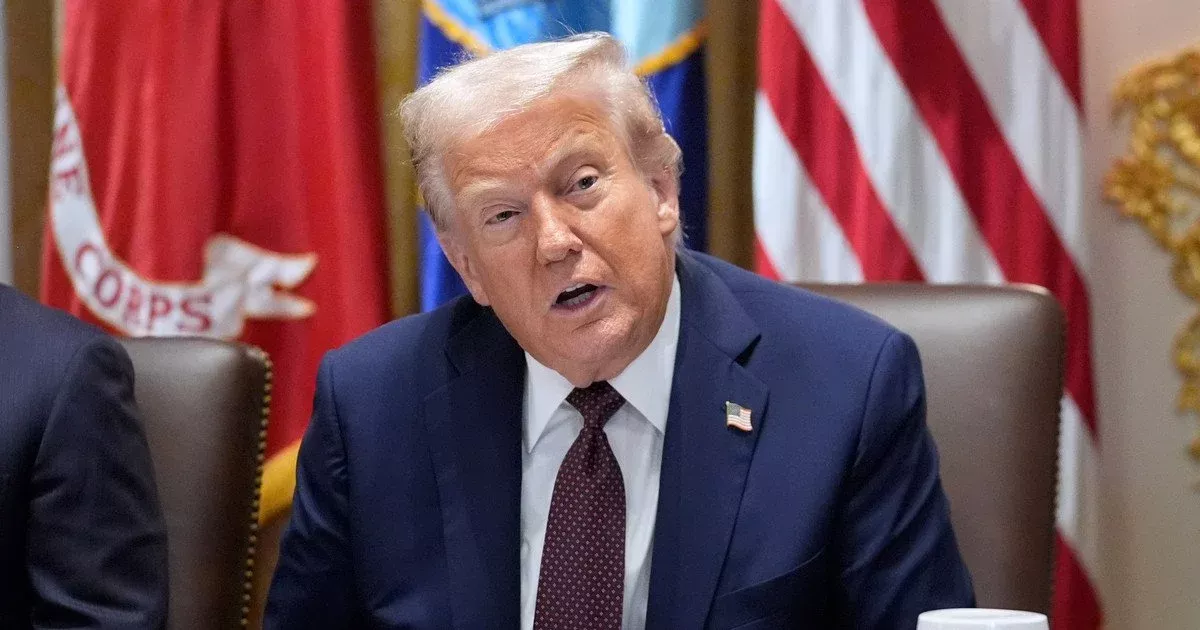
Before the world had time to absorb the details of the operation, President Donald Trump himself reported its successful completion on his social media platform, Truth Social. The main outcome, he said, was that President Nicolás Maduro, together with his wife, had been captured and taken out of the country. Later in the evening, the US president held a press conference on the matter from his estate in Florida.
As we can see, Donald Trump has chosen to begin the new year energetically. However, he had little choice. The military operation in Venezuela was predetermined by a number of factors. First, Trump’s approval rating at home has been declining, and congressional midterm elections are expected this autumn, with many predicting that Republicans will lose their majority in one of the chambers. Under these conditions, a short military operation could help restore Trump’s popularity among conservative-minded Americans.
Second, by removing President Maduro from the political scene, Washington is addressing a geopolitical task aimed at pushing other powers out of the Western Hemisphere, which—reaffirming the famous Monroe Doctrine—it has declared a zone of US responsibility. It should be recalled that China is the largest buyer of Venezuelan oil and a major creditor to Caracas, while Russia is the country’s largest supplier of weapons.
Third, and this too relates to geopolitics, Washington needed to demonstrate its ability and readiness to use force in order to pursue an effective policy of containing China. This is all the more important given that Beijing is increasingly taking steps to demonstrate its determination to regain control over Taiwan.
Ukraine
Volodymyr Zelenskyy has made a series of new appointments to senior state positions. The most high-profile among them was the appointment of Kyrylo Budanov, head of the Main Directorate of Intelligence of Ukraine’s Ministry of Defence, as head of the Presidential Office, replacing Andriy Yermak, who was recently dismissed.
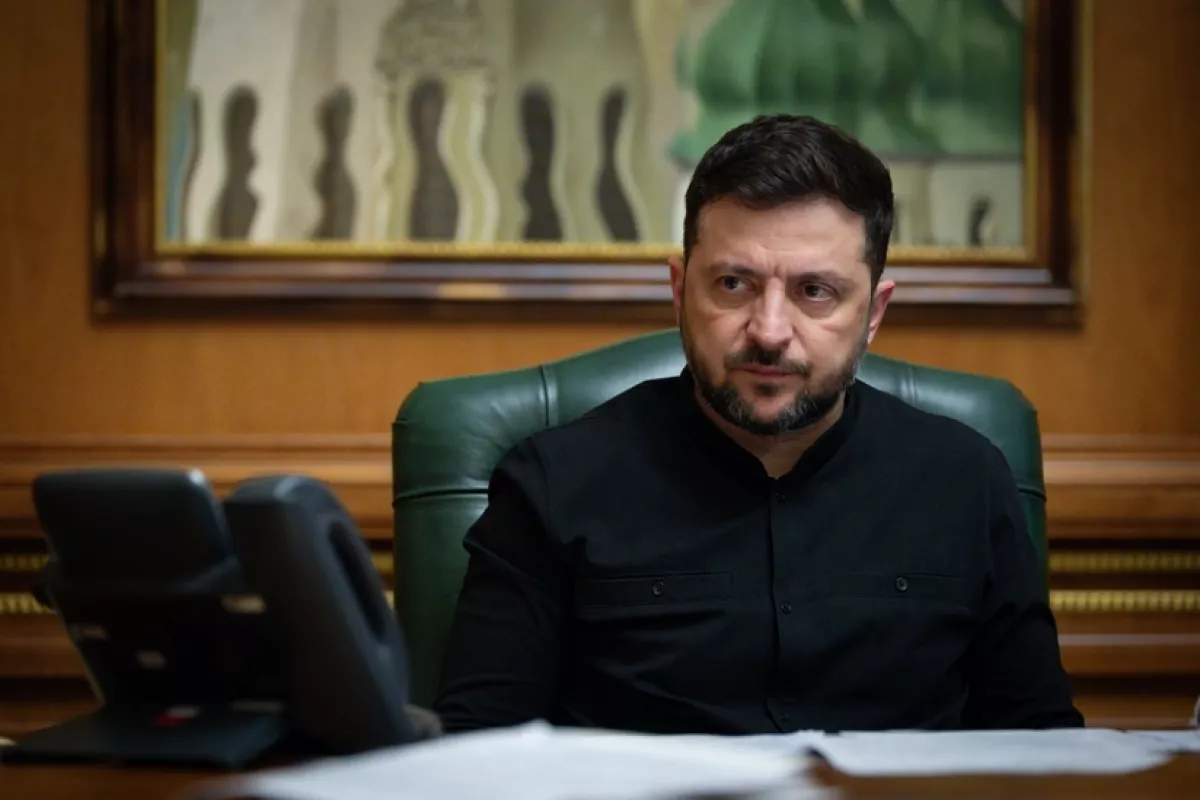
Among the possible reasons for this decision, the most frequently cited is Zelenskyy’s desire to boost his declining approval ratings by relying on Budanov’s authority. Budanov, who is not only a military officer but also an intelligence chief, is regarded as the architect of some of the most high-profile sabotage operations on Russian territory and is therefore seen as one of the key symbols of resistance to Moscow. Moreover, by making this appointment, Zelenskyy has partially neutralised Budanov as a potential rival in any future presidential election.
A number of experts tend to believe that Budanov’s arrival will harden Ukraine’s negotiating stance and delay the prospect of a ceasefire. Other observers, by contrast, argue that his appointment to the Presidential Office could help reinvigorate the negotiation process. These commentators point to the fact that in recent months the former head of Ukraine’s military intelligence has softened his rhetoric towards Russia and has even mentioned the possibility of the start of genuine talks with the Russians in February. There is also a view that Budanov, with his image as a wartime military hero, may find it easier to convey to Ukrainian society the necessity of making concessions to Moscow.
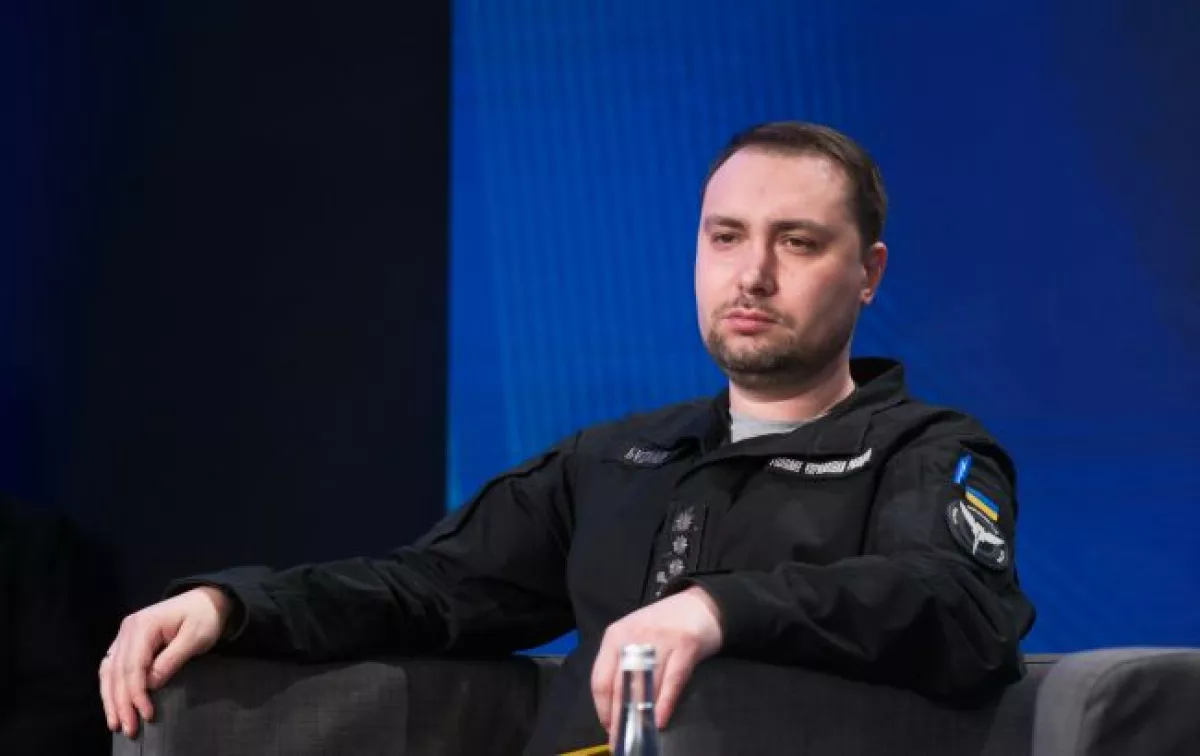
From this perspective, it is quite clear why Zelenskyy needs Budanov in this position. The question that remains is why Budanov himself would need it. It cannot be ruled out that, contrary to the version outlined above, Zelenskyy is not neutralising Budanov as a potential presidential candidate, but on the contrary, is preparing him for that role. Alternatively, Budanov may have a similar scenario of his own.
If Ukraine’s top intelligence chief assumes responsibility for concessions, he may demand the number one post in the state as compensation for such a step. He would have every chance of winning an election. Such an outcome is, in principle, also beneficial for Zelenskyy. For all his political ambition, it seems logical that at this stage it is far more important for him not to bear responsibility for a ceasefire and to leave the political scene in the image of an uncompromising fighter.
If Budanov becomes president of Ukraine, there is a chance that he would sign a compromise ceasefire with Russia. However, given his internal commitment to resistance, as well as his extensive knowledge and experience in countering Russia, he would become a long-term headache for Moscow for many years to come.







 editor@caliber.az
 +994 55 444-88-98
 Азербайджан, Баку, ул. Низами, 203, Af Business House, 5-й этаж