










Shattering illusions Armenia’s political transformation
The statements made by the Armenian prime minister during his meeting with residents of Yerevan may, at first glance, appear to be a long-overdue yet necessary acknowledgement of political reality. However, a closer examination reveals that they reflect a far more complex and internally contradictory political trajectory—one that has unfolded over recent years both for Armenia as a state and for Nikol Pashinyan as its leader.
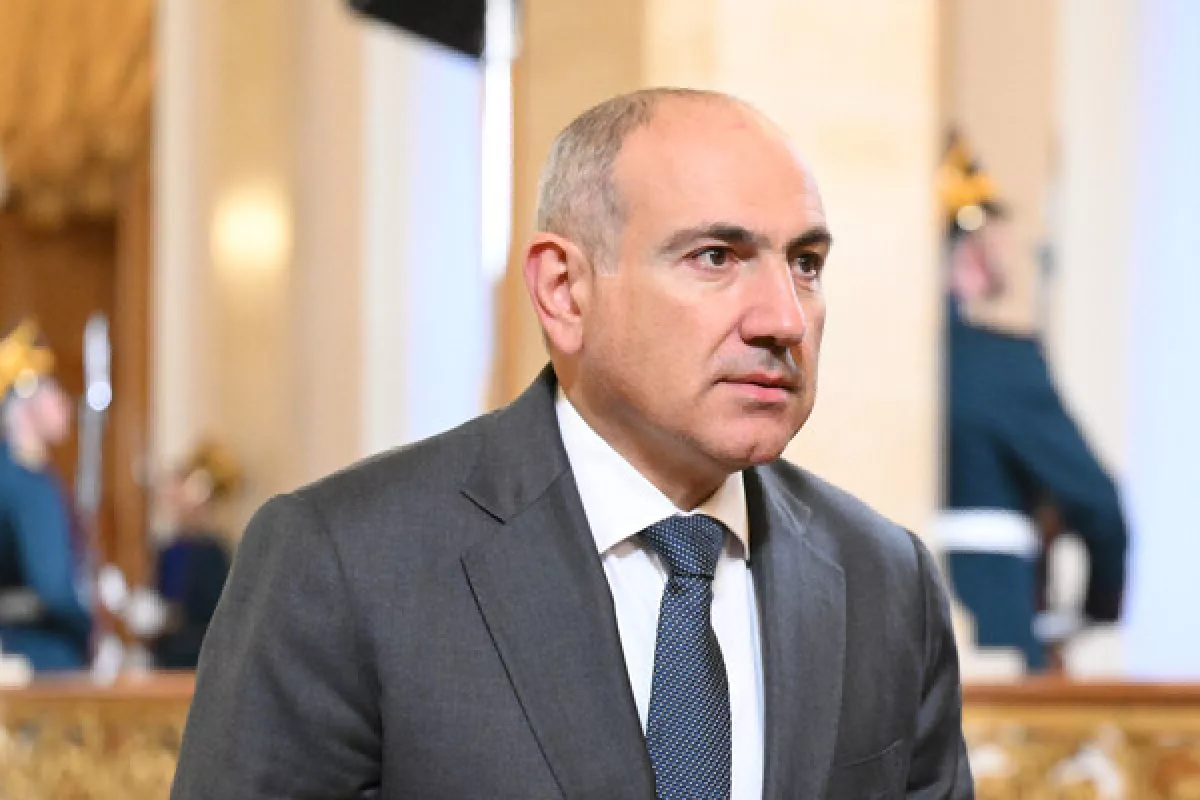
First and foremost, it is important to focus on the Armenian leader’s key message that “the only guarantee of security is peace,” which he voiced while responding to opposition claims about the need for security guarantees from third countries: “We put an end to that in 2022, when we stated that it is we who must act and make decisions. Sometimes these decisions may be difficult, sometimes impossible, but this is our problem, and it is up to us to solve it.”
On the one hand, this statement can be seen as a clear acknowledgement of a shift away from external dependence and the practice of outsourcing national security to third parties. On the other hand, it raises a legitimate and pressing question: why did this realisation emerge only in 2022?
After coming to power in 2018, Nikol Pashinyan had a genuine window of political opportunity to fundamentally reshape Armenia’s course. In particular, he could have abandoned the confrontational line pursued by his predecessors for decades and aligned the country’s policies with the norms of international law. However, this did not happen. On the contrary, both the rhetoric and actions of the Armenian leadership continued to reflect previous approaches, further escalating tensions and ultimately contributing to the 44-day war in the autumn of 2020. At the same time, it must be acknowledged that the current Armenian authorities, including the prime minister himself, have demonstrated a capacity to recognise past mistakes and reassess their position.
Equally significant is Pashinyan’s assertion that “no one is obliged to sacrifice their interests for ours,” which effectively draws a line under the long-standing illusions within Armenian society regarding so-called “external guarantors.” In this, the Armenian prime minister is entirely correct: turning to third parties inevitably entails ceding a portion of sovereignty, along with the right to make independent decisions. The history of the Armenian-Azerbaijani conflict clearly illustrates this axiom.
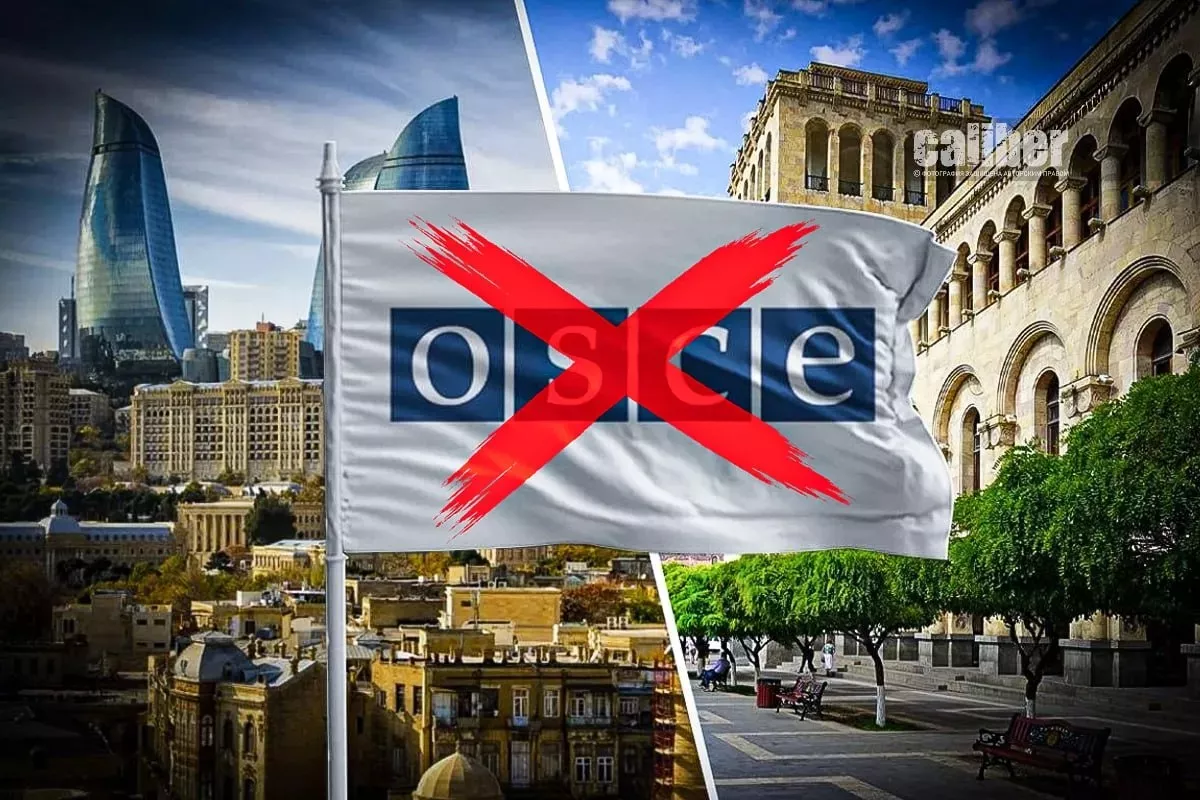
A telling example in this regard is the now-defunct OSCE Minsk Group, whose co-chair countries, for decades, were guided not by international law or principles of justice, but by their own geopolitical interests. As a result, the process of resolving the Armenian-Azerbaijani conflict remained frozen, while a status quo—beneficial, among others, to external actors—was artificially prolonged.
In this context, the enduring significance of Azerbaijan’s military-political victory in 2020 becomes even more evident, as it was achieved despite, among other factors, the stance of the OSCE Minsk Group co-chair countries. This represents a unique case in which international law was realised not through diplomatic mechanisms, but through a shift in the balance of power “on the ground.”
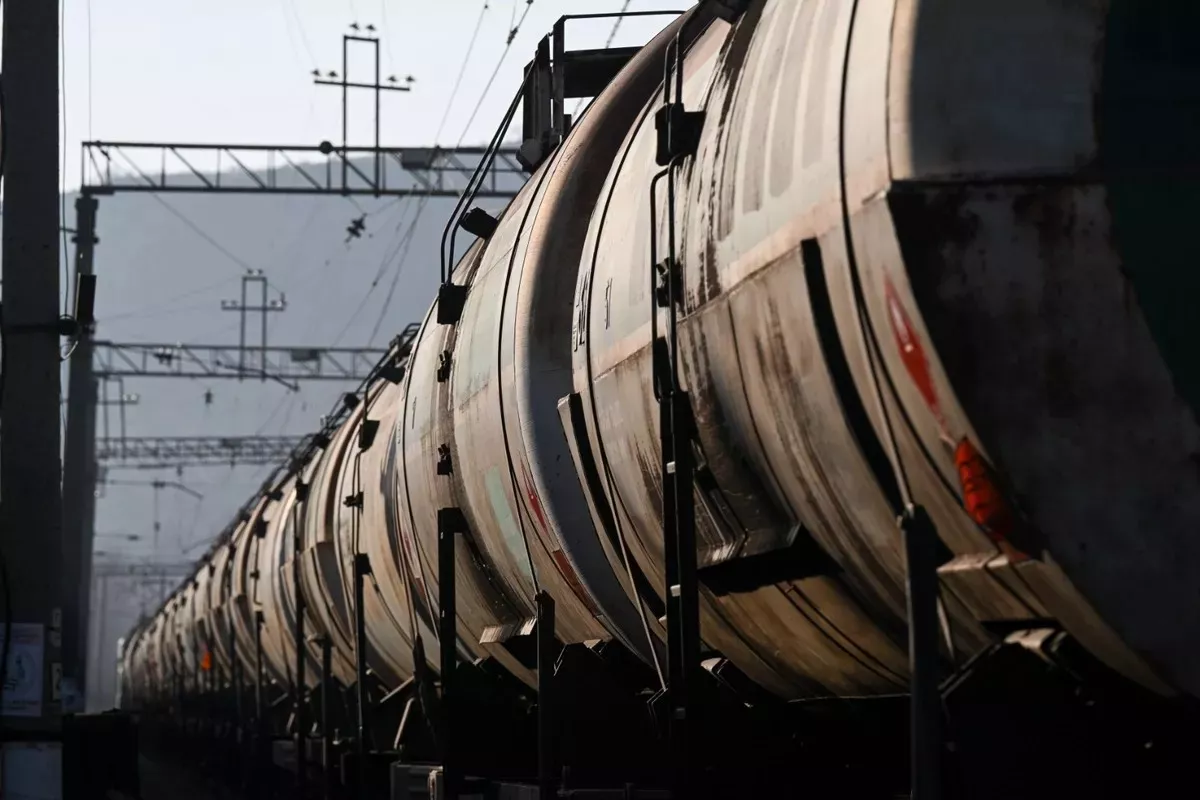
In this context, developments in the post-conflict period clearly indicate that direct dialogue between Baku and Yerevan is yielding tangible results. Following the initialling of the peace agreement text between the two countries in Washington on August 8, 2025, a de facto peace has taken hold in the region. This is evidenced by Baku’s decision to lift the ban on cargo transit to Armenia through Azerbaijani territory, as well as by the supply of Azerbaijani fuel to the neighbouring republic.
These are not merely trade and economic developments—they are indicators of the emergence of a new regional architecture in which pragmatic cooperation prevails over the logic of confrontation.
Another important point raised by Pashinyan concerns the issue of historical and territorial claims. His remark, “They say Ararat is ours, but there must be no victims. That is not how it works,” amounts, in essence, to an acknowledgement of the destructive nature of political myth-making. Claims to the territories of other states, including Türkiye’s Mount Ağrı, have for decades shaped public consciousness, yet have brought Armenia no tangible benefits.
Modern realities demand a different approach. Respect for the territorial integrity of neighbouring states, the rejection of political myths, and a focus on economic cooperation and mutual benefit—these constitute the only sustainable model for regional development. Everything else is either the rhetoric of the past or the product of political myth-making.
Thus, Pashinyan’s statements reflect not only the evolution of his personal position, but also a broader transformation of Armenian political thought. This process is far from complete and remains full of contradictions. Yet even now, one conclusion is becoming increasingly clear: the choice of peace is not an expression of idealism, but a decision shaped by the experience of recent decades. Security in the South Caucasus can no longer be built on illusions of external guarantees or claims against neighbouring states. It can only be ensured through dialogue, mutual recognition, and respect for international law. Everything else is a step backward—toward the very mistakes whose cost has already proven far too high.







 editor@caliber.az
 +994 55 444-88-98
 Азербайджан, Баку, ул. Низами, 203, Af Business House, 5-й этаж