










South Caucasus in Trump’s focus Betting on Azerbaijan
As previously reported, U.S. President Donald Trump invited Azerbaijan to join the Board of Peace he established as a founding member. In response, President Ilham Aliyev expressed gratitude to the White House and highlighted an important nuance — viewing the invitation as a recognition of a mutually beneficial bilateral partnership based on respect, as well as an acknowledgement of Azerbaijan’s role in promoting peace and stability both regionally and globally.
The Azerbaijani leader also emphasised that Baku is joining the Board of Peace while fully embracing its noble mission: ending the conflict in the Gaza Strip and fostering a prosperous future for all those affected by this long-standing crisis.
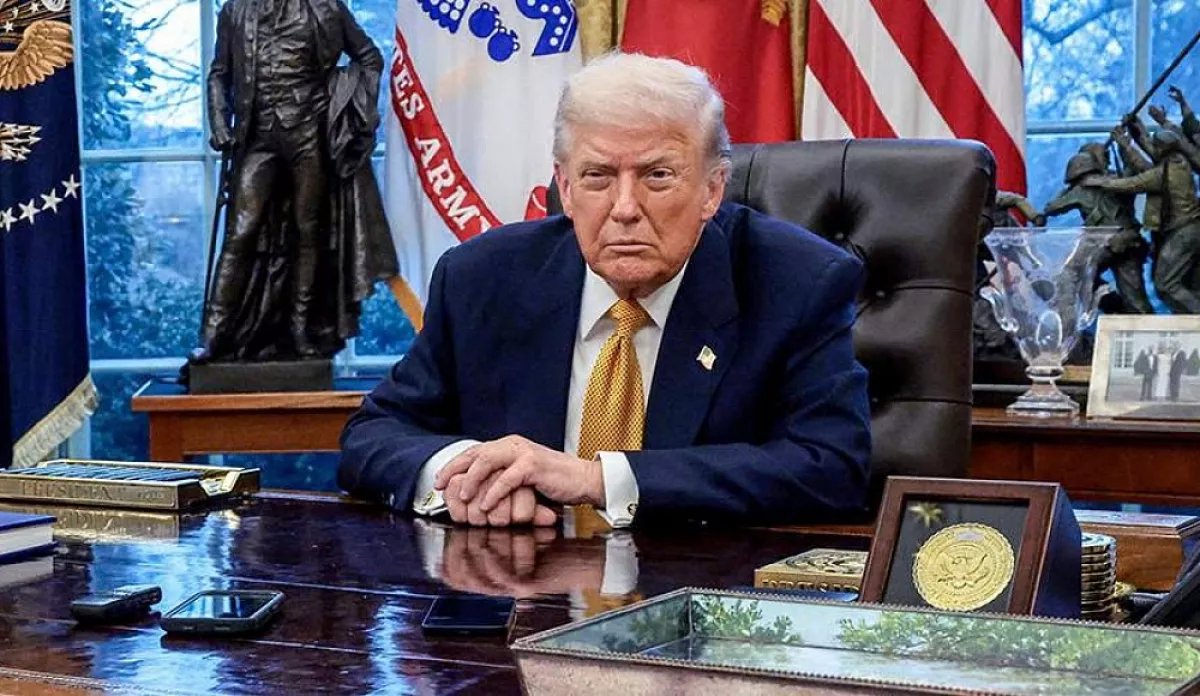
Donald Trump announced the creation of the Board of Peace under his leadership on January 15. Soon after, reports emerged that he intended to hold an official signing ceremony during his participation in the Davos Forum.
Analysts discussing Trump’s plans to transform the Board of Peace into a permanent forum for resolving a wide range of conflicts noted that the organisation’s draft charter makes no reference to a UN Security Council resolution authorising its establishment. They also pointed to the document’s initially critical stance toward existing international peacekeeping institutions.
These factors have led many observers to suggest that Trump may be aiming to create a new international framework under Washington’s leadership, potentially as an alternative to the UN Security Council.
However, in the context under consideration, the matter is somewhat different — it concerns the extent to which Trump has fundamentally revised Washington’s policy in light of his own geopolitical interests in the South Caucasus region.
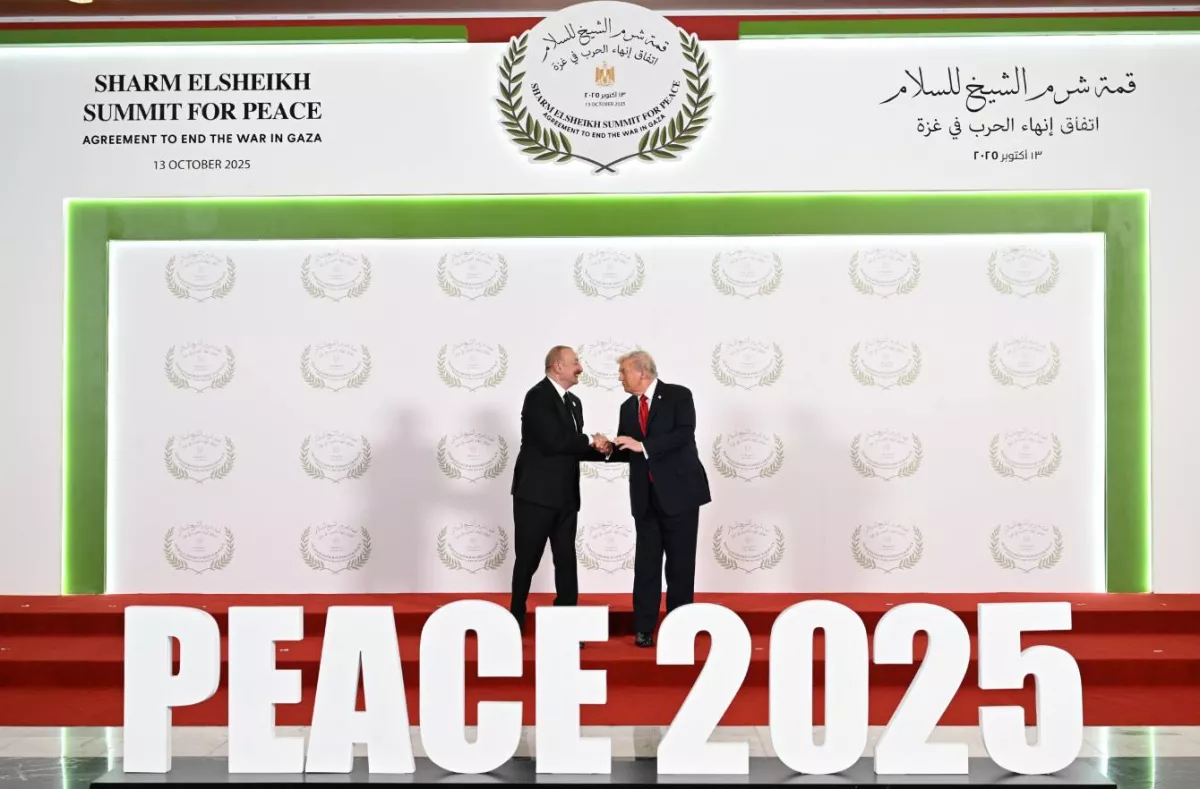
First and foremost, whether anyone likes to admit it or not, the occupant of the Oval Office sees President Ilham Aliyev as the leader of the South Caucasus. This was particularly evident both in the invitation extended to the head of the Azerbaijani state to participate in the October 2025 Peace Summit in Sharm El-Sheikh (Egypt), focused on resolving the Middle East crisis, and in the U.S. president’s initiative to hold public dialogues with Ilham Aliyev at major international platforms, including the 80th UN General Assembly, where Trump described him as a remarkable person of whom he is very proud.
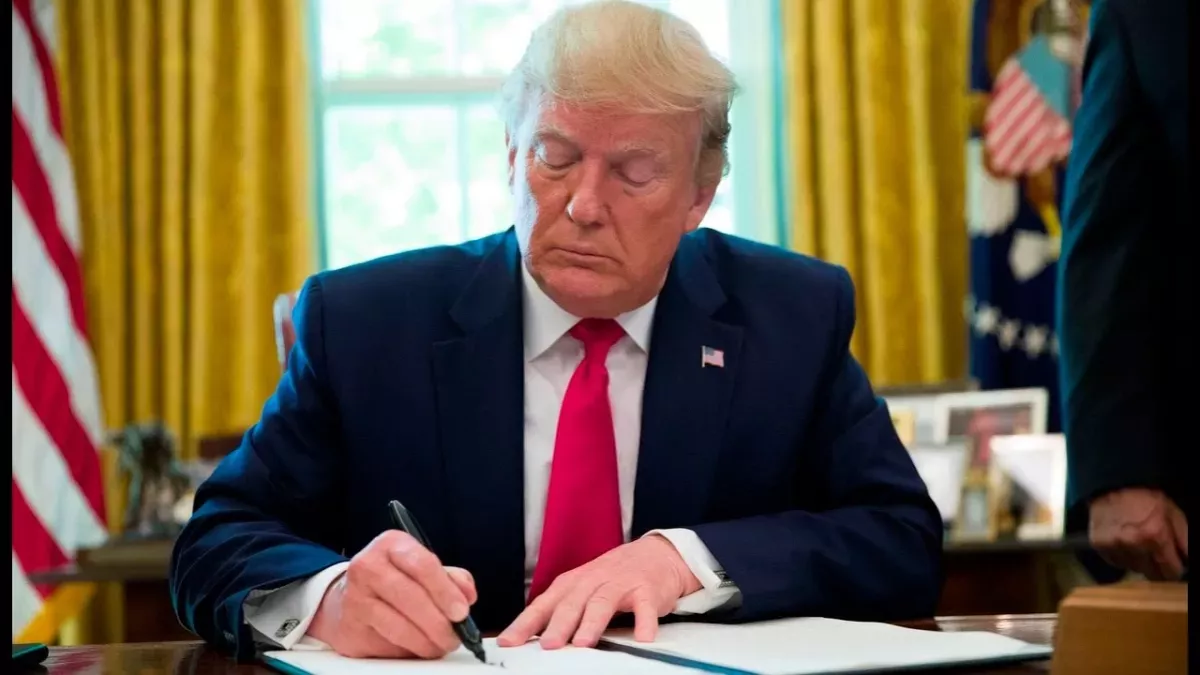
In the same vein was Trump’s signing of the decree to suspend the ill-fated Section 907 of the Freedom Support Act, as well as his support for the implementation of the Zangezur Corridor in a unique format, including consent to naming the Armenian section of the route TRIPP. If one adds to this the expansion of the format of the Central Asian Countries’ Consultative Meeting through Azerbaijan’s inclusion—which fits perfectly within the logic of the outcomes of the Washington C5+1 summit and U.S. support for the Middle Corridor—a much deeper picture emerges. At the very least, this reflects the U.S., in Trump’s person, perceiving Azerbaijan not only as a key actor in the South Caucasus but also as a crucial Eurasian geopolitical hub, organically integrating the route-transit-logistics paradigm.
In addition, a special format of relations between official Baku and both the Arab world and Islamic organisations, as well as with Israel, should be noted—a factor of considerable significance for the United States. Equally relevant are Azerbaijan’s strategic partnership with Türkiye and the growing framework of Azerbaijani-Chinese cooperation.
The key nuance in all of this is that Baku, through its measured, transparent, and pragmatic approach, has consistently advanced these relationships—doing so openly, confidently, and in full compliance with the norms and principles of international law.
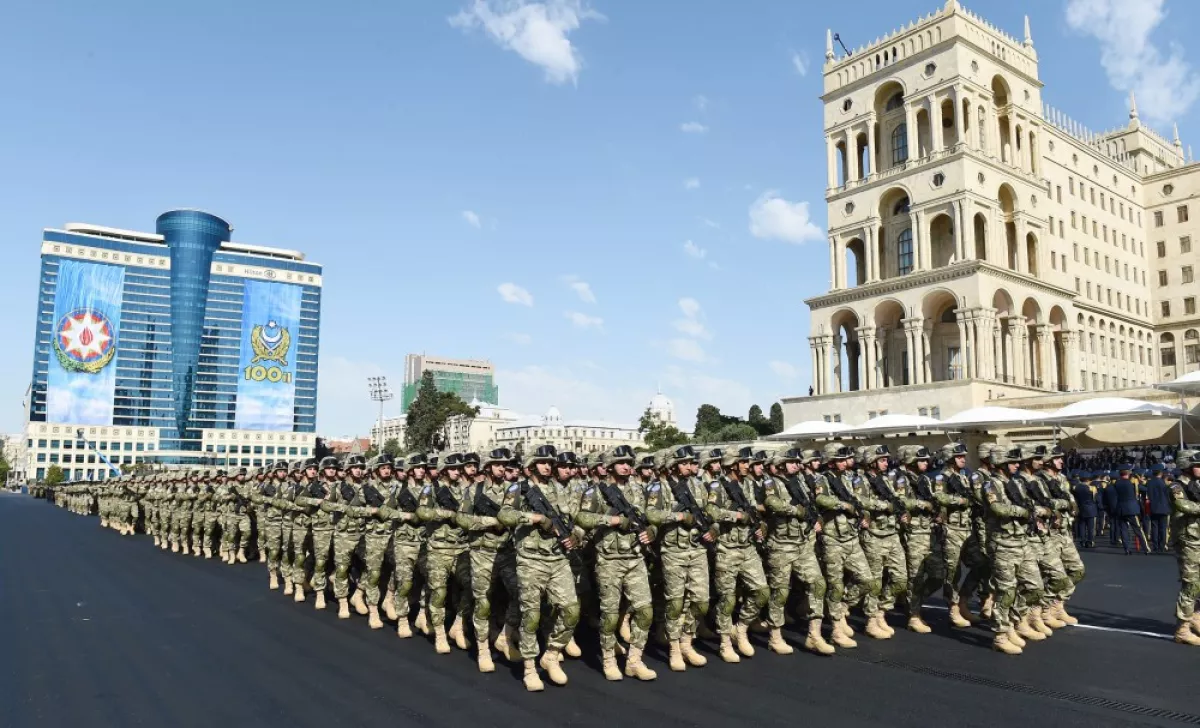
It is highly unlikely that Washington overlooked the high level of combat readiness of the Azerbaijani army, nor the country’s significant constructive potential following its Victory in the Patriotic War—particularly in the restoration and development of territories liberated from occupation. This factor naturally contributes to the recognition of Baku and other regions of the country as international venues capable of hosting world-class forums, each of which not only addresses the pressing challenges of our time but also proposes concrete mechanisms for their resolution.
Other developments have also played a role. Notably, the institutionalisation of the Non-Aligned Movement during Azerbaijan’s chairmanship effectively transformed it into a fully functional international organisation. Similarly, the successful work of the Baku Initiative Group (BIG) has served to counter manifestations of neocolonialism through tangible, substantive decisions.
Moreover, against the backdrop of the ongoing promotion of the “clash of civilisations” narrative by vested interests in various regions, Baku has for decades been cultivating a fundamentally different model—one centred on fostering interreligious, intercivilisational, and intercultural dialogue on a global scale.
Thus, it appears that following Donald Trump’s return to the Oval Office as the 47th President of the United States, Azerbaijan’s outstanding international achievements played a special role in shaping Azerbaijani-American relations in a new light. This has also taken place within the context of the personal dimension of political relations between Donald Trump and Ilham Aliyev.
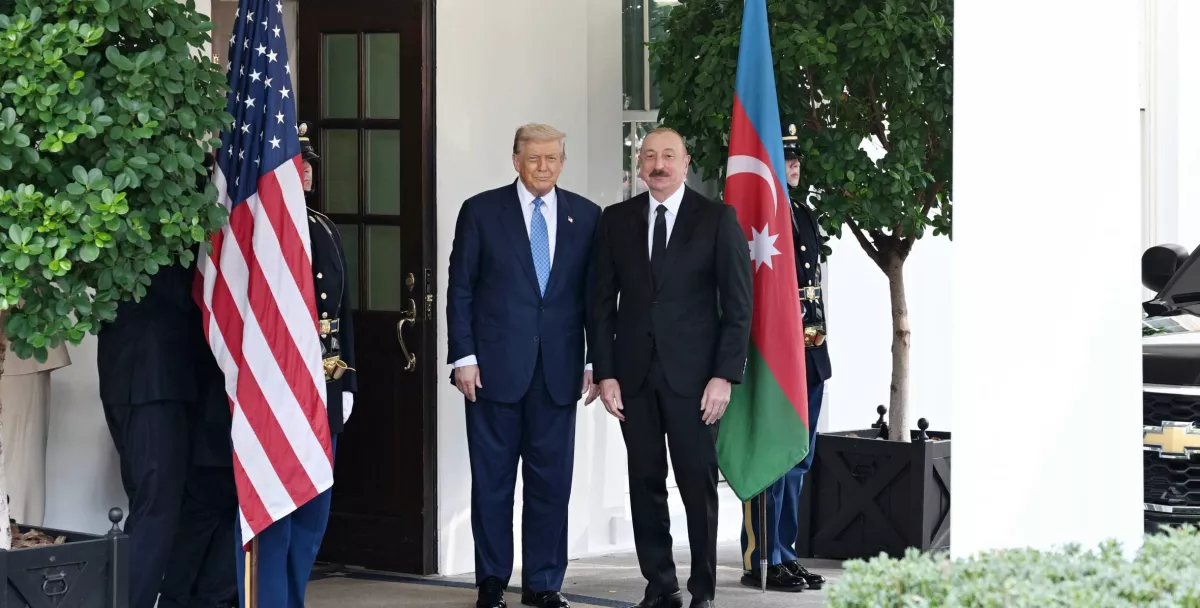
This dynamic is shaped not only by the charisma of both leaders but also by their strategic vision, analytical depth, and capacity for swift decision-making. These qualities have contributed to the Republican administration’s perception of Azerbaijan as a serious and reliable partner—a state whose leadership consistently aligns words with actions and bases foreign policy decisions on clearly defined national interests.







 editor@caliber.az
 +994 55 444-88-98
 Азербайджан, Баку, ул. Низами, 203, Af Business House, 5-й этаж