










Switzerland turns against Georgia Tskhvediani on European pressure on Tbilisi
On November 28, 2025, exactly one year had passed since the start of the opposition’s actions, formally triggered by Prime Minister Irakli Kobakhidze’s statement on Georgia’s suspension of EU accession talks. A month before that, parliamentary elections were held in the country, in which the ruling party, Georgian Dream, emerged victorious. Since the opposition failed to come to power through parliamentary elections, it attempted a coup d’état through street protests and organising a “Maidan,” aiming to place the country under complete external control. The Prime Minister’s statement on the “suspension of European integration” was merely a pretext.
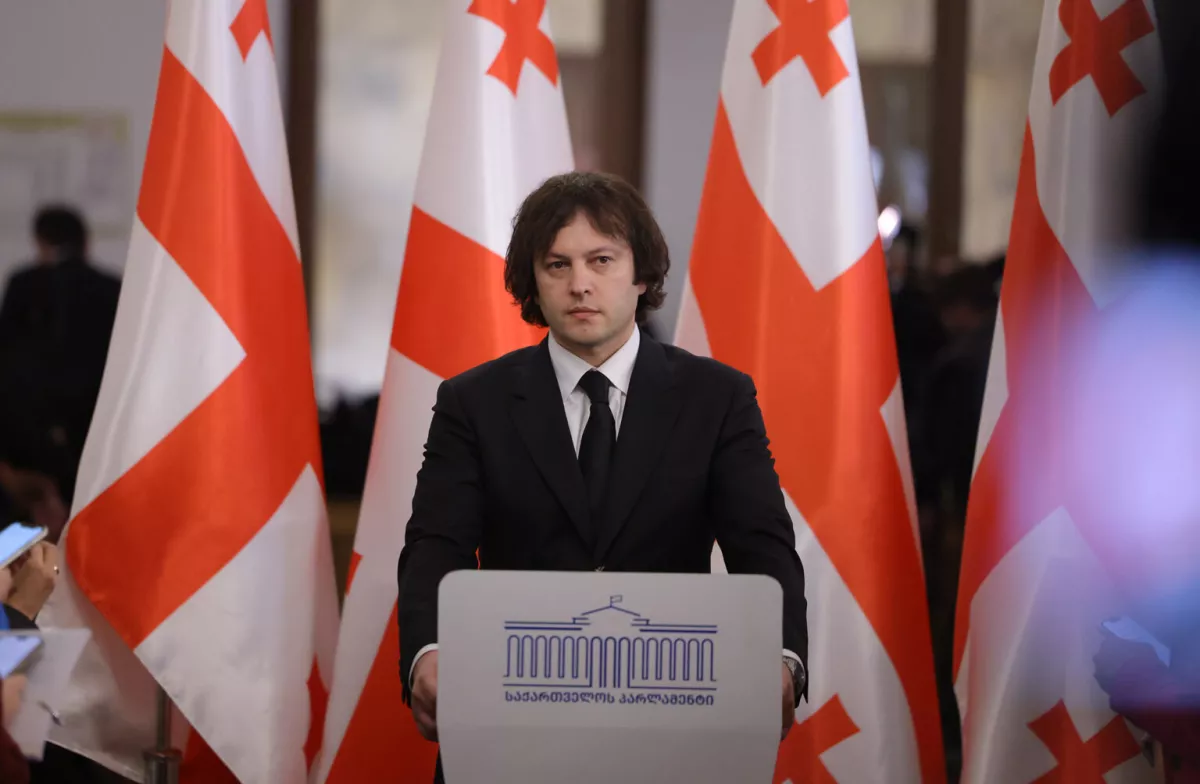
The opposition marked the anniversary of the start of its actions aimed at an unconstitutional change of power with another march along Rustaveli Avenue, gathering at most 2,000–3,000 participants. Compared to the street protests of a year ago, it was extremely small. Nevertheless, European pressure on the Georgian authorities, demanding “unconditional compliance” with Brussels, continues — and now it has been joined by a formally “neutral” country that belongs to neither the EU nor NATO.
The Swiss Embassy in Georgia published a banner stating: "The constitutional bodies shall take all measures within the scope of their competences to ensure the full integration of Georgia into the European Union and the North Atlantic Treaty Organization. Georgian Constitution, Article 78."
This banner, posted on the Swiss Embassy’s Facebook page in Georgia, was addressed by the Speaker of the Georgian Parliament, Shalva Papuashvili:
"After the United Kingdom, which left the European Union, now even Switzerland, which has never been a member of the EU, is concerned about European integration. Let everyone mind their own Constitution," wrote Shalva Papuashvili.
The Swiss diplomatic mission in Tbilisi holds special significance for both Georgia and Russia. After the 2008 war and the severing of diplomatic relations between Russia and Georgia, issues related to the functioning of embassies have been handled through Switzerland. Following an exchange of diplomatic notes between Russia, Georgia, and Switzerland, on March 5, 2009, with the assistance of the Swiss Embassy in Moscow, a “Georgian Interests Section” was opened. At the same time, the Swiss Embassy in Tbilisi established a “Russian Interests Section.” Today, it is this very embassy that has allowed itself actions hardly compatible with diplomacy and the neutrality of its country.
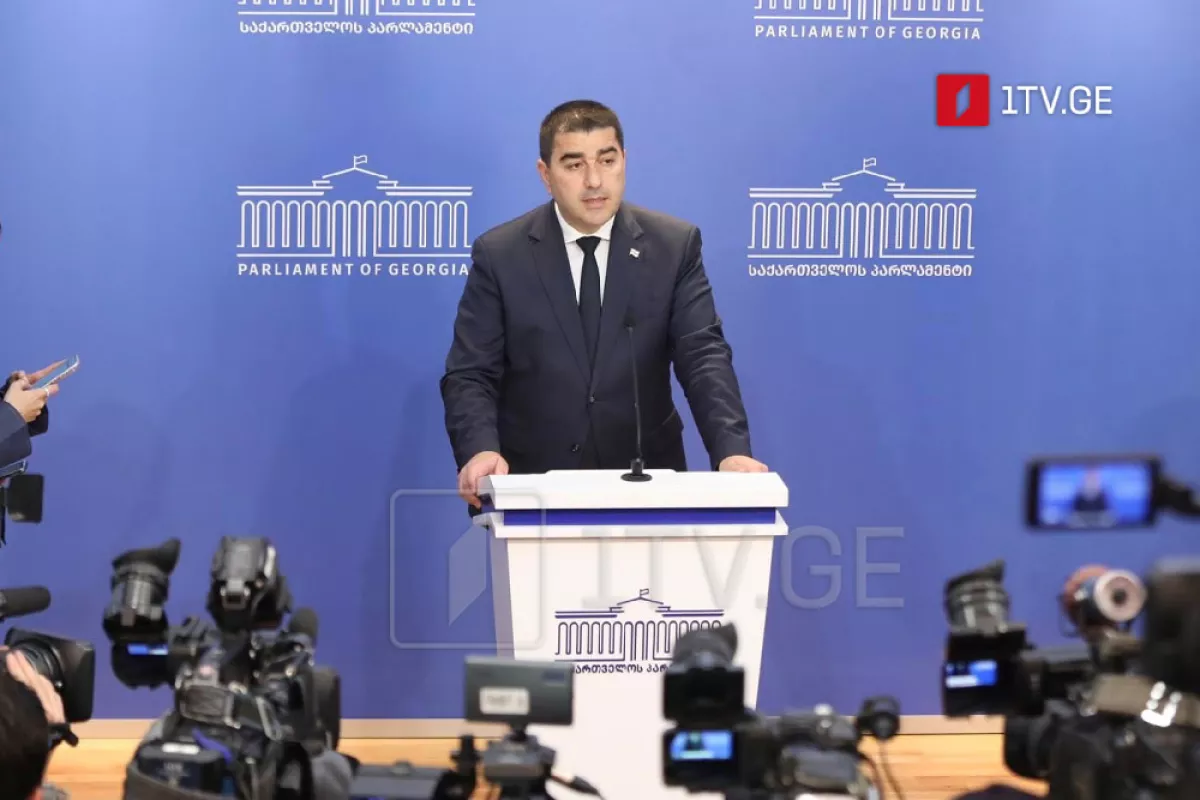
"When the embassy of neutral Switzerland starts to stir up unnecessary fuss, you truly realise that you are living in geopolitically complicated times," wrote Shalva Papuashvili.
Meanwhile, the geopolitical situation for Georgia could become more complicated due to the Swiss embassy’s démarche. The point is that in Switzerland, in Geneva, the so-called “Geneva Discussions” have been taking place since the 2008 war — the only official diplomatic contacts between the Georgian authorities and the Russian authorities, as well as representatives of the separatist regimes they control in the occupied Georgian territories.
Recently, Russia has been insisting on moving the “Geneva Discussions” from Switzerland to another venue, calling Swiss neutrality into question. By its démarche, Switzerland has effectively undermined its own neutral status, openly interfering in Georgia’s internal affairs and persistently reminding of certain provisions of the Georgian Constitution. It can be expected that the Russian side will emphasise this fact in the next round of the “Geneva Discussions.”
Thus, Switzerland has not only joined the EU’s pressure on Georgia but, in effect, is “playing into the hands” of forces in Russia that are not interested in restoring relations with Tbilisi, complicating the process of de-occupation of Georgian territories. Moscow is likely to push even more insistently to move the so-called “Geneva Discussions” to a venue where it has greater leverage to impose its will on Georgia — for example, Minsk. At such a venue, Tbilisi’s chances of defending its interests in restoring territorial integrity would be even smaller.
As a result, due to the actions of “well-wishers” from neutral Switzerland, suddenly concerned with EU and NATO expansion, Georgia’s geopolitical situation is becoming more difficult, while opponents of restoring its territorial integrity gain additional advantages. At the same time, issues of territorial integrity remain one of the formal grounds for denying Georgia NATO membership and, consequently, for withholding Alliance security guarantees.
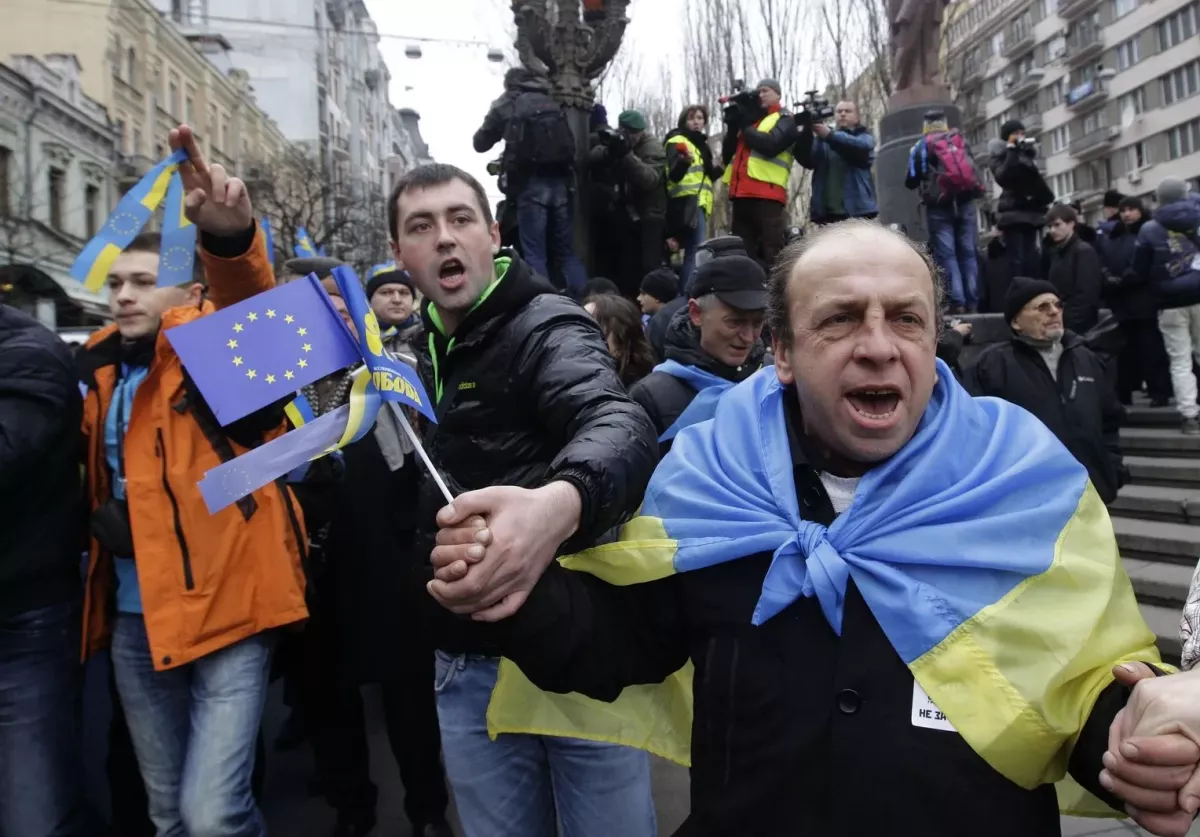
At the same time, Georgia is being pressured by forces within the EU that seek to use Georgians as “cannon fodder” in a confrontation with Russia, including by opening a “second front.” The country is being treated, much like Ukraine, as if it could be “thrown into the furnace” of war with Russia in exchange for the promise of EU membership that would effectively destroy Georgian identity and traditional values. This became evident on November 25, 2025. On that day, the European Court in Luxembourg issued a ruling obliging all EU member states to recognise so-called “same-sex marriages” legally concluded in another EU country, even if their domestic legislation does not provide for such an institution. The lawsuit was filed by two men from Poland who married in Berlin in 2018, but the Polish civil registry refused to recognise their marriage. Now, EU bureaucracy and judicial bodies have directly obliged member states to recognise same-sex marriages as families.
Guram Macharashvili, a member of parliament from the People’s Power party, stated that such a reality is unacceptable and will never be recognised in Georgia.
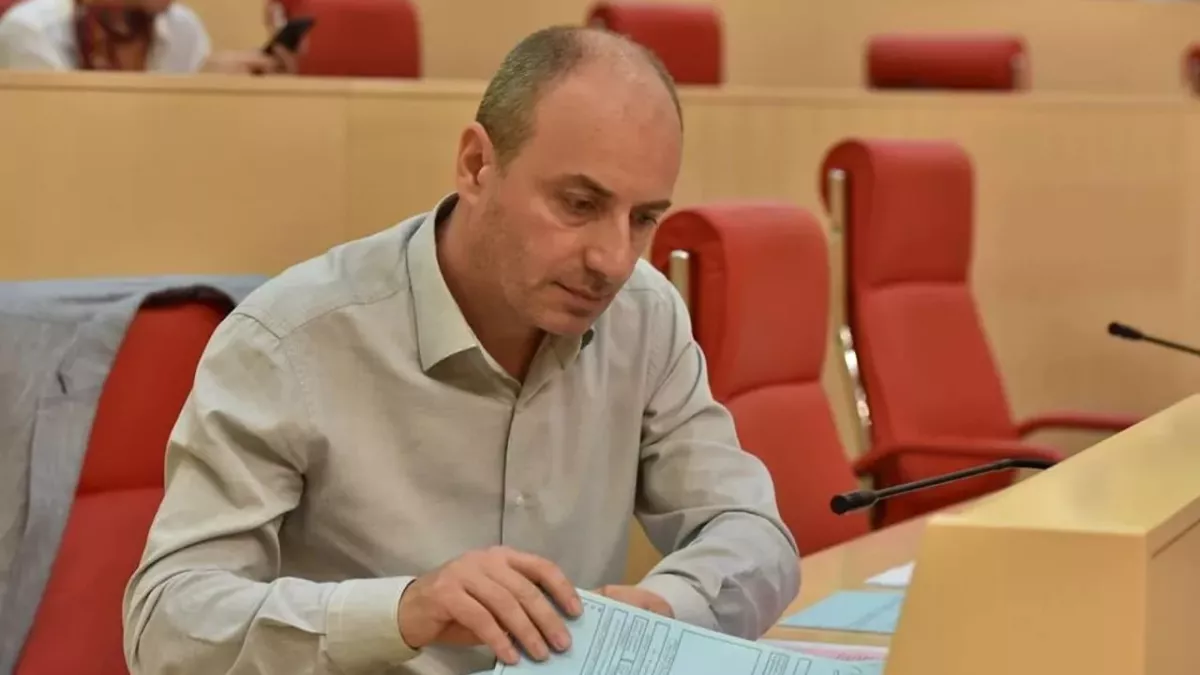
"We were told: who is forcing you to legalise same-sex marriages? But what will they say now, when EU bureaucracy and judicial bodies have directly obliged member states to recognise marriages between people of the same sex as families? This is precisely the reality that we in Georgia will never accept!" — stated Macharashvili.
At the same time, representatives of the pro-Western opposition, who demand that the Georgian authorities implement Article 78 of the Constitution and make “efforts to join the EU,” today avoid answering whether they support or agree with the European judicial rulings on same-sex marriages. Against the backdrop of active promotion of the LGBT agenda in the EU, “pro-European” propaganda is losing effectiveness in Georgia’s rather conservative society. This, in turn, may give the Georgian authorities reason to initiate constitutional changes that would make the pursuit of European integration no longer “mandatory” for the country.
By Vladimir Tskhvediani, Georgia, for Caliber.Az







 editor@caliber.az
 +994 55 444-88-98
 Азербайджан, Баку, ул. Низами, 203, Af Business House, 5-й этаж