










The “perfect storm” for Iran Russian journalist assesses the ongoing wave of protests
Iran is facing a complex and unprecedented convergence of economic hardship, social unrest, and political pressure, both from within and abroad. Sanctions are crippling the rial, young Iranians are increasingly disillusioned, and the country’s fragmented political system struggles to maintain control.
In an exclusive interview with Caliber.Az, Russian journalist and expert Sergei Strokan analyses the forces threatening the stability of the Islamic Republic and considers whether Iran could be approaching a tipping point—a “perfect storm” that may redefine its future.
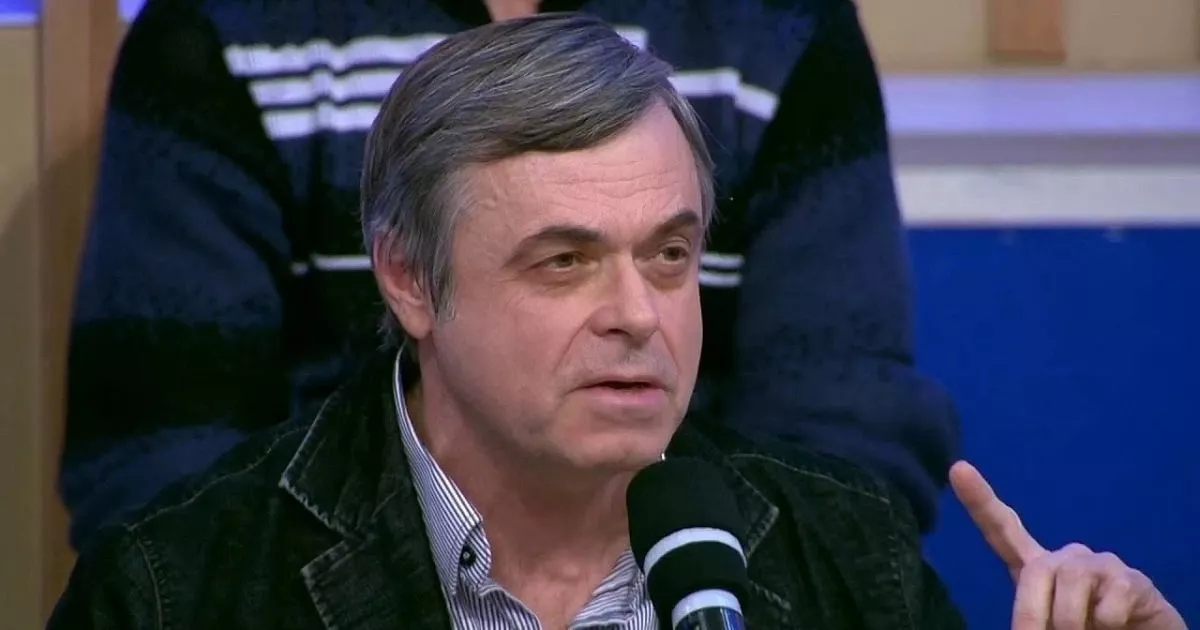
— How do you assess the events currently unfolding in Iran? Is a collapse of the government likely in the near future, as some foreign analysts and experts predict?
— We do not have access to complete information. The data that reaches us is filtered and partial, and in some cases may be distorted or taken out of context. Nevertheless, we can draw certain conclusions, and the first and most important of them is this: Iran appears to be experiencing a serious socio-economic and political crisis. There is a phrase—“metal fatigue.” And today, we are witnessing precisely this “metal fatigue” in the project of the 1979 Islamic Revolution. The irony is that this is happening on the eve of its next anniversary, which is traditionally celebrated in the Islamic Republic of Iran in February.
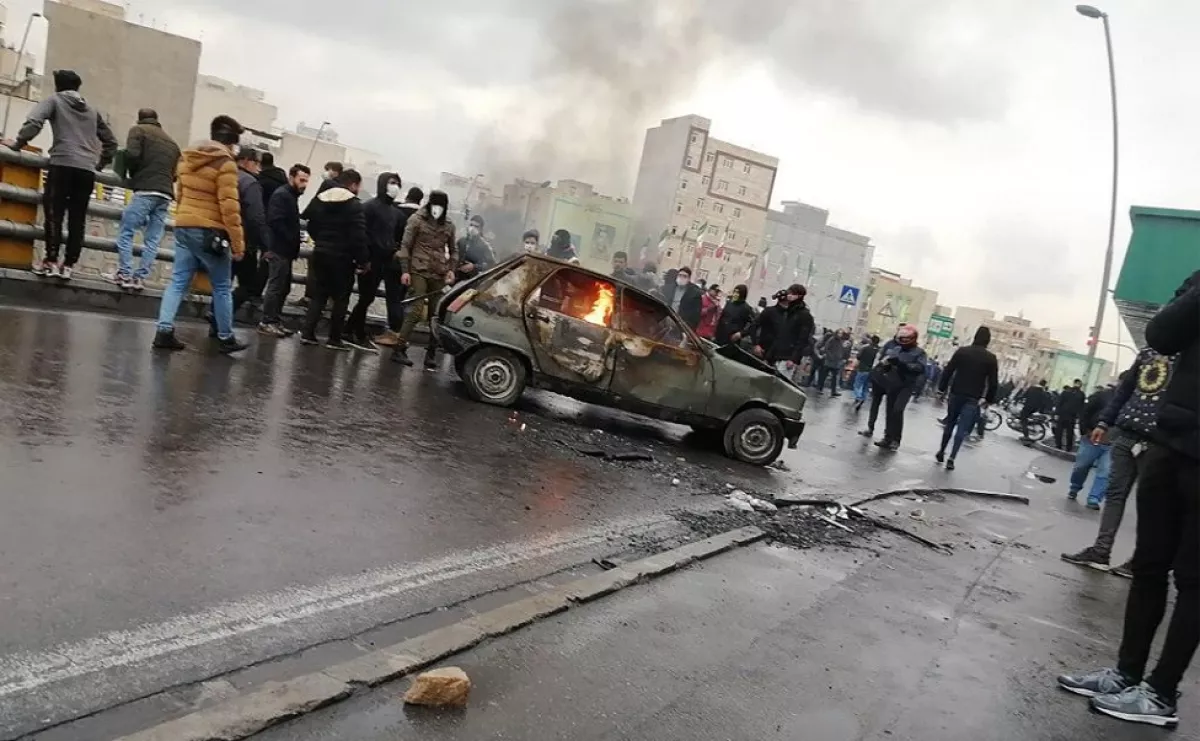
This fatigue is caused by several factors, foremost among them the sanctions, which are truly making life difficult for ordinary Iranians. Unlike the ruble or the manat, the exchange rate of the Iranian rial is literally collapsing before people’s eyes—perhaps only the Argentine peso is in a worse position. This creates enormous market volatility and directly affects both wholesale and retail prices. In such conditions, people do not know how to preserve their savings or plan a family budget, which generates intense psychological pressure and creates a potential protest electorate.
Moreover, the Islamic Republic of Iran is a young country. Most of the socially active population is young people, who do not want to be “buried alive” in a state without prospects, forced for decades to survive under the motto “stand through the day and hold on through the night.” Constant external threats—whether strikes or invasions—only amplify internal dissent. Young people, in essence, have nothing to lose.
— How serious is the situation in terms of the resilience of the political system?
— Iran’s political system is one of the most complex in the world. Here, religious and secular powers overlap: there is a president and a parliament, but at the same time there is the Ayatollah, the Assembly of Experts, the Guardian Council, the army, the IRGC [Islamic Revolutionary Guard Corps], and the paramilitary forces. On top of that, there is the traditional division between so-called reformists and conservatives.
Formally, reformists are currently in power, but they have never truly been able to implement significant change. Interestingly, at the start of the protests, the authorities took a conciliatory stance, spoke of dialogue, and acknowledged public concerns. This indicates that they understand the situation has gone very far.
Unlike countries with strong centralised authority and a high level of social cohesion, Iranian society is fragmented. There is ideological, social, and cultural stratification. In urban areas, there is strong rejection of religious dictates, including mandatory hijab-wearing, while in rural areas support for the Ayatollahs’ ideology remains. Symbolic acts of protest—like the incident at a university several years ago when a young woman publicly removed her hijab—clearly illustrate the depth of this divide.
It is also important to remember that Iran is like a volcano, erupting periodically. The Islamic Revolution never became a project embraced by the entire society. From time to time, there have been attempts to “escape” this model, the first serious one occurring under President Mohammad Khatami in the late 1990s. He unexpectedly won the election, somewhat reminiscent of the Soviet Gorbachev, speaking of Islamic democracy and a new way of thinking. But reform did not take hold—there was a backlash, and the hardline, anti-Western Mahmoud Ahmadinejad came to power. This was followed again by protests, repression, executions, and imprisonments. Yet, having “played” with this model, the Islamic Republic once more began to look eagerly at reforms.
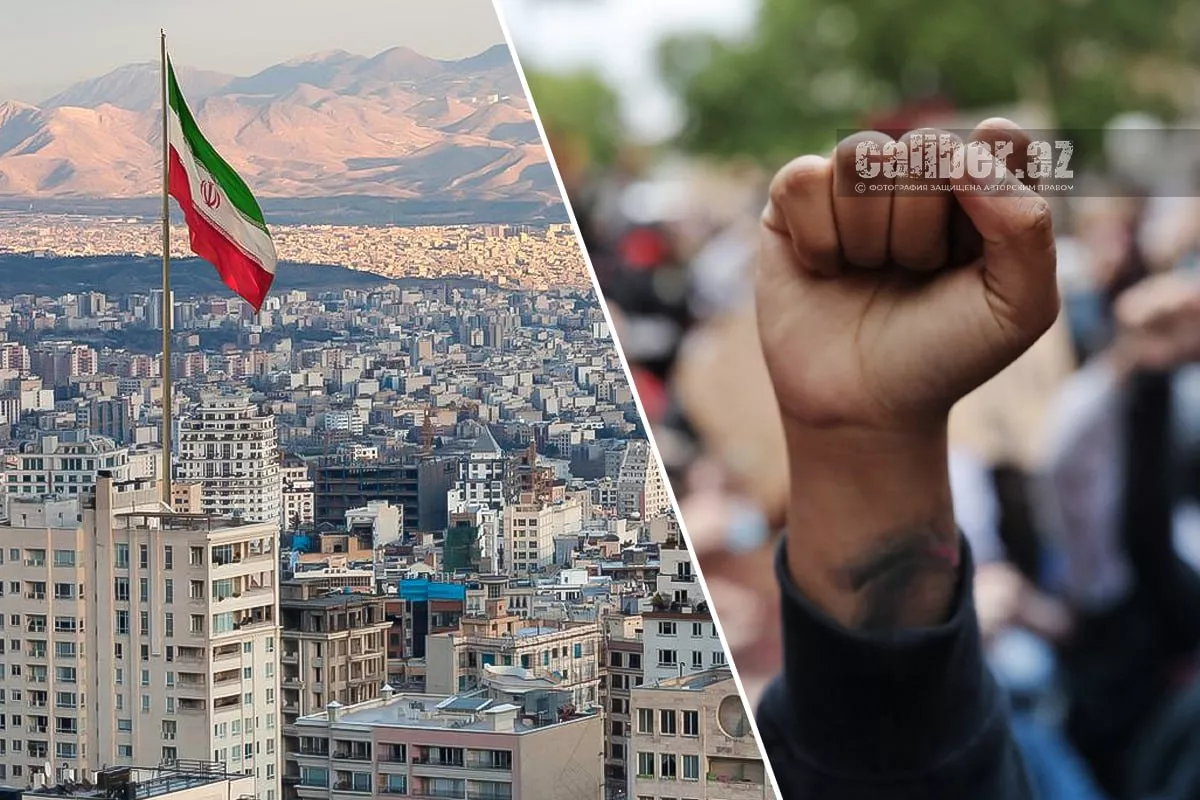
Continuing the earthquake analogy, the question is: at what point—after how many “political shocks”—could the regime’s structure collapse? So far, we cannot say. Until recently, the system withstood these tremors, swaying but not falling. What is clear, however, is that a serious “seismic” event is now underway. Judging by the arrests and other harsh measures taken by the authorities, the system is actively defending itself. Security forces will be deployed, pro-regime rallies organised, and new official statements issued.
What can be stated with confidence is that for the system to collapse, there would need to be a major defeat and a split at the top, primarily within the repressive apparatus. If the IRGC, the army, and the intelligence services remain consolidated, they have sufficient resources to suppress the protests. Even if the elite becomes divided, it would likely result not in the fall of the Islamic Republic but in a restructuring of power.
It is possible that, if the protests become unstoppable, the regime may attempt to lead them itself, bringing in a new team to govern. But there are currently no indications of a complete dismantling of the structure of the Islamic Republic established in 1979.
— Don’t you think that a critical configuration of factors has now formed, a kind of political apogee? There are looming strikes from Israel and the U.S., economic and social failures, a public mood marked by growing fatigue over decades of the Islamic Republic’s inability to fulfil its goals—people strive for the ideals of the Islamic Revolution, but there are no prospects and none in sight. Has the situation now truly reached an extreme point, a kind of geopolitical guillotine?
— Yes, it is possible that we are witnessing what can be called a “perfect storm.” Sanctions, economic despair, social fatigue, double standards, external pressure from the U.S. and Israel, and internal disunity among the elites—all converge at once. At such a moment, the structure of the Iranian state could indeed be toppled. Iran could well be at the point of a “perfect storm,” and the system might not be able to withstand it.
— What “reset” scenario is likely for the authorities in the worst-case situation?
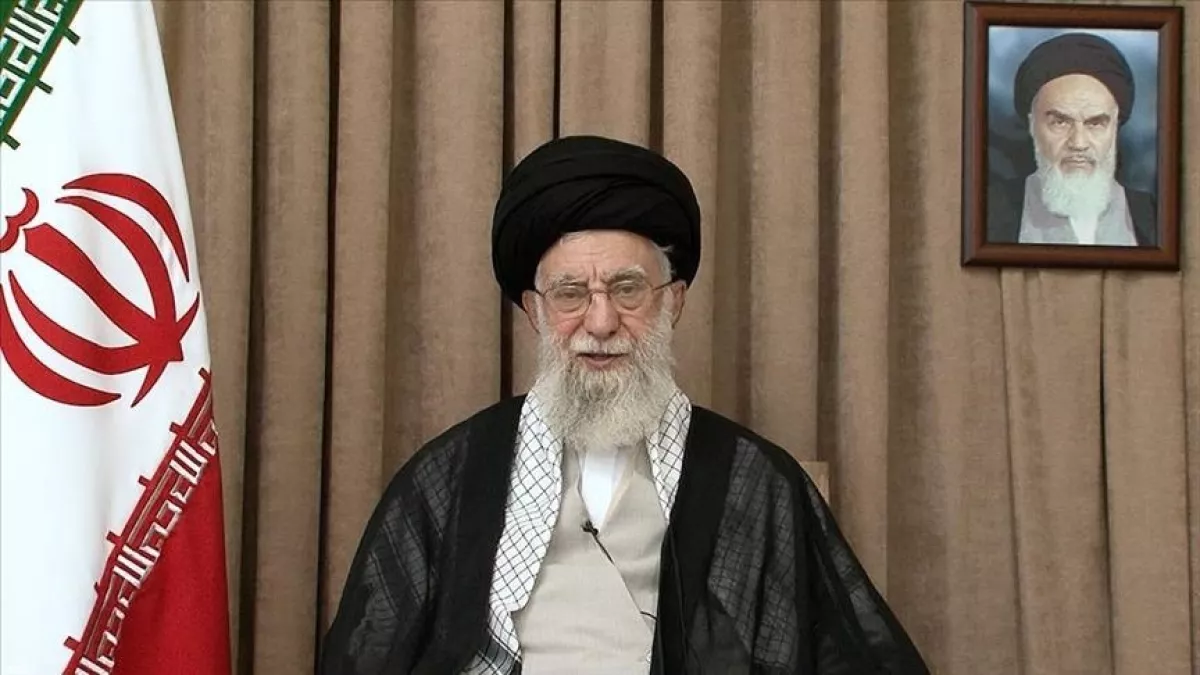
— In the Islamic Republic of Iran, it has long been understood that the Supreme Leader has seriously “weakened” and could step down from his post. People have been living for years in anticipation of this moment. For the regime, this could become a tool for a reset: “If you didn’t like the leader—he’s gone.”
In this case, the system itself would remain intact, and society would be offered a new Supreme Leader, along with promises of social and economic stabilisation: price regulation, support for the rial, stronger social policies, and cautious rapprochement with the West. But these would be superficial, top-level reforms, without dismantling the system.
Such a scenario could give the regime a temporary reprieve from political collapse or “execution,” which, on a historical scale, still seems inevitable—though possibly not in the immediate future.







 editor@caliber.az
 +994 55 444-88-98
 Азербайджан, Баку, ул. Низами, 203, Af Business House, 5-й этаж