










US military operation in Venezuela: facts and context Washington moves from words to Action
The U.S. military operation in Venezuela, which began today and concluded within just a few hours, will likely be remembered as one of the briefest in the Caribbean region.
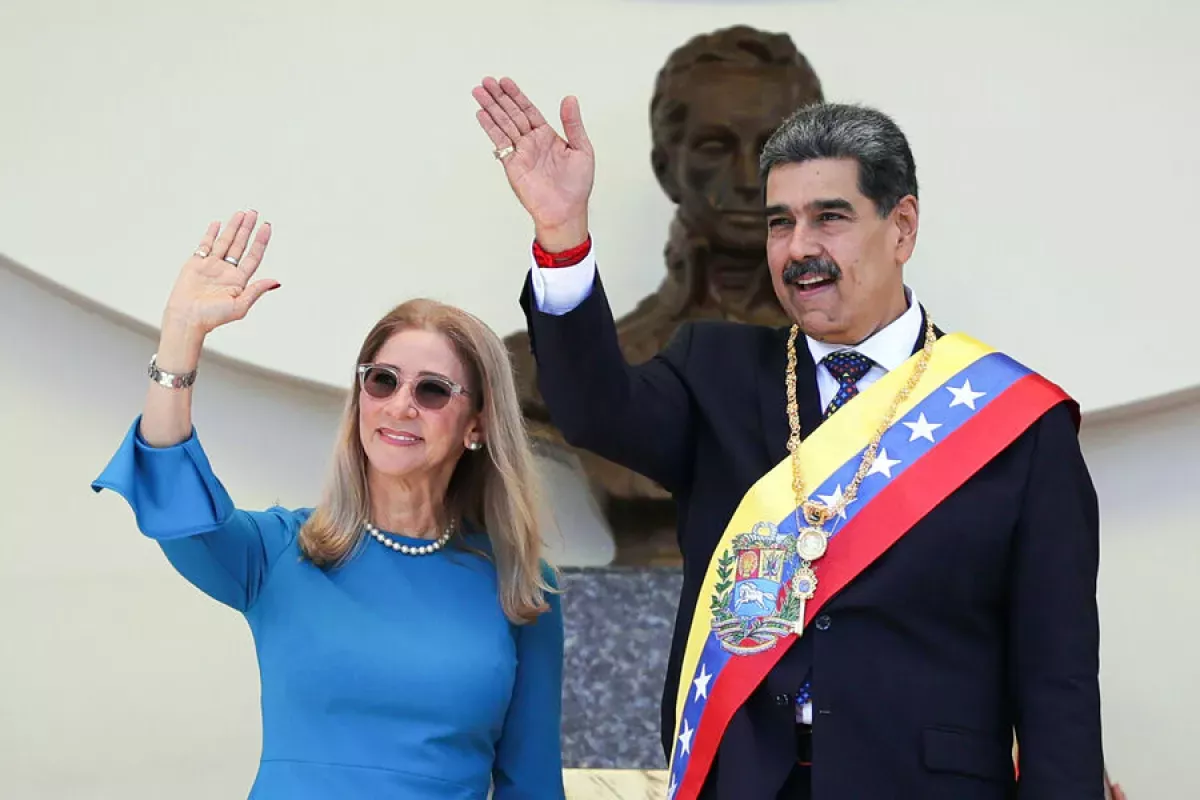
On January 3, around 2:00 a.m. local time, the U.S. Air Force carried out a series of strikes on Venezuelan military targets, including the Fort Tiuna base and the Generalissimo Francisco de Miranda Air Base. Several explosions were also reported in Caracas. As a result of the operation, Venezuelan President Nicolás Maduro was captured by Delta Force – the U.S. Armed Forces’ elite special operations unit, which, according to American officials, was responsible for the 2019 operation in which ISIS leader Abu Bakr al-Baghdadi was killed.
U.S. President Donald Trump wrote on his Truth Social page about the successful operation in Venezuela: “The United States of America has successfully carried out a large scale strike against Venezuela and its leader, President Nicolas Maduro, who has been, along with his wife, captured and flown out of the Country. This operation was done in conjunction with U.S. Law Enforcement.”
Meanwhile, U.S. Deputy Secretary of State Christopher Landau stated that Nicolás Maduro “will face justice for his crimes.”
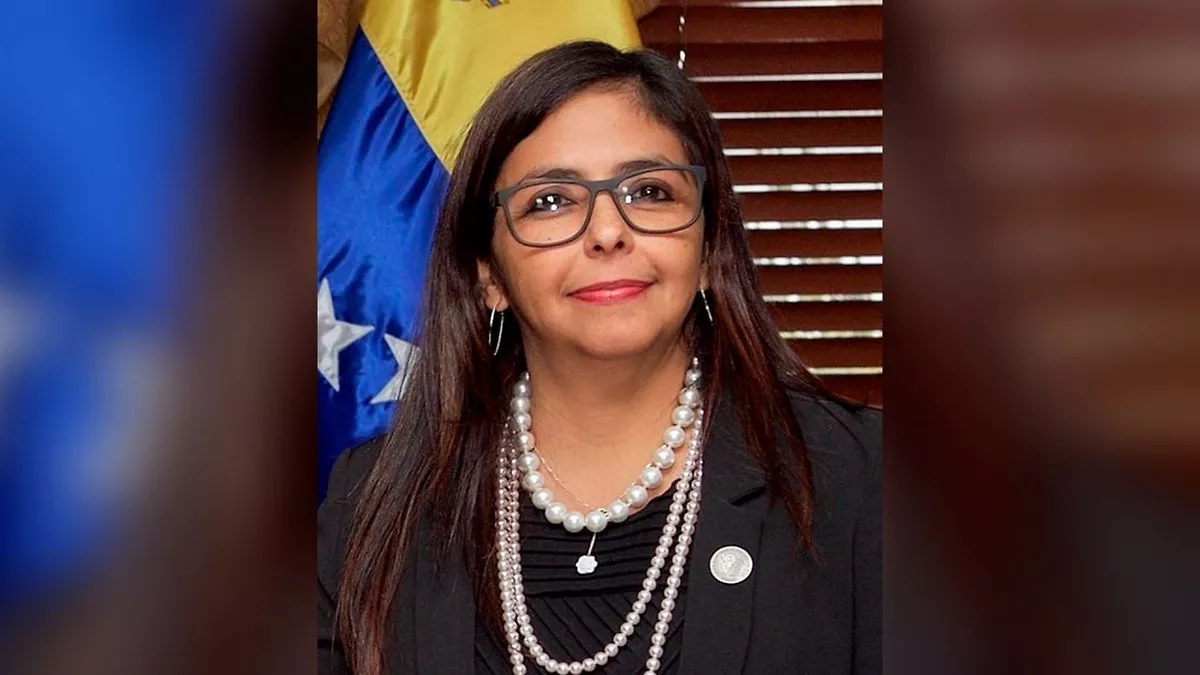
At the same time, several U.S. media outlets report that Venezuelan Vice President Delcy Rodríguez, who was unharmed during the U.S. military operation, is expected to be appointed acting president of the country.
Thus, it can be said that Maduro’s era in Venezuela ended in just a few hours, while the United States once again demonstrated its power and military might, proving its superiority as a superpower that continues to assert its claim to global leadership.
However, it should be noted that, in acting outside the norms of international law, the U.S. violated the UN Charter. In response, the Venezuelan Embassy in Russia issued a statement describing the American attack as an extremely serious act of military aggression and emphasising that such actions “pose a threat to international peace and stability, especially in Latin America and the Caribbean, and place the lives of millions of people at serious risk.”
“The objective of this attack is nothing other than the seizure of Venezuela’s strategic resources, in particular oil and mineral wealth, and an attempt to forcibly undermine the country’s political independence. They will not succeed,” the diplomatic service’s statement emphasised.
Addressing the reasons behind the strikes on Venezuela, it is first necessary to recall that the U.S. stepped up pressure on the country last year. In its fight against drug cartels, the U.S. deployed significant military forces in the Caribbean, and by the end of the year had effectively established a naval blockade of Venezuela.
Earlier in the autumn, media reports indicated that the U.S. had sent its most advanced aircraft carrier, the USS Gerald R. Ford, along with destroyers and fighter jets, to the Caribbean and, since September, had been striking vessels alleged to be transporting narcotics.
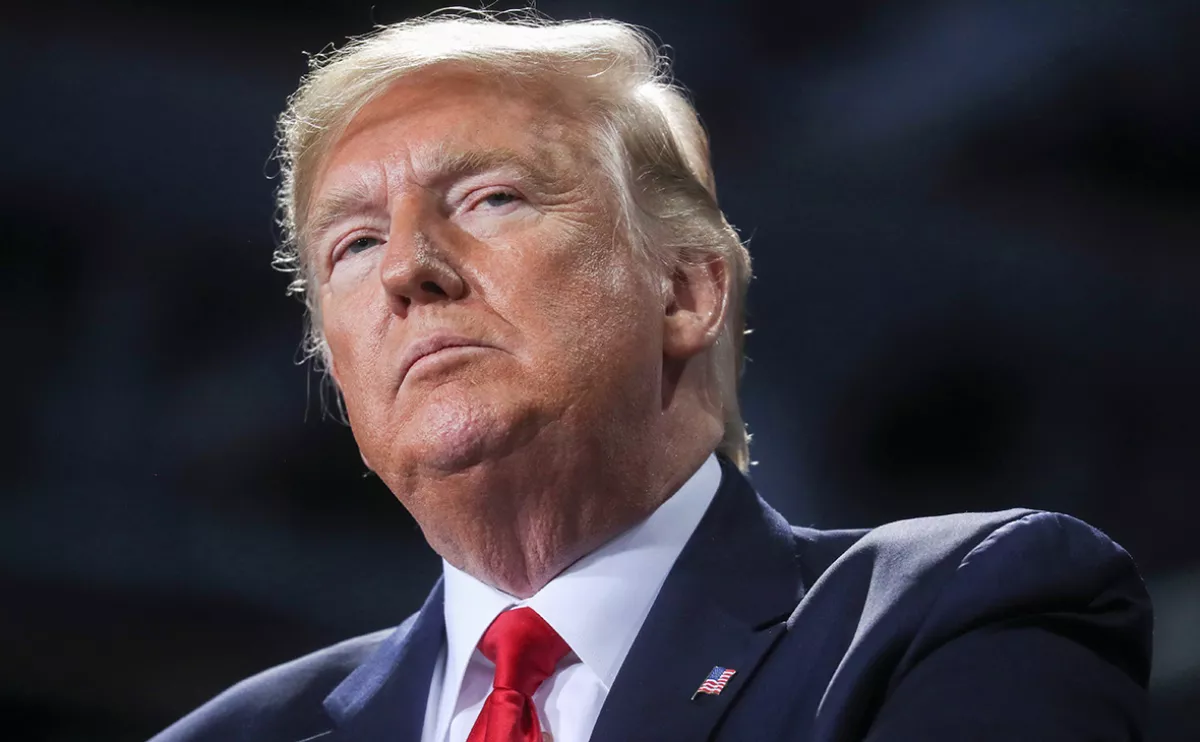
In this context, CNN reported in September that Trump was considering strikes against drug cartels on Venezuelan territory. On December 16, the U.S. president accused Caracas of “stealing American assets, oil, and land” and imposed a full blockade on all sanctioned oil tankers heading to or from Venezuela. Earlier, Washington had also designated the Venezuelan leadership as a foreign terrorist organisation for its alleged involvement in “terrorist activities, drug trafficking, and human trafficking.”
However, the Venezuelan government categorically rejected the U.S. accusations. Maduro stated that the real reason for the American attacks on Venezuela is clearly not a desire to combat drug trafficking: “If the U.S. is genuinely interested in fighting drug production and trafficking, we are ready to negotiate for joint cooperation. We are also interested in this. But the U.S. refuses any contacts on this matter. From this, one simple conclusion can be drawn – their interest lies elsewhere.”
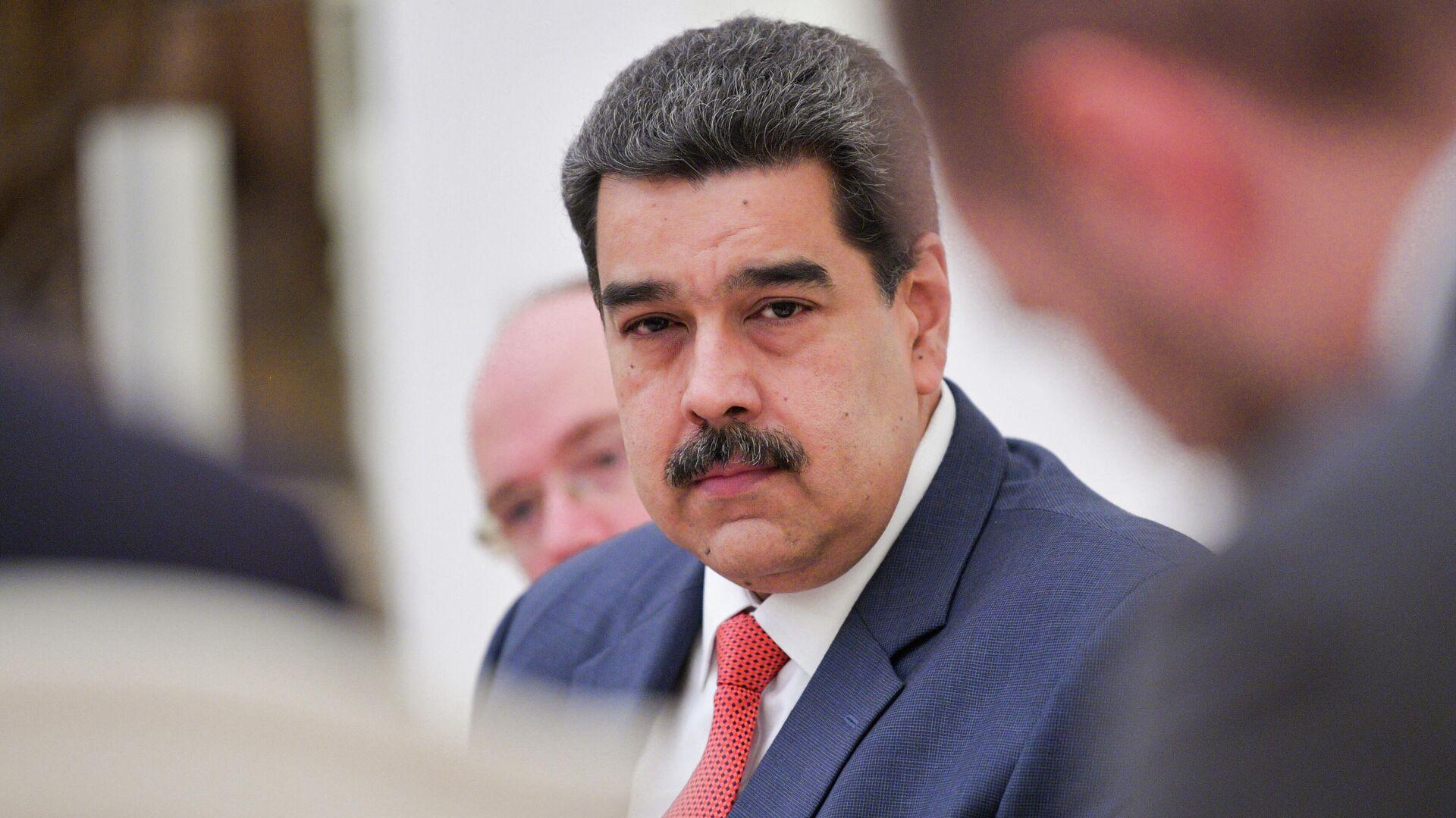
Interestingly, as early as the beginning of December, the Venezuelan leader noted that his conversation with Trump had been conducted in a respectful and friendly tone and had fostered dialogue between the two countries. However, the U.S. president expressed a completely different view, telling reporters that his discussion with Maduro had yielded no tangible results.
Around the same time, The Wall Street Journal, citing sources, reported that Venezuelan President Nicolás Maduro had no plans to step down at Trump’s request. Earlier, in November, The New York Times and the Associated Press, also citing sources, noted that U.S. authorities had rejected Maduro’s proposal to resign after a two- to three-year transition period, emphasising that Washington was considering options for a military operation against Venezuela.
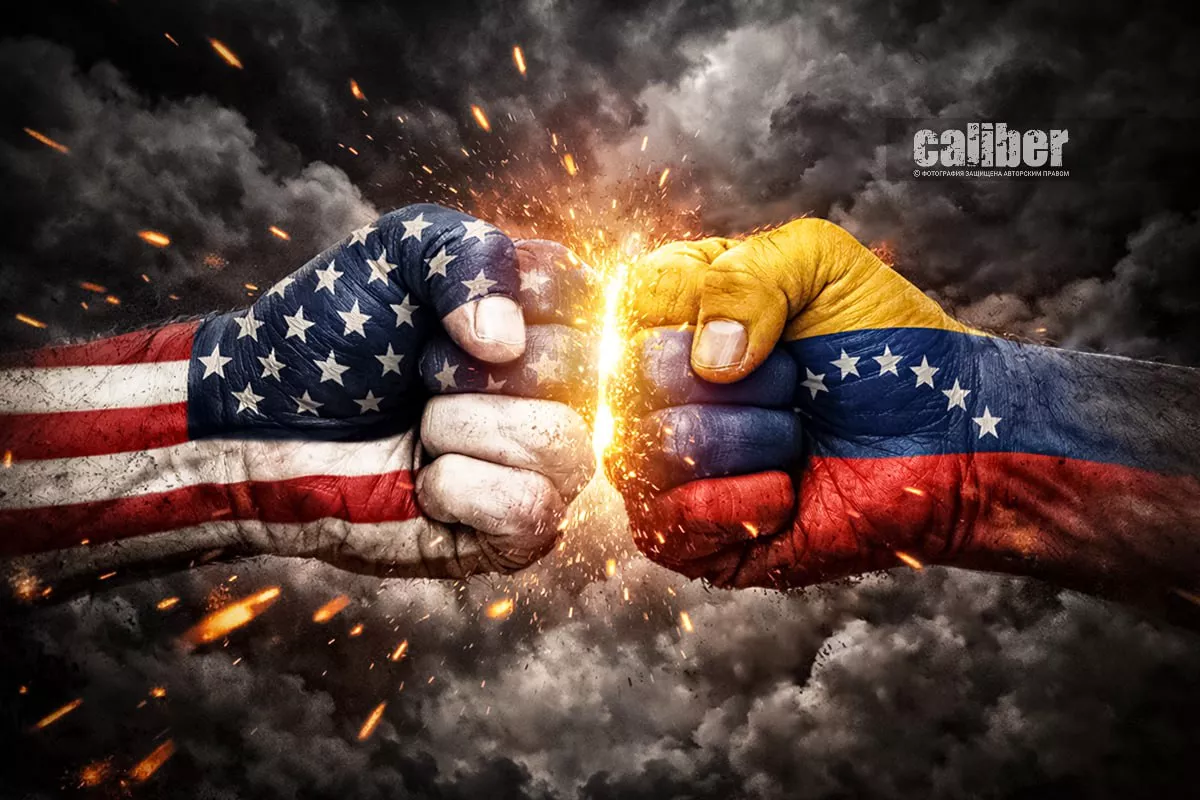
Thus, the United States made it clear that the verdict on changing power in Venezuela had been issued and was not open to appeal. It is no coincidence that NYT noted that “Any delay in Mr. Maduro’s giving up power is a nonstarter with the White House.”
In other words, the U.S. had effectively given the Venezuelan government an implicit warning of the upcoming attack. Today, it can only be stated that Maduro’s capture has demonstrated to the world that, following its statements, Washington typically moves swiftly to take real action.







 editor@caliber.az
 +994 55 444-88-98
 Азербайджан, Баку, ул. Низами, 203, Af Business House, 5-й этаж