










Zelenskyy’s visit of special importance Ukraine enters the Gulf markets
Amid shifting geopolitical dynamics, a decrease in direct support from traditional allies—primarily the United States—and rising instability in the Middle East, Ukrainian President Volodymyr Zelenskyy’s visits to the Gulf countries and Jordan have become some of Kyiv’s most strategically significant diplomatic moves in recent years, yet, unfortunately, they have remained largely underappreciated.
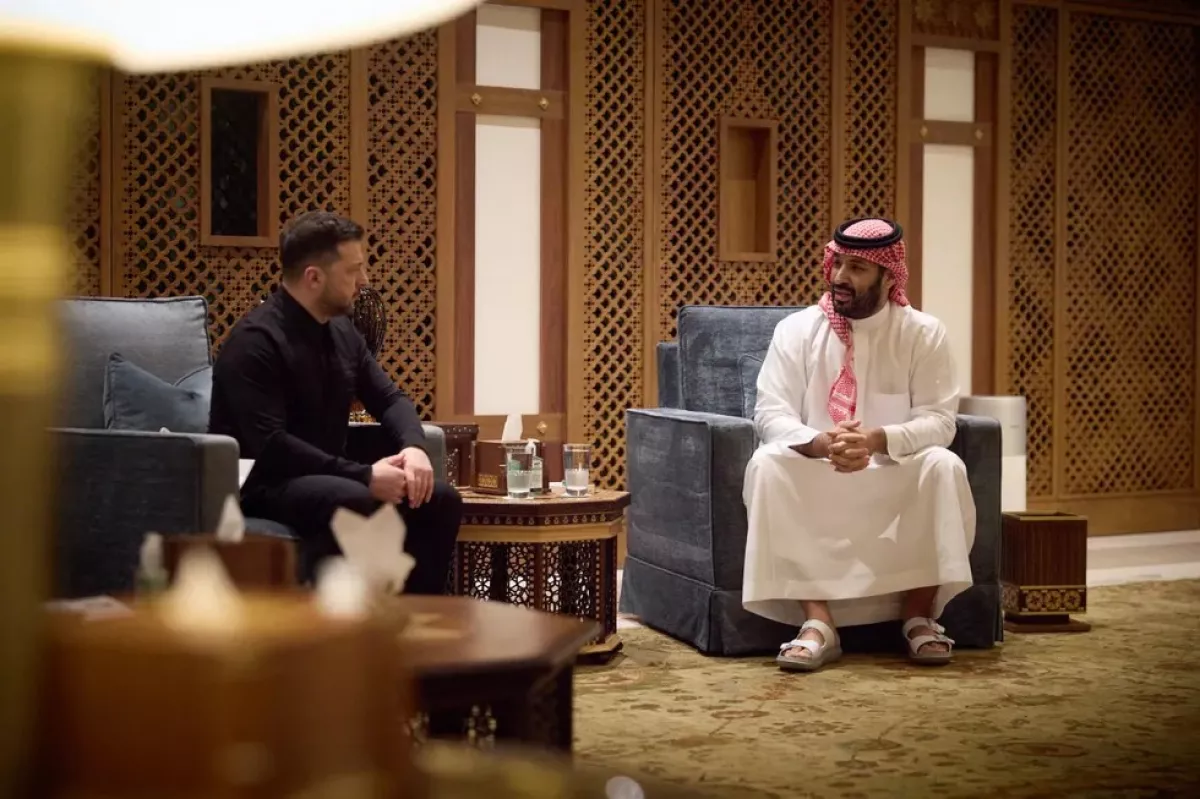
Critics of the president’s Middle East tour within Ukraine have pointed to the “exotic” nature of the destination and expressed doubts about the region’s willingness to engage with Kyiv, often arguing that these countries avoid open confrontation with Moscow. However, this approach oversimplifies the situation and ignores the far more complex and dynamic reality of contemporary international politics.
Indeed, regional countries have maintained a cautious neutrality in the Russia–Ukraine war: they have participated in mediation efforts, facilitated prisoner exchanges, but avoided putting sanction pressure on Russia. Yet the shifting balance of power and the growing “drone threat” from Iran are forcing them to reassess their priorities. Here, Ukraine unexpectedly finds itself in a unique position, as the full-scale Russia–Ukraine war has turned it into one of the world leaders in countering unmanned aerial systems.
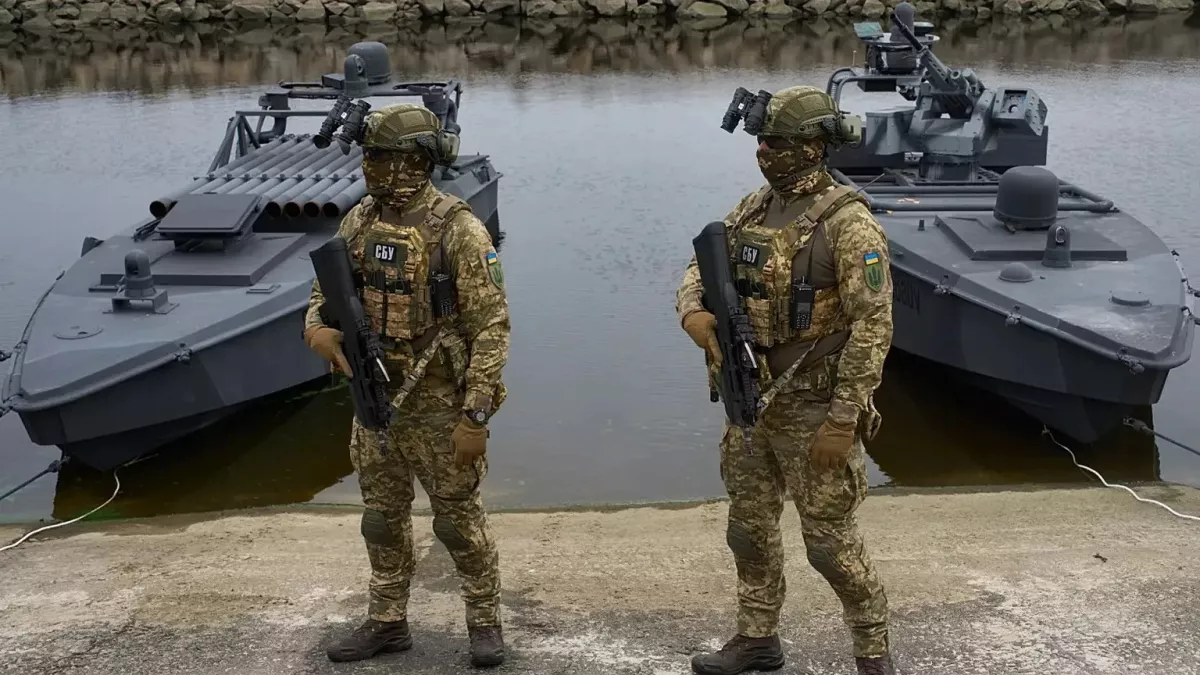
In effect, Kyiv was forced to rapidly develop an entirely new sector—from design to combat deployment—and, as Reuters notes, this factor has now become a key element in Ukraine’s dialogue with the Gulf countries. The agreements signed with Saudi Arabia and Qatar, as well as the preparation of similar deals with the UAE, confirm that Ukraine has been able to offer something genuinely in demand.
At the centre of attention are Ukrainian developments in maritime drones, including the Magura, which, according to UForce CEO Oleg Roginsky, has attracted strong commercial interest on the international market, including from Gulf countries—a fact that is hardly surprising. Originally designed for attacks on the Russian fleet in the Black Sea, these systems have evolved into versatile tools capable of intercepting aerial targets and securing maritime communications.
In practice, Ukraine is offering Arab states not merely weaponry, but a comprehensive security model that includes experience in layered air defence, counter-drone operations, and unique expertise in unblocking maritime trade routes. In this context, the potential role of the Ukrainian state in ensuring the security of the Strait of Hormuz becomes particularly significant.
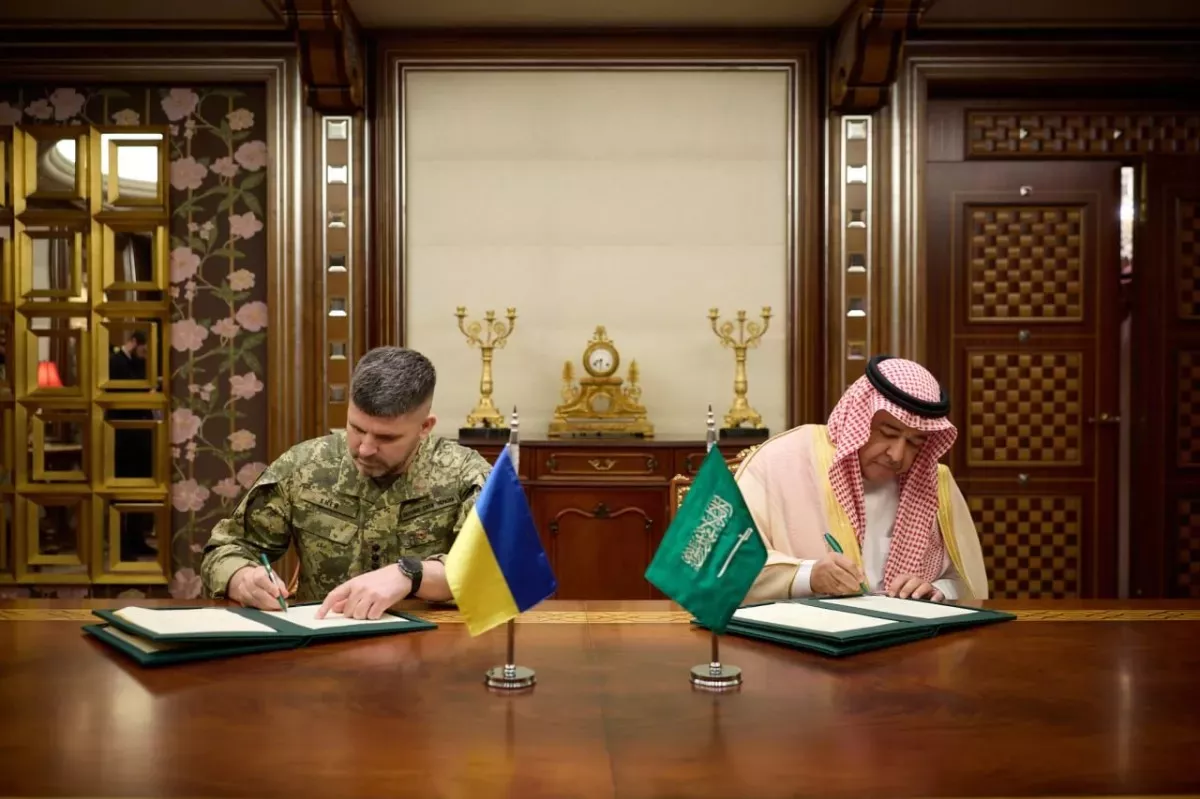
Incidentally, Volodymyr Zelenskyy himself called the agreements reached during the visit “historic.” And this is not mere rhetoric. For the first time, Ukraine is systematically entering the markets of countries that not only possess substantial financial resources but also wield strategic influence over global energy and security.
Equally important is the factor of mutual benefit. Kyiv is interested in acquiring interceptor missiles, the shortage of which remains one of the main challenges amid the ongoing war. In turn, the Gulf countries gain access to unique combat experience and technologies that cannot be bought “off the shelf.”
Moreover, a new avenue is opening up—energy cooperation. With its infrastructure in ruins, Ukraine needs stable support, including reliable access to energy resources. In this regard, the capabilities of the Gulf states are hard to overestimate.
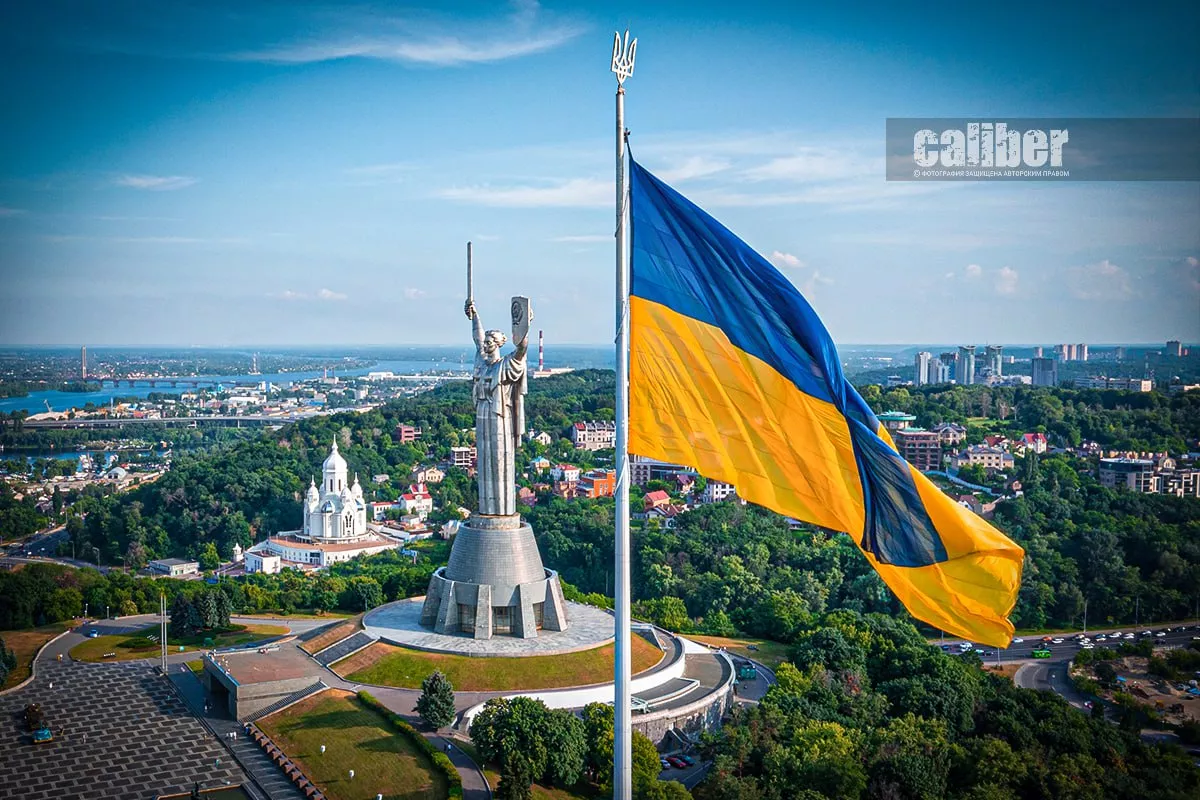
Taken together, all of this represents highly significant avenues of cooperation—ones that critics of Zelenskyy’s Middle East visit stubbornly fail to recognise. Within the broader context, they ignore the fact that the world is changing rapidly, and the old model of Kyiv’s dependence on a single ally no longer works. While the United States remains a strategic partner, it is increasingly absorbed in its confrontation with Iran, which objectively reduces its focus on Ukraine. Moreover, in some cases, Washington exerts pressure not so much on Moscow as on Kyiv itself.
In this context, diversifying diplomatic and military-technical ties becomes a matter of vital necessity. Zelenskyy’s trip to the Gulf countries thus serves as an example of pragmatic and forward-looking policy. Ukraine is no longer merely a recipient of aid—it is becoming an exporter of security, technology, and experience. This marks a qualitatively new level of international positioning for a country that has been facing a major nuclear power, Russia, for more than four years.







 editor@caliber.az
 +994 55 444-88-98
 Азербайджан, Баку, ул. Низами, 203, Af Business House, 5-й этаж