










A unified EU army: Brussels’ dream or a dead End? Expert opinions on Caliber.Az
The EU High Representative for Foreign Affairs and Security Policy, Kaja Kallas, has spoken out against the creation of a unified European army. She made the statement following an informal meeting of EU defence ministers held in Cyprus, the transcript of which was published by the European External Action Service.
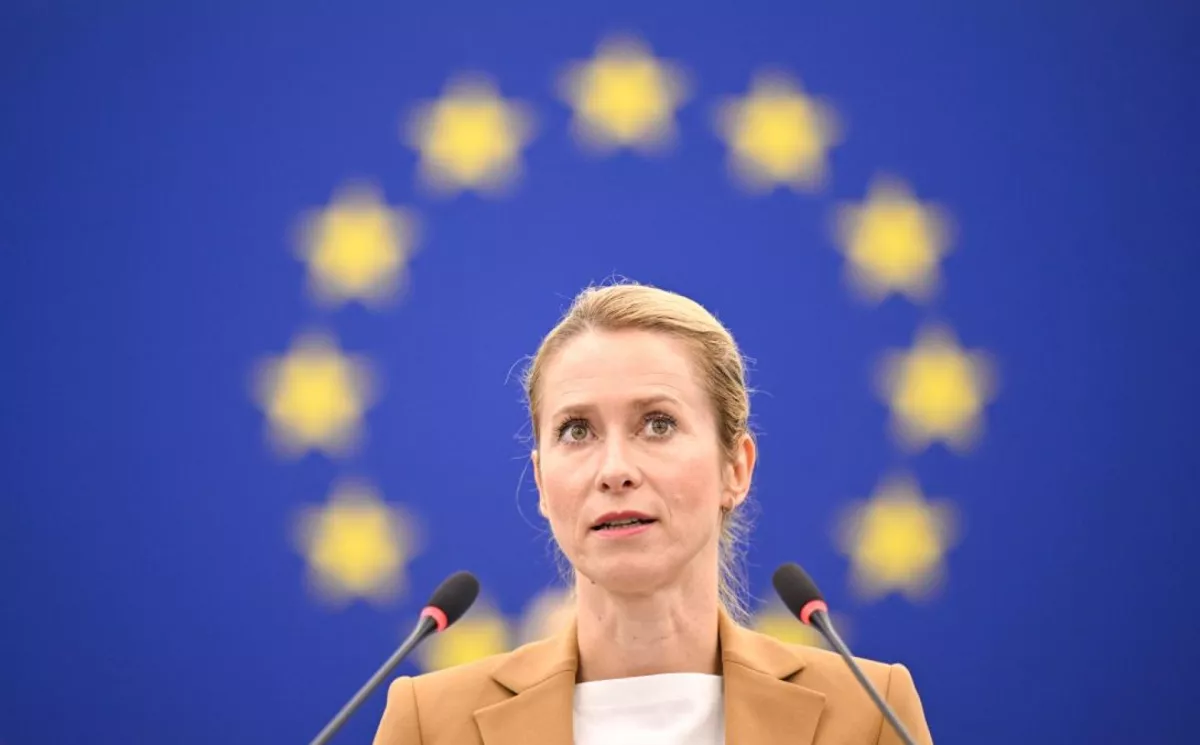
“[...] defence is a national competence. We are trying to push Member States to work more jointly together, because if Member States are strong, the European pillar in NATO is strong. Now, why I do not support an additional army, it is because every Member State has one army. 23 Member States are also members of NATO. If you allocate this army to NATO, then you cannot use it elsewhere. You cannot also create another army, just a parallel,” Kallas stressed.
She also emphasised the importance of avoiding the creation of new structures that duplicate existing cooperation frameworks, arguing that this could lead to confusion and reduce the effectiveness of Europe’s defence system.
However, do other European politicians share this position?
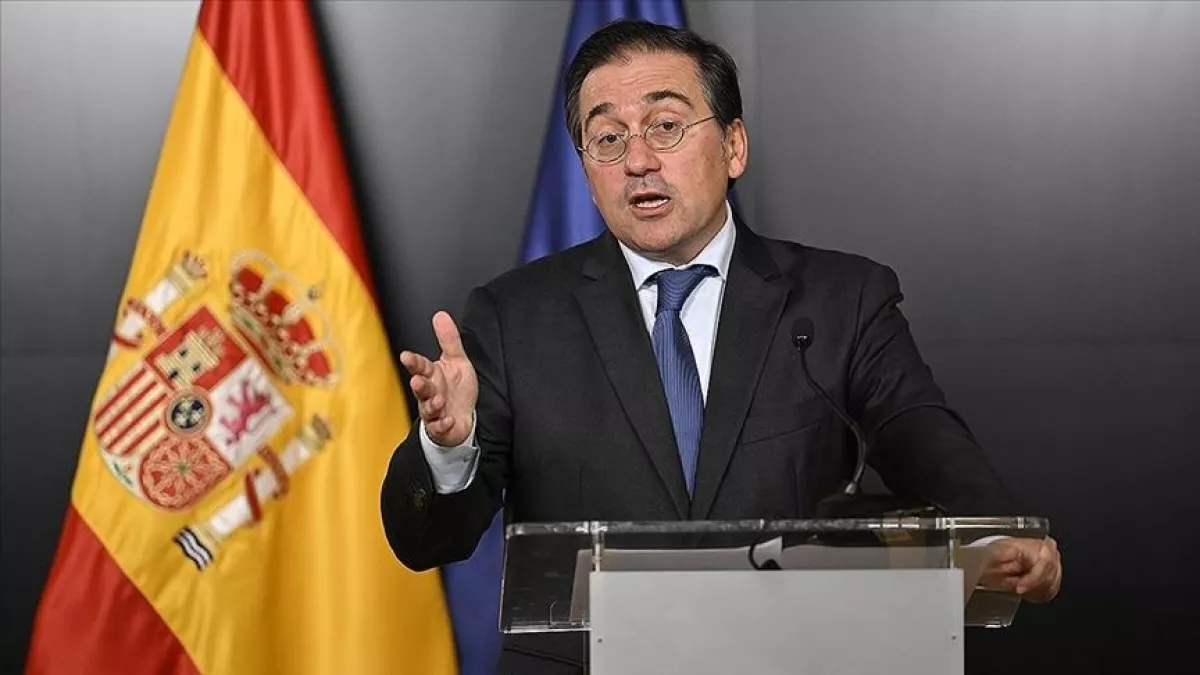
For instance, in mid-May, Spanish Foreign Minister José Manuel Albares called on the European Union to establish its own permanent army in order to reduce defence dependence on the United States.
Albares stressed that European countries must be prepared for a scenario in which states such as Russia could test Washington’s willingness to honour its alliance commitments to Europe. At the same time, in his view, strengthening the EU’s independent defence capabilities would not contradict NATO interests and would not undermine the foundations of the Alliance.
What is the position of other key EU players such as France and Germany on the idea of a unified European army? How justified is Kaja Kallas in her stance, and how should her arguments be assessed?
Well-known European experts answered these questions for Caliber.Az.

French historian and researcher Maxime Gauin noted that neither France nor Germany has so far supported the idea of creating a unified European army.
“A project of this kind already existed in 1952 (the European Defence Community), but it failed in 1954, after which the Western European Union (WEU) was established as a defence alliance.
By the 1990s, the WEU began to be gradually integrated into the European Union, and this process was completed in 2011.
What Kaja Kallas and Emmanuel Macron advocate today is strategic autonomy: producing most military equipment within Europe and improving the interoperability of European armies without dependence on American software. This is an urgent necessity, and work in this direction is already underway. Powder production has been brought back to European countries, including France, and the output of shells and howitzers is increasing.
Since January 2025, a European ammunition production programme has been in place, bringing together 18 companies, research institutes and government agencies. At the same time, European standards are being used instead of American ones. Military-industrial cooperation between countries is also expanding. For example, Denmark produces fuel for Ukrainian cruise missiles, the United Kingdom manufactures interceptor drones based on Ukrainian designs, and France and Sweden are jointly developing a new extended-range version of the Akeron missile.
In May 2026, Turkish company Baykar, the manufacturer of Bayraktar UAVs, and French defence giant Safran Electronics & Defense officially signed a strategic partnership agreement. The key element of the deal is the integration of French advanced electro-optical systems from the Euroflir family into export versions of the Bayraktar TB2 drones. This significantly enhances the UAVs’ capabilities in reconnaissance, surveillance and precision targeting under all weather conditions.
In addition, negotiations are underway to involve Türkiye in the Franco-Italian programme for the development of long-range air defence systems. This is a pragmatic approach that allows European countries to participate in joint procurement schemes, thereby reducing unit production costs,” the researcher said.
In his view, José Manuel Albares is correct in arguing that European countries must be prepared for scenarios in which states such as Russia could “test” Washington’s willingness to come to the continent’s aid.
“However, creating a European army within a few years is impossible. There are practical questions: who would command it, and in which language would orders be issued? A possible solution would be to increase the size of national armed forces, expand joint training programmes, and strengthen the European military presence in the Baltic states, which are the most vulnerable to potential Russian aggression.
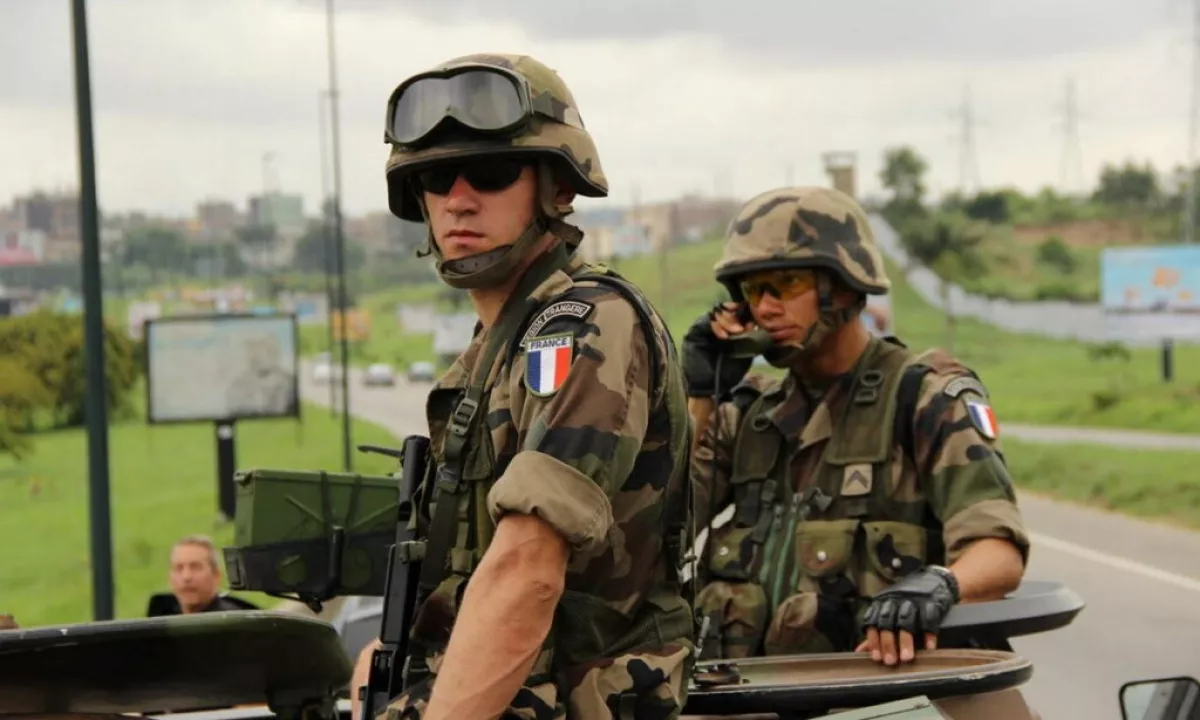
As early as 2014, France developed the Scorpion programme to modernise the electronics of its armoured vehicles. The practical goal of the programme is to equip vehicles with advanced sensors (both on the platforms themselves and on reconnaissance drones) and to create highly sophisticated communication systems between them. In 2019, Belgium and Luxembourg joined the programme, and Ireland is now in the process of joining.
No one expects Germany or the United Kingdom to abandon their armoured vehicles in favour of French ones. The idea is to use Scorpion as a model for further integration and interoperability, ensuring that ground forces reach the same level of coordination as air forces.
Another important aspect is the systematisation of counter-drone capabilities, including shrapnel missiles developed by Thales Belgium, Ukrainian-designed interceptors, and laser systems being developed in France, the United Kingdom, Germany and Ukraine.
It is also necessary, in my view, to establish mass production of ground-based robotic platforms equipped with machine guns for deployment in the Baltic region. The optimal solution would be a pan-European production programme based on existing Ukrainian and German models.
At present, Russia’s two main advantages are mass drone production and manpower. The Russians have lost around 40% of their air force, and the war in Ukraine has confirmed the overwhelming superiority of European aviation.
The same applies to naval forces, especially in the Baltic Sea, which has effectively become a ‘lake’ of NATO and the EU. In Ukraine, French CAESAR howitzers and Swedish Archer systems fully dominate their Russian counterparts due to longer range and significantly greater accuracy; it is worth noting that CAESAR systems are already in service in Estonia and Lithuania, while Archer systems are used by Latvia. However, the situation in the field of drones is different, as Russia has learned to produce them in large quantities and at minimal cost. Only massive losses in Ukraine are currently preventing Russia from using its numerical advantage in ground manpower,” Gauin believes.
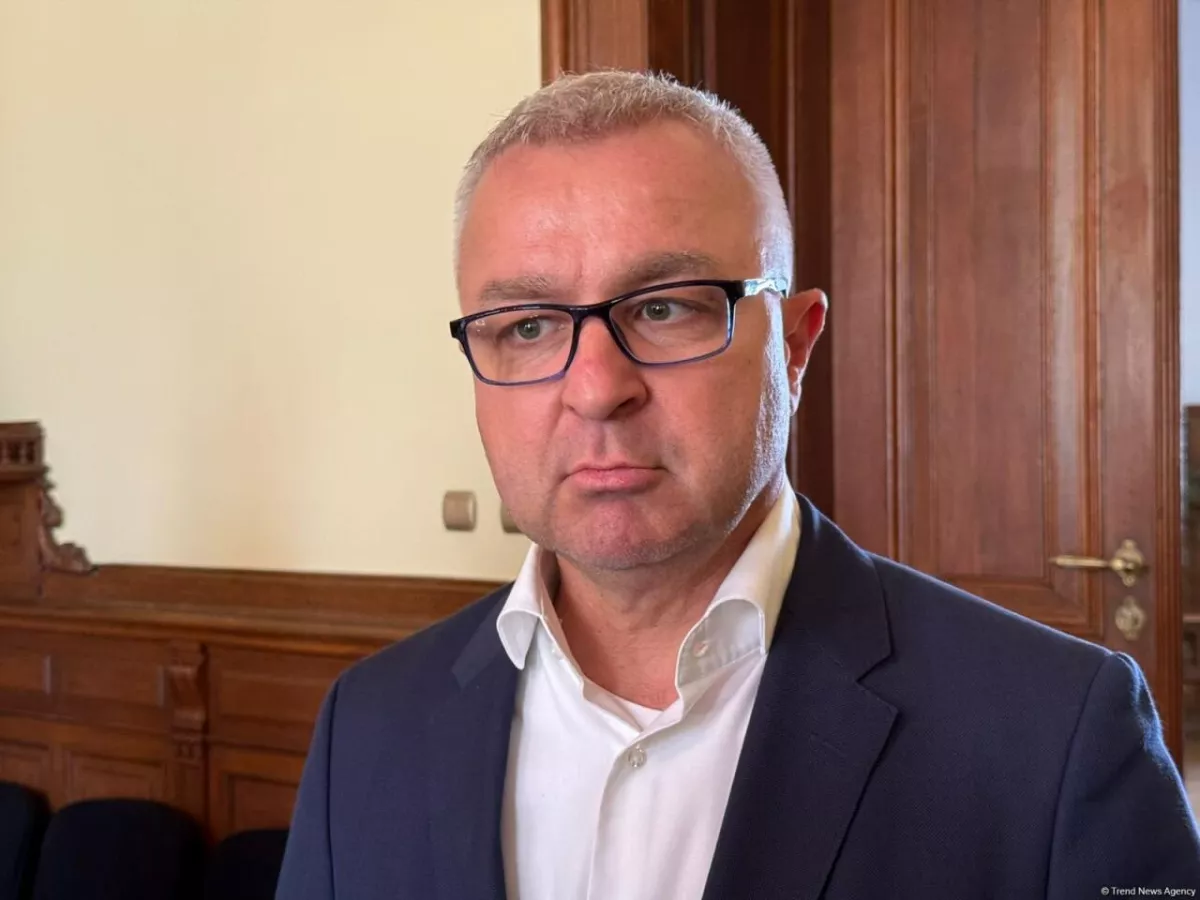
The Chief Adviser and Senior Research Fellow at the Hungarian Institute of International Affairs, Professor Laszlo Vasa, approached the issue with analytical precision, in the style of a strategic briefing note.
“Here lies the central contradiction: sovereignty versus strategic autonomy. Kaja Kallas’ statement is not a rejection of European defence, but rather a defence of functional interoperability against symbolic federalism. Her logic is rooted in realism: defence remains an unequivocally national competence within the EU. She is guided by considerations of practical efficiency: why duplicate NATO command structures, create parallel forces, and reduce operational effectiveness? For a small state such as Estonia, the NATO umbrella guaranteed by Article 5 and US strategic depth is a matter of survival. In her view, a ‘European army’ is a dangerous distraction that could fracture the Alliance.
The arguments of Albares, as well as the long-standing positions of France and Germany, stem from a different diagnosis. They reflect a perceived structural shift in US priorities — what could be described as the ‘geopolitical liquidity’ of a post-American world. The prospect of a ‘strained’ NATO, where Washington may question the reliability of its commitments, raises the question: can Europe act independently in a high-intensity conflict on its periphery? For them, a unified armed force is not a replica of NATO, but an insurance policy against its potential paralysis. It is the ultimate expression of strategic autonomy.
Kallas is right in the short term, but her vision is incomplete in the long term. She may be correct regarding duplication. The immediate priority is not to create new standing forces with EU flags on uniforms, but to fill critical capability gaps within NATO — air defence, strategic airlift, and integrated cyber command. The EU battlegroups concept failed politically due to a lack of political will to deploy them, not because of a lack of legal status. Creating new bureaucracy without solving the problem of political will is a recipe for a ‘paper tiger’.
Regarding sovereignty, such an argument appears politically naive if it ignores the direction of US foreign policy. The Trump-era shock and the pivot towards Asia are structural rather than cyclical in nature. As a result, a strictly national approach would lead to fragmentation of the continent in the face of hybrid threats. The war in Ukraine has shown that interoperability alone is not enough; coordinated and expanded defence production and procurement are also necessary.
It can be argued that Kallas and her counterparts are discussing different models of integration. Kallas advocates a model of ‘sovereign NATO primacy’, where the EU acts as a coordinator for the development of national capabilities within the Alliance. The Spanish and French vision leans towards a ‘coalition core’ model, potentially developed through a coalition of the willing within the framework of Permanent Structured Cooperation (PESCO), which could ultimately lead to a unified command structure.
Kallas’ position is only valid if US security guarantees remain absolute and unchanged. Otherwise, the refusal to develop an independent capability could be seen as a serious miscalculation.
The solution will most likely be a ‘golden middle ground’: not a unified European army in the 1950s sense, but gradually integrated forces of willing states with a permanent headquarters and autonomous expeditionary capabilities. These would act as the European pillar of NATO rather than its counterweight. The real question is no longer whether such a system is needed, but whether it can be built quickly enough to adapt to the collapse of the old world order,” Vasa concluded.







 editor@caliber.az
 +994 55 444-88-98
 Азербайджан, Баку, ул. Низами, 203, Af Business House, 5-й этаж