










Armenia’s demarche against the CSTO Can the alliance survive?
Armenia’s Foreign Intelligence Service stated in its annual report that the country’s position on freezing its membership in the Collective Security Treaty Organisation (CSTO) will remain in 2026.
“In particular, ‘unfreezing' of Armenia’s membership in the CSTO will almost certainly not happen, which we continue to assess as a challenge to the organisation’s reputation and a ‘food for thought' for other member states of the bloc,” the report says.
The 2025 report by Armenia’s Foreign Intelligence Service further states that the CSTO’s “incapacity” and “non-viability” in responding to challenges in the South Caucasus “highly likely will not change,” making it improbable that “the reasons why Armenia froze its membership will change.”
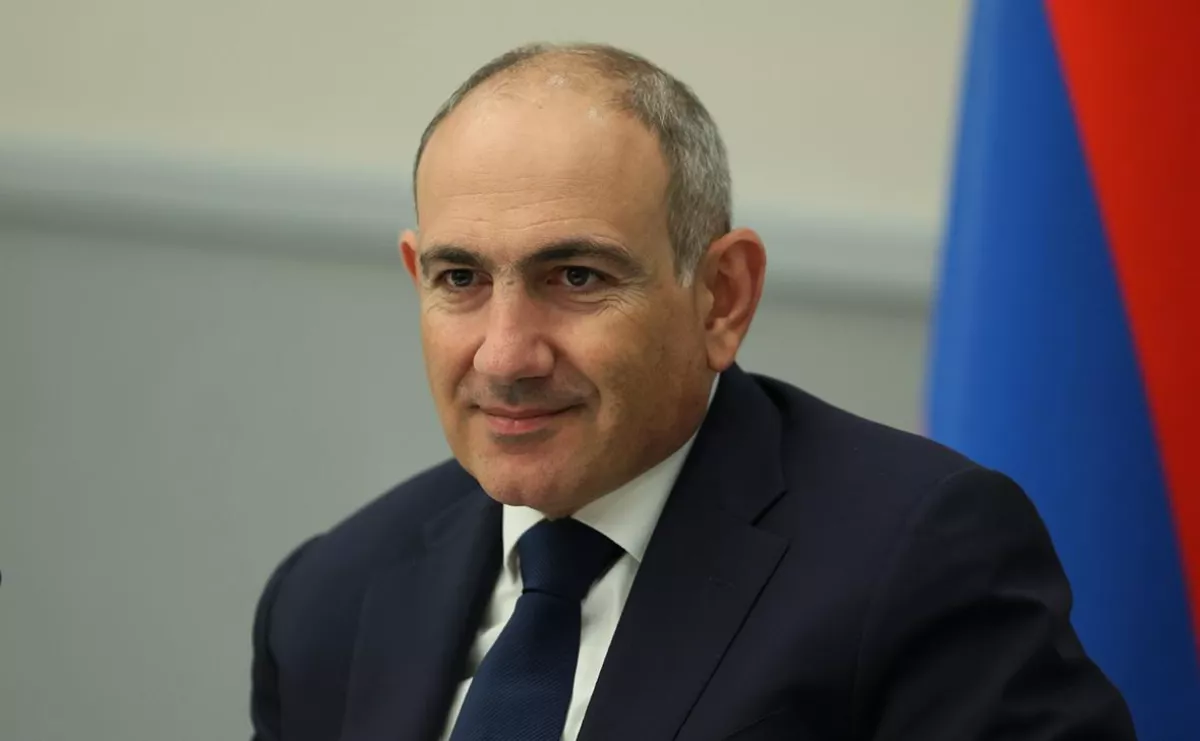
In December 2024, Armenian Prime Minister Nikol Pashinyan described relations with the CSTO as having reached a “point of no return.” At the same time, Armenia has not formally announced its withdrawal from the organisation, instead limiting itself to the statement that it is “taking a pause.”
Against this backdrop, a legitimate question arises: what lies ahead for the CSTO? Could the organisation face disintegration if Armenia were to withdraw—possibly as early as this year?
Prominent analysts from CSTO member states shared their views on this issue with Caliber.Az.
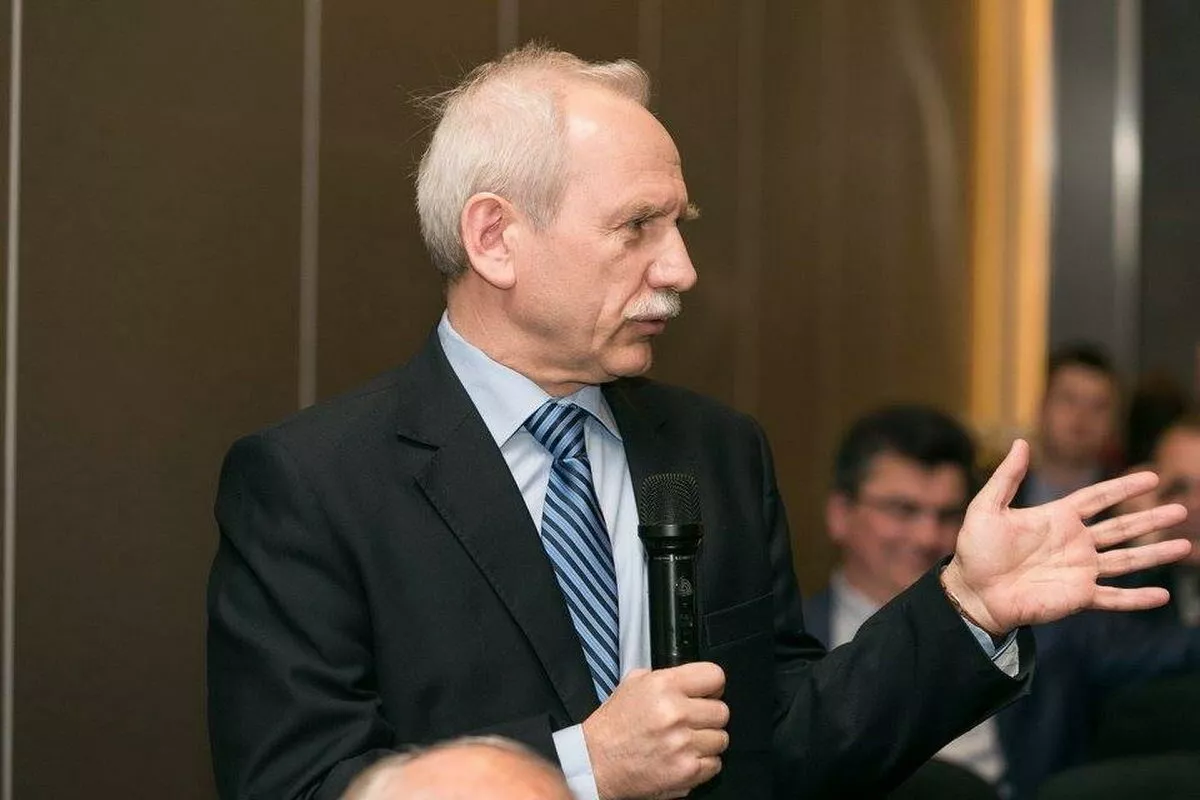
Belarusian political analyst, Candidate of Historical Sciences, and Radio Liberty political commentator Valeriy Karbalevich argues that even Armenia’s withdrawal from the CSTO would not trigger the organisation’s collapse, as it is largely sustained by demonstrations of loyalty to Russia on the part of several member states.
“The bloc has little practical significance in terms of its ability to provide genuine protection to its members against external threats. Moreover, the CSTO did not support Russia in the war against Ukraine. Nevertheless, the structure will continue to exist—much as the CIS [Commonwealth of Independent States] has continued to function to this day,” Karbalevich maintains.
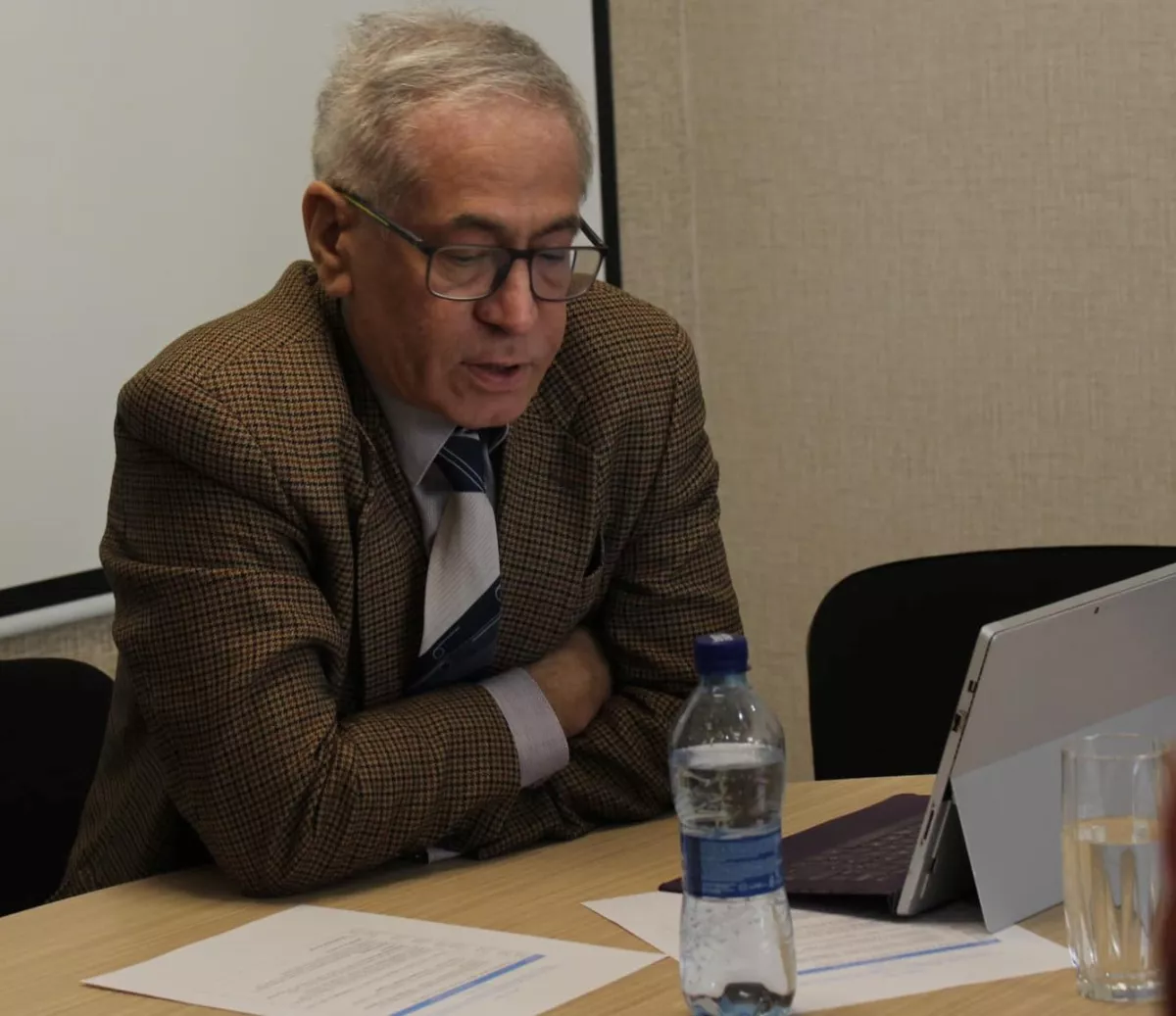
Tajik political scientist and orientalist, as well as an independent expert on socio-political issues in Central Asia, Parviz Mullojanov argues that the CSTO’s current challenges go beyond the policies of individual member states. He notes that Armenia’s “freezing” of its membership reflects a deeper internal crisis within the organisation that has been developing for quite some time.
“Two main clusters of problems stand out. First, there is a ‘crisis of vision,’ as the CSTO’s mission and purpose need to be reassessed under today’s complex geopolitical conditions. Compared to the 1990s, when this defensive alliance was established, the global geopolitical landscape has changed dramatically—and it is likely to continue evolving even more profoundly in the near future.
Accordingly, the question of which external threats should be considered a priority for the CSTO and in which areas the organisation’s efforts should be focused has now come to the forefront.
For example, the Russian Federation—the CSTO’s key member—views NATO expansion as the primary security threat, whereas Central Asian states regard Islamic radicalism as their main concern.
Furthermore, the CSTO was originally established to address external threats, yet some member states now expect it to play a more active role in preventing and resolving conflicts within the post-Soviet space. This divergence in interpreting the organisation’s mission and objectives complicates the development of a unified strategy and undermines the CSTO’s long-term stability.
Second—and perhaps most importantly—a serious crisis of trust has developed within the CSTO. Most member states harbour significant doubts about the organisation’s reliability, specifically its ability to effectively guarantee their security. This represents a fundamental challenge for the CSTO, as mutual trust and dependability are the very foundations of any defensive alliance,” the analyst observes.
He further notes that CSTO allies are likely dissatisfied with the fact that Moscow generally makes strategic security decisions without even minimal prior consultation with them.
“Russia, for instance, launched a large-scale war in Ukraine and entered into a sharp confrontation with the West without informing other CSTO members, creating a range of serious political and economic challenges for them.
Nevertheless, despite these problems, it is still premature to speak of the CSTO’s collapse. The organisation retains the resources and capacity to implement reforms and address its accumulated shortcomings. Most member states continue to affirm their commitment to the CSTO, seeing it as a key mechanism for ensuring regional security and maintaining geopolitical balance.
In all likelihood, Armenia will be the only member to withdraw in the coming years, while the other states are expected to maintain the status quo—partly to avoid straining relations with Moscow, which remains the organisation’s main actor and beneficiary. Moreover, member states still hope that ongoing negotiations will eventually lead to meaningful reforms and, most importantly, to the restoration of trust within the organisation.
In this context, Armenia’s potential withdrawal is unlikely to trigger the collapse of the CSTO, but it could deepen the existing systemic crisis, exacerbate internal tensions, and inflict a significant blow to the organisation’s reputation.
Furthermore, Yerevan’s exit could accelerate the ongoing decline of Moscow’s influence in the South Caucasus and across the post-Soviet space. This helps explain the strong reaction in Moscow to Armenia’s stance on CSTO membership, including the recent controversy sparked by remarks from Russian propagandist Vladimir Solovyov targeting Armenia and other CIS countries.
Ultimately, much will depend on the concrete decisions and actions of Moscow and its CSTO allies—particularly their ability to resolve disagreements and develop new frameworks for cooperation in an increasingly fast-changing world,” Mullojanov concluded.
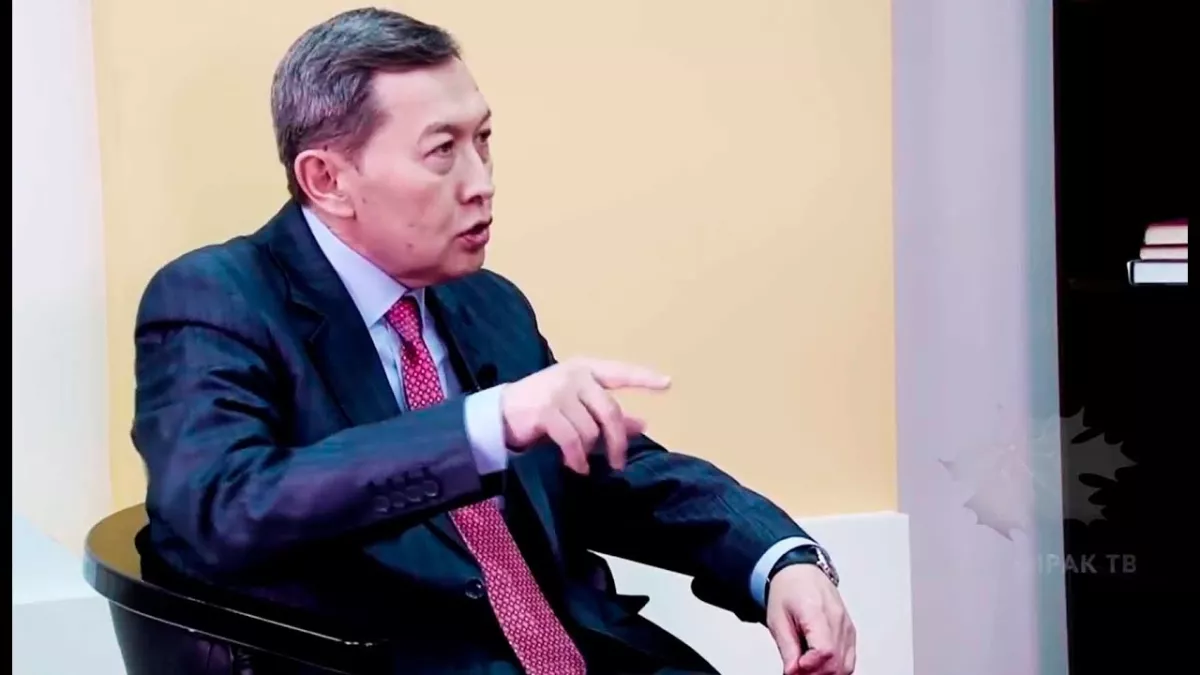
Meanwhile, political commentator, Doctor of Historical Sciences, and Professor Askar Dzhakishev (Bishkek) emphasised that statements of this nature usually come from a country’s top political leadership rather than its intelligence agencies. According to him, this distinction creates room for political manoeuvring.
“Essentially, the Armenian side has sent another signal of dissatisfaction with the CSTO’s stance—primarily aimed at Russia in the Caucasus context. Notably, this expression of discontent occurred outside the formal framework of state protocol. It appears that Armenia’s leadership is expecting significant political concessions from Moscow that would enable Yerevan to ‘unfreeze’ its CSTO membership without losing face.
Armenia’s participation in the CSTO effectively fulfils nearly all of its needs in terms of arms supply, military training, border protection, and other key aspects of national security. In fact, Armenia arguably depends on CSTO membership even more than Russia does. My conclusion is that, at this stage, the Armenian leadership requires a credible pretext to fully reintegrate into the CSTO, as the current ‘suspended’ status does not serve the interests of the country or its armed forces,” the professor explained.
Dzhakishev further noted that, when assessing the CSTO’s future as a military-political organisation, recent provocations by television host and decorated blogger Vladimir Solovyov have sown serious doubts among Central Asian states regarding the reliability of the alliance—concerns that have already shaped corresponding assessments in the region.







 editor@caliber.az
 +994 55 444-88-98
 Азербайджан, Баку, ул. Низами, 203, Af Business House, 5-й этаж