










Azerbaijan — 2025: Strengthening sovereignty and international standing Year-end review with Teymur Atayev
The year 2025—the Year of the Constitution and Sovereignty—is coming to a close. In my subjective view, it is already possible to sum up certain results of these almost 365 days for Azerbaijan. Of course, with one week remaining until the new calendar year, significant events may still occur. However, even now, several preceding developments undoubtedly remain crucial for our country. Let us, therefore, trace the decisive moments month by month.
We begin with the 12th Global Baku Forum in March, whose theme speaks for itself: “Rethinking World Order: Turning Challenges into Opportunities.” The forum took place after the completely unpromising January 2025 Davos Forum and the February Munich Security Conference. During the event, the President of Azerbaijan, Ilham Aliyev, emphasised that in the coming years, Azerbaijan’s renewable energy capacity will match its electricity generation from fossil fuels.
Alongside addressing other important issues, the head of state stated that “we cannot and we will not forget the years of occupation and the suffering of the Azerbaijani people, which was caused by Armenian occupation and aggression,” while stressing the need to look toward the future and the importance of peace in the South Caucasus. In this context, Baku became the initiator of a peace process, proposing a peace agreement being discussed between Azerbaijan and Armenia. (President Aliyev’s statement later developed further in August 2025, as we will discuss below.)
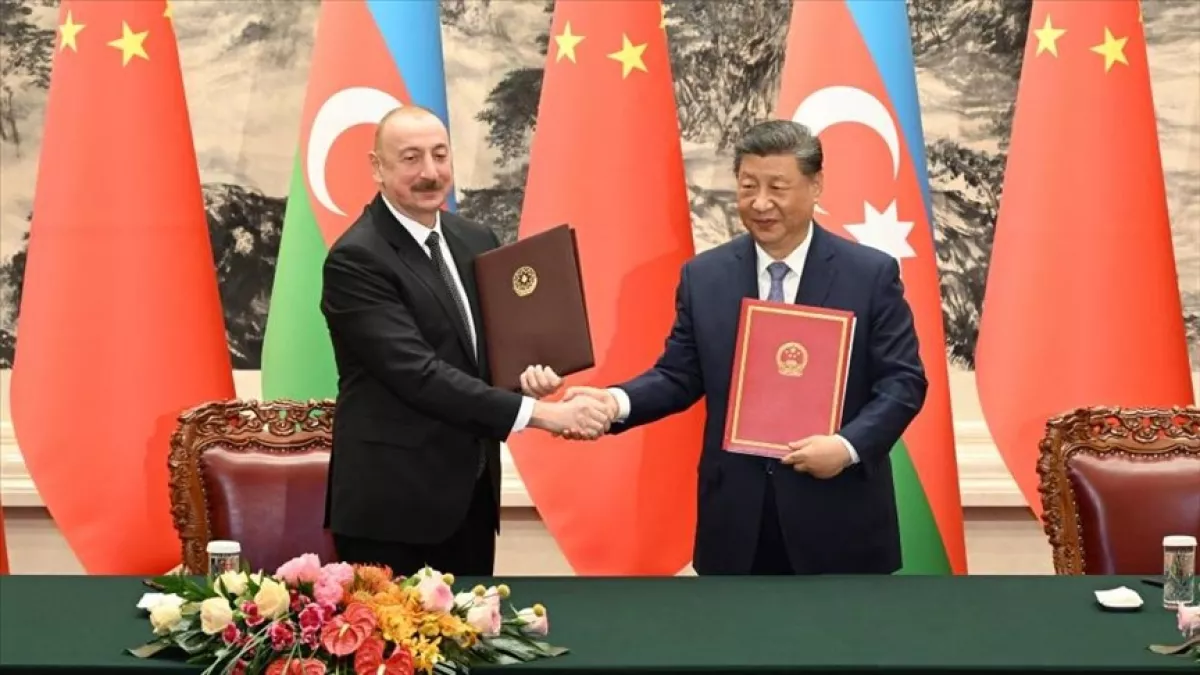
April was marked by the establishment of a comprehensive strategic partnership between Baku and Beijing. The signed Declaration, which recognised Azerbaijan and China as priority, reliable, and mutually beneficial strategic partners, confirmed both sides’ readiness to steadily strengthen political trust, enhance mutual support, and develop comprehensive cooperation for the benefit of the peoples of both countries.
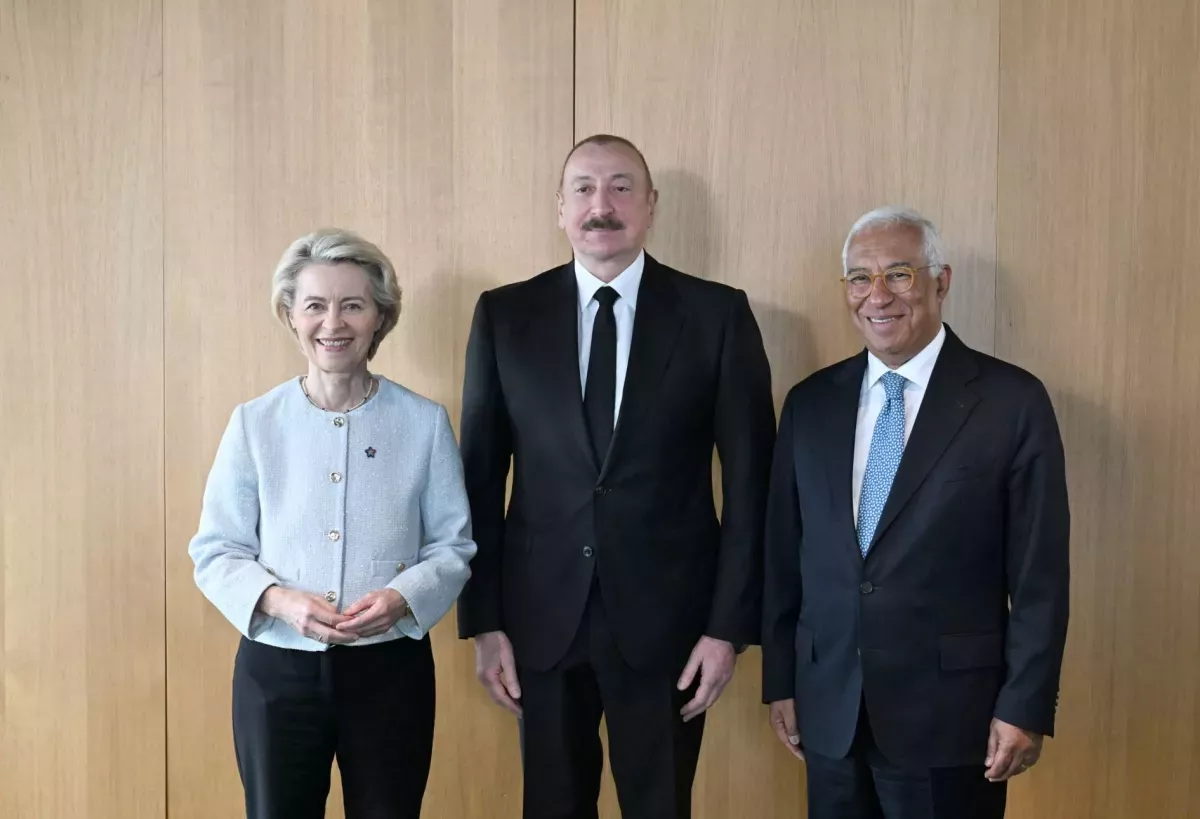
In May, during the 6th Summit of the European Political Community in Tirana, European Council President António Costa and European Commission President Ursula von der Leyen met with President Ilham Aliyev and described Baku as an important and reliable partner, crucial to Europe’s energy stability. During the discussions, Baku’s role in developing the Middle Corridor was particularly emphasised.
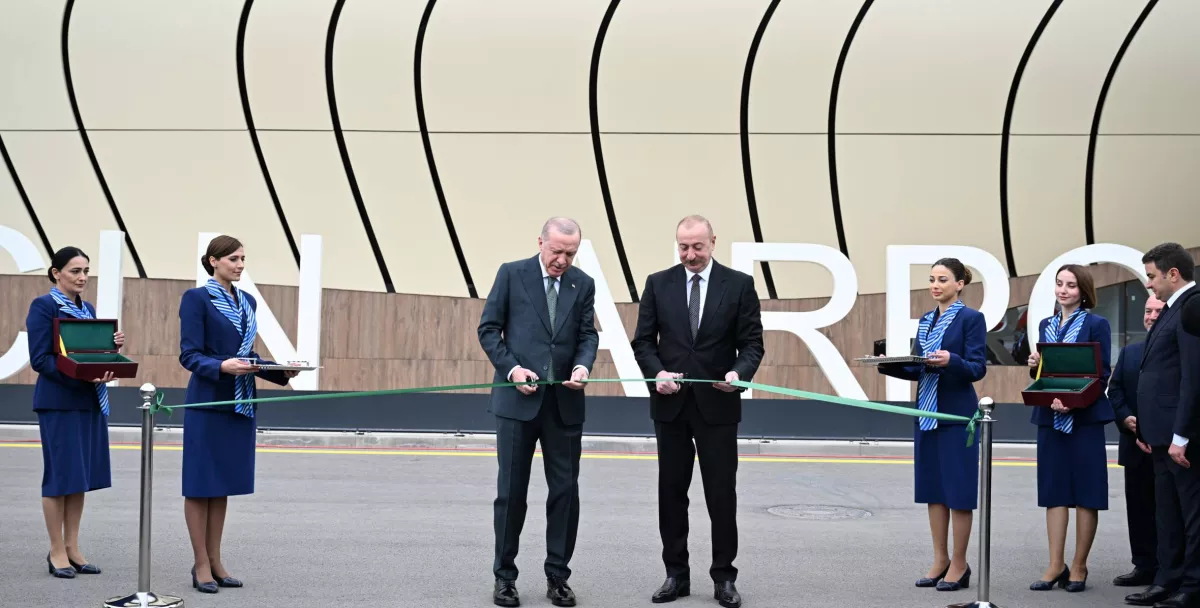
The eventful month of May was also marked by a significant date for the Azerbaijani people—National Independence Day on 28 May. On this day, an international airport was inaugurated in Lachin, becoming the third airport in the regions liberated from occupation. The occasion was further highlighted by the second trilateral summit of the leaders of Azerbaijan, Türkiye (President Recep Tayyip Erdoğan), and Pakistan (Prime Minister Muhammad Shehbaz Sharif), held as part of the celebratory ceremonies. The message of peace was conveyed through the Azerbaijani president’s affirmation of the unity of the three countries and their peoples, which, in his words, had created “entirely new realities on a global scale.”
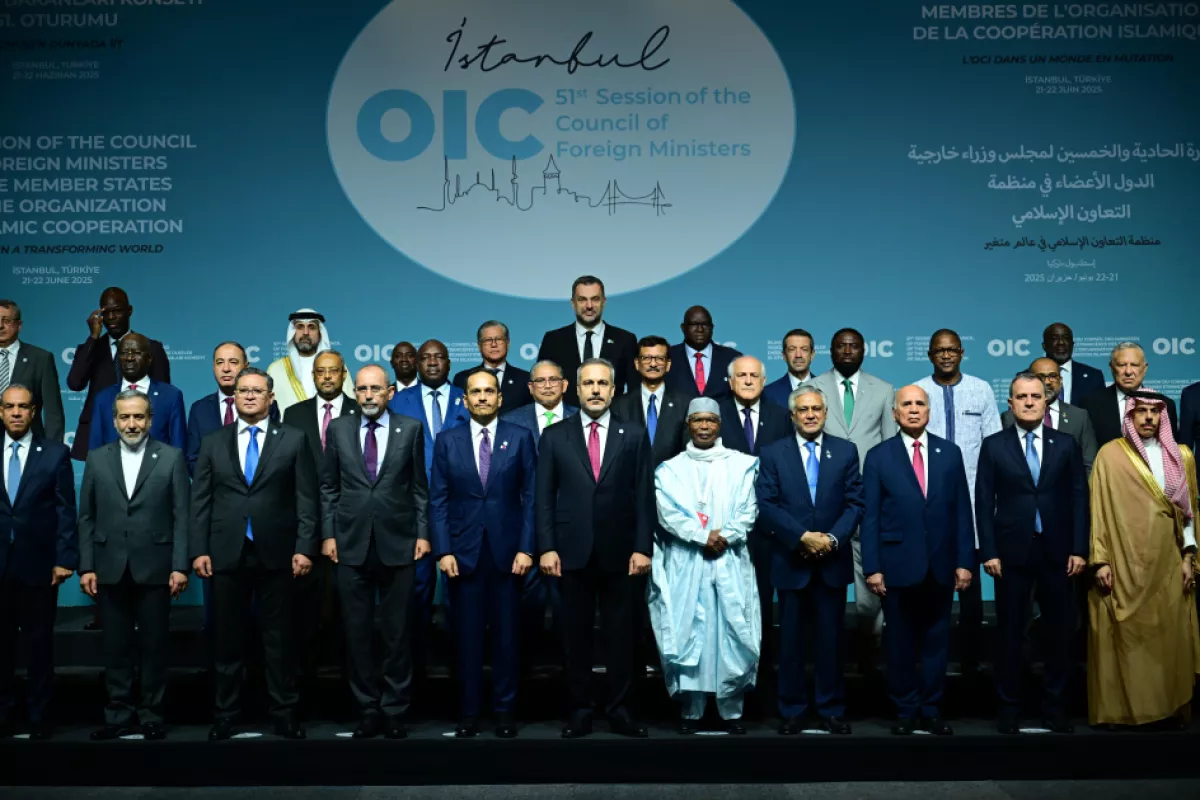
The June 51st session of the Organisation of Islamic Cooperation (OIC) Council of Foreign Ministers, held in Istanbul, adopted a resolution titled “The Right of Return of the Azerbaijanis Forcefully and Systemically Expelled from the Territory of the Present-Day Armenia.” The Istanbul Declaration also condemned the Armenian side’s refusal to engage in dialogue with the Community of Western Azerbaijan.
In the same month, the agreement between SOCAR and the Israeli company Union Energy was finalised, under which SOCAR acquired a 10 per cent stake in the Tamar gas field—the second-largest gas project in Israel after Leviathan.
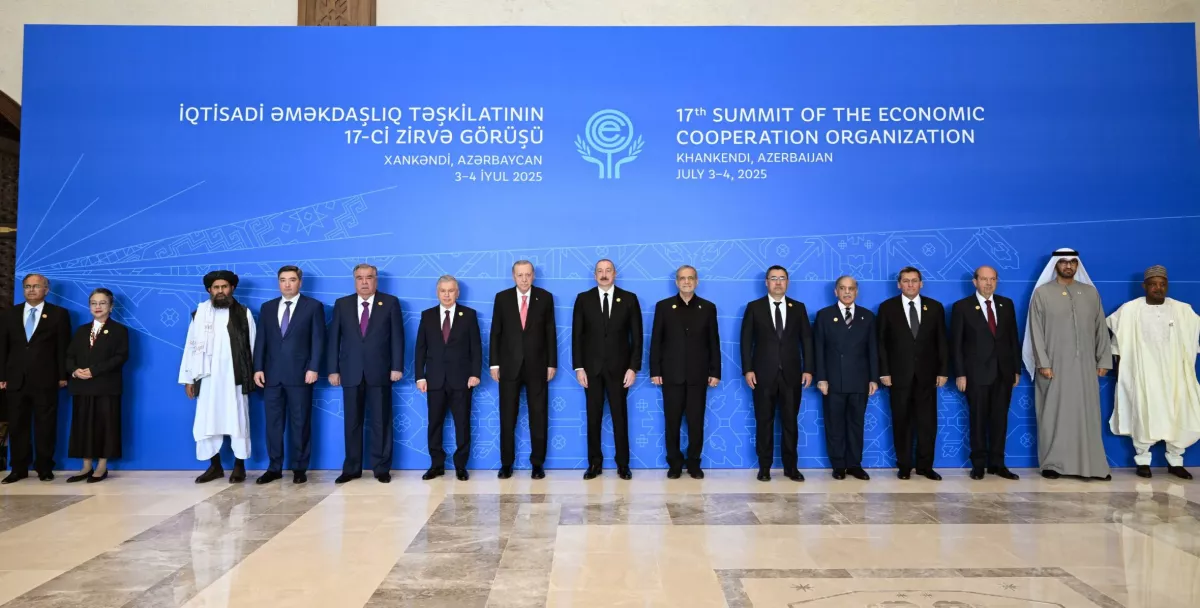
Another confirmation of Azerbaijan’s growing international authority was the 17th Summit of the Economic Cooperation Organisation (ECO), held in July in Khankendi.
Ahead of the forum, President Ilham Aliyev participated in the opening of a business centre and a congress centre in the city, laid the foundation for a railway and bus station complex, and, after inspecting progress in the Victory Park, examined the area designated for the construction of the Khankendi–Shusha cable car.
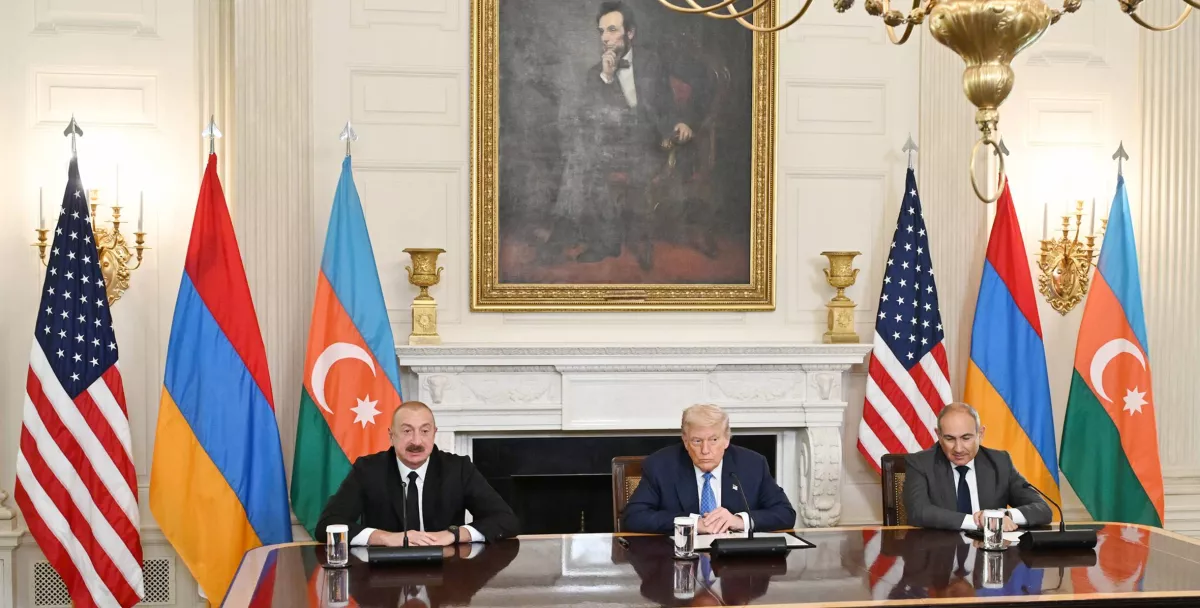
August was primarily marked by the signing in Washington of a Joint Declaration by the Presidents of Azerbaijan and the United States, Ilham Aliyev and Donald Trump, and the Prime Minister of Armenia, Nikol Pashinyan. Among other significant issues, the Declaration reaffirmed the importance of opening communications between the countries, including ensuring unhindered connections between the main part of Azerbaijan and the Nakhchivan Autonomous Republic.
Regarding the Zangezur Corridor, which President Aliyev described as part of the Middle Corridor, he noted that it will soon “serve as a vital transport link connecting the continents,” as Azerbaijan—located at the crossroads of the East–West and North–South routes—is emerging as “one of the most important transport and logistics hubs in Eurasia.” During the Washington visit, a document was also signed to establish a Strategic Working Group tasked with preparing a Charter on Strategic Partnership between the United States and Azerbaijan.
In the same month, Azerbaijan, Qatar, Syria, and Türkiye issued a joint statement announcing the start of Azerbaijani gas deliveries to Syria via Turkish territory.
In September, at the official reception for the 80th session of the United Nations General Assembly, during an impromptu dialogue initiated by Donald Trump with the Azerbaijani president, the White House host told Ilham Aliyev: “I'm very proud of you [...] You're amazing people. You're leaders at the highest level. What you're doing is amazing.”
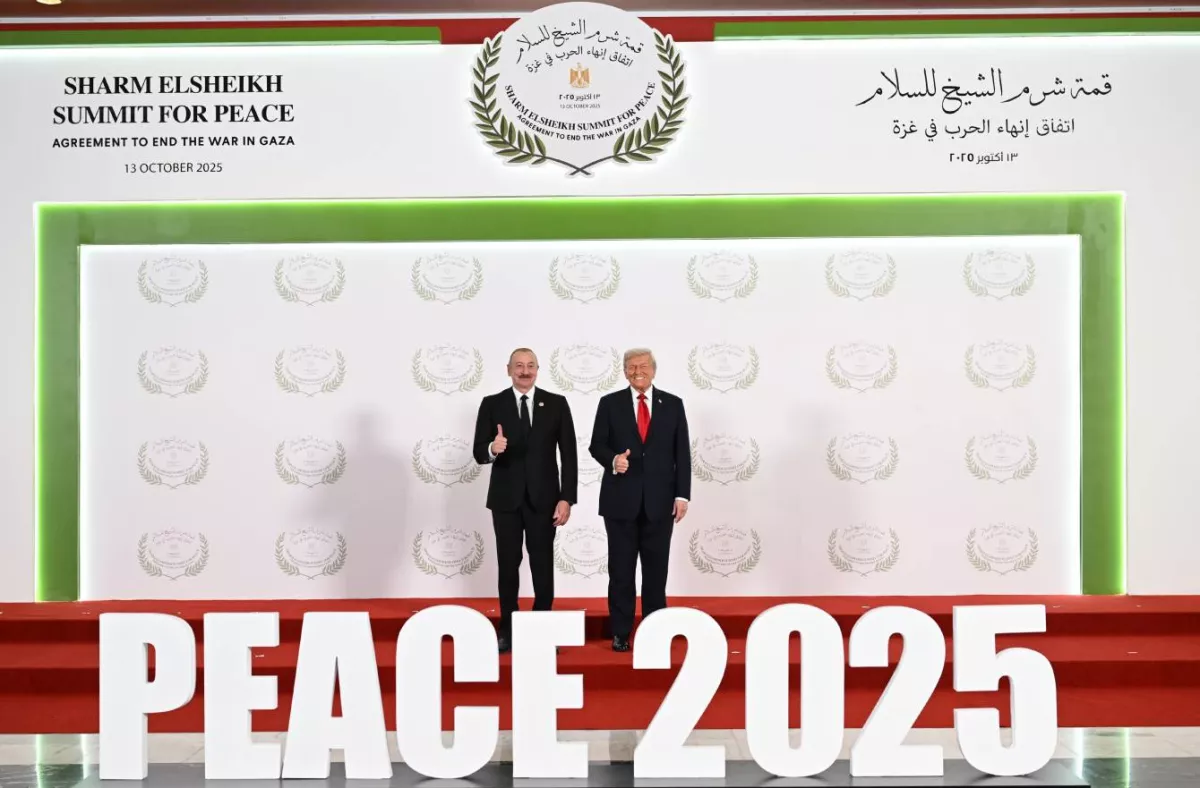
The following month, at the invitation of Donald Trump and Egyptian President Abdel Fattah el-Sisi, Ilham Aliyev participated in the Middle East Peace Summit.
October also entered history due to President Ilham Aliyev’s proposal at the 12th OTS Summit to hold joint military exercises in Azerbaijan in 2026 involving the organisation’s member states. The initiative was put forward in light of the extensive cooperation among these countries in military, defence, and security fields. As the head of state emphasised, in today’s conditions, military strength is the key factor in ensuring the independence and territorial integrity of any country.
During the same forum, a decision was made to establish the OTS+ format.
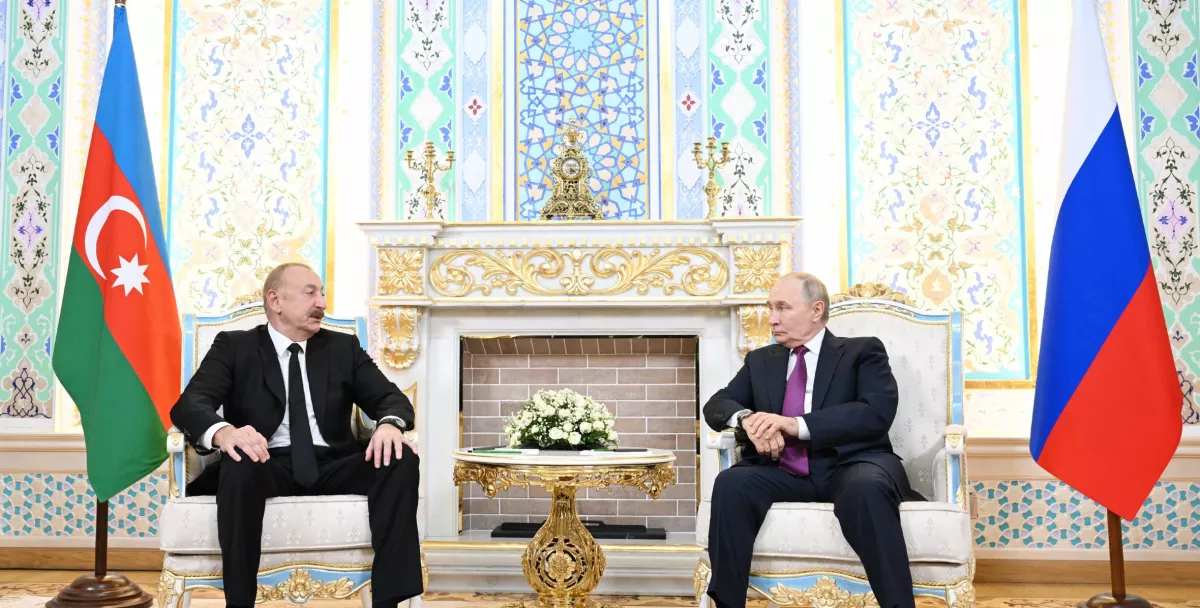
In October, the Presidents of Azerbaijan and Russia met during the CIS Council of Heads of State session in Dushanbe. Vladimir Putin addressed all four specific conditions set by Baku as necessary for restoring relations with Moscow following the tragic incident on December 25, 2024, when an Azerbaijan Airlines civilian aircraft was shot down over Russian airspace, resulting in the deaths of 38 people.
In particular, Putin noted: “In our first phone conversation, I not only apologised for the fact that the tragedy occurred in Russian skies, but also expressed my sincere condolences to the families of the victims.” He continued: “I would like to reiterate all of that and say that, as we agreed, we are certainly providing every possible assistance to the investigation.” He also emphasised: “Of course, the Russian side will do everything that is required in such tragic situations in terms of compensation. A legal assessment will also be given to the actions of all officials.”
What happened in Dushanbe speaks for itself.
Overall, October proved to be very productive. A presidential decree was issued to hold events in 2026 commemorating the 100th anniversary of the First Turkology Congress. In addition, during the FIFA Council meeting, it was announced that the XXV FIFA U-20 World Cup will be held simultaneously in Azerbaijan and Uzbekistan in 2027.
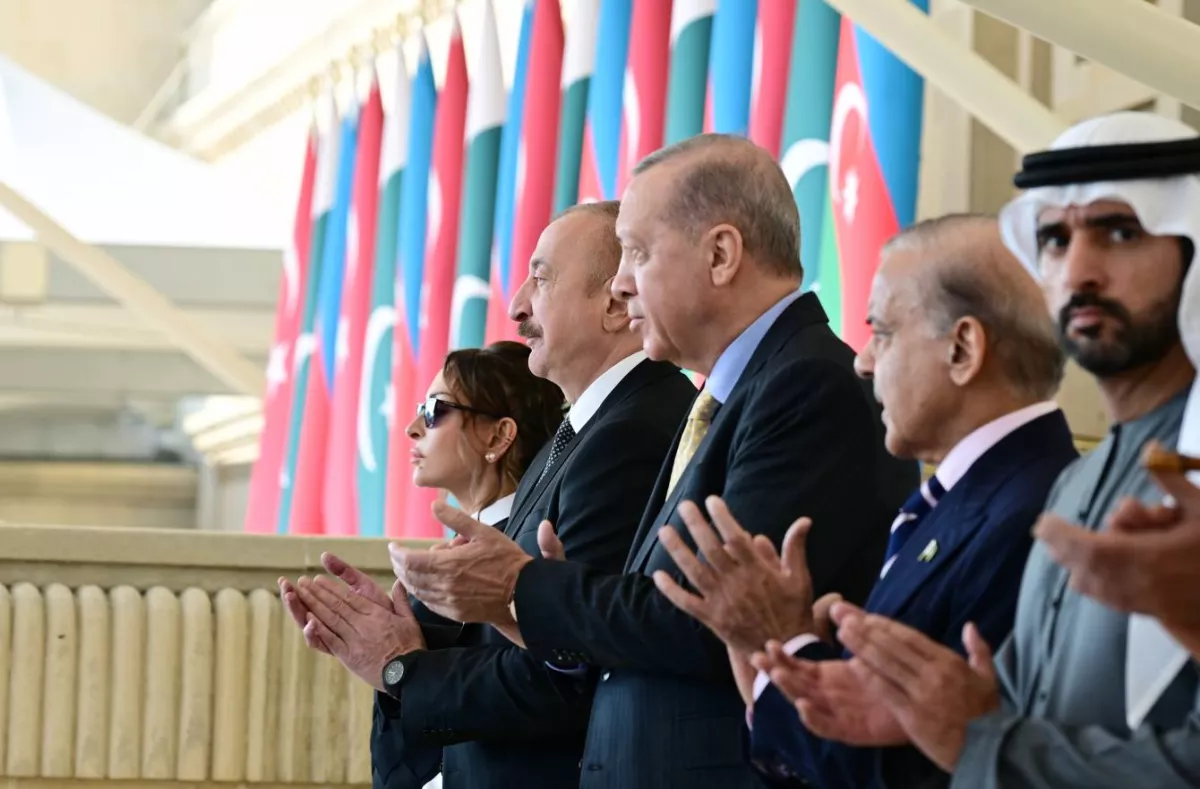
In November, Baku hosted a grand military parade marking the fifth anniversary of Victory in the Patriotic War, attended by the leaders of Azerbaijan, Türkiye, and Pakistan. In addition, servicemen of the Turkish Armed Forces and a ceremonial unit from Pakistan took part in the parade.
November’s significance was also reflected in Azerbaijan’s emergence as a full-fledged participant in the Consultative Meeting of the Heads of State of Central Asia. This development shaped a new geopolitical configuration with implications far beyond the regional level.
This December brought news that U.S. House of Representatives member Anna Paulina Luna had introduced a bill aimed at the complete repeal of the notorious Section 907 amendment, which restricts Washington’s provision of military and financial assistance to Azerbaijan.
At the same time, the first full-scale meeting of the Strategic Working Group on the development of a Charter on Strategic Partnership between Azerbaijan and the United States was held online.
The first railway shipment of AI-95 petrol produced at the Baku Oil Refinery, sent from Azerbaijan to Armenia via Georgian territory.
Another noteworthy achievement was the feature-length film Native Land (Doğma torpaq), directed by Ilgar Safat, which won two awards at the 5th Golden Horn International Film Festival in Istanbul.
Among Azerbaijan’s successes in 2025, one cannot overlook Qarabag’s historic first-ever victories in the UEFA Champions League.
Undoubtedly, the list of facts and events presented here could be expanded further: 2025 proved to be a successful year for Azerbaijan across many dimensions—above all, in terms of further strengthening the country’s international standing and image on the global stage.
With this note, we smoothly transition into 2026.







 editor@caliber.az
 +994 55 444-88-98
 Азербайджан, Баку, ул. Низами, 203, Af Business House, 5-й этаж