










Azerbaijan–US relations: yesterday, today, tomorrow Overview by Teymur Atayev
President of Azerbaijan Ilham Aliyev demonstrates remarkable skill and precision in shaping the country’s foreign policy, and he does so with transparency. In his address on the Day of Solidarity of World Azerbaijanis and the New Year, he highlighted yet another example of “the greatness of our people and the wisdom of our policy.”
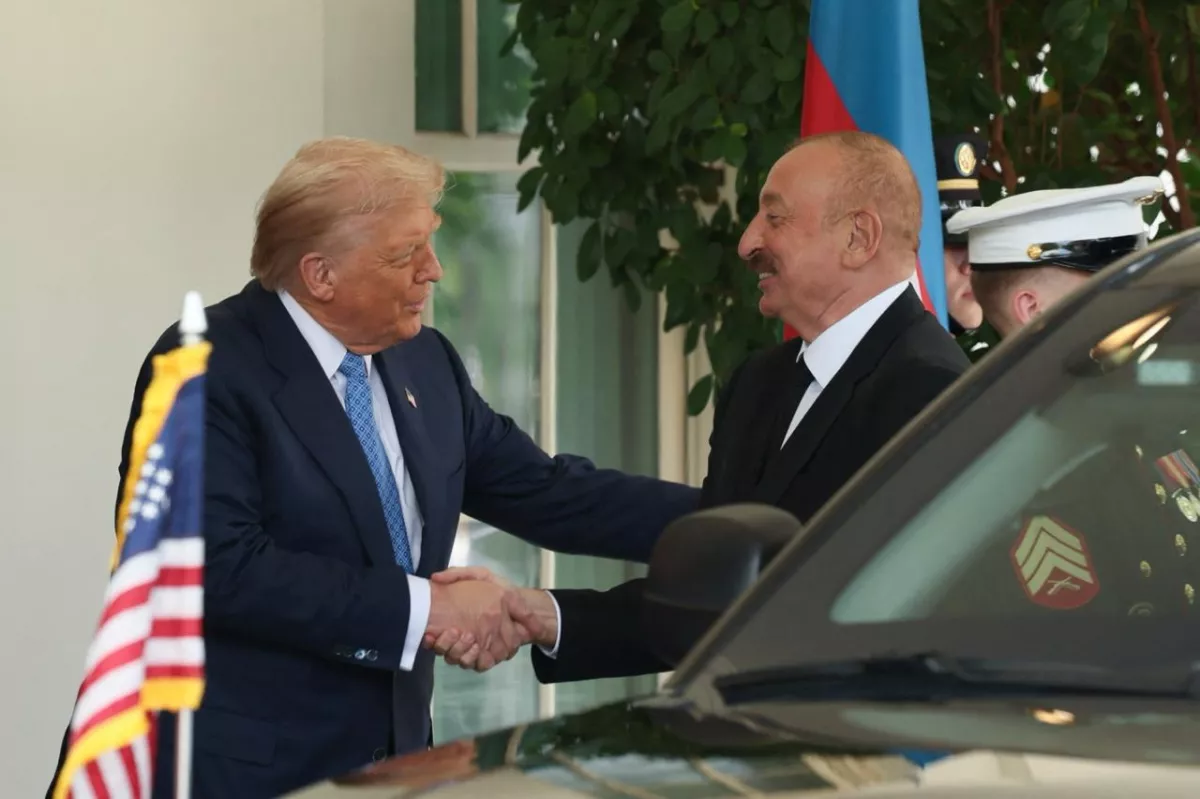
He pointed, for instance, to the signing of a peace treaty with Armenia just five years after the Patriotic War, and to the consolidation of the Great Victory “at the most authoritative stage in the world—the White House,” with the participation of US President Donald Trump.
Highlighting the global recognition of Azerbaijan’s territorial integrity, President Aliyev emphasised the country’s strengthened international standing, noting that Azerbaijan is now widely respected and sought after for cooperation by numerous international partners.
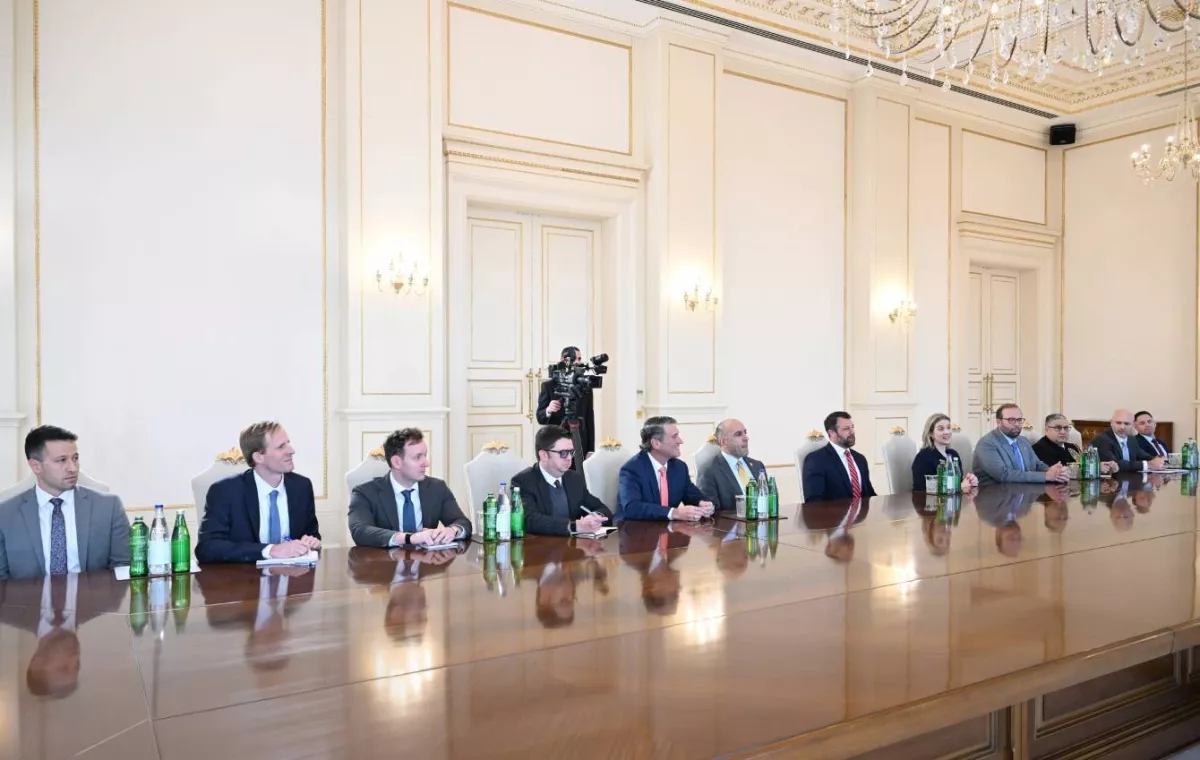
Against this backdrop, it is highly symbolic that in 2026, the first delegation received by the head of state was from none other than the United States. The composition of the delegation speaks for itself: Markwayne Mullin, a member of the U.S. Senate Armed Services Committee, Republican Senator from Oklahoma; Jason Smith, a member of the House of Representatives and Chairman of House Committee on Ways and Means, Republican from Missouri; Ronny Jackson, a member of the House of Representatives, Republican from Texas; and Jimmy Panetta, a member of the House of Representatives and House Committee on Ways and Means; Democrat from California.
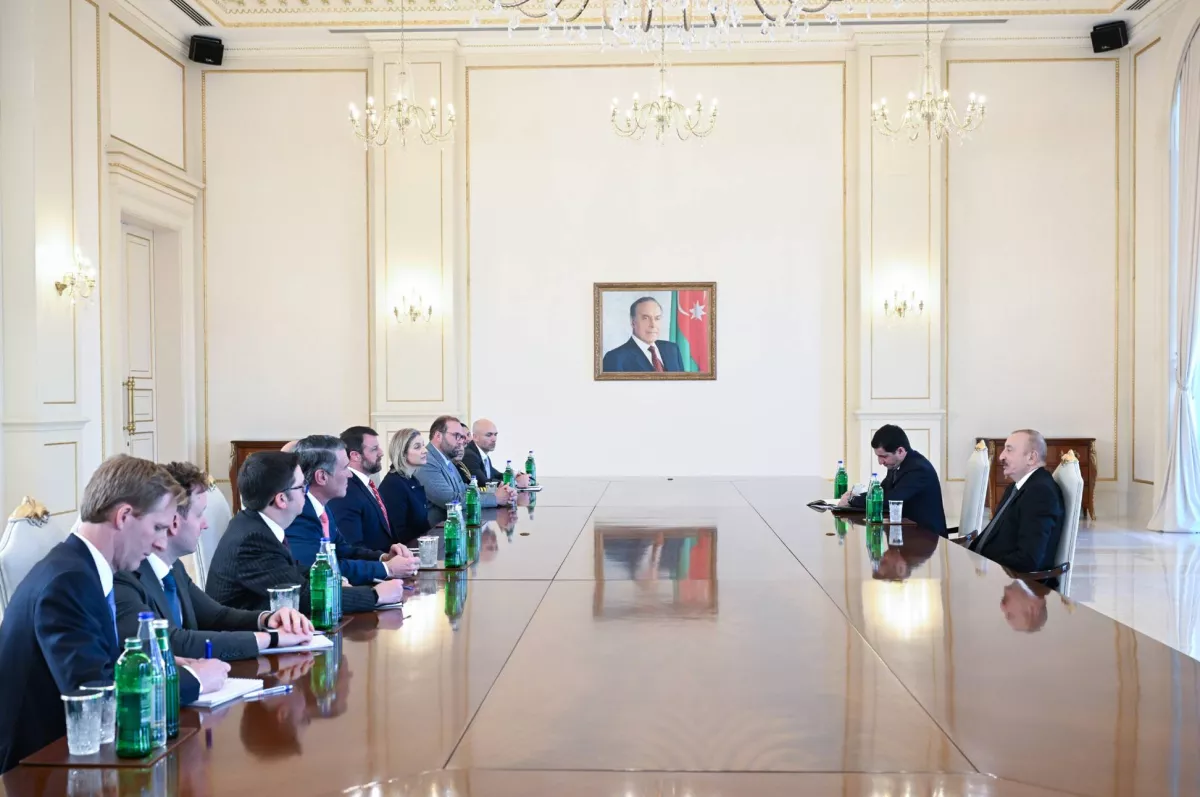
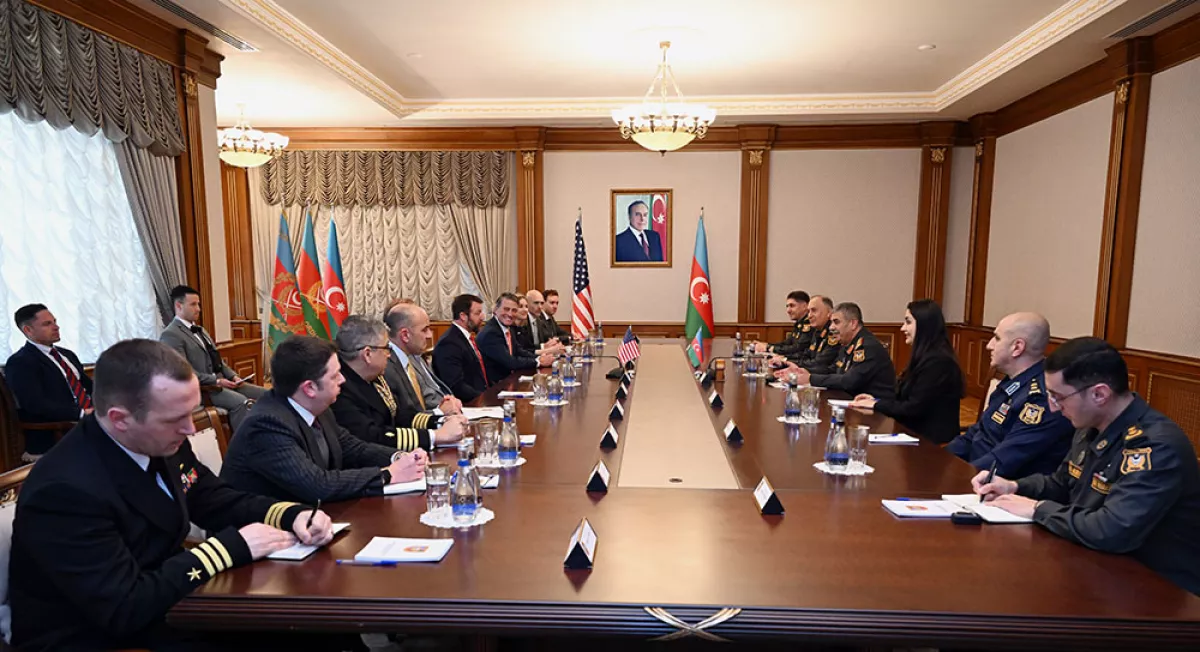
During the meeting, they discussed aspects of the Zangezur Corridor (TRIPP) in terms of regional transport connectivity, the suspension by Trump of Section 907 of the Freedom Support Act, significant opportunities for expanding political, economic, and energy cooperation, as well as collaboration in defence and the defence industry, among other areas. Against this background, the meeting between Mullin and other members of the House of Representatives with the country’s Minister of Defence, Zakir Hasanov, takes on a particularly noteworthy significance.
This visit is, of course, immensely significant in a geopolitical context. The nuance, however, lies in the fact that it is not some isolated or standalone manifestation of a new format in Azerbaijani–American relations, but rather fits into the broader trajectory of their steady development across all areas. Supporting this are a series of events that took place on this platform over the past two months, which, importantly, align with what President Aliyev highlighted in his letter to Trump a year ago—on the occasion of his inauguration as the 47th President of the United States—when he expressed confidence in the continued strengthening of bilateral relations and their acquisition of new substance.
In turn, in his congratulatory letter to President Aliyev on the occasion of the Novruz holiday, the White House leader, expressing hope for mutual steps toward great achievements, emphasised the ongoing cooperation in light of Baku’s and Washington’s shared pursuit of success. Let us also recall Trump’s characterisations of our president as a “great” and “wonderful” man.
Therefore, the events of the past two months did not come as a surprise, especially in light of the major conference held in Washington in October 2025 on “The US in the South Caucasus: Mapping New Strategic Opportunities,” organised by the Hudson Institute. The forum, which focused on the August Washington agreements and regional processes, brought together leading American experts and officials, including Michael Doran, Director of the Center for Peace and Security in the Middle East at the Hudson Institute, and Azerbaijan’s Ambassador to the United States, Khazar Ibrahim. They concentrated, among other things, on Washington’s strategic approach to Baku, examining the role of bilateral relations in ensuring security, communications, and the development of the “Middle Corridor” initiative.
In November 2025, an Azerbaijani parliamentary and expert delegation visited the United States, holding meetings at the US State Department, with members of both chambers of Congress, representatives of think tanks, and at the Azerbaijan–American Chamber of Commerce.
Almost simultaneously, in Baku, the first Azerbaijan–US Think Tanks Forum was held under the organisation of the Center of Analysis of International Relations (AIR Center), with the agenda “Shared Perspectives: Azerbaijan–US Dialogue for Strategic Partnership.” During the forum, John Herbst, Director of the Atlantic Council's Eurasia Center, highlighted the close cooperation between Washington, Baku, and Central Asian countries in various formats.
On December 9, House Representative Anna Paulina Luna introduced a bill aimed at repealing Section 907 and lifting legislative restrictions on direct aid to Baku.
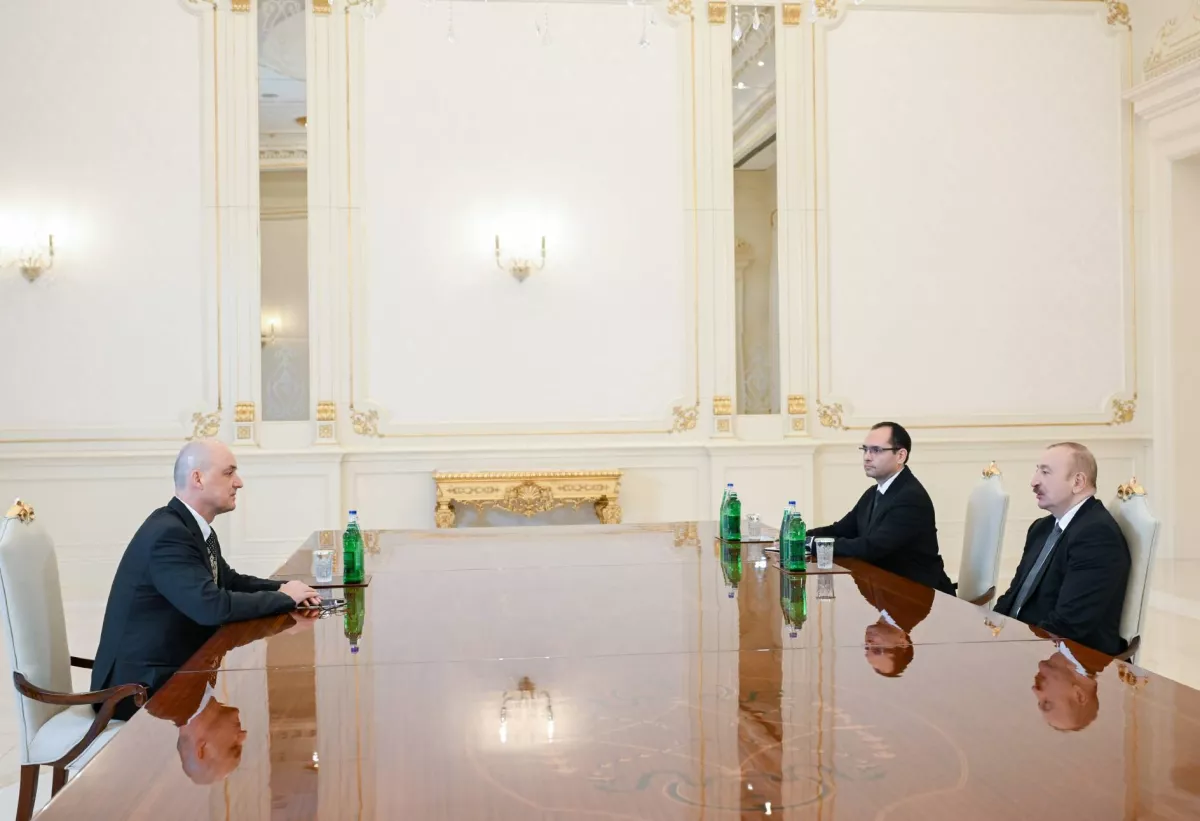
The following day, President Ilham Aliyev received Csaba Lejko, President for CIS and Central Asia at John Deere, who briefed him on a US-initiated project related to Azerbaijan’s cotton industry. They also exchanged views on the creation of an educational and training centre, irrigation, logistics, and other related matters.
On the same day, under the framework of the Ministry of Digital Development and Transport of Azerbaijan and the US Department of Commerce, discussions were held not only highlighting the favourable investment climate in Azerbaijan, but also exploring opportunities for cooperation in digitalisation, artificial intelligence, and cybersecurity.
On December 13, Azerbaijani Minister of Energy Parviz Shahbazov met with the US Secretary of Energy and other senior American officials to discuss advancing energy cooperation between the two countries to a qualitatively new level. Topics included oil and gas projects, electricity export and transit routes, the TRIPP initiative, and other interconnector projects, as well as the preparation of a comprehensive Energy Cooperation Roadmap.
On December 19, the first online meeting of the Strategic Working Group on drafting the Baku–Washington Strategic Partnership Charter was held. Following the meeting, the US Embassy in Azerbaijan expressed its readiness to continue close cooperation with Azerbaijan as a valued strategic partner, aimed at promoting peace, prosperity, and the realisation of the South Caucasus’ economic potential.
On December 26, Azerbaijan’s Foreign Minister Jeyhun Bayramov described the period of Joe Biden’s administration as a lost opportunity in relations with Baku. It is highly telling that, on the so-called “Presidential Walk of Fame” in the White House—a display installed during an eventful December with portraits of all Oval Office occupants—a plaque dedicated to Trump’s predecessor reads that “Sleepy Joe Biden was, by far, the worst President in American History,” which hardly requires further comment.
A day later, the text of a bill to lift restrictions on aid to Azerbaijan was published on the official website of the US Congress.
It is also worth noting that the recently released new US National Security Strategy highlights the South Caucasus in the context of the peace agreement between Azerbaijan and Armenia, brokered with Trump’s involvement. This underscores the region’s prospects and reflects Washington’s genuine interest in it.
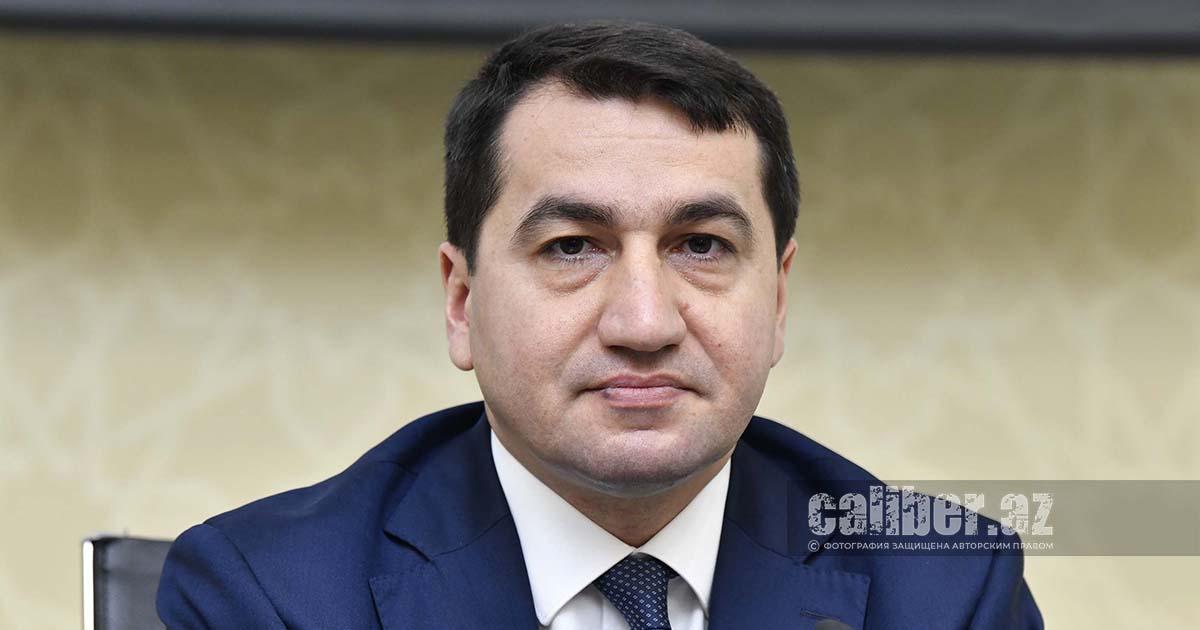
This year, in the context of Azerbaijani–American relations, began with an interview for The Washington Times by Hikmet Hajiyev, Head of the Foreign Policy Department of the Presidential Administration, who noted the White House’s strong commitment to Azerbaijan’s peaceful agenda. At the same time, he regretted the introduction by some circles in the US Congress of “completely unnecessary and divisive legislative acts.”
Following this, the President of Azerbaijan received a high-level American delegation.
At the beginning of this article, we highlighted President Ilham Aliyev’s meticulous approach to shaping the country’s foreign policy. We want to conclude with a recognition of the President’s accurate forecasts. Last spring, he noted as a positive development the end of the anti-Azerbaijani trend in American policy, emphasising the presence of bilateral contacts at various levels and the formation of a productive and mutually acceptable action programme. On this basis, the country’s leader confidently stated that, considering the Trump administration’s agenda, it could be foreseen that the current period in bilateral relations “would be a very good opportunity to strengthen our partnership.”
This is precisely what is being confirmed at the present historic stage.







 editor@caliber.az
 +994 55 444-88-98
 Азербайджан, Баку, ул. Низами, 203, Af Business House, 5-й этаж