










Belarus: Washington talks, Brussels stays silent From sanctions to dialogue
The further Minsk and Washington advance in normalising bilateral relations, the louder and more confident the voices supporting dialogue with Belarus will become in European capitals as well.
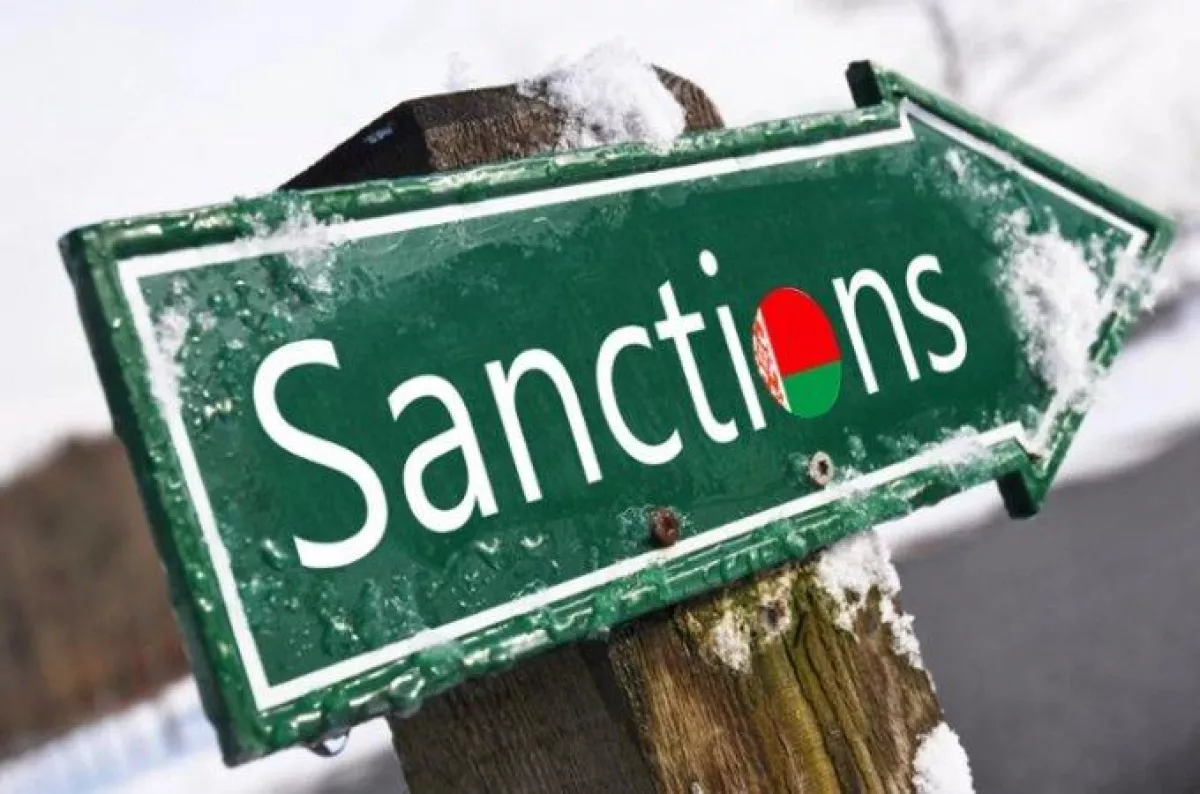
On November 26, Reuters reported that Belarus and the United States are discussing new steps toward each other within the framework of a dialogue that some time ago already led to the lifting of U.S. sanctions on the Belarusian national airline, Belavia. Just two days later, on November 28, several media outlets reported that the European Union is preparing a new package of sanctions against Belarus. This stark contrast in approaches between Washington and European capitals toward Minsk provides a clear illustration of what has characterised Belarus–Western relations throughout this year.
Shift in the US approach
The current crisis in Belarus–Western relations has been ongoing for more than five years. It began after the 2020 presidential elections in Belarus, the results of which the West refused to recognise. Just a few months after those elections, Minsk faced a series of sanctions imposed one after another. Initially, these were justified by the outcomes and consequences of the 2020 electoral campaign, and later by other reasons: the forced landing of a Ryanair plane in Minsk, the surge of illegal migrants at the Belarus–EU borders, and the Russia–Ukraine war.
Today, there are so many Western sanctions against Belarus that it is almost impossible not to get confused. Even specialists often struggle to understand exactly what and whom the existing sanctions prohibit, and which areas of economic cooperation remain legally permissible.
Since 2020, Western countries have applied sanctions and political-diplomatic pressure on Minsk as a united front. The United States and the European Union made their own decisions, which were not always coordinated. However, overall, their policy toward Belarus was based on the same approach: applying maximum pressure to force Minsk to change its behaviour in domestic and, to some extent, foreign policy. This approach was hardly ever questioned in the West. On the contrary, voices constantly insisted that the pressure should be increased continuously. The argument was that if the sanctions were not producing the desired result, it was only because they were not large-scale or painful enough for the Belarusian economy and society.
By the end of 2024, among a small circle of American diplomats dealing with Belarus, some cautious new ideas began to emerge. They boiled down to a simple question: if, after four years of maximum-pressure policies, Minsk has still refused to take any steps demanded by the West, perhaps it is time to try qualitatively different approaches?
The alternative to sanctions, political pressure, and diplomatic isolation is essentially one: dialogue. That is why, even during the democratic administration of Joseph Biden, Washington began discussing the possibility of thawing communications with official Minsk and attempting to start a substantive conversation with the Belarusian authorities.
The Belarusian leadership, for its part, did not hide its interest in resuming communication with the U.S. Moreover, Minsk has always insisted that the only way to address the issues troubling the West is through a mutually respectful and open dialogue. Therefore, the new impulses coming from Washington naturally received a positive response in Belarus. However, Minsk had little reason to engage in serious talks with the U.S. in the final months of the departing Biden administration—that is, before the formal change of administration in the White House.
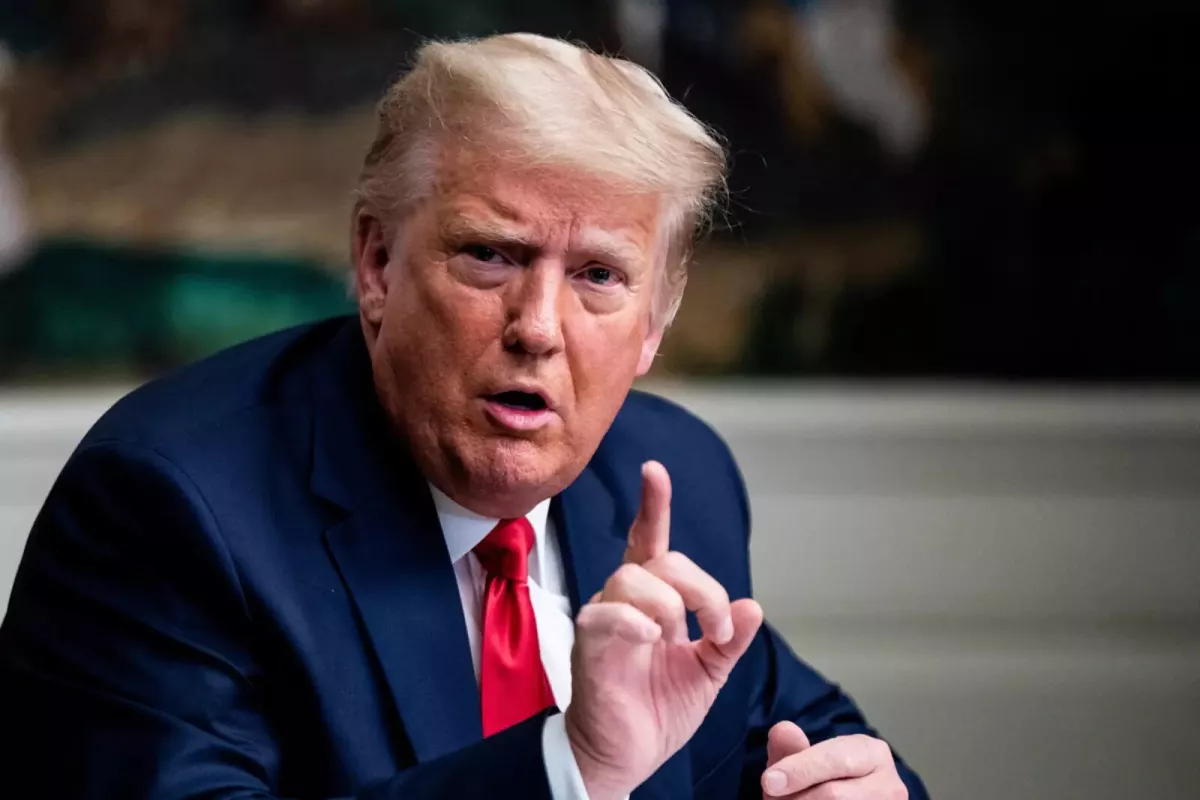
The Belarus–U.S. dialogue began to develop actively almost immediately after Donald Trump’s inauguration as the 47th President of the United States, and it quickly started to produce practical results. In particular, as gestures of goodwill and following several rounds of negotiations, the Belarusian authorities, at the request of their American counterparts, released a number of prisoners. These decisions helped create a constructive negotiating atmosphere and a basic level of trust between the parties. They also resonated well with certain key aspects of U.S. policy following Donald Trump’s return to the presidency.
Thanks to these early achievements, the new U.S. administration’s interest in dialogue with Minsk grew even stronger. This interest should not be overestimated, however, as the U.S. generally pays limited attention to Belarus. Few in Washington see this Eastern European country as a potentially key partner in the region. At the same time, underestimating the emerging interest would also be a mistake—especially considering that the main topic of the Belarus–U.S. dialogue over these months has been the regional situation, primarily the war in Ukraine.
In this regional context, the Trump administration views Minsk—and President Alexander Lukashenko personally—as one of the key and best-informed actors. This is why, for example, on August 15, the U.S. President initiated a phone call with his Belarusian counterpart while en route to Anchorage for a meeting with Vladimir Putin.
As part of the emerging dialogue, Washington initially refrained from further increasing sanctions and political pressure on Minsk. Then, in response to Belarus’s positive steps, the U.S. began considering the possibility of a gradual lifting of sanctions. For instance, the Belarusian national airline, Belavia, was removed from U.S. sanctions. Initially, in the summer, there was a partial easing of restrictions on Belavia, and in early November, the full removal of the company from sanctions was announced.
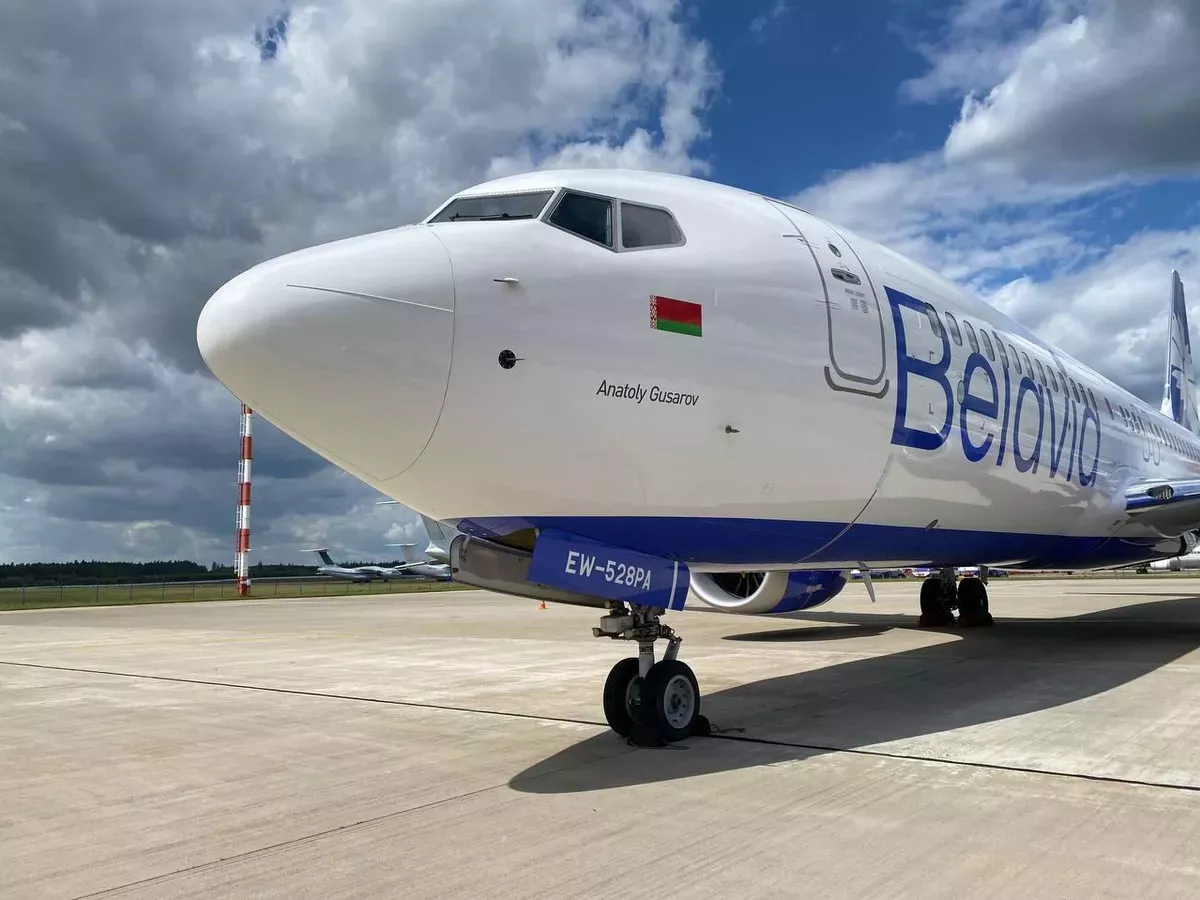
As Reuters now reports, Minsk and Washington continue to operate within a dialogue framework, discussing new steps toward each other. Naturally, this process is neither as simple nor as rapid as many in Belarus and the U.S. would like. It involves various challenges, some of which go beyond the bilateral track. Nevertheless, the fundamentally important points are the very existence of progress in this dialogue and the willingness of authorities in both countries to seek more systemic solutions for normalising relations.
The unchanging EU approach
The dialogue between Minsk and Washington immediately elicited a mixed reaction in the European Union. Many EU member states—especially Belarus’s immediate neighbours—and officials within Brussels institutions received it with overt negativity and irritation. Both publicly and behind closed doors, they not only criticise the Trump administration’s approach to Belarus but also make no secret of their intention, wherever possible, to hinder further progress. However, not everyone in the EU shares this view.
In some EU countries, the Belarus–U.S. dialogue is viewed with hope, as a potential pathway toward normalising relations—a course that the EU could eventually benefit from. These countries also hope that direct and productive communication between Washington and Minsk will gradually help resolve various concrete issues that exist between Belarus and the European Union.
In practice, however, the EU’s general line on Belarus continues to be shaped by the most hardline countries and officials. While the U.S. has refrained from imposing new sanctions on Minsk and has already set an example by lifting restrictions on Belavia, the prevailing approach in the EU remains the opposite: sanctions, sanctions, and nothing but sanctions.
This year alone, the EU has adopted sanctions against Belarus four times, including incorporating the country into the 18th and 19th packages of anti-Russian measures. In addition, in June, the EU effectively imposed prohibitive tariffs on Belarusian agricultural products and certain fertilisers, aimed at reducing the country’s budget revenues. Now, according to media reports, Brussels is preparing new sanctions measures.
There are, however, some nuances worth noting. They suggest that the Minsk–Washington dialogue does have certain positive externalities, at least for the internal EU debate on relations with Belarus. For example, ahead of the adoption of the 18th package of Russian sanctions in mid-July, the EU’s most hardline countries toward Minsk demanded that it include the broadest possible restrictions on Belarus as well. However, several other European capitals refused to follow these demands, arguing that if the EU were to impose such harsh new sanctions at a time when Washington is conducting an increasingly intensive and results-oriented dialogue with Minsk, it would ultimately harm the EU’s own interests.
More broadly, references to Belarus–U.S. negotiations are becoming increasingly common and natural within European political-diplomatic circles. Behind the scenes, there are more and more meetings and exchanges with representatives of official Minsk. Yet it must be emphasised once again: the EU’s general line remains unchanged. The emphasis on maximum pressure, isolation, and sanctions continues.
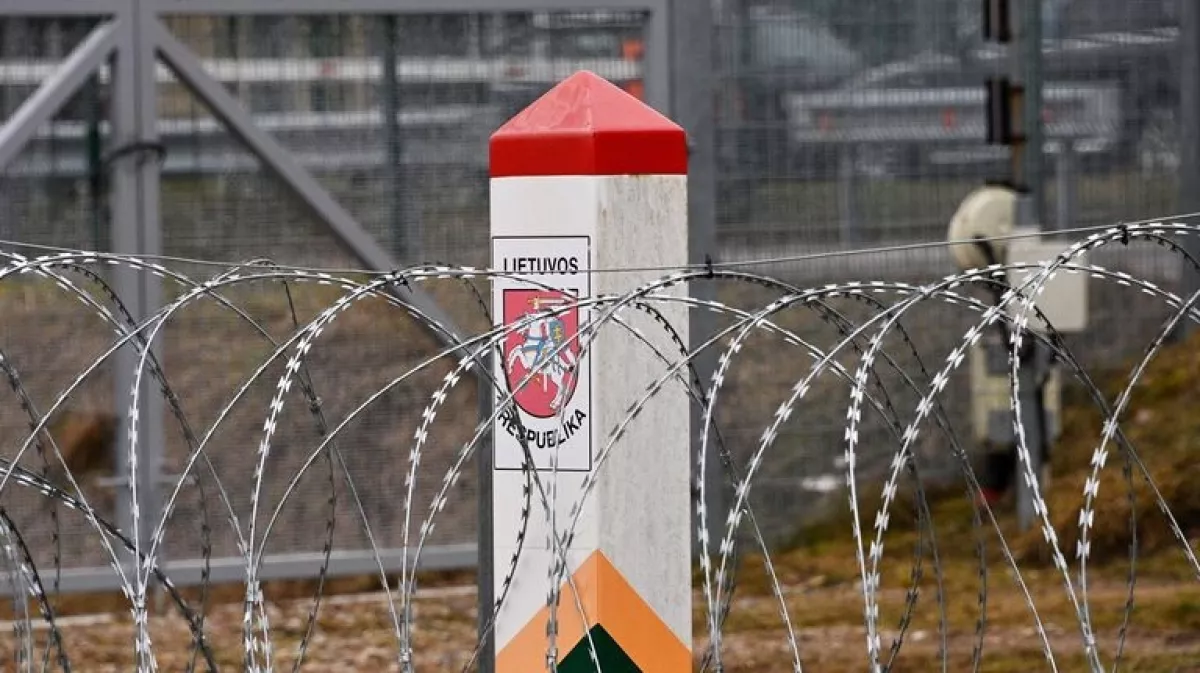
Moreover, in recent months, EU countries neighbouring Belarus have taken unprecedented measures that until recently would have seemed impossible. First Poland, and then Lithuania, completely closed their land borders. Each justified its actions with its own reasons, while obviously also pursuing motives that could not be openly acknowledged. In the end, both Warsaw and Vilnius were forced to lift the border closures, which they had imposed unilaterally, in the same unilateral manner. However, these measures not only created new dangerous precedents but also significantly escalated the situation in the short term.
Two schools of thought—or one school of madness?
The two diametrically opposed approaches that the U.S. and the EU are pursuing today are not new. They are not new to Belarus–Western relations, nor are they new in Western foreign policy more broadly. Two schools of thought have long existed on the question of how to deal with countries whose political positions do not align with Western preferences.
The first school is based on the belief—or even the slogan—that difficult partners understand only the language of force. Therefore, to compel these countries to adjust their course, sanctions must be imposed against them, along with other measures of political and diplomatic pressure. In cases (and these are the majority) when sanctions fail to achieve the desired results, proponents of this school usually respond confidently: sanctions do not fail because the conditions are unsuitable, but because they have not yet been applied in sufficient quantity. Thus, in any unclear situation (and even in clear ones), advocates of this approach always have a ready-made solution: more sanctions and pressure. In other words, only sanctions—hardcore sanctions!
The second school of thought, on the other hand, argues that the only realistic way to change a policy you find unacceptable is through dialogue and cooperation. Its proponents therefore emphasise the importance of full-fledged diplomacy, which exists precisely because different states need to resolve numerous complex issues on a daily basis in order to live peacefully and productively on the same planet. Diplomacy, above all, is communication in various forms and formats. And the more such communication there is—the more channels of interaction between countries—the better the outcomes usually are.
Any school of thought, any theory, remains relevant only to the extent that its assumptions and expectations are confirmed in practice. The practice of Belarus–Western relations clearly shows that the West’s sanctions policy has never produced any positive results—neither for the West itself nor for bilateral relations. Neither in the short term, nor strategically. This was true in previous crises between Minsk and Western capitals, and it predictably remains the case today.
In this sense, the U.S.’s new approach to Belarus is also predictable. Sooner or later, voices in its support were bound to emerge. Otherwise, as Einstein famously said, it would be madness: to do the same thing over and over again and expect a different result.
This does not mean, however, that EU countries will necessarily follow the U.S. example in the near future and begin changing their approach to Belarus. Unfortunately, relations between Minsk and European capitals—especially neighbouring ones—are burdened by an extremely complex and multifaceted puzzle of problems. Many of the most acute issues lie entirely outside the scope of bilateral relations. Consider, for example, the ongoing war in Ukraine or the disintegration of the entire European security system. On the one hand, these factors should push all reasonable policymakers to recognise the critical importance of dialogue and diplomacy. On the other hand, they contain numerous hidden pitfalls and competing interests, creating heightened unpredictability.
Therefore, expectations for a rapid de-escalation and normalisation of relations between Belarus and the EU—or even between Belarus and the U.S.—should be tempered. Even if both countries wish to move relations out of a crisis state, they will need to find ways to overcome dozens of genuinely difficult obstacles. Nevertheless, one conclusion is clear: the further Minsk and Washington advance in normalising bilateral relations, the louder and more confident the voices supporting dialogue with Belarus will become in European countries as well.







 editor@caliber.az
 +994 55 444-88-98
 Азербайджан, Баку, ул. Низами, 203, Af Business House, 5-й этаж