










Economic shield and strategic depth Why Pakistan matters in Abu Dhabi’s new geopolitics
On December 26, 2025, President of the United Arab Emirates (UAE) Sheikh Mohamed bin Zayed Al Nahyan arrived in Islamabad on his first official visit as head of state. The visit took place at the invitation of Pakistan’s Prime Minister Muhammad Shehbaz Sharif and was of significant importance in the context of bilateral and regional relations.
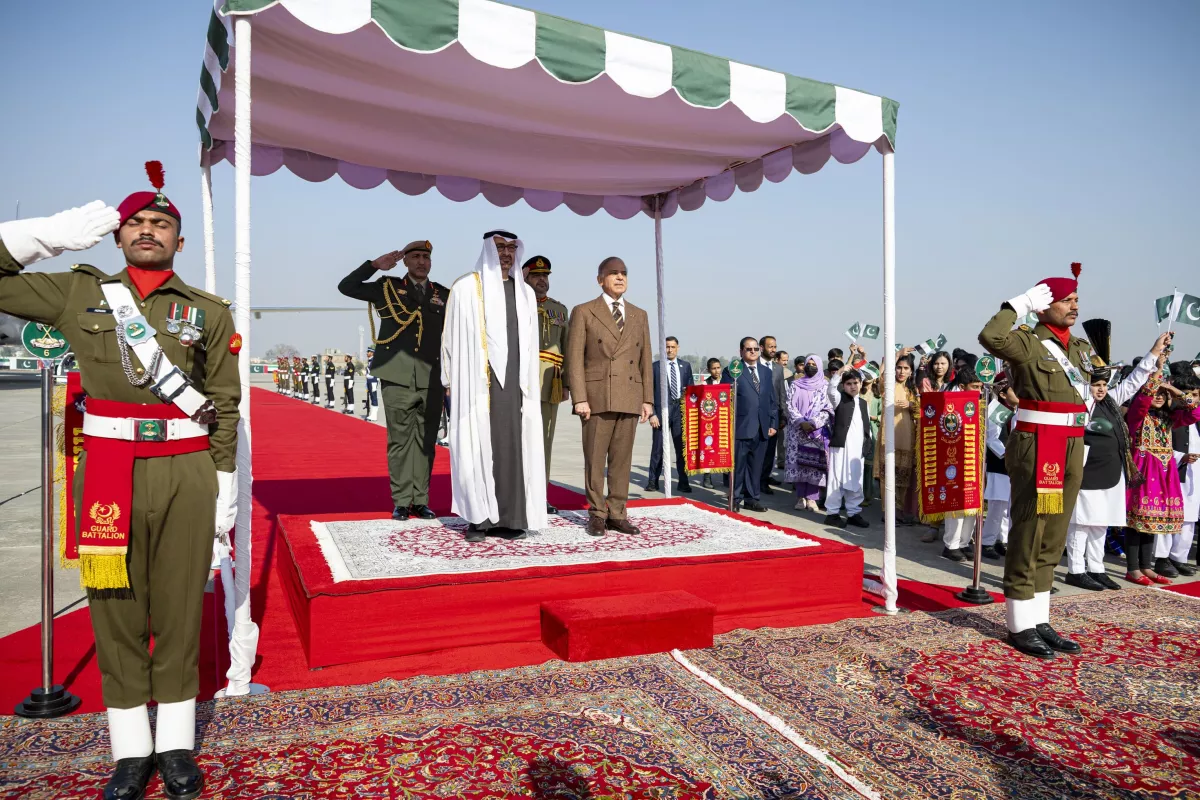
Sheikh Mohamed bin Zayed Al Nahyan arrived at Nur Khan Airbase, where he was received by Prime Minister Shehbaz Sharif, his deputy, Pakistan’s Foreign Minister Ishaq Dar, Chief of Army Staff Field Marshal Asim Munir, and other senior officials. When the aircraft carrying the UAE president entered Pakistan’s airspace, it was escorted by fighter jets of the Pakistan Air Force. Observers viewed this as a sign of special respect for the distinguished guest.
A closed-door meeting was held between the UAE president and the prime minister of Pakistan, with Field Marshal Munir also attending on the Pakistani side. The talks focused on strengthening economic cooperation, investment in Pakistan’s economy, and the development of the energy and infrastructure sectors. The joint statement issued after the meeting emphasised the strengthening of historic fraternal ties and the “strategic partnership” between the two countries.
Notably, contacts between these two states span several decades. Diplomatic relations were established immediately after the United Arab Emirates gained independence in 1971, with Pakistan being one of the first countries to recognise the UAE. More than 1.8 million Pakistanis live in the Emirates, making a significant contribution to the economy and transferring billions of dollars back home every year, which constitutes an important source of foreign currency inflows for Pakistan.
In recent years, trade between the two countries has exceeded $10 billion. At the same time, the UAE has made substantial investments in Pakistan, particularly in the energy and infrastructure sectors. The two states maintain close cooperation in the defence sphere and conduct joint military exercises. During periods of economic downturn, the Emirates have repeatedly extended a helping hand to Islamabad. The recent visit took place in the context of the UAE strengthening its regional role as an economic intermediary and partner.
From the perspective of classical realism, articulated by Hans Morgenthau in Politics Among Nations, states strive for power as an end in itself, driven by human nature’s pursuit of dominance and security. As a middle power, the UAE relies on economic diplomacy and alliances to strengthen its influence. Pakistan, for its part, seeks economic and investment support from the Gulf states to address its internal challenges, while maintaining its nuclear military capability as an indirect deterrent.
According to Morgenthau, alliances are a means of maintaining the balance of power in order to prevent the dominance of a single state. In the Middle East—which he describes as a multipolar system with competing regional powers (Iran, Türkiye, Israel, Saudi Arabia, and the UAE)—the partnership between Abu Dhabi and Islamabad contributes to the formation of a Gulf–Asia axis that counterbalances the Iranian axis. As Gregory Gause notes in his study The International Relations of the Persian Gulf, anti-Iranian alliances often fail due to internal divisions; however, the current rapprochement, supported by agreements in the fields of economy and security, reflects efforts to diversify alliance structures.
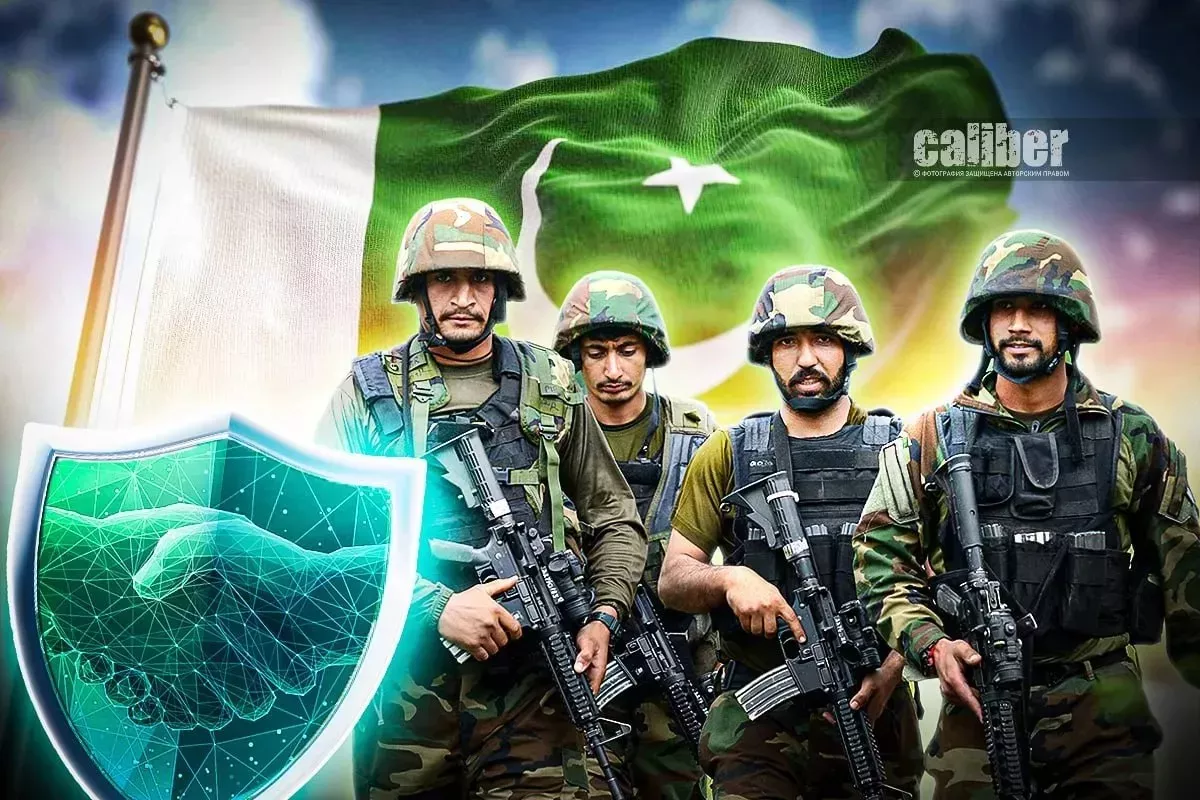
The significant role played by the armed forces in Pakistan’s foreign policy enhances trust on the part of the UAE, as Abu Dhabi places strong emphasis on threats such as terrorism and regional instability. The presence of Asim Munir at the talks reflects what John Mearsheimer describes as “offensive realism,” under which states seek to extract maximum advantage from their capabilities. Pakistan derives dividends from UAE support in the energy and infrastructure sectors, while Islamabad, in turn, can offer Abu Dhabi advanced military technologies. Notably, this rapprochement is taking place against the backdrop of the Saudi–Pakistani defence agreement of September 2025, under which an attack on one partner is considered an attack on the other, thereby strengthening deterrence against multiple threats in the region.
The United Arab Emirates pursues a pragmatic foreign policy aimed at balancing relations between India and Pakistan. The Gulf states, including the UAE and Saudi Arabia, seek to maintain strong ties with both countries for economic and security reasons, while New Delhi closely monitors any cooperation between the Gulf countries and Pakistan that takes on a defence dimension. Sheikh Mohamed bin Zayed Al Nahyan’s visit to Pakistan, which focused primarily on economic issues—trade, investment, and energy—fits within this balancing approach, and therefore did not provoke a negative reaction from India. This indicates New Delhi’s acceptance of the “rules of the game,” provided its security interests are not affected. Notably, the Emirates play a mediating role between Islamabad and New Delhi: in June 2025, Shehbaz Sharif thanked the Emirati government for its efforts to promote dialogue between the two countries.
The diversification of strategic partnerships has been one of the most prominent features of the UAE’s foreign policy over the past decade. In international relations theory, as described by Andrew Cooper in his study Middle Powers in a Multipolar World, such states rely on “multilateral diplomacy” and strategic diversification to enhance their relative influence. Thanks to its strategic geographic location, diversified economy, and vast sovereign wealth funds, the UAE embodies this model.
By diversifying its partnerships in Asia, the UAE maintains strong ties with Pakistan, which provide Abu Dhabi with the necessary military depth and defence capabilities through joint exercises and counterterrorism cooperation. This diversification is not limited to South Asia: the Emirates are also expanding their partnerships with China, Russia, Türkiye, and Israel, lending their policy greater flexibility in geopolitical manoeuvring.
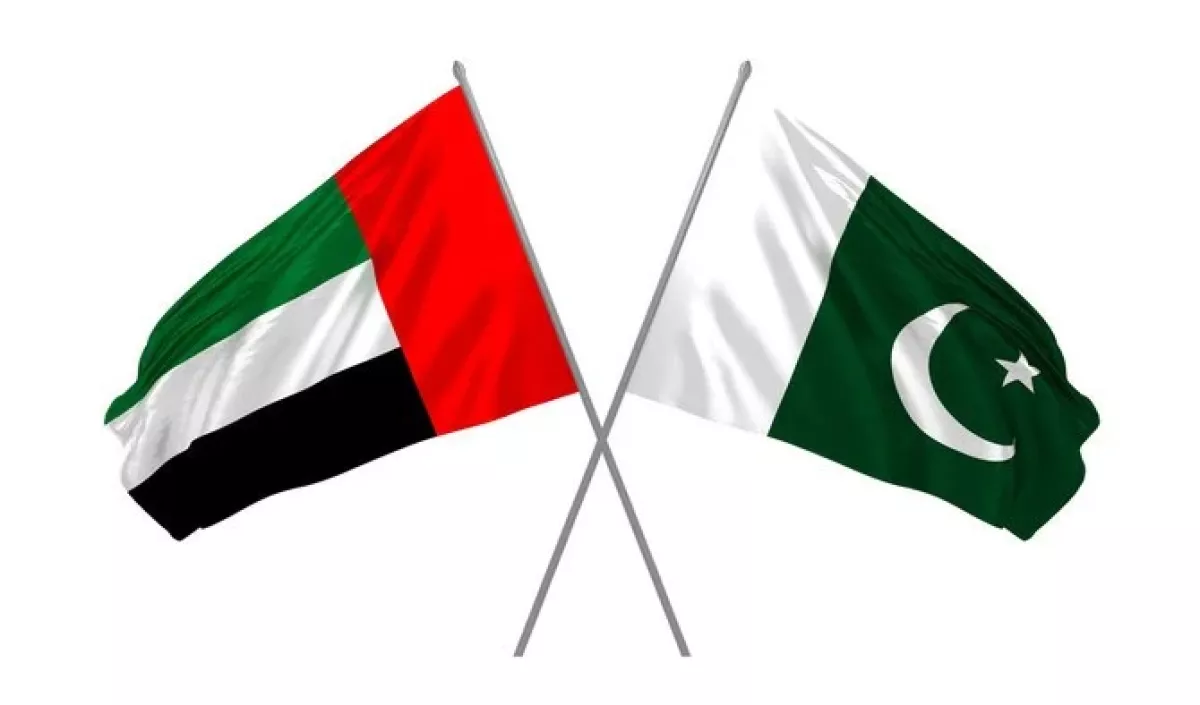
The recent visit signals the emergence of a new balance of power based on strategic diversification. This reduces the influence of regional powers competing with Abu Dhabi and enhances the UAE’s relative stability through coordination with Pakistan on political actions and security issues. However, any balance is inherently fragile, and changes in perceived threats could lead to an arms race or escalation. Nevertheless, Sheikh Mohamed bin Zayed Al Nahyan’s visit, with its emphasis on economic cooperation, demonstrates a form of defensive realism aimed at stability without hegemony.
The diversification of partnerships enables the Emirates to avoid dependence on a single bloc and enhances the country’s influence in international forums. The principles of realism and balance-of-power theory interpret this visit as a strategic move that strengthens mutual security and contributes to a regional equilibrium capable of withstanding complex challenges in the Middle East.







 editor@caliber.az
 +994 55 444-88-98
 Азербайджан, Баку, ул. Низами, 203, Af Business House, 5-й этаж