










Elections 2026: Armenia on the threshold of change Expert opinions on Caliber.Az
“I intend to run as the Civil Contract Party’s candidate for prime minister in the 2026 parliamentary elections.” Armenian Prime Minister Nikol Pashinyan stated this in a conversation with journalists.
He assured that the process of registering parliamentary candidates will be transparent, with the party’s ideology serving as its foundation. Pashinyan emphasised that Civil Contract is a democratic force in which electoral processes are conducted openly and transparently, and decisions are made collectively.
“The political activity of our party is not tied to my personality or anyone else’s. I am the chairman of the party board, and my vote carries decisive weight, but that does not mean issues are resolved on a personal level,” the head of government noted.
How strong are Pashinyan’s chances of victory? And could the pre-election landscape change drastically for him? Under what conditions or events might this happen?
Renowned experts shared their views on these questions with Caliber.Az.
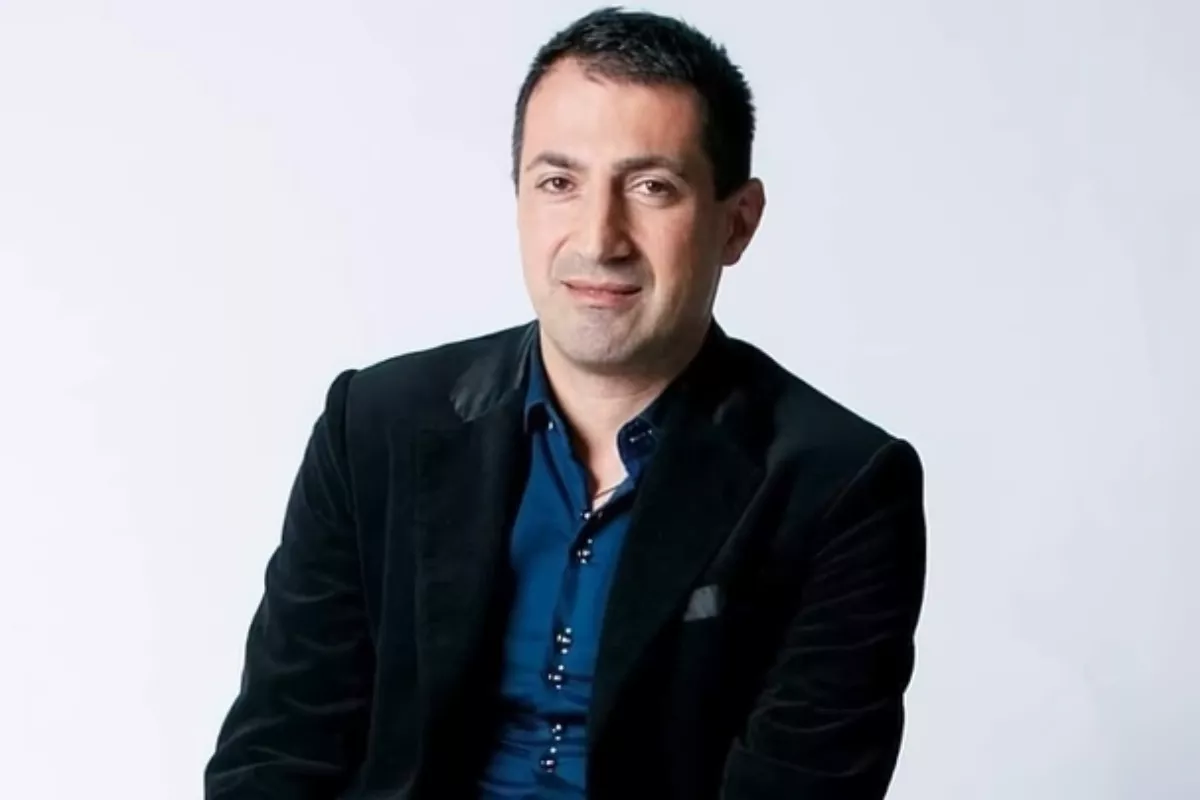
Armenian journalist and blogger Roman Baghdasaryan noted that the incumbent prime minister’s chances of victory are not just high, but entirely and predictably impressive.
“Despite hybrid warfare and despite the large amount of fake news, his approval rating continues to rise — because the agenda of peace is there, as well as the ongoing construction of schools and kindergartens. His chances are very high. I have not the slightest doubt that Pashinyan will win. I’m 100% certain of it,” Baghdasaryan stated.

Polish analyst at the University of Rzeszów and editor-in-chief of the magazine Caucasus: Past, Present, Future Dariusz Popek stated that Armenia’s socio-political situation remains difficult.
“At the same time, despite the problems, there is also a certain sense of relief and hope for the future after many years of stagnation caused by the conflict with Azerbaijan, the closure of borders with Türkiye, and Russia’s exploitation of Armenia in its own interests.
Despite the storm of emotions and the seemingly convincing arguments for the weakening of Pashinyan’s position, the domestic opposition does not pose serious competition to him.
Given the current political dynamics, Pashinyan remains the most probable winner of the upcoming elections. At present, there is neither a meaningful leader nor any potential political force capable of seriously challenging him and his party,” the expert argued.
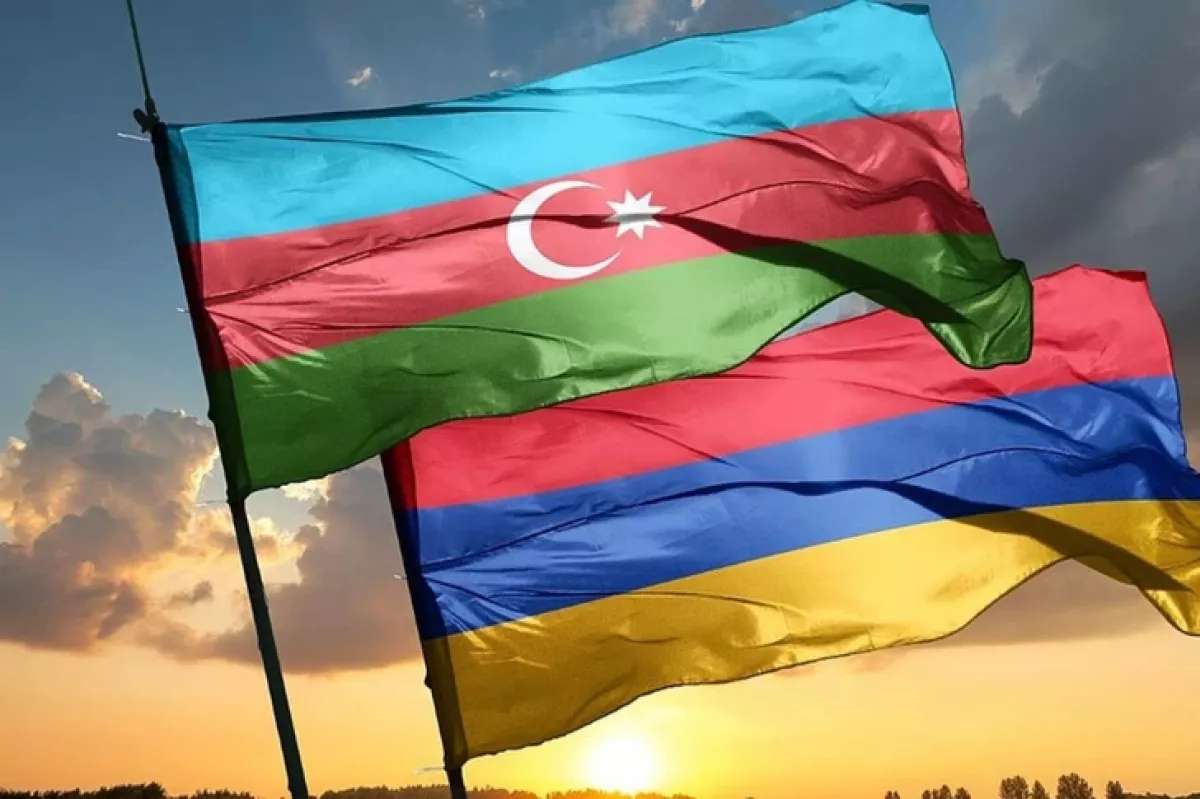
The prospect of Armenia coexisting and developing in partnership with Azerbaijan appears mutually beneficial, given Azerbaijan’s position as the region’s leading economic and military power, he notes.
“Pashinyan recognises this and is focusing on domestic politics to avoid jeopardising his hold on power, while leaving room for negotiations and potential agreements with the Azerbaijani side.
A possible threat to this plan could emerge if Russia ends its war in Ukraine and shifts its attention back to the South Caucasus, where its involvement has effectively stalled for now.
It is important to remember that Armenia’s economy remains heavily burdened by its dependence on Russia. Moscow could leverage this in future actions, potentially influencing the joint aspirations of Armenia, Azerbaijan and Türkiye. Moreover, Russia would have little difficulty in cultivating a political challenger to Pashinyan, thereby affecting Armenia’s internal landscape.
However, these factors have yet to exert any tangible influence on Pashinyan’s political standing ahead of the upcoming elections,” Popek believes.







 editor@caliber.az
 +994 55 444-88-98
 Азербайджан, Баку, ул. Низами, 203, Af Business House, 5-й этаж