










From engineering to defence: how the Azerbaijan–Pakistan partnership is evolving Review by Teymur Atayev
The signing of a memorandum of cooperation between the Azerbaijan Engineering Academy and the Pakistan Engineering Council in the first days of July has become yet another testament to the steady deepening of the strategic partnership between Baku and Islamabad.
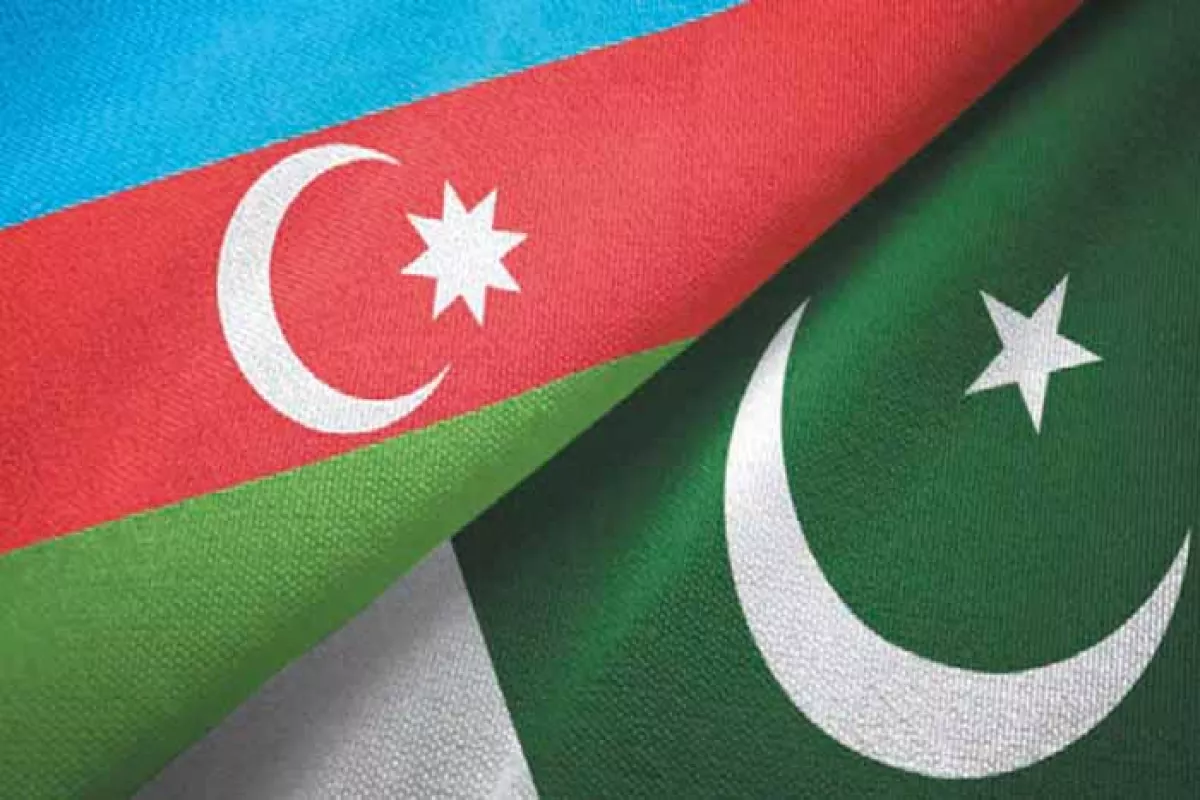
Notably, in 2024 alone, the two countries signed 15 memoranda of understanding covering trade, defense, cultural exchange, and tourism.
The implementation of the provisions of the new memorandum in the field of engineering is expected to foster scientific, technical, and professional cooperation, while also facilitating the development of joint research and innovation projects.
In this context, it is also worth recalling the memorandum of cooperation between the relevant justice authorities of the two countries, which provides a framework for expanding collaboration in various areas, including mutual legal assistance and extradition matters.
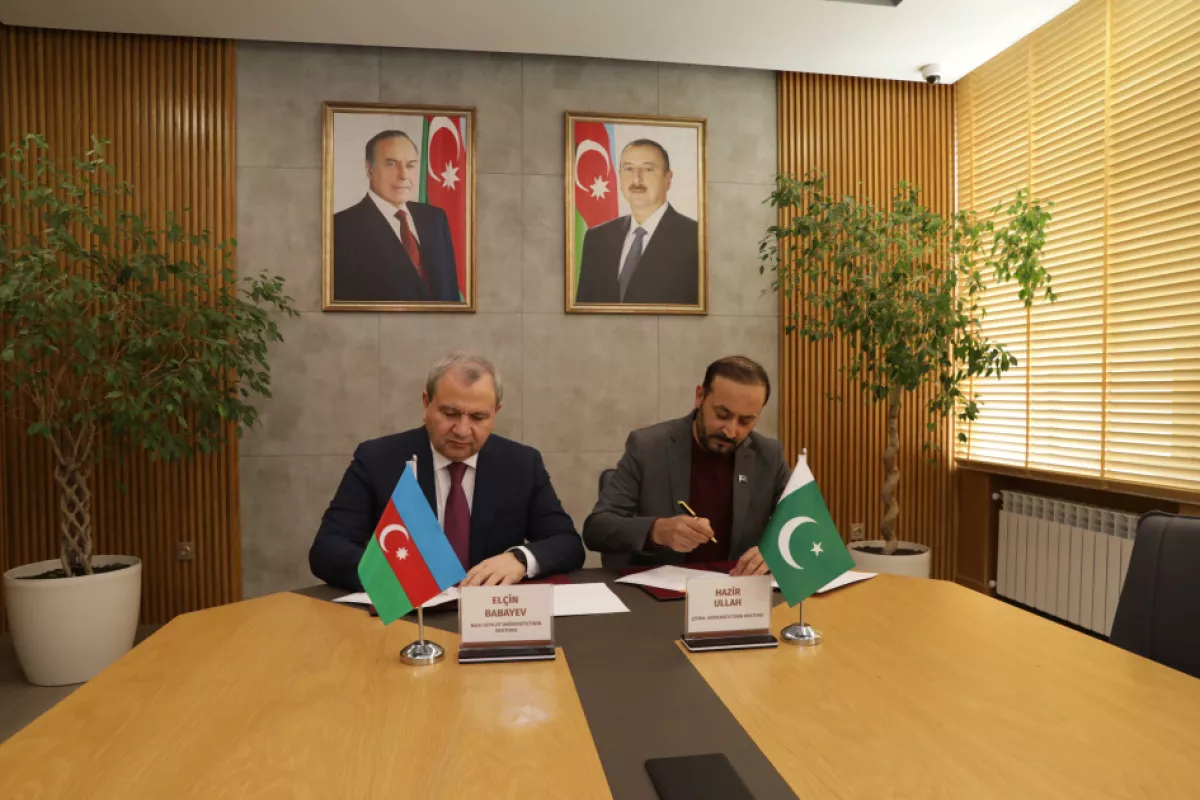
At the same time, following the agreements reached in May between Baku State University and the University of Chitral, Pakistan, the two institutions signed a memorandum of understanding providing for the organization of conferences, joint research projects, the development of shared academic programs, and the exchange of faculty members, students, and researchers.
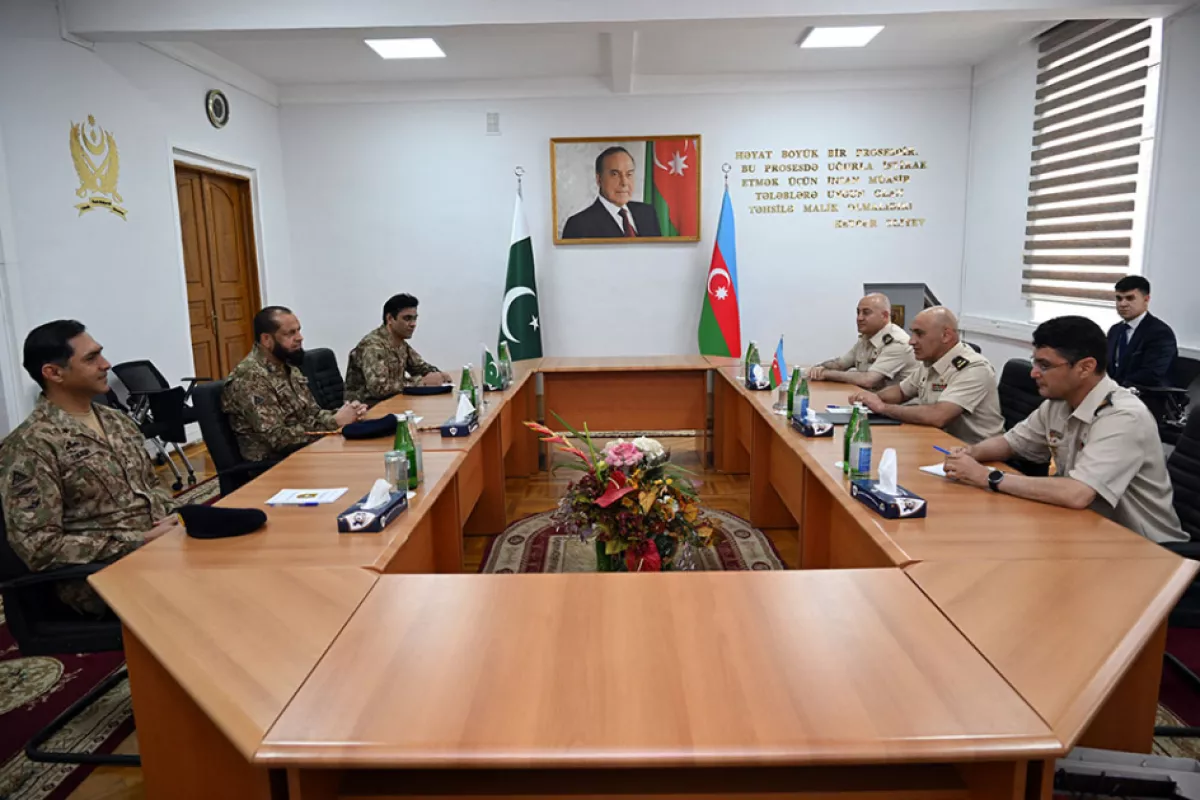
Military and defense cooperation undoubtedly remains one of the most important pillars of bilateral relations. Among the latest developments in this area was the visit to Azerbaijan a few days ago by the senior leadership of Pakistan's National Defence University, during which the prospects for expanding cooperation in military education were discussed.
In the spring of 2026, against the backdrop of the Israel–U.S. war against Iran, which triggered a global energy crisis, Islamabad approached SOCAR with a request to facilitate LNG supplies from third countries. This development was far from spontaneous, as in 2025 the trading arm of SOCAR and Pakistan's state-owned company Pakistan LNG signed a framework agreement on Pakistan's purchase of liquefied natural gas, creating the possibility of monthly LNG deliveries depending on demand and commercial viability.
Issues of bilateral cooperation in the energy sector were also discussed on the sidelines of the 13th World Urban Forum (WUF13) held in Baku in May 2026.
As is well known, Baku serves as a major energy hub of the Eurasian region, strategically located at the crossroads of East and West, North and South, while Pakistan functions as the commercial gateway to South Asia. Against this backdrop, regional connectivity between Baku and Islamabad is emerging as a key element of the evolving global order. As noted by political scientist Muhammad Asif Noor, the integration of the Zangezur Corridor and the Middle Corridor with the China–Pakistan Economic Corridor (CPEC) heralds a new phase of regional transport and trade cooperation.
In this context, it is also worth noting the positive momentum in bilateral trade under preferential trade agreements, which has contributed to the growth of Azerbaijan's non-oil exports to Pakistan across a number of product categories.
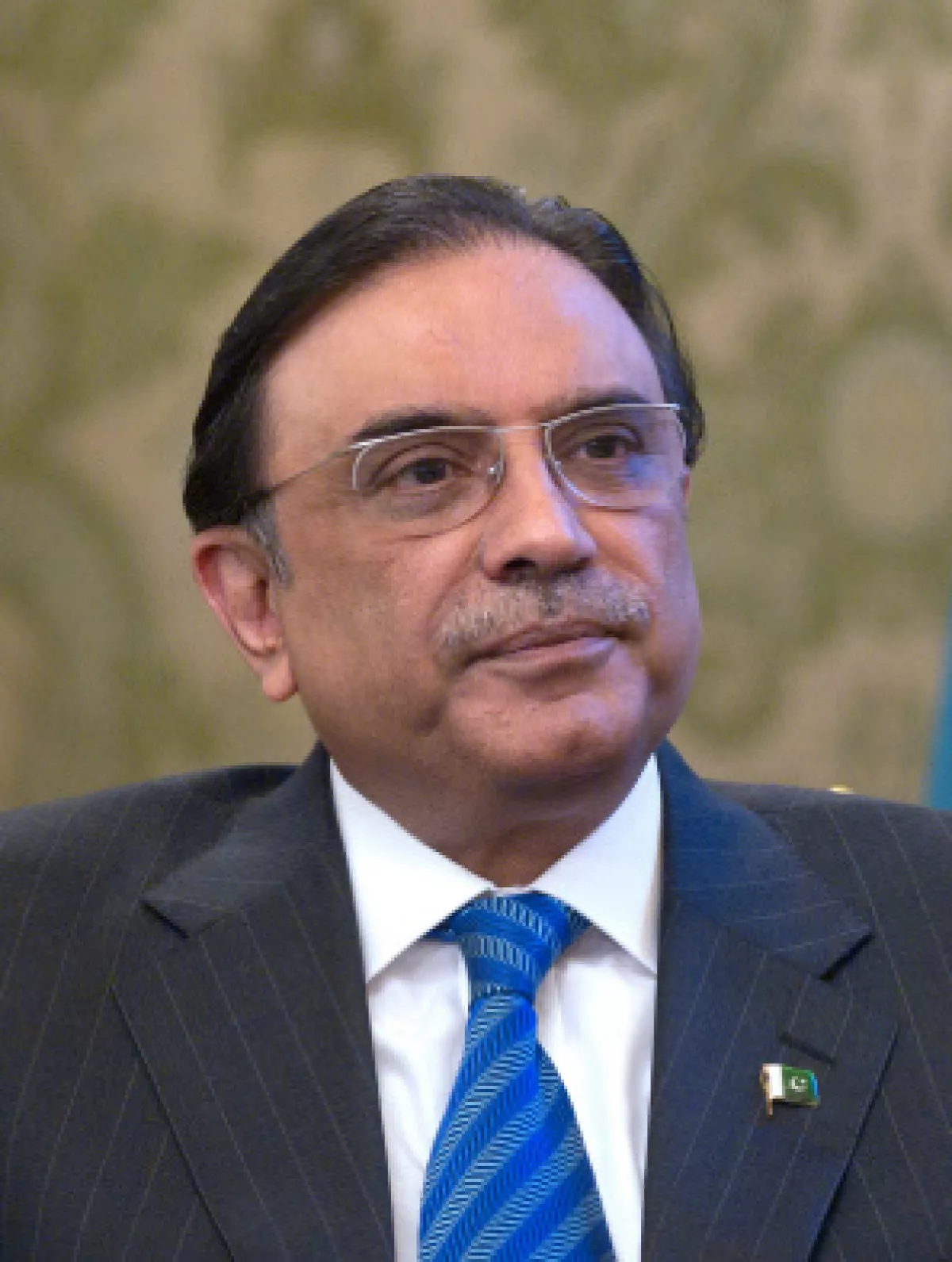
The foundation of all the aforementioned areas of cooperation is, undoubtedly, the fraternal relationship between the two countries, which, in the words of Pakistan's President Asif Ali Zardari, draws its strength "from our shared faith, rich cultural heritage, and common values."
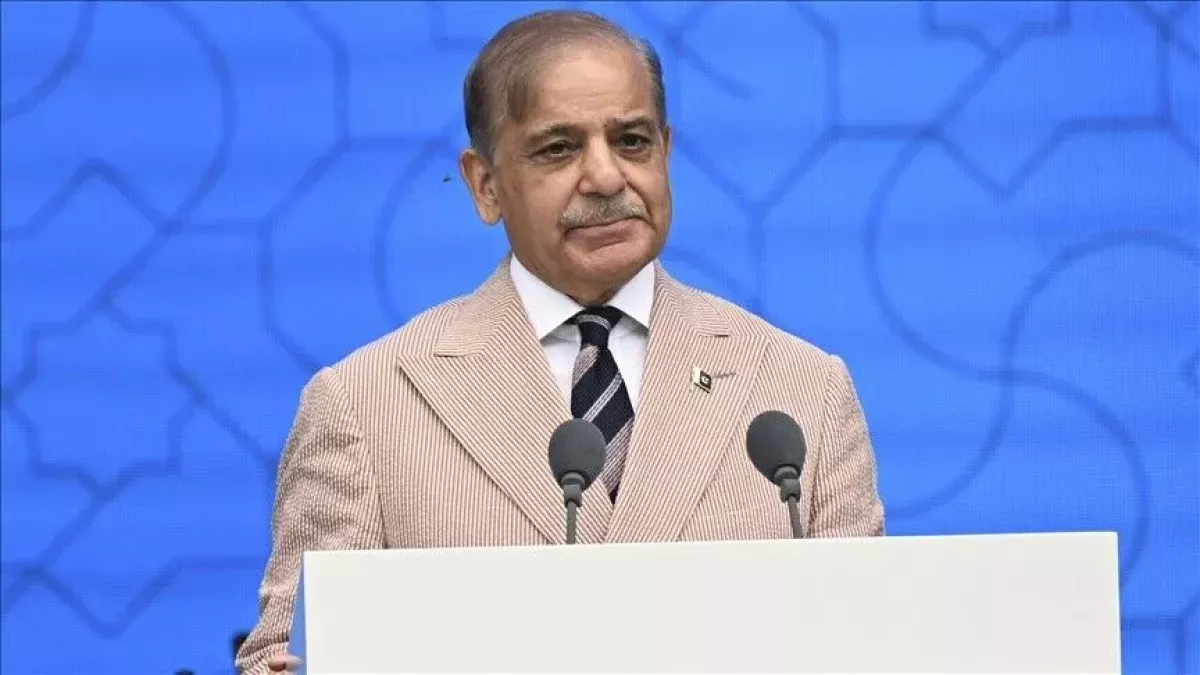
Thanks to this solid foundation, bilateral ties have evolved into a strong and enduring partnership built on mutual trust, understanding, and steadfast support on issues affecting the core national interests of both countries. Elaborating on this point, Pakistan's Prime Minister Shehbaz Sharif emphasized that the state and people of Pakistan stood in solidarity with Azerbaijan during the 44-day Patriotic War.
For his part, Azerbaijan's President Ilham Aliyev has repeatedly highlighted the two countries' mutual support for each other's territorial integrity, as well as their close cooperation within international organizations.
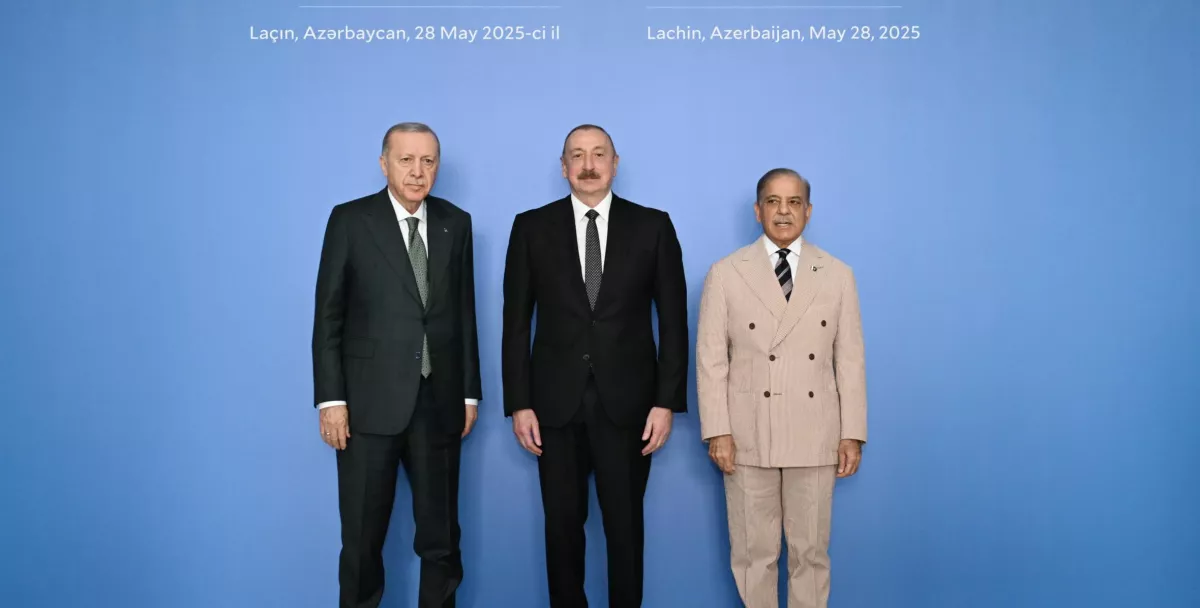
It is fitting to conclude this analysis with the strategic vision articulated by the Azerbaijani head of state, viewed through the prism of one of today's key geopolitical trilateral partnerships: Azerbaijan–Pakistan–Türkiye. As Aliyev, joint military exercises and defense-industrial projects have strengthened the capabilities of the armed forces of the three countries, thereby contributing to peace and stability across "a vast geographical area."
The president also highlighted several promising avenues for future cooperation, including digital innovation, artificial intelligence, space technologies, joint cultural initiatives, academic partnerships, and the expansion of tourism ties.
Baku has likewise highly valued Pakistan's unique mediating role in U.S.–Iran relations, which helped prevent further escalation that could have had adverse consequences far beyond the region.







 editor@caliber.az
 +994 55 444-88-98
 Азербайджан, Баку, ул. Низами, 203, Af Business House, 5-й этаж