










How Azerbaijan tackles growing water crisis Desalination, digital systems, and mega reservoirs
Global climate processes that have led to freshwater shortages in recent years have also become a pressing issue for Azerbaijan. In order to address these challenges, in October 2024, President of Azerbaijan Ilham Aliyev approved the National Strategy on Efficient Use of Water Resources for 2024–2040.
The strategy sets out a comprehensive range of measures, including the construction of new reservoirs and irrigation canals in the Karabakh region, the establishment of a seawater desalination plant, and the expanded reuse of treated wastewater and rainwater.
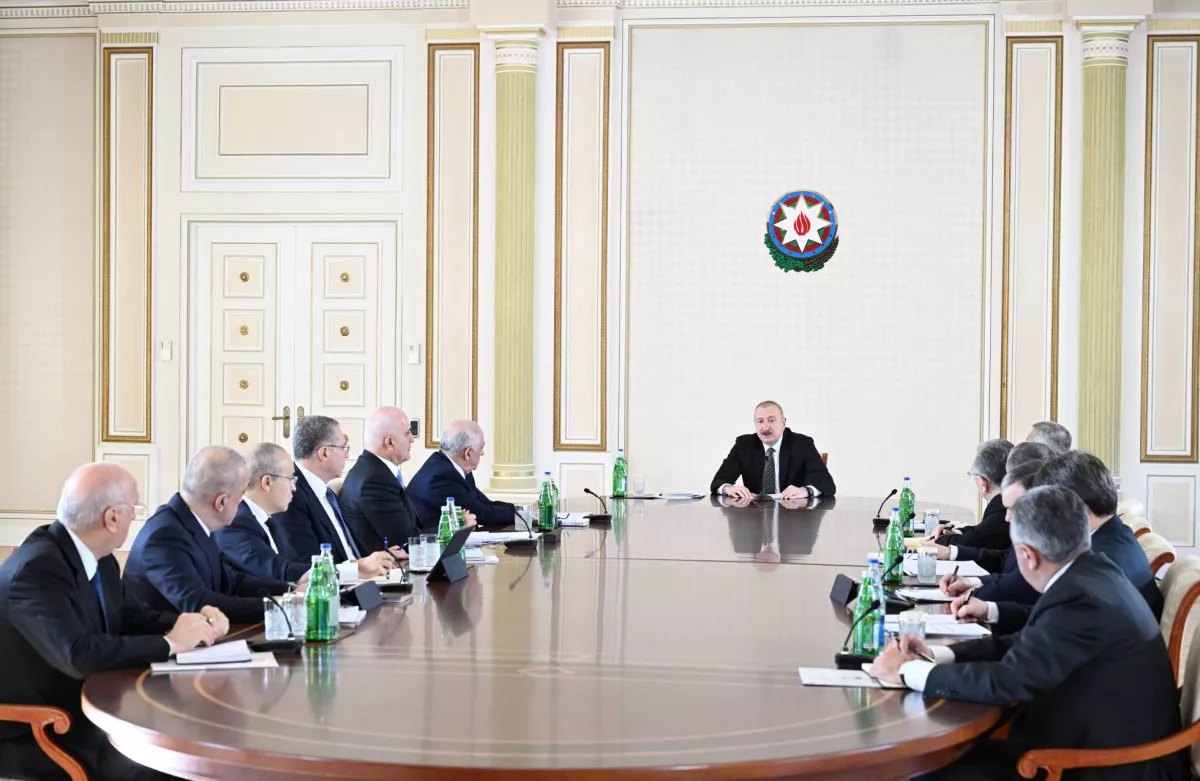
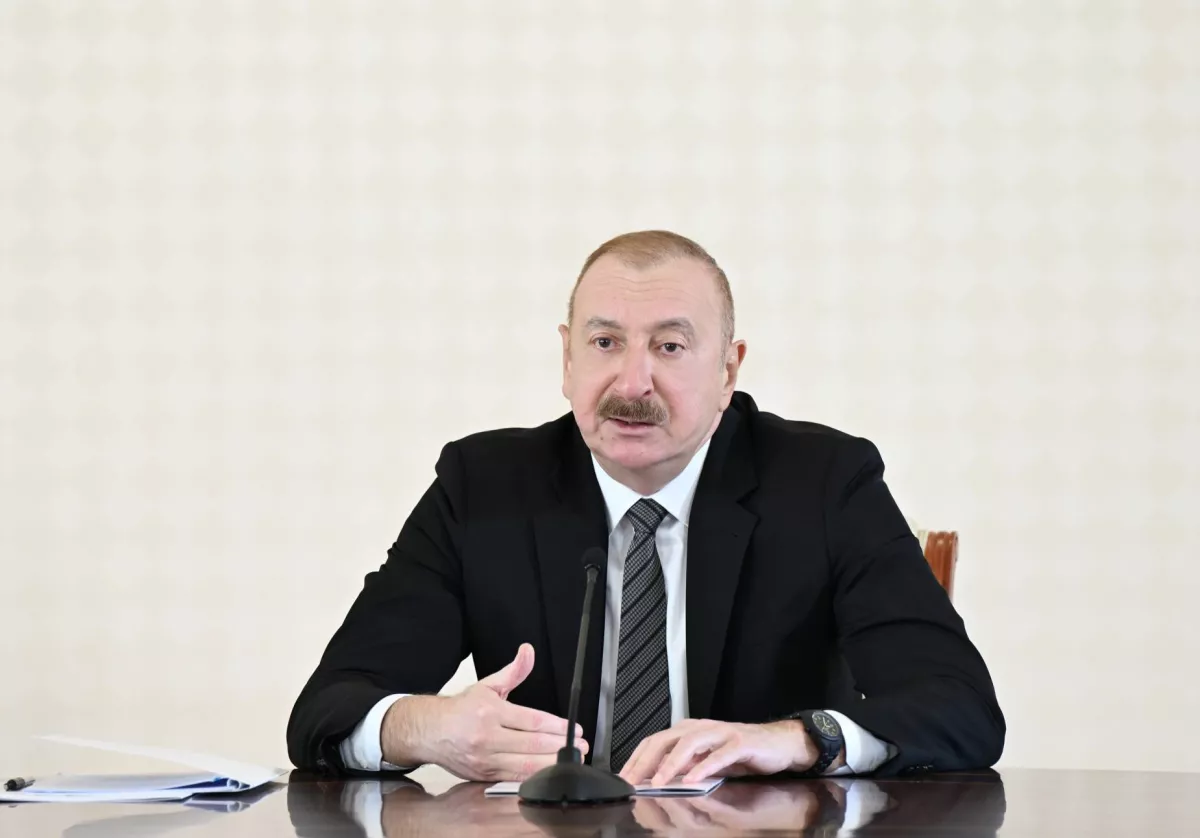
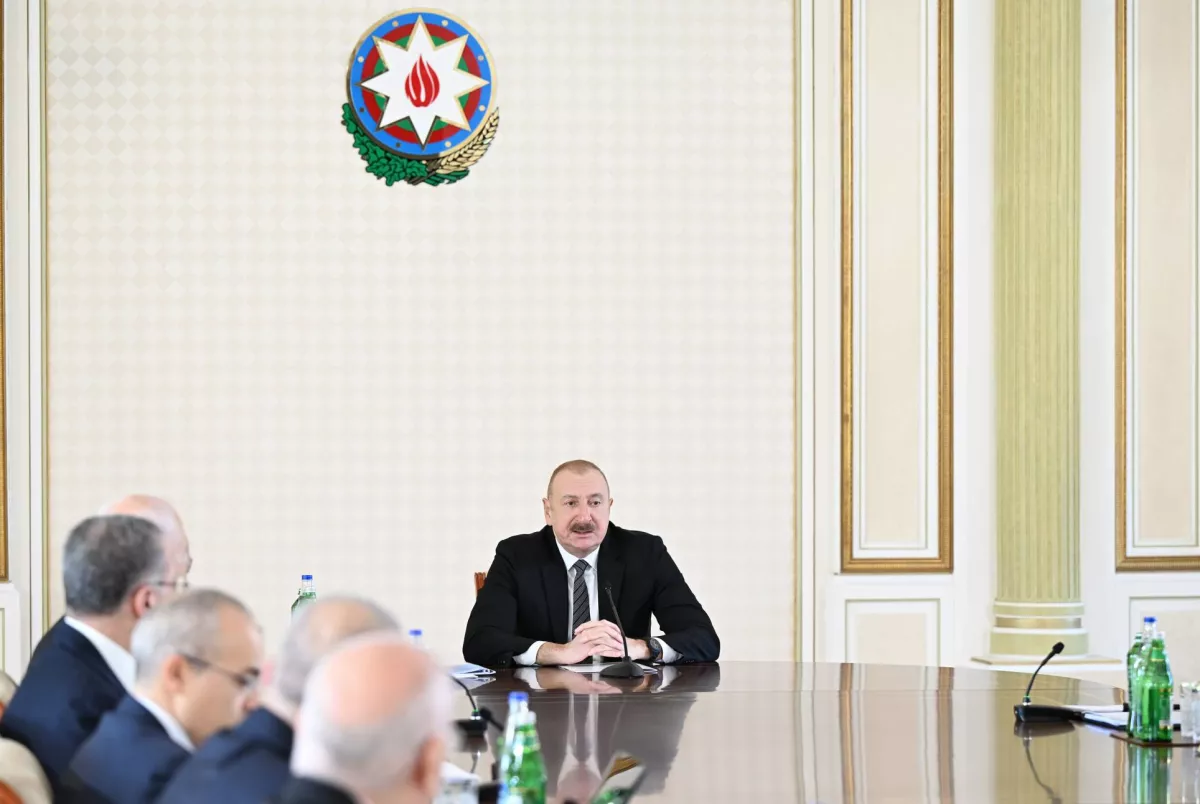
Progress on these initiatives was reviewed on January 12 at a meeting chaired by the head of state, focusing on the State Program for the improvement of water supply, wastewater, and stormwater systems in Baku and the Absheron Peninsula for 2026–2035.
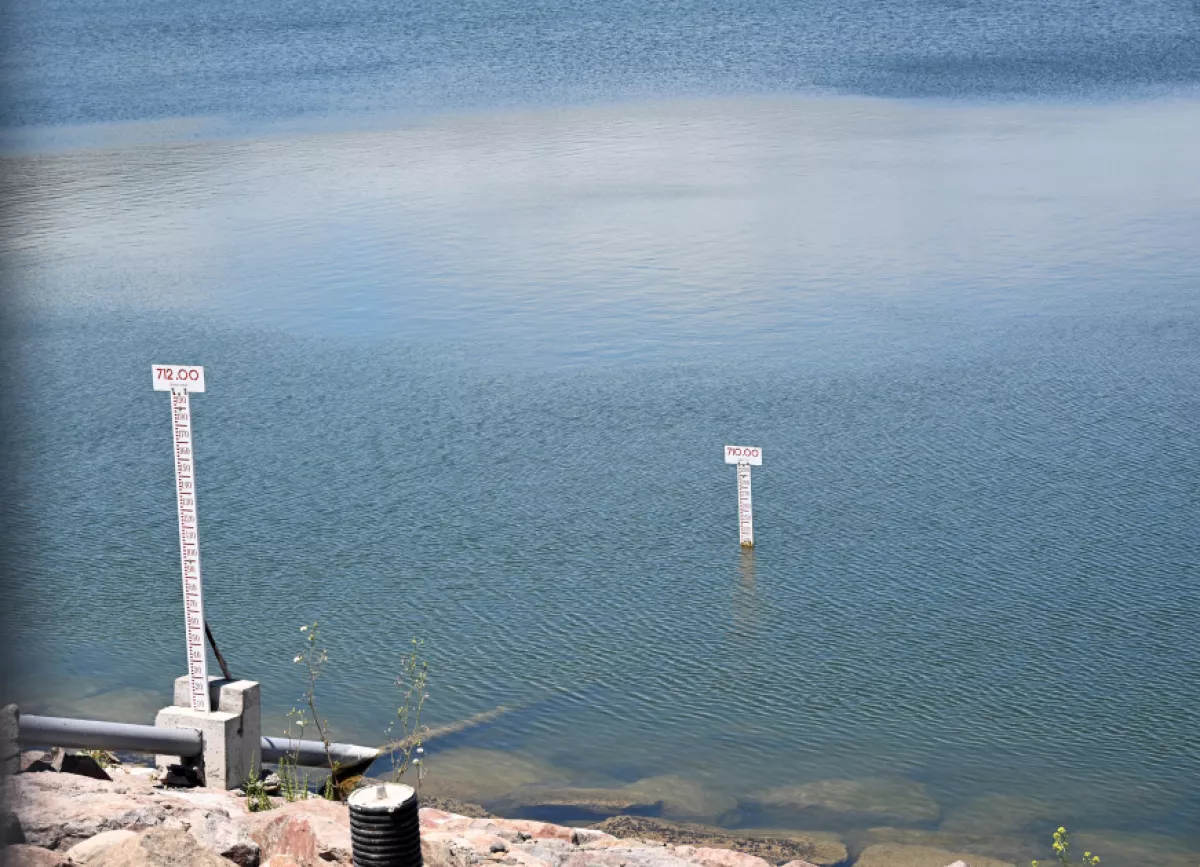
Negative climate changes over the past decade have intensified desertification processes in the countries of the South Caucasus as well. Periods of prolonged drought have become more frequent, the melting of glaciers in the Greater and Lesser Caucasus has accelerated, and runoff from mountain rivers has declined significantly. Against this backdrop, the Kura, Araz, and Samur rivers—the main water arteries of the country—are becoming increasingly shallow.
In Azerbaijan, water balance indicators have dropped by at least 15% over the past 20 years. Unfortunately, forecasts from experts at the United Nations Food and Agriculture Organisation (FAO) are far from encouraging: the country is now among the 20 nations worldwide facing the most severe freshwater shortages. Environmental specialists warn that, if current desertification trends continue, Azerbaijan’s water reserves could shrink by an additional 20% by 2050.
To counter these challenges, Azerbaijan has spent the past two decades implementing a range of measures to expand infrastructure and optimise its water resources.
“Drinking water and irrigation projects have always been in the spotlight as well. The people of Azerbaijan remember quite well that this was one of the biggest concerns in the past,” President Ilham Aliyev said during the meeting. “These issues have also gradually been resolved. Today, drinking water and sewage projects have been implemented in most of our cities, and this process is still ongoing.”
As the president highlighted, over the past 20 years, Azerbaijan has built four large reservoirs with a combined capacity exceeding 500 million cubic metres. Notable among these are the Takhtakorpu and Shamkirchay reservoirs, which have played a key role in supplying water to both Baku and the western regions of the country. In addition, the Jeyranbatan reservoir has been fully reconstructed, and a modern water treatment facility has been established.
The president also pointed out that roughly a quarter of Azerbaijan’s water resources are located in territories that were previously under occupation, and ongoing projects aim to restore drinking water supply and irrigation in the Karabakh region. “Several important projects have been completed over the past five years. Reservoirs that were once destroyed and incapacitated by Armenia have now been overhauled,” he noted, highlighting the Sugovushan and Sarsang reservoirs as prime examples, and recalling similar work carried out in other liberated areas.
Specifically, in the Fuzuli district, the Kondalanchay complex—comprising three reservoirs—has been fully reconstructed. In the Aghdam district, the Khachinchay reservoir has been restored, and in the Lachin district, the Zabukhchay reservoir has also been rebuilt and is now operational. Looking ahead, two additional large reservoirs, Hakarichay and Bargushadchay, are planned for the Karabakh region. Preparatory work for their construction is already underway, with full-scale construction scheduled to begin in 2026.
“Our goal is to provide the population, industry, and agriculture with sustainable water, protect water sources, increase reservoir capacity, establish full accounting, and collect water when the season comes so that it can be used throughout the year,” President Ilham Aliyev stated. “The drinking water problems of Baku and the Absheron Peninsula have been serious for many years. Some work has been done in this direction; however, I believe the time has come to adopt a large-scale and comprehensive state program. This program will cover the city of Baku, its settlements, the city of Sumgayit, and the Absheron district. The preparation process began some time ago on my instructions, and the program is now almost ready.”
The head of state noted that the programme for the sustainable supply of drinking water to Baku and the Absheron Peninsula will be implemented in stages until 2035, and its financing will come not only from the state budget but also through foreign loans.

Specifically, as the Azerbaijani president noted, within the framework of the state programme for improving the capital’s water supply system, a number of important measures are planned: “Currently, 70 percent of the population is provided with uninterrupted drinking water; this figure is expected to rise to 95 percent. The water supply of Baku, Sumgayit, Absheron district, and 64 settlements will be significantly improved. More than 200 kilometers of main canals and the same length of distribution networks will be built and reconstructed.”
The programme also aims to achieve 100% installation of water meters and address the issue of water losses in the networks: currently, losses amount to approximately 40–45%, and this figure is expected to drop sharply once the programme is implemented. Overall, the water sector will see the introduction of a digital management system. Measures are also planned to develop the Samur-Absheron canal infrastructure to ensure a sustainable water supply for the Jeyranbatan reservoir.
The capital’s sewage network will also undergo extensive work: currently, only 50% of the population is connected to the sewage system, and following the planned projects, this figure is expected to reach 95%. “As soon as heavy rains fall, urban transport becomes paralysed, and very serious problems arise. This is not only the case in Baku or Azerbaijan,” President Ilham Aliyev noted. “Therefore, a new collector network will be built on 30 streets of Baku for rainwater management, which will be of great benefit.”
Wastewater is one of the key sources of pollution in the Caspian Sea, and all water discharged into the sea must be fully treated. Accordingly, additional necessary measures are planned to address this issue.
“I would also like to reiterate that a desalination plant will be built in Azerbaijan for the first time to improve the water supply of the Absheron Peninsula. This process has already begun. The project will be implemented entirely through foreign investment,” the head of state said. “Technological advances make this feasible, as the Caspian Sea is not highly saline. There is full confidence that desalination will provide clean, high-quality drinking water. At the same time, a large resource base for irrigation will be created.”
Notably, to expand the water supply capacity of Greater Baku, ACWA Power from Saudi Arabia, in partnership with Türkiye’s IC İçtaş İnşaat, is constructing a seawater desalination plant within the Sumgayit Industrial Park. The facility will have a daily capacity of 300,000 cubic metres of water. The project, financed by a consortium, is expected to take 2.5 years to complete. After an operational period of 27.5 years, management of the plant will be transferred to the State Water Resources Agency of Azerbaijan (ADSEA).







 editor@caliber.az
 +994 55 444-88-98
 Азербайджан, Баку, ул. Низами, 203, Af Business House, 5-й этаж