










Iran and the US on the brink of war Experts weigh potential strikes amid deadly protests
The U.S. State Department has urged American citizens to leave Iran immediately. The agency recommends that U.S. citizens plan alternative means of communication and, if possible, exit through the land borders with Armenia, Türkiye, or Turkmenistan.
The statement emphasises: “If you cannot leave, find a secure location within your residence or another safe building. Have a supply of food, water, medications, and other essential items.”
Americans with dual citizenship are advised to use their Iranian passport for departure, as Tehran does not recognise their U.S. citizenship.
Why did Washington issue such a stark warning? Does the U.S. administration not rule out the possibility of direct involvement in the situation in Iran?
The New York Times, citing sources, reports that the United States is considering cyberattacks and strikes against Iran’s internal security apparatus as the most likely options for exerting pressure on Tehran.
“But the narrower options, a cyberattack or a strike against Iran’s domestic security apparatus, which is using lethal force against protesters, are more likely,” the newspaper notes.
According to the report, the Pentagon is also proposing to influence Iran by manipulating parameters of its nuclear programme, as well as by carrying out strikes on facilities linked to ballistic missile development.
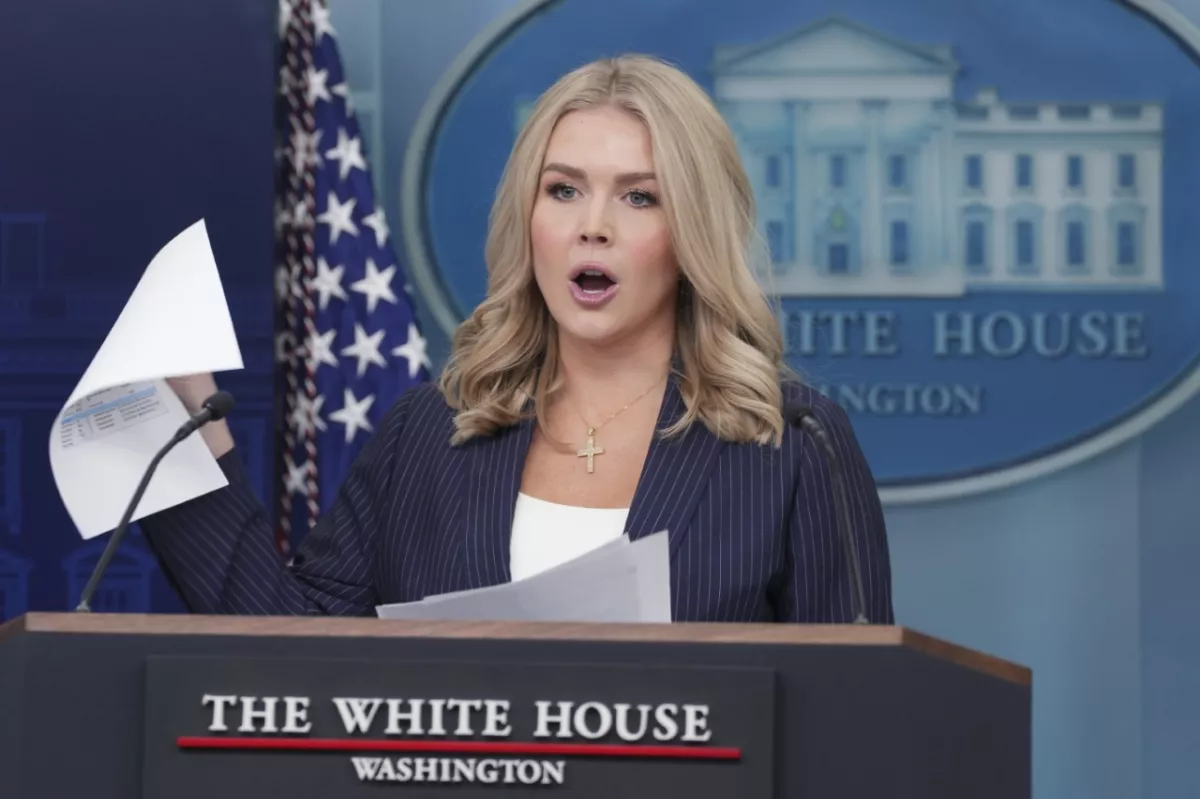
White House Press Secretary Karoline Leavitt stated that U.S. President Donald Trump is “unafraid to use military options if and when he deems necessary.”
The situation has also evolved within Iran’s political exile community. Reza Pahlavi, the eldest son of Iran’s last shah, addressed Trump against the backdrop of large-scale protests in the Islamic Republic.
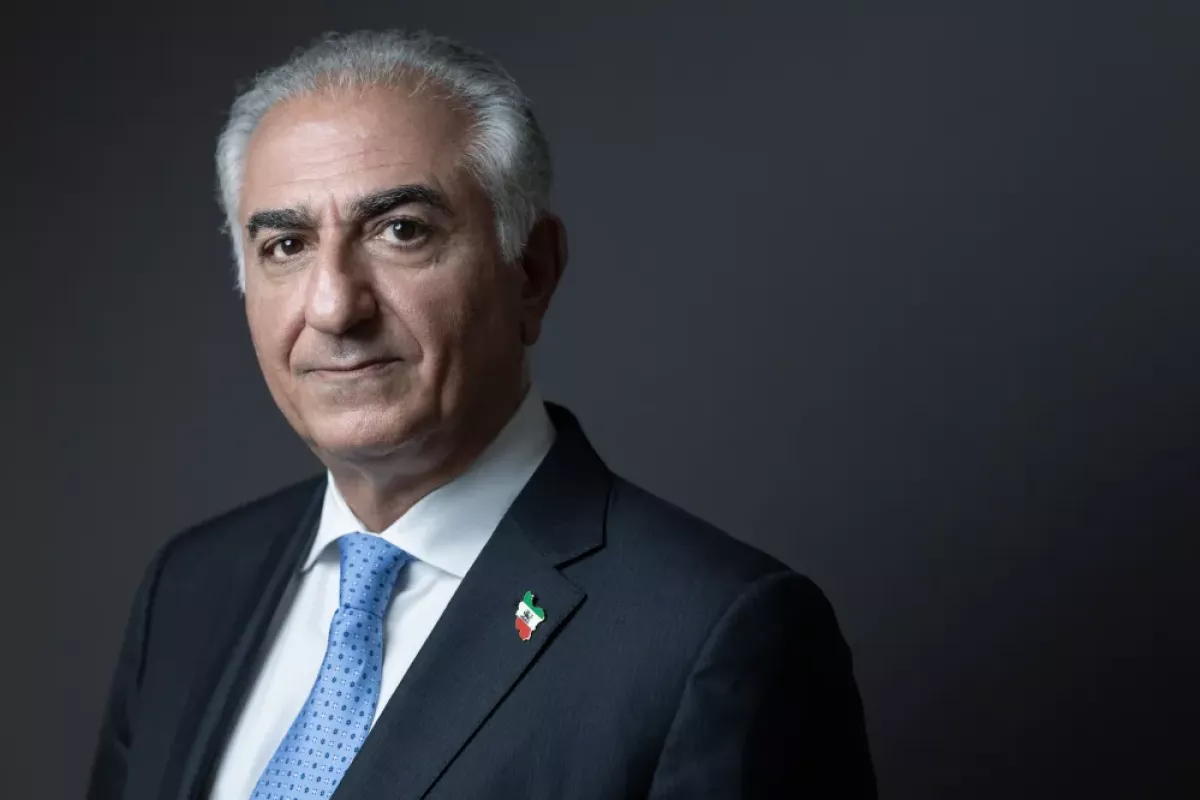
Commenting on a post by Republican Senator Lindsey Graham on the social media platform X, Pahlavi said:
“Senator Graham is right. President Trump is not Obama. His words of support for the protesters in Iran show that. Now is the time to act. The President is a man of action and a man of peace. Now, he can act to bring about the greatest peace the world has ever seen: by helping Iranians finally end this criminal regime.
The regime is weak and on its back legs. The people are ready to topple it. They do not need boots on the ground. All they need is the action of the leader of the free world. Negotiating with this criminal regime who is still threatening America and the President will not bring peace. But immediate action to support these brave protesters will save thousands of lives and bring lasting peace to the region. That will be President Trump’s legacy.”
Amid fierce clashes and reports of hundreds of protesters killed, a pressing question arises: what is the likelihood that the United States will strike Iranian targets? Donald Trump has already stated that a military scenario would become irreversible “if anything happens to the protesters.” Judging by the scale of the repression, that condition has effectively been met.
Leading foreign experts have shared their assessments with Caliber.Az on the probability of U.S. intervention and the possible scenarios for exerting pressure on Tehran.
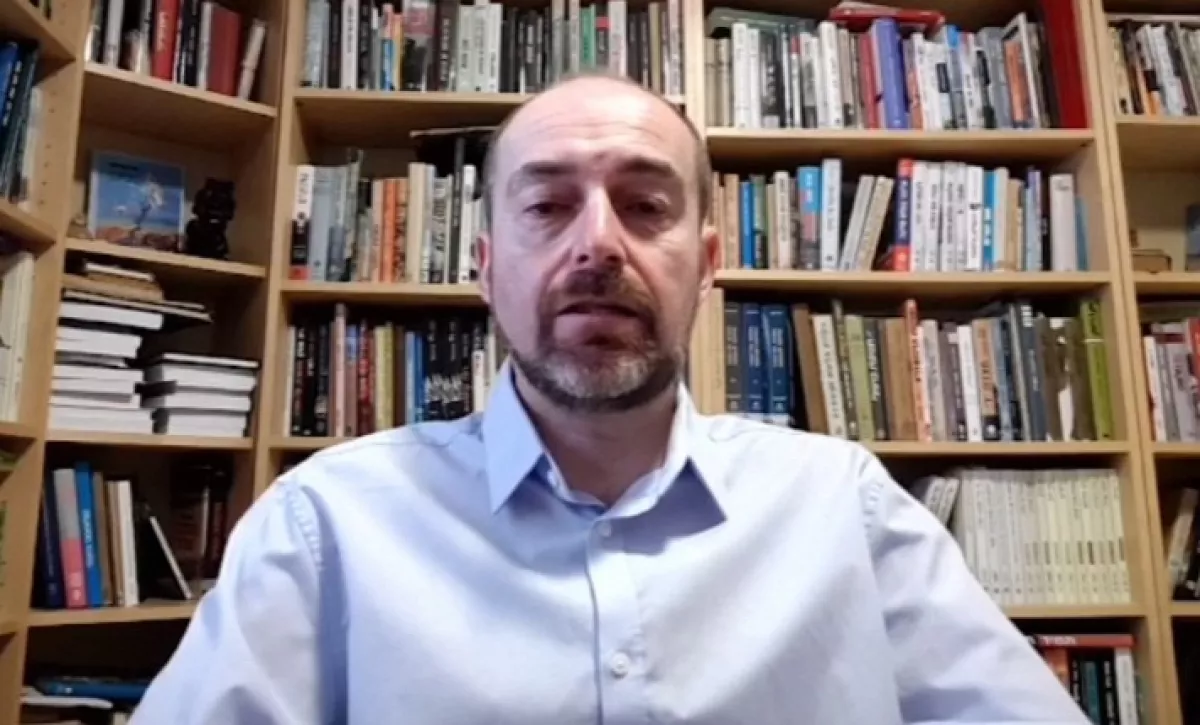
Israeli military expert David Gendelman noted that despite the ongoing information blockade in Iran, various sources agree that the number of protesters killed already runs into the thousands, even if the figures of 12,000 cited by the Iranian opposition currently appear exaggerated.
“We are seeing an intensification of the repression, yet the key indicator of a possible turning point is missing — confirmed cases of security forces switching sides to support the protesters, or at least refusing to suppress the demonstrations. Without such a shift, the trend will remain unchanged, and the protests will be crushed, as has happened in previous instances.
In this domestic context, a game-changer could be external intervention — in this case, from the United States. The Iranian regime is genuinely concerned about a potential U.S. strike, which explains Tehran’s statements threatening retaliatory attacks on American bases in the Middle East and on Israel, as well as its attempts to activate diplomatic channels,” the expert said.
According to him, in the U.S., the full spectrum of possible actions is reportedly being considered — from cyber operations to missile and airstrikes on various categories of targets: internal security forces suppressing unrest, missile and other military facilities, nuclear infrastructure, and at the highest level — political leadership.
“The choice of targets will also determine the necessary forces and resources — what artillery calls the principle: the target determines the calibre. Trump has already demonstrated a willingness to use force even in cases many consider unlikely or perceive his rhetoric as bluster. We have seen strikes on Iranian nuclear sites, the operation in Venezuela, and earlier actions, including the elimination of Qasem Soleimani. Therefore, the likelihood of a strike today is higher: the second time is not the first.
Trump states: ‘Iranian patriots, keep protesting, seize institutions, help is on the way!’ Now everyone is waiting for the answer to the question — will he move from words to action this time as well?” Gendelman concludes.

Professor and analyst Grigory Ioffe (U.S.) noted that, given the low predictability of the so-called human factor—stemming from Donald Trump’s temperament as well as contradictions within the President’s inner circle—there is a significant risk of misjudging the situation.
“I will only say that there are at least three factors suggesting that escalation might be avoided.
First, Vice President Vance insists on negotiations. It is possible that he is being actively influenced toward this approach by his close friend Tucker Carlson, who is also, incidentally, a friend of the Iranian regime.
Second, White House Press Secretary Karoline Leavitt reported last night that there was contact between a key Iranian figure and Steve Witkoff, whom Trump employs as his representative in various negotiations. At the same time, the tone demonstrated by the Iranian side sharply contrasted with Tehran’s official rhetoric. Apparently, this tone was much softer and more conducive to negotiations.
Third, there is no complete clarity regarding the nature of the protests. Some claim this is a mass revolutionary movement against the Islamic fundamentalism at the core of the regime, while others believe the demonstrators are primarily advancing economic demands.
As for the position of the eldest son of Iran’s last shah, it is unlikely to become a significant factor in decision-making within the Trump administration. It does not appear that someone who has spent most of his life in exile has a reputation as a popular leader.
I repeat: I am not making a definitive prediction based on these circumstances, but I believe they must be taken into account,” Ioffe said.







 editor@caliber.az
 +994 55 444-88-98
 Азербайджан, Баку, ул. Низами, 203, Af Business House, 5-й этаж