










Iran: Mass protests, elite splits, and shadow of foreign intervention Is Khamenei’s regime on the brink?
After the first week of mass protests sweeping the Islamic Republic, Israel updated its intelligence assessment, arriving at the following conclusion: the demonstrations in Iran pose a real threat to Ayatollah Khamenei’s regime and could lead to its collapse.
The mass protests in the Islamic Republic of Iran began in late December 2025 due to rising fuel and food prices, as well as a collapse of the local currency. They started in Tehran’s markets and spread across the country within days. The slogans of the protesters are strongly political in nature. Participants are calling for the death of the current Iranian leadership and the overthrow of the Islamic Republic under Supreme Leader Khamenei. Many, though not all, are seeking the restoration of the Shah’s monarchy—the Pahlavi dynasty.
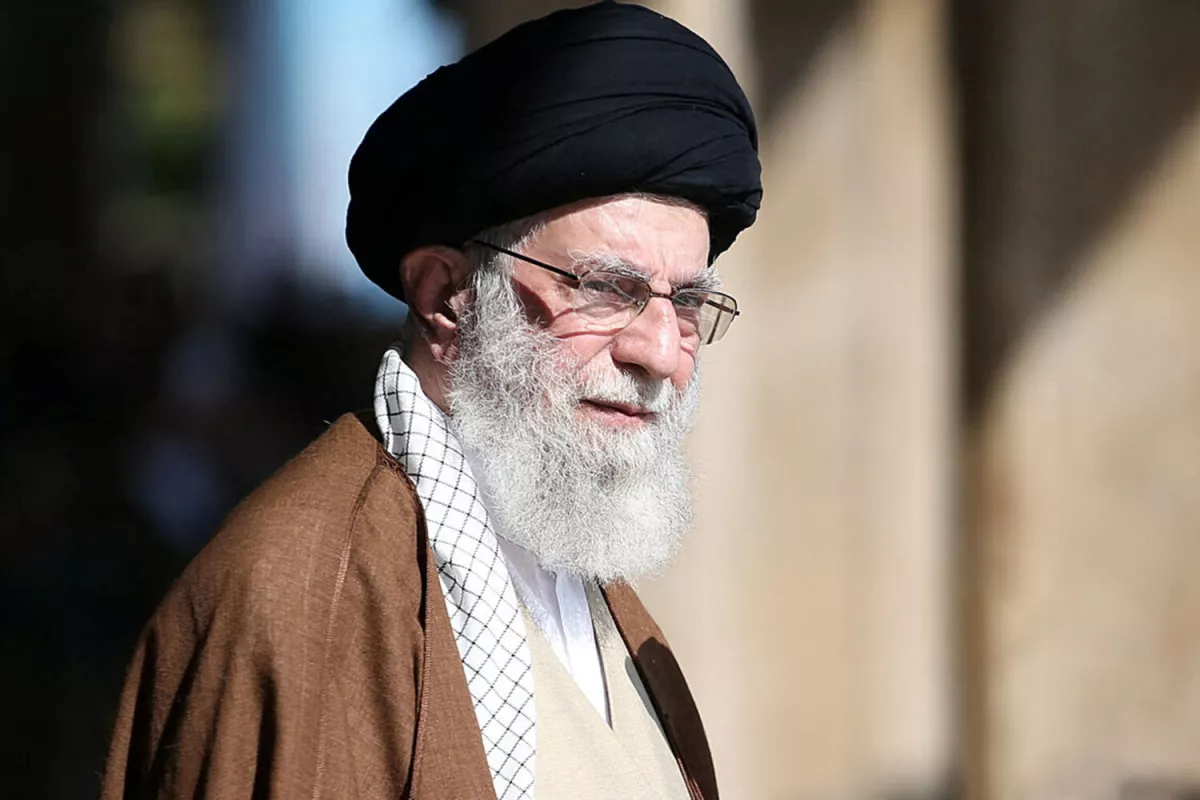
Israel’s intelligence community has updated its assessment of the situation, Israeli media reported. According to experts, these demonstrations and uprisings pose a real threat to the stability of the Islamic Republic’s regime and could lead to the fall of Supreme Leader Ali Khamenei.
The history of the Islamic Republic is full of mass movements directed against the regime. However, as Israeli analysts—well-informed about the situation—note, for the first time the regime in Tehran is showing signs of alarm over current events. Israeli intelligence services state that the scale of the unrest is broader than the previous wave in 2022 (the “Mahsa Amini uprising,” which began after the police fatally beat a girl for improperly wearing a hijab), affecting multiple layers of society, various sectors, and regions.
This assessment partly aligns with the view of Iranian opposition commentator Saeed Ghasseminejad, a political analyst at the Foundation for Defense of Democracies (FDD) research centre, who highlights the following features of the Iranian uprising.
First, rapid expansion. The protests are spreading across the country like wildfire, reaching new provinces and settlements.
Second, outbreaks of violence occur in smaller towns. The regime is using lethal force there, with reports of killed and wounded, which is explained by three factors:
A. Immediate threat: In small towns, violent protests can quickly overwhelm the limited local administrative systems and security personnel. Therefore, regime forces act with maximum severity to retain control over key facilities. However, this is not always successful, and in some cases residents manage to seize government buildings.
B. Lack of resources: Unlike in major cities, small towns often lack specialised riot control units. Local forces, untrained in non-lethal methods, quickly resort to using deadly weapons.
C. Higher levels of self-organisation, armament, and readiness to use weapons than in large cities: Tribal and family ties are strong in these regions, social cohesion is higher, and access to firearms is considerably easier. Losing relatives in clashes with security forces often pushes local families to resort to violence, turning street demonstrations into genuine uprisings. This environment is completely alien to liberal pacifism and poses a real threat to the Islamic Republic’s authorities. Moreover, it is here that a spiral of violence forms, with both sides increasingly resorting to arms.
Thirdly, Saeed Ghasseminejad points to another important factor that distinguishes the current movement: in major cities, the regime has adopted a noticeably more restrained approach. The key question is whether the fragmented and still relatively small protests in the metropolises can unite into a single mass demonstration, similar to the one in 2009. At that time, around four million people took to the streets of Tehran. However, this predominantly peaceful movement, which opposed what he considered to be fraudulent election results, was suppressed by regime forces despite its massive size.
Ghasseminejad compares the current demonstrations to previous ones in terms of scale. Geographically, the protests are spreading rapidly and could soon reach the scale of the uprisings in 2017, 2019, and 2022. It is important to note, however, that none of the previous uprisings reached the “critical mass” necessary to overthrow the regime. Nevertheless, the number of participants is increasing rapidly.
Finally, another important factor influencing the situation today is the split within the elites. The Islamic Republic’s system appears much more fragmented than during the suppression of protests in 2019 and 2022. The decision to exercise restraint in major cities may be related to doubts about the loyalty of certain security forces.

From his side, Iran expert Ali Alfoneh links the current state of Iran’s political system to the 12-day war with Israel, arguing that it had already entered a phase of transformation before the protests began.
Supreme Leader Ali Khamenei is reportedly hiding in bunkers and rarely communicates publicly, fearing Israeli and American strikes. He maintains contact with other leaders through trusted intermediaries—primarily via the pragmatic and cautious chairman of the Supreme National Security Council (SNSC, the body uniting all Iranian security forces), Ali Larijani, and Mohammad Mokhber, a hardline politician representing the conservative wing of the Islamic Revolutionary Guard Corps (IRGC), Iran’s main security force.
There is also a Defence Council, whose functions remain unclear, and reformist President Masoud Pezeshkian, who advocates dialogue with protesters (though his power is limited—the presidency in Iran is more akin to the head of the government’s economic bloc). In short, Ali Khamenei’s authority has weakened, Iran’s leadership has become more collegial, and internal disagreements have deepened.
Finally, there appears to be another factor restraining the regime from carrying out large-scale deadly attacks on protesters: threats from Trump and Israel.
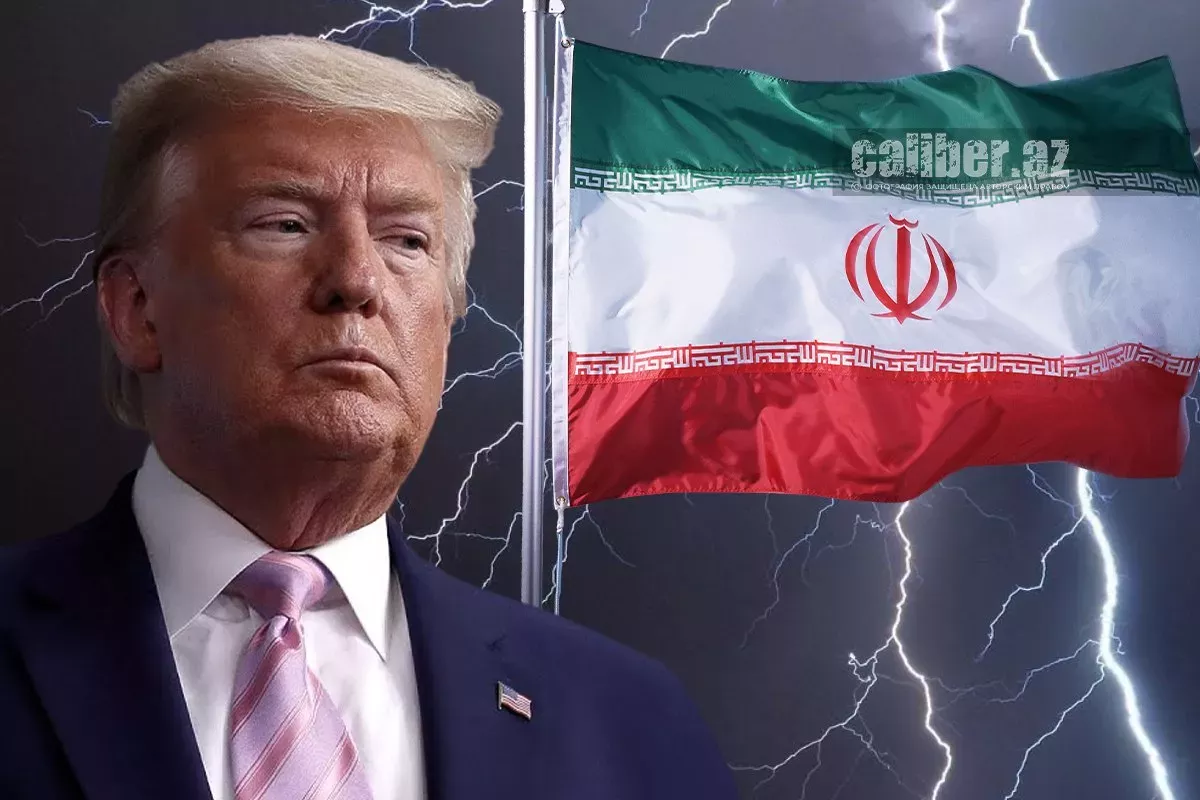
On Truth Social, U.S. President Donald Trump wrote: “If Iran shots (sic) and violently kills peaceful protesters, which is their custom, the United States of America will come to their rescue,” adding, “We are locked and loaded and ready to go.”
In response, Iranian Foreign Minister Abbas Araghchi said: “The Iranian people will firmly reject any interference in their internal affairs, and our Armed Forces are on high alert and fully know where to strike in the event of any violation of Iranian sovereignty.”
Ali Larijani also responded in a similar tone to the U.S. president’s statements: “After the statements of senior Israeli officials and Trump, it is clear what is happening behind the scenes. We distinguish between the position of protesting shop owners and the actions of destructive elements. Trump should know that American interference in internal affairs will lead to regional chaos and the destruction of U.S. interests. The American people should know—Trump has started this adventure. They need to ensure the safety of their soldiers.”
However, after U.S. forces carried out an operation to capture Venezuelan President Nicolás Maduro, the statements of Iranian officials seem less convincing. The U.S. operation in Venezuela, Israel’s pager-based strikes that destroyed parts of Iran’s proxies in Lebanon, and precision strikes on Iranian leadership bunkers during the 12-day war last June have demonstrated such a serious threat potential that Iran’s top leadership cannot ignore it.
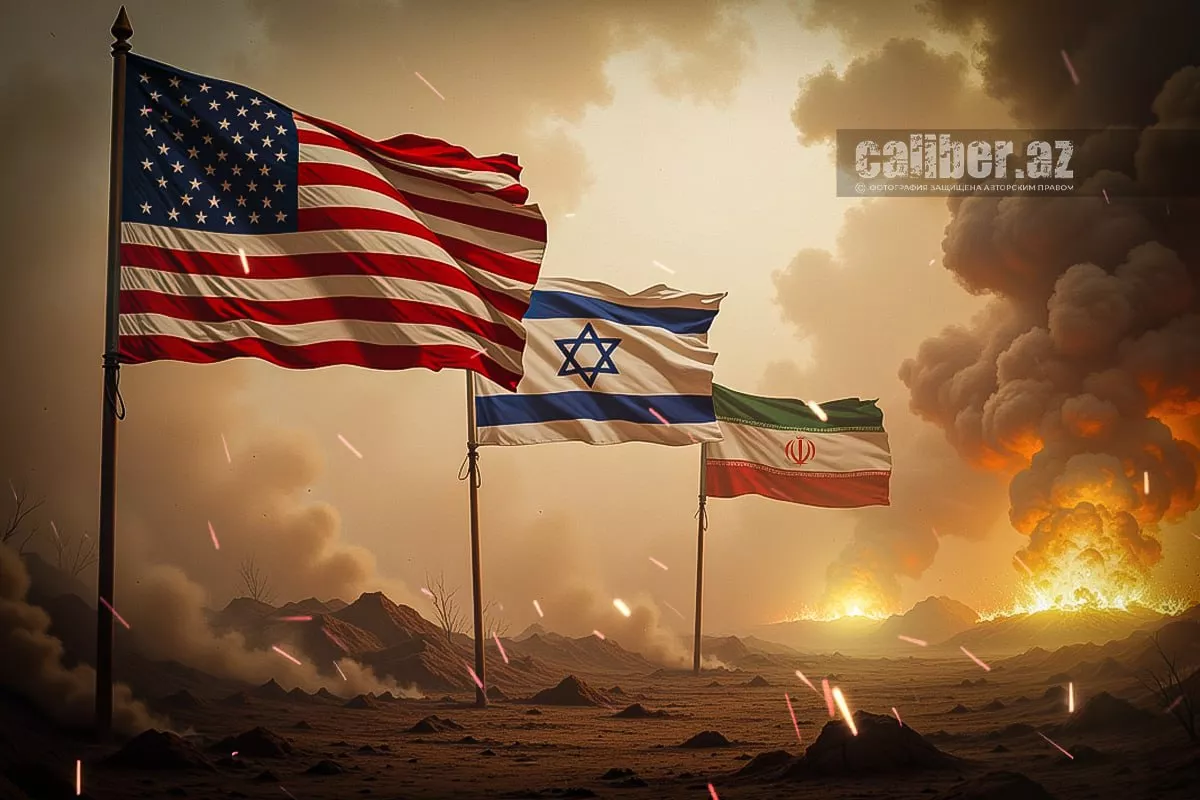
On the other hand, if rebellious Iranians manage to seize parts of the country, the U.S. and Israel would likely implement the so-called “Libyan scenario,” meaning that while the insurgents fight the government on the ground, their external allies would strike loyalist forces with air power. Such a sequence of events would be the most dangerous for the Iranian regime. It would not trigger national unity around the flag, just as it did not in Libya. Sociological surveys conducted in Iran by researchers from the Netherlands showed that after the 12-day war, the majority of Iranians still oppose the regime—the number even increased by 6 per cent.
However, it is too early to write off the Islamic Republic. It has repeatedly demonstrated resilience and suppressed opposition movements. Nevertheless, the situation is the most dangerous for Iran’s authorities in decades, due to the combination of three factors: widespread participation of the population in protests, armed uprisings in the provinces alongside protests in major cities, and the potential external support for these protests.







 editor@caliber.az
 +994 55 444-88-98
 Азербайджан, Баку, ул. Низами, 203, Af Business House, 5-й этаж