










Lebanon – Israel: negotiations in the shadow of war Expert insights
Recently, a meeting took place in the southern Lebanese city of Nakura with the participation of Lebanese and Israeli officials, which, according to the prime ministers of both countries, was held in a positive atmosphere.
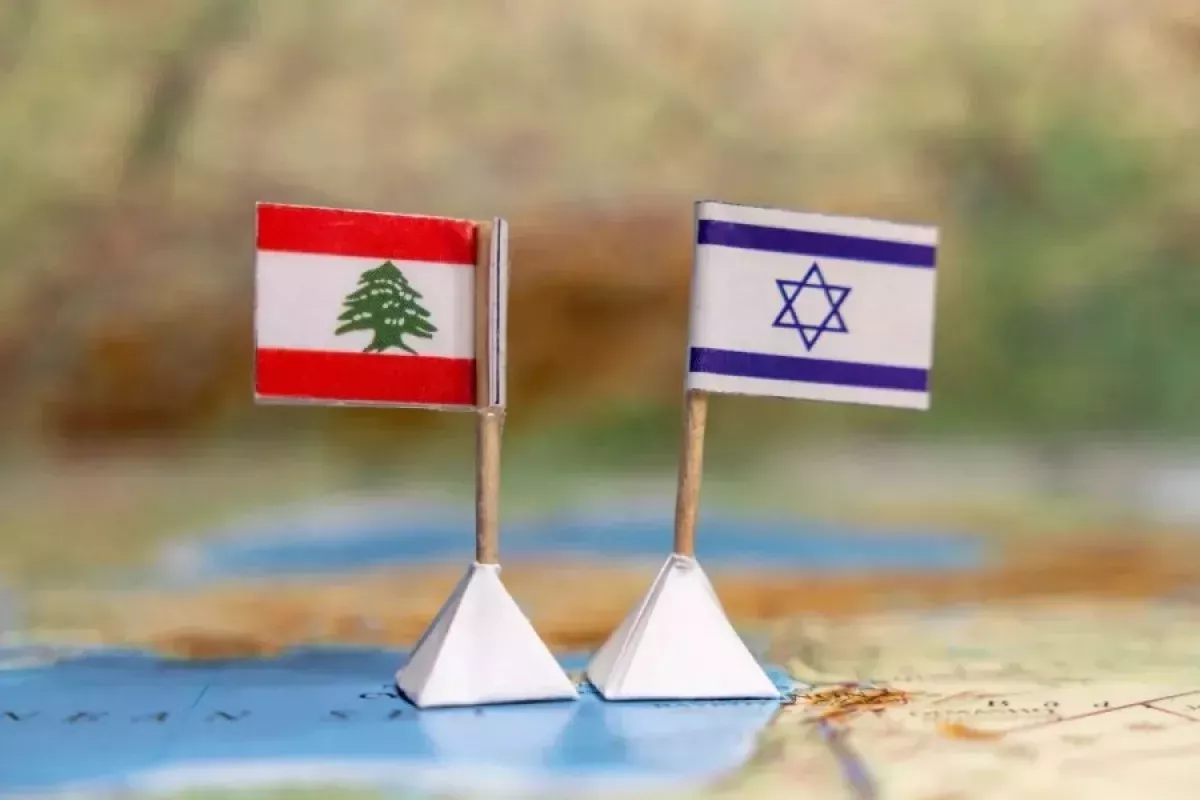
At the same time, experts note that “Israel may reduce the number of attacks on Lebanon.” However, prior to the meeting, Israeli media reported that “military strikes are inevitable,” that “an operation’s start is only a matter of time,” and that Tel Aviv “is preparing for military escalation,” citing the growing strength of Hezbollah.
Analyst for the Israeli newspaper Israel Hayom, Danny Zaken, emphasises that there are currently two separate, independent processes between Israel and Lebanon. According to him, the first is military, aimed at eliminating Hezbollah’s armed capabilities, while the second involves political contacts with the Lebanese government.
How realistic is the process of normalising Israel-Lebanon relations? Can Beirut independently undertake the disarmament of Hezbollah, or will Israel have to act on Lebanese territory, thereby inevitably undermining the small measure of trust recently established between the two sides? Israeli experts answered these questions for Caliber.Az.
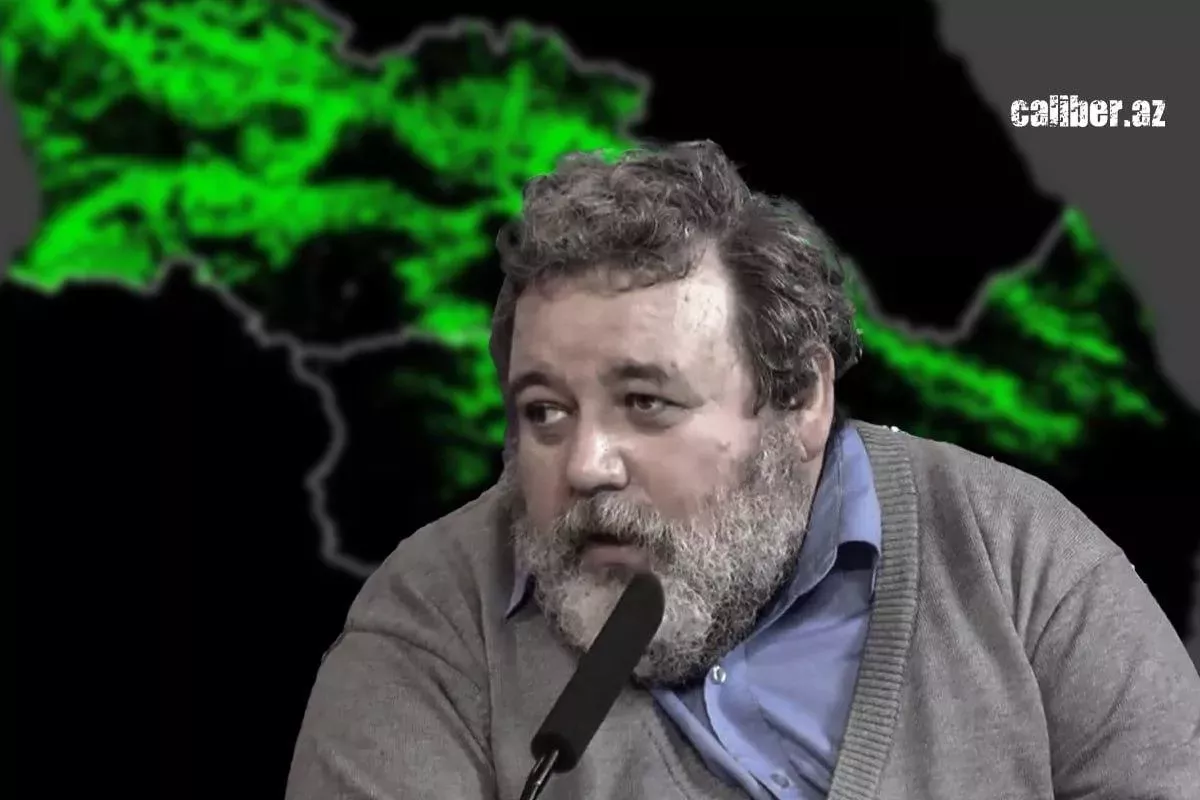
Renowned Israeli writer, publicist, and military expert Peter Lukimson believes that Israel’s main interest is clear: to make its border with Lebanon completely secure, thereby ensuring the safety of residents in the numerous towns and settlements along that border.
“Even today, many residents of these towns who left in 2023 are afraid to return home, fearing renewed shelling from Hezbollah. Many villages remain half-empty, in part because some houses destroyed by shelling have not yet been fully rebuilt. At the same time, a significant portion of Israel’s agricultural land and food industry facilities are located in the north. Due to underutilization, we have to increase food imports, threatening our food security. Naturally, Israel cannot tolerate such a situation,” he said.
Lukimson also highlighted the international dimension: “Under the ceasefire agreement reached a year ago, the Lebanese army was supposed to disarm Hezbollah, turning it from a military into solely a political force, thereby eliminating the security threat to Israel from this organisation. This condition was not met. Moreover, with Iran’s support, Hezbollah is actively restoring its combat capabilities.”
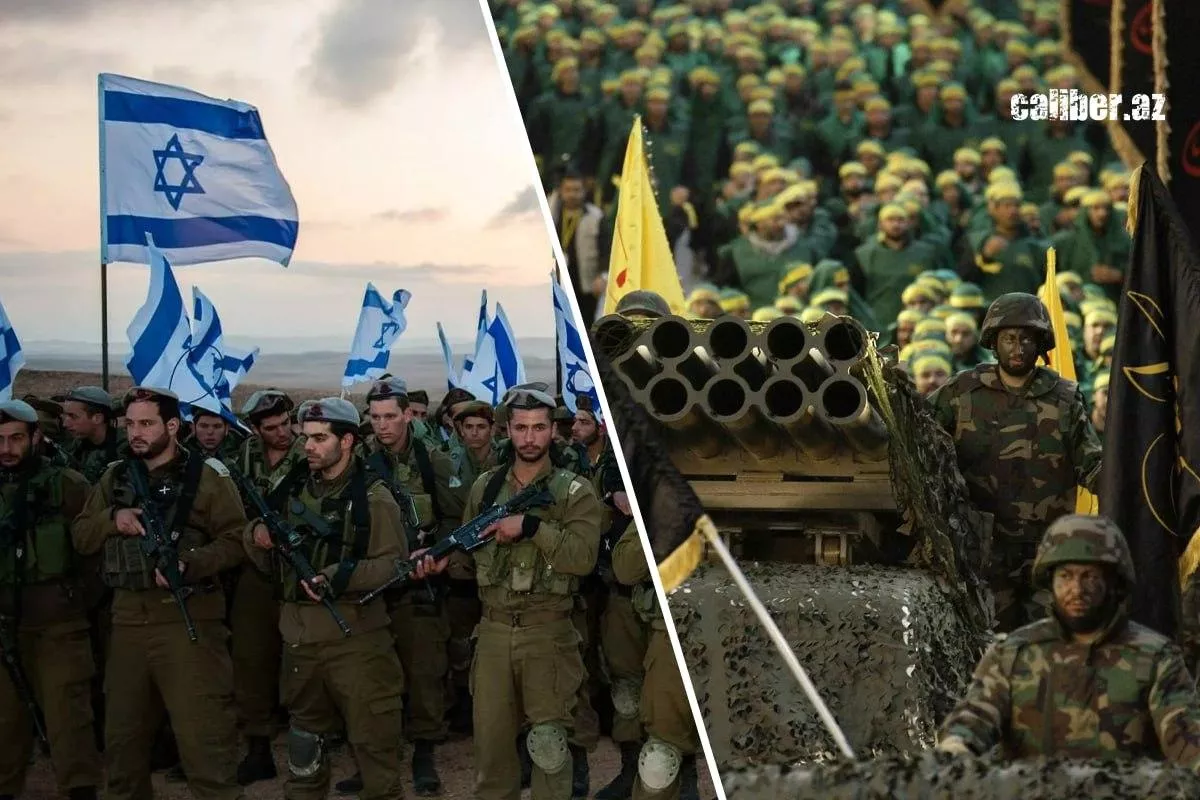
Discussing the potential of the Lebanese army, he identified this as the weak link in the de-escalation process.
“Frankly, all parties to the agreement understood that the Lebanese army could not accomplish this task: firstly, it is weaker than Hezbollah; secondly, it includes many of the same people who are in Hezbollah—if not the fighters themselves, then their relatives. Therefore, they are not in a hurry to disarm Hezbollah. The violation of the agreement is evident, and the Lebanese government openly admits that it cannot fulfill it, at least at this stage. This forces Israel to intervene to achieve Hezbollah’s disarmament, a position deemed justified by the U.S. and several Arab countries, including Saudi Arabia,” the military expert said.
According to Lukimson, the current escalation on the Israel-Lebanon border is almost certain to lead to a new Israeli Defense Forces (IDF) operation in Lebanon, aiming at Hezbollah’s full disarmament or at least pushing its forces from southern Lebanon northward, up to the Litani River.
“By all estimates, the operation will begin either at the end of December or immediately after the start of the new year. It should be noted that a significant part of the Lebanese population—primarily Christian Maronites, Druze, and Sunni Muslims—is interested in Hezbollah’s disarmament. They understand that only through this can peace and prosperity return to the country. Lebanon is a country with enormous potential, capable of becoming one of the region’s richest and most prosperous nations. All this time, Hezbollah and Iran have been undermining it from within, pushing it into confrontation with Israel. Without ending this confrontation and eliminating Hezbollah as a military force that overshadows the Lebanese army, Lebanon will receive no aid from either the U.S. or Saudi Arabia, and therefore cannot recover. So everything happening is in the interest of the Lebanese people,” Lukimson emphasised.
He stressed that political dialogue and normalisation between the countries have been discussed for a long time.
“This is entirely possible considering there is no territorial conflict between the sides—only disputes over border demarcation, amounting to a few hundred meters or, in some areas, tens of meters, which is entirely resolvable. However, this is only possible if Israeli territory is not shelled from Lebanon and provocations from the Lebanese border cease, similar to those recently observed on the Azerbaijan-Armenia border. This cannot happen without Hezbollah’s disarmament and the demilitarisation of southern Lebanon. That is why Israel, the U.S., and Saudi Arabia insist on this matter, and I believe they will pursue it to the end or almost to the end: Hezbollah as a political party—yes; Hezbollah as a terrorist organisation—no,” Lukimson stated.
Concluding his thoughts on diplomatic dynamics, the expert said: “The Lebanese government will not rush into full normalisation, to avoid appearing as a violator of the convention. It expects to take this step after the expansion of the Abraham Accords, which will include Saudi Arabia. As I mentioned, we have quite close cooperation with Saudi Arabia, including in the military sphere: Israel partially uses its airspace, and our representatives attend international forums there, though this is carefully veiled due to the Palestinian issue. At the same time, without moving this cooperation into an open stage, it is impossible to construct a transnational highway from the Arabian Peninsula to Europe via Israel.”
Meanwhile, Israel Defense Forces (IDF) reserve officer and military observer Yigal Levin emphasised that the prospect of normalization between Israel and Lebanon is not determined by Washington’s position.
“Since the ceasefire in Lebanon, Israel has, in fact, been striking Hezbollah almost daily because it continuously violates ceasefire agreements—from the obligation not to operate in southern Lebanon to restoring terrorist infrastructure and transporting weapons from Iran via Syria. Israel carries out targeted eliminations, including high-ranking figures that Hezbollah replaces. Therefore, it is not a matter of refraining from hostilities and waiting for a ‘green light’ from the U.S. The main question is whether this will escalate into a full-scale military campaign. And here, everything depends on how successfully dialogue between the Lebanese and Israeli governments progresses, both through the U.S. and other intermediaries, as well as directly,” Levin stated.
According to him, the course of negotiations determines the risk of escalation:
“If dialogue reaches a deadlock and at some point Tel Aviv sees no alternative to military measures, a need for a full-scale operation may arise. But for now, this is routine, and the U.S.’s role is limited to that of a mediator.”
The expert also emphasised that the current situation is a limited war, not a frozen conflict:
“Hostilities continue; for example, recently Israel conducted intensive strikes on Hezbollah warehouses in Lebanon. This was not a targeted elimination but a full-fledged airstrike, with civilians warned in advance. Some of these episodes appear in the media, some do not, but the war is ongoing,” Levin concluded.







 editor@caliber.az
 +994 55 444-88-98
 Азербайджан, Баку, ул. Низами, 203, Af Business House, 5-й этаж