










“Provocateurs like Solovyov are pushing Russia to catastrophe” Central Asian experts on Caliber.Az
The well-known Kremlin propagandist Vladimir Solovyov has once again crossed all boundaries of common sense, calling on his country’s leadership to wage wars against Central Asian states and Armenia. He suggested “ignoring international law” and “considering the possibility of conducting a ‘special military operation’ in Armenia and Central Asia.”
“We shouldn’t be dealing with Syria or Venezuela right now. We must not lose our positions. But the most important thing for us is our near abroad,” he stated.
How should those directly targeted by such threats respond?
For example, the Chairman of Armenia’s Television and Radio Commission, Tigran Hakobyan, called the Russian TV host Vladimir Solovyov a “maniac” and proposed stripping him of the Armenian state award — the Order of Honour — for his statements about the possibility of carrying out a ‘special military operation’ in Armenia.
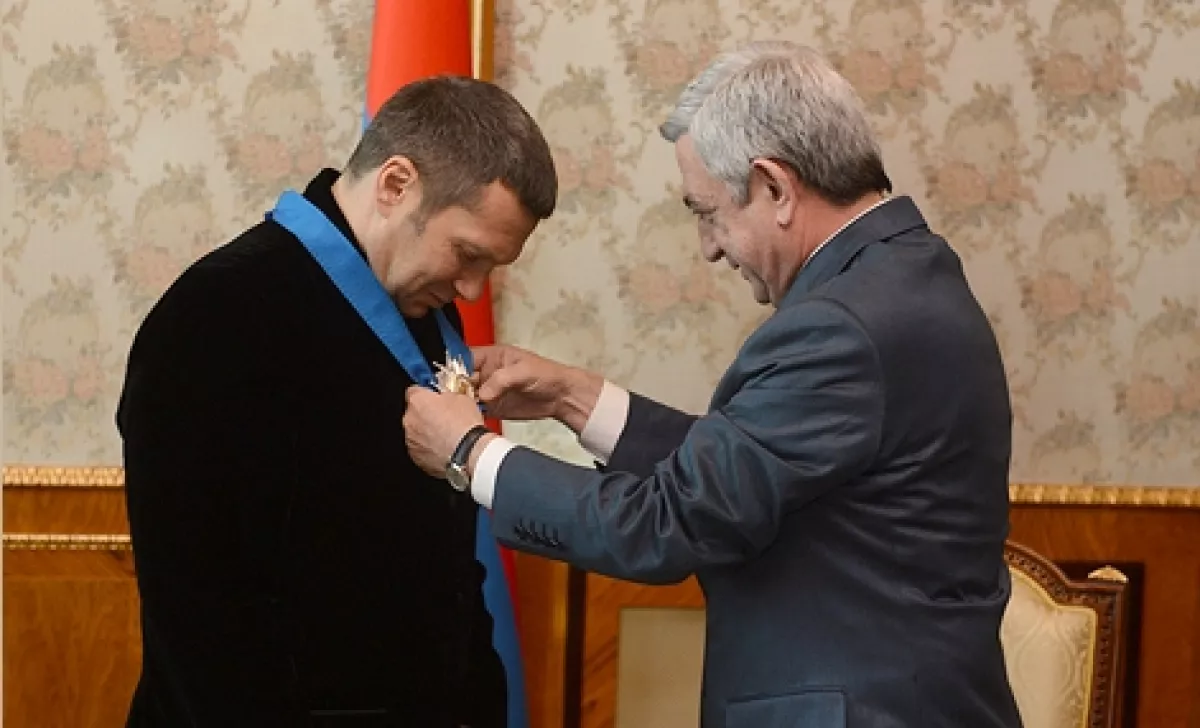
The award in question is one of the highest honours of the Republic of Armenia, which Solovyov received in 2013 “for his significant contribution to the establishment and development of friendship between the peoples of Armenia and Russia.”
According to Hakobyan, under the existing procedures, Solovyov should be stripped of the order, since a person who regularly threatens Armenia and the Armenian people, “wishes disaster upon the country and promotes misanthropic rhetoric,” cannot be worthy of such an award. “This is our disgrace,” the commission head emphasised.
On January 12, Russia’s ambassador to Armenia, Sergey Kopyrkin, was summoned to the Ministry of Foreign Affairs and presented with a formal protest note following the propagandist’s statements. “The ambassador was handed a protest note expressing deep indignation regarding the statements made on a programme broadcast on a state television channel. It was emphasised that such statements constitute an unacceptable encroachment on the sovereignty of the Republic of Armenia, a hostile act, and a gross violation of the fundamental principles of friendly relations between Armenia and Russia.”
Sharp criticism was also voiced by well-known Uzbek journalist and blogger Nikita Makarenko. He noted that in no country in the world would employees of state-run media openly promote ideas that deny the sovereignty of their own nation—or that of neighbouring states. In his view, Russia is the sole exception.
Makarenko stressed that Solovyov is not expressing a personal opinion, but rather conveying official messages he has been tasked to deliver. The journalist highlighted that, in Moscow, the countries of Central Asia are not seen as equal partners or allies; instead, they are treated as sources of raw materials and a colonial periphery.
He argued that Russian-speaking citizens of Uzbekistan should unite around the idea of a peaceful, sovereign state, work to build an independent future free from “colonial masters,” and defend their homeland.
Experts from Central Asian countries also shared their assessments of Solovyov’s remarks with Caliber.Az.
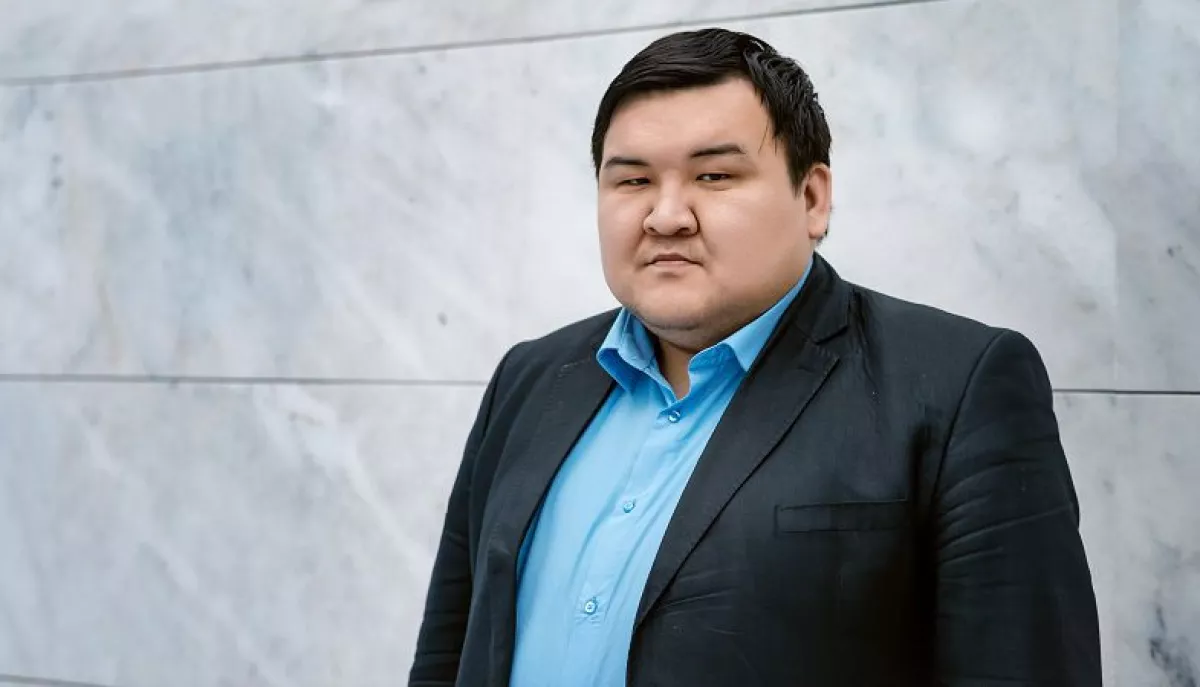
Kazakh political scientist and scholar Zhaxylyk Sabitov noted that Vladimir Solovyov’s rhetoric and his statements about the possibility of conducting a “special military operation” in Armenia and the countries of Central Asia have two distinct dimensions.
“First, this is part of his work as a showman: he must constantly entertain his audience and come up with ‘fresh’ ideas when the old ones run out.
Second, his remarks reflect the views of a certain segment of the Russian political elite. This segment is convinced that the countries of Central Asia and Armenia do not possess genuine independence, remain within Russia’s sphere of influence, and are, in effect, its satellites.
This represents an attempt to formulate a kind of ‘Monroe Doctrine’ for Russia in the post-Soviet space. Under this logic, these territories are perceived as ‘our land,’ where Russia believes it has the right to do whatever it wants, treating them as its ‘exclusive zone of responsibility,’” the scholar explained.
However, he continued, such statements are merely “verbal interventions,” since the real situation has changed following the start of Russia’s war against Ukraine.
“In Central Asia, Russia can no longer act as freely as it once did, as China’s influence in the region has increased dramatically. Any actions are now impossible without taking Chinese interests into account.
In the South Caucasus, Russia’s influence has virtually ‘evaporated’ since the start of the war against Ukraine. Azerbaijan independently restored its territorial integrity, while Armenia has begun to reorient itself toward other centres of power, distancing itself from Moscow.
Thus, the aggressive rhetoric heard in the media represents a combination of media spectacle and the reflection of imperial views held by segments of the elite—views that, under the current geopolitical realities, are no longer supported by any real capacity to control these regions,” Sabitov stated.
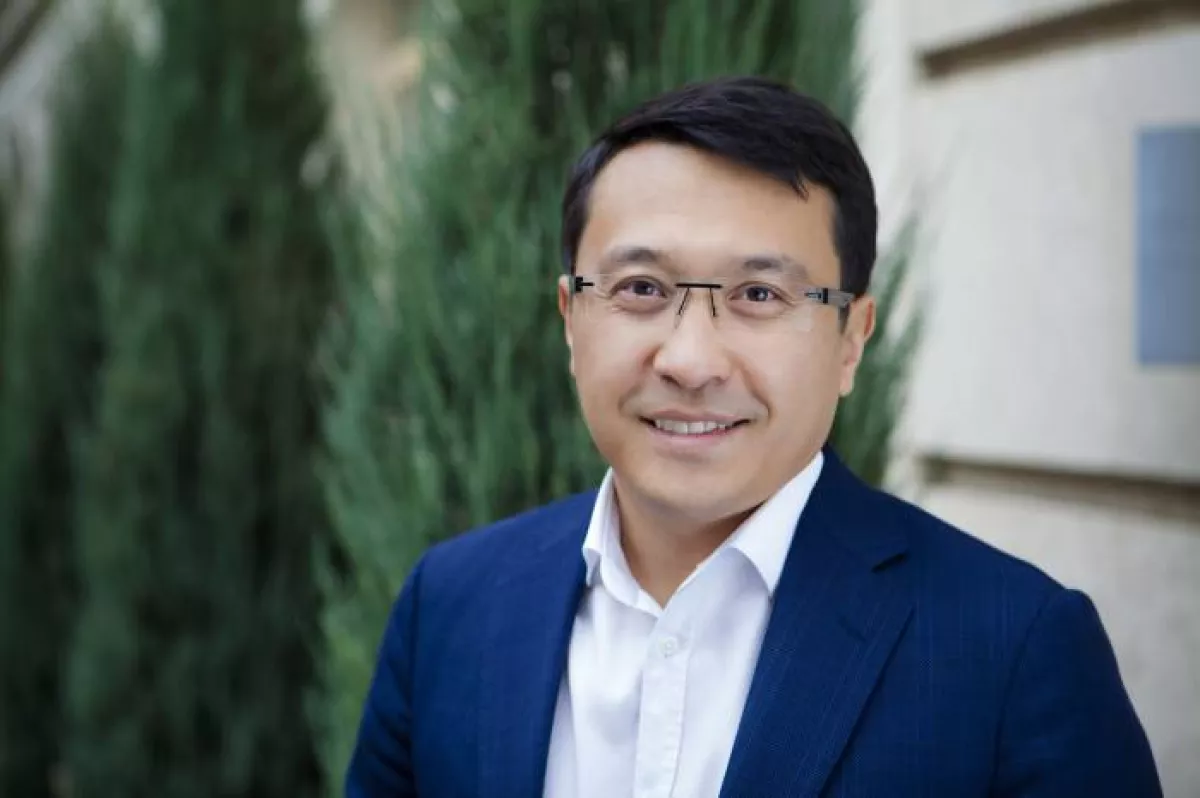
Kyrgyz analyst and international law expert Japar Usenov emphasised that such statements do not foster closer ties between countries—they do exactly the opposite
“The rhetoric of threats, the disregard for international law, and the discussion of violence against neighbouring states undermine the trust that has been built over decades among societies, businesses, and governments.
Rather than strengthening partnerships, it triggers a natural defensive reaction: a drive to distance oneself, assert sovereignty, and explore new forms of cooperation free from the pressure of ‘older brothers.’ In the modern world, mutual respect and equality are the only reliable foundation for good-neighbourly relations. Anything else inevitably leads to division, not rapprochement,” Usenov stressed.
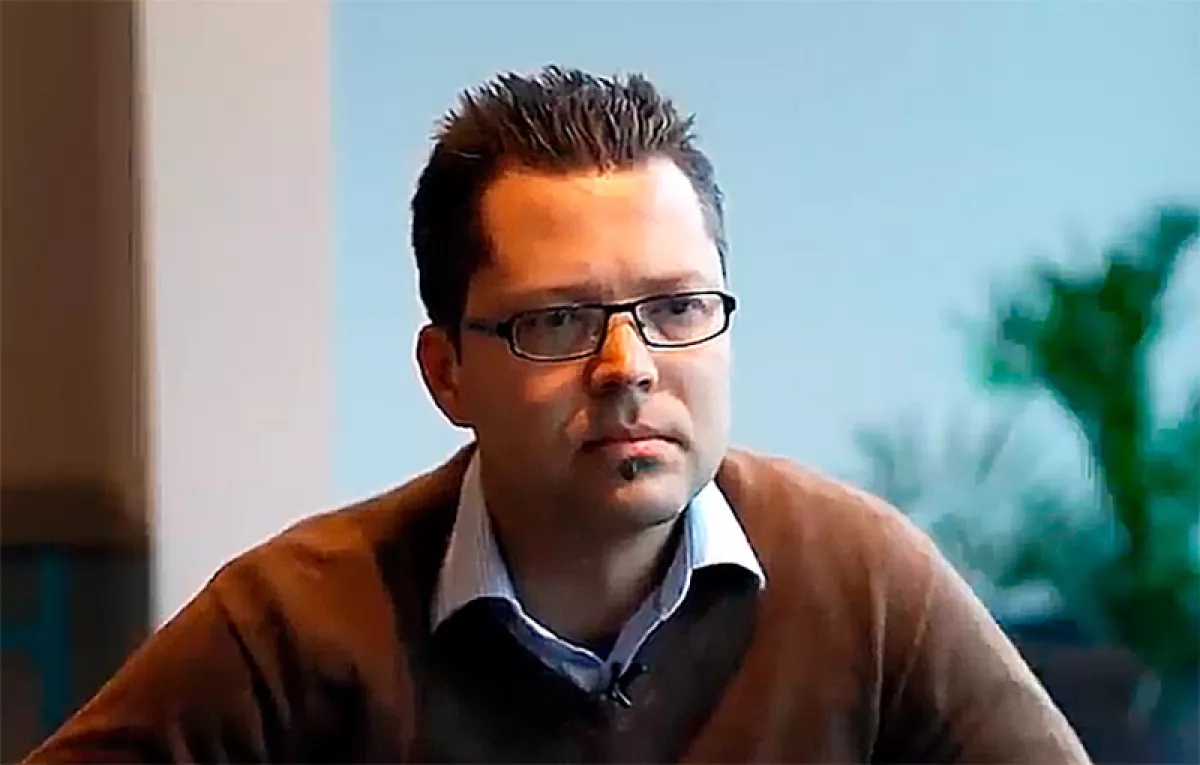
Turkmen analyst and editor of Turkmen.news, Ruslan Myatiev, said he had seen the original video.
“Well, what can you say? It’s nonsense—a kind of psychosis from a deranged man whose tongue, as they say, is like a broom. At one point, he even shouted that Russia didn’t need Crimea. ‘What? Heaven forbid!’—all those clips are still circulating online. He claimed there would be no war with Ukraine, only to quickly reverse his stance later. Now he tries to broadcast his own thoughts, ideas, and desires to the Kremlin. Of course, this man can say whatever he wants, but I am confident that the authorities of the Central Asian states will draw the right conclusions from it,” Myatiev said.
As for whether Solovyov’s calls could ever be realised, even he seemed to question it:
“I believe it is highly unlikely, because the regimes in the five Central Asian republics remain generally loyal to Moscow. Take Turkmenistan, for example (I’ll speak for it). Officially, it is a neutral country, but it is no secret that the political support and backing of the Turkmen authorities comes from the Kremlin.
As for whether Solovyov’s nonsense should be taken seriously—tomorrow, the leadership in Russia could change. Putin could leave, someone else could take over, and Russian foreign policy could shift. This propagandist would likely change his stance just as quickly and, in all probability, would be discarded as an unnecessary relic,” Myatiev added.
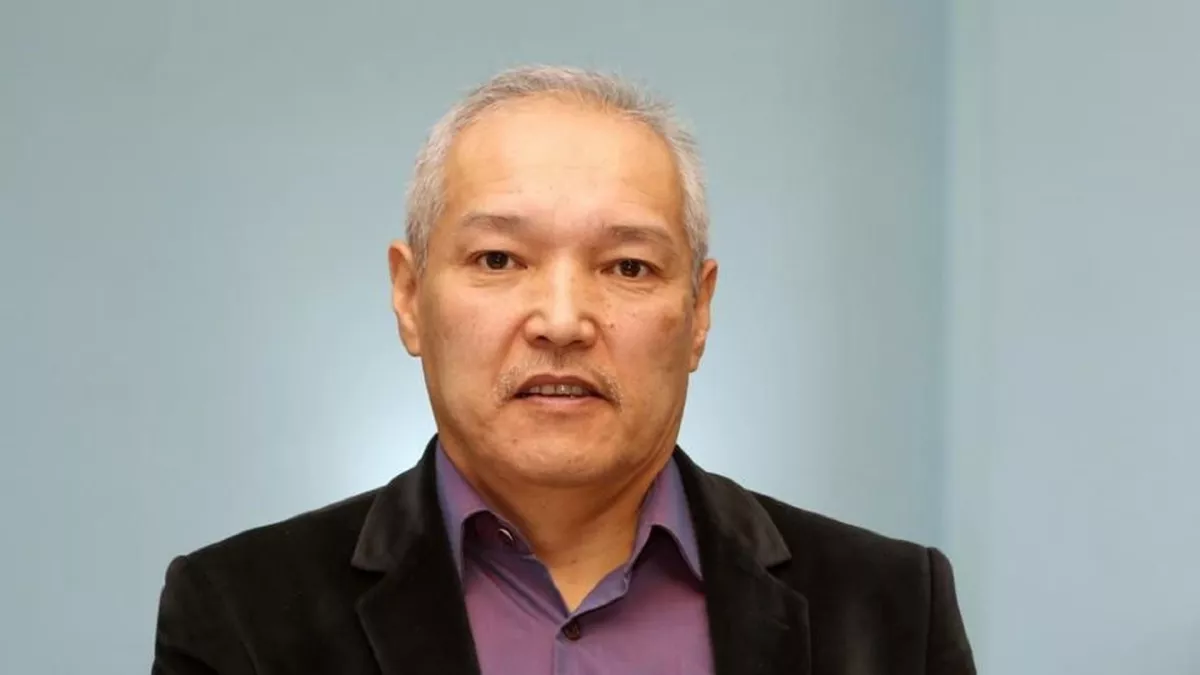
Kazakh political commentator Aidar Amrebaev points out that Vladimir Solovyov’s outbursts are largely opportunistic, periodically spilling from the state television.
“I think this statement reflects his crude, reflexive reaction to events at the start of the New Year—specifically, the U.S. special operation against dictator Maduro. It is his ‘caveman extrapolation’: because America has a zone of privileged interests, Russia must be entitled to something similar in the post-Soviet space—particularly in the South Caucasus or Central Asia. But this fantasy has nothing to do with the actual state and capabilities of contemporary Russia. The outcomes of the so-called ‘special military operation,’ which has already lasted longer than the USSR’s war against Nazi Germany, clearly demonstrate this. It has proven to be a futile and burdensome venture, bringing immense suffering, costs, and problems to millions—both worldwide and within Russia itself,” Amrebaev said.
He emphasised that Russia is not the United States.
“Russia does not—and never will—possess the capacity of an ‘imperial power’ to pursue any expansionist ambitions. This is dangerous primarily for the integrity of modern Russia itself. The country must finally ‘come to its senses,’ become a normal, civilised nation-state, respected among the world’s major powers and a reliable partner for its neighbours. Unfortunately, provocateurs like this ‘so-called journalist’ only worsen the challenge of Russia reclaiming its true identity, cloud the public’s perception, and push the nation toward a national catastrophe. The first thing those who genuinely care about Russia’s national interests should do—for the good of the country itself—is to permanently silence this messenger of lies and of schemes harmful to Russia,” Amrebaev concluded.







 editor@caliber.az
 +994 55 444-88-98
 Азербайджан, Баку, ул. Низами, 203, Af Business House, 5-й этаж