










Tbilisi caught between new US strategy and old EU demands Article by Vladimir Tskhvediani
On December 5, 2025, the United States unveiled a new National Security Strategy that provoked a sharply negative reaction in the EU. The document runs counter to the liberal course pursued by many European countries and to policies aimed at escalating anti-Russian military sentiment. In particular, the strategy highlights the EU’s economic and migration problems and states that the U.S. should cooperate with nationally oriented European parties that oppose further deepening of integration within the EU.
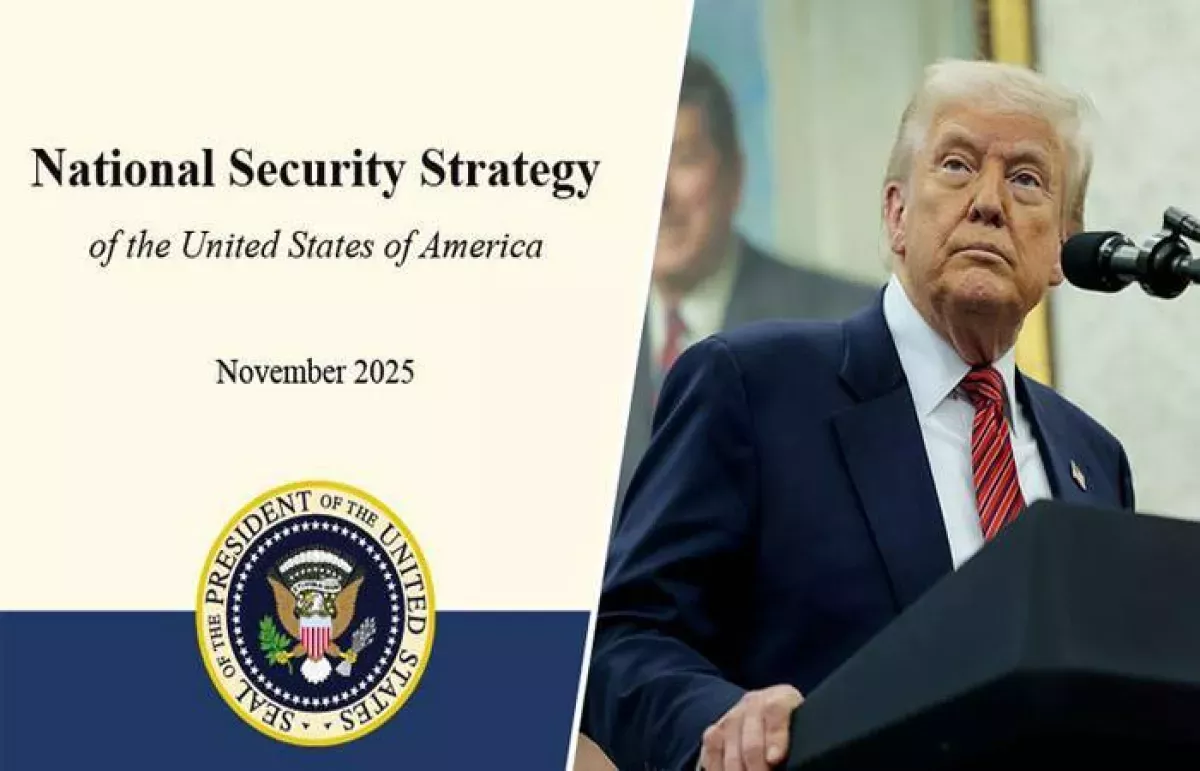
U.S. policy toward Europe, according to the document, should focus on a return to strategic stability in relations with Russia. In this context, the American administration identifies as a priority “ending the perception, and preventing the reality, of NATO as a perpetually expanding alliance.” China, in the new strategy, is presented not as a geopolitical rival but primarily as a trade competitor with whom mutually beneficial cooperation is not ruled out.
In effect, the new U.S. National Security Strategy largely echoes the theses regarding the EU that representatives of the Georgian Dream party have been voicing regularly in recent months, reflecting criticism directed at Brussels. It is symbolic that the EU High Representative for Foreign Affairs and Security Policy, Kaja Kallas, spoke negatively both about the new U.S. National Security Strategy and about the policies of the Georgian government. At the same time, she noted that, unlike Georgia, the United States is not seeking to join the EU, adding that, in her view, the Georgian authorities are taking steps “in the wrong direction.”
Thus, the very entrenchment of a pro-European integration course in Georgia’s Constitution has become a pretext for pressure from Brussels and a manifestation of a colonialist approach toward the country, as noted by Vice-Speaker of the Georgian Parliament Nino Tsilosani.
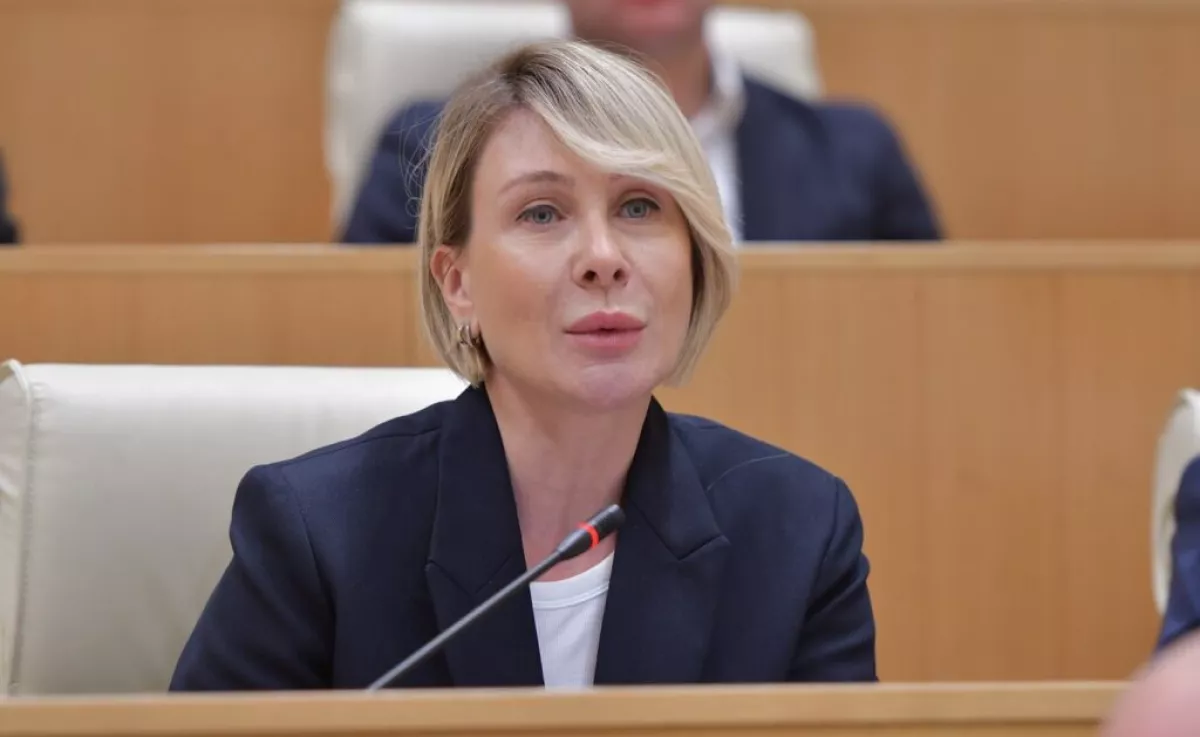
“Kaja Kallas’s words indicate that these people have a distorted understanding of freedom. If the EU is acting incorrectly, the United States has the right to criticise it and to say so publicly. Georgia has the same right. However, apparently, they view Georgia differently—through a colonialist lens—and believe that it does not have the right to take this, essentially correct, position,” Nino Tsilosani stated.
Immediately after the release of the new U.S. National Security Strategy, opposition to the constitutionally enshrined course toward NATO and EU membership was also voiced by the political force United Neutral Georgia, which is close to the ruling Georgian Dream party. According to the party’s assessment, the new U.S. strategy calls into question the future of NATO in its current form, while the absence of any mention of the South Caucasus in the document increases the risk of the region being used as a buffer zone in global confrontations.
“The new U.S. strategy not only limits NATO’s expansion but also calls into question the very existence of the alliance in its current form. As a result, Georgia finds itself bound by a constitutional obligation to seek membership in an alliance that officially no longer plans to admit new members and whose future is becoming increasingly uncertain… Taken together with other circumstances, it is necessary to adequately reassess the approaches presented by the United States, which significantly reshape global politics. Above all, the new reality must be acknowledged, the country must be brought out of ‘Euro-illusions,’ and efforts should be focused on obtaining neutral status,” the party’s statement says.
Earlier, United Neutral Georgia had also urged the government not to “pull the country toward a place where same-sex marriage, LGBT propaganda, gay parades, and pedophilia are considered the norm,” warning of severe consequences of joining the EU, which, according to the party, “is already in a prolonged economic crisis.”
The new U.S. National Security Strategy has effectively provided the Georgian authorities with additional arguments for abandoning the pursuit of EU and NATO membership “at any cost.” On December 17, 2025, Georgian Prime Minister Irakli Kobakhidze also issued a sharp statement directed at NATO, calling the Alliance’s “open-door policy” a “farce.”
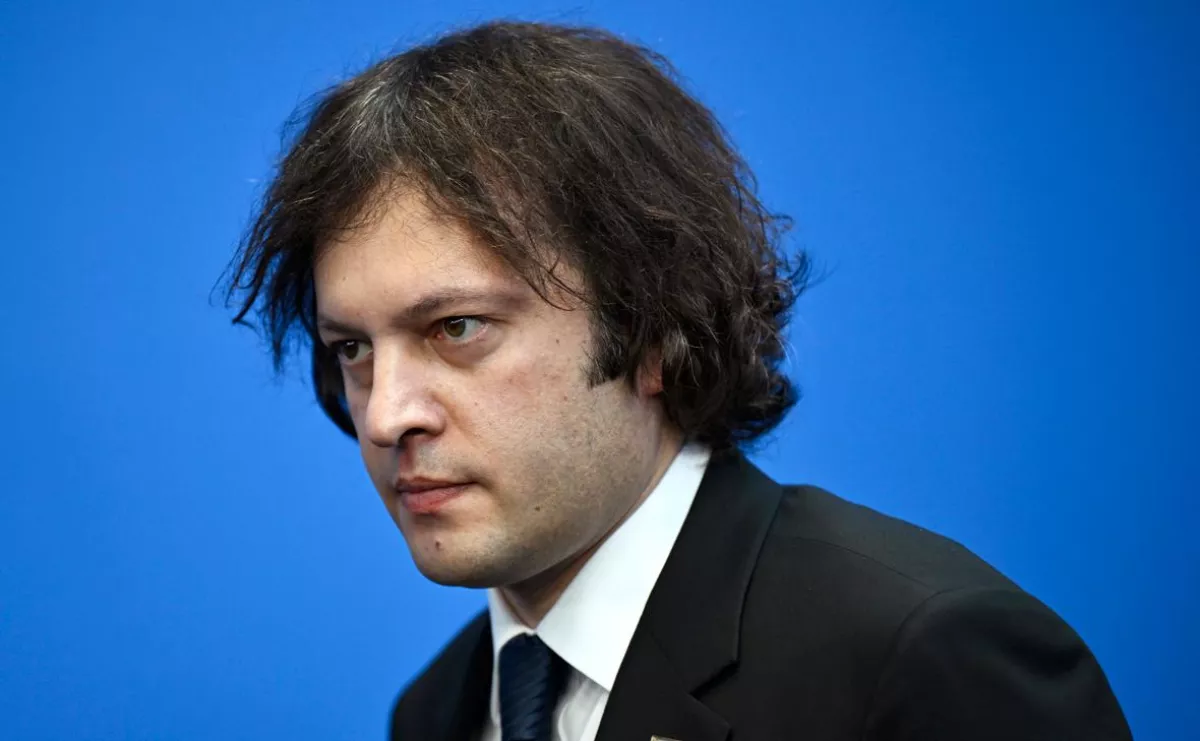
“[...] it was a farce. In reality, there was a double-standards policy, whose victims were first Georgia in 2008 and then Ukraine - twice, in 2014 and since 2022. These approaches are changing. We will pragmatically observe developments depending on what NATO’s priorities are, the priorities of the respective countries, and naturally, we will act in accordance with our national interests,” Kobakhidze stated.
For many serious analysts, it has long been obvious that Georgia never had a real chance of joining NATO—regardless of which party was in power in the White House. Georgia was intended to be cynically used in geopolitical games, much like Ukraine was used earlier and is now being effectively pushed by the same United States toward freezing the war on extremely unfavourable terms, including renouncing NATO membership. Kyiv currently has little real choice—even taking into account promises from EU allies to continue providing support. Without U.S. involvement, that assistance will in any case prove insufficient. Continuing the war, beyond bringing new losses and destruction, is highly likely to lead to even harsher conditions for freezing the conflict for Ukraine in the future.
Changes in the U.S. National Security Strategy and Washington’s de facto refusal to support further eastward NATO expansion have resulted in a sharp strengthening of the geopolitical position of Georgia’s current authorities. It has become clear that Tbilisi’s policy—over which the country’s leadership was subjected to harsh criticism from the EU—has in fact corresponded to the new geopolitical reality. Whereas previously the ruling Georgian Dream party’s deliberate “braking” of European and Euro-Atlantic integration provoked strong rejection from the administration of Joe Biden, today this course fully aligns with the policy of the White House under President Donald Trump.
The consequences of the shift in Washington’s geopolitical priorities under the administration of Donald Trump are evident not only in Europe. They are even more clearly visible in the United States’ “backyard” — Latin America, where right-wing conservative politicians ideologically close to Trump are coming to power one country after another. Thus, just recently, the right-wing conservative and supporter of Donald Trump, José Antonio Kast, was elected president of Chile.
Against the backdrop of this “rightward turn” on the American continent, rising tensions around Venezuela appear quite logical. Along with neighbouring Colombia, the country remains one of the last “left-liberal” strongholds in the Western Hemisphere. In this context, the question arises as to how serious Russia’s support for Nicolás Maduro’s government could be in the event of increased pressure from the United States. Despite the declared “alliance” with Caracas, Moscow is increasingly positioning itself as a “stronghold of conservatism” and demonstratively supporting predominantly right-wing political forces — a category to which Venezuela’s current leadership, by definition, does not belong.
Under the current conditions, Georgia’s authorities do not, in ideological terms, provoke serious objections from either Washington or Moscow. Moreover, given that the implementation of the “Trump Route” project enhances the importance of the South Caucasus for the United States, Russia is also interested in closer engagement with the Georgian leadership in order not to be sidelined from emerging transit projects.
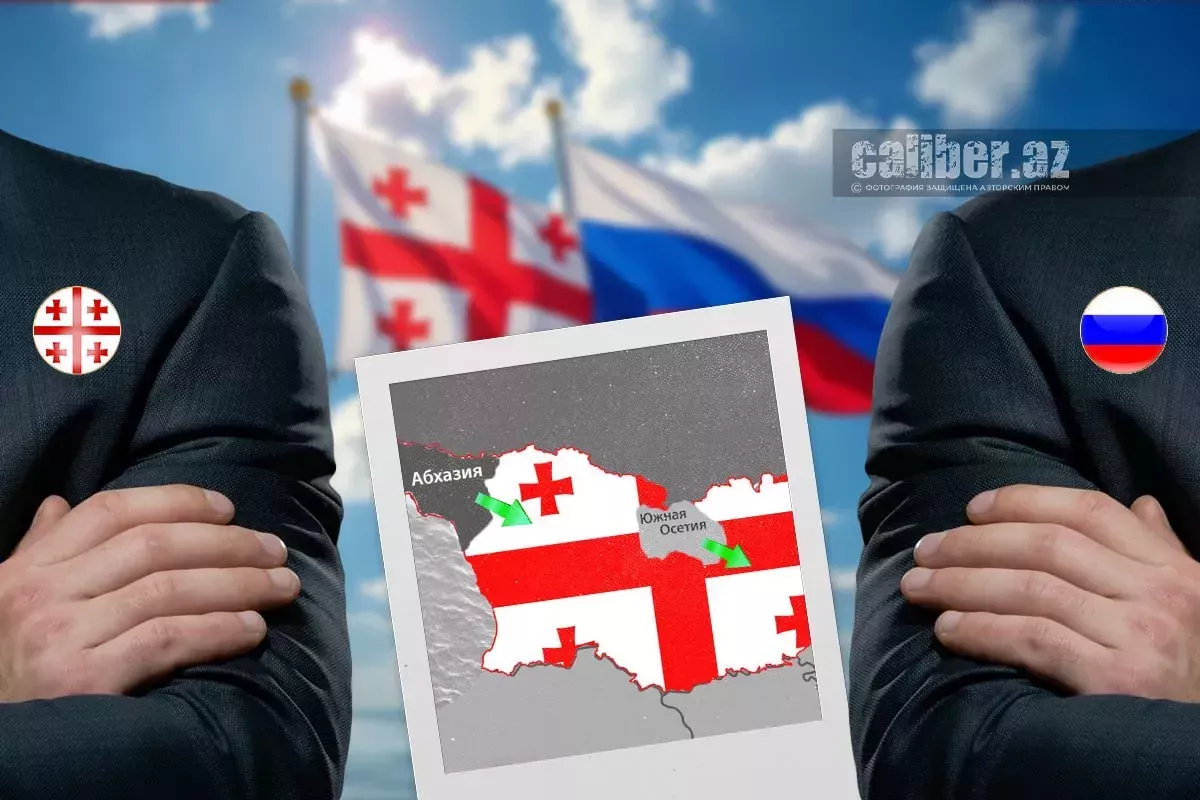
Moscow’s serious intent to normalise relations with Georgia—provided that the country does not become a “bargaining chip” in moves directed against Russia—was recently articulated by Mikhail Kalugin, Director of the Fourth Department for CIS Countries at the Russian Ministry of Foreign Affairs. Notably, the Russian Foreign Ministry official no longer referred to the earlier precondition of Tbilisi’s “recognition” of the separatist regimes in the occupied territories of Abkhazia and the Tskhinvali region. This serves as a clear signal that the Kremlin intends to seek mechanisms that would allow it, “without losing face,” to restore both diplomatic relations with Georgia and—of far greater importance for Moscow—transit through the still-occupied Georgian territories.
How exactly this process will unfold largely depends on the implementation of the ceasefire in Ukraine, being actively prepared by Moscow and Washington. Paradoxically, the authorities of war-torn Ukraine—who present themselves as “defenders of the Western world” and have unequivocally relied on their “European” allies—find themselves in an extremely vulnerable position in light of the new U.S. National Security Strategy. The Trump administration has effectively shifted the entire financial burden of supporting ideologically aligned Ukraine onto Europe.
The EU had agreed to provide Ukraine with roughly €90 billion in interest-free loans over the next two years; however, using frozen Russian assets as collateral for this loan proved impossible. As a result, the European Union will be forced to fund support for Kyiv through the budgets of European states themselves, whose economies are already under significant strain—not to mention sharply increased military expenditures.
It is no coincidence that on December 19, 2025, while commenting on the EU leaders’ decision to grant Ukraine a €90 billion interest-free loan, Georgian Parliament Speaker Shalva Papuashvili stated that, already, the war in Ukraine has “two losers”—Kyiv and Brussels.
“From today’s perspective, including in light of yesterday’s decision by the European Union, it is still impossible to say whether this war will have a winner. However, it can already be stated with certainty that it has two obvious losers — Ukraine and the European Union,” Papuashvili told journalists on December 19.
According to Papuashvili, “Ukraine, which now has to decide on the de facto recognition of the loss of its territories, has lost hundreds of thousands of its citizens over these four years, shed blood, and destroyed its economy,” while the European Union “bear the burden of financial assistance to Ukraine, including the provision of military aid.”
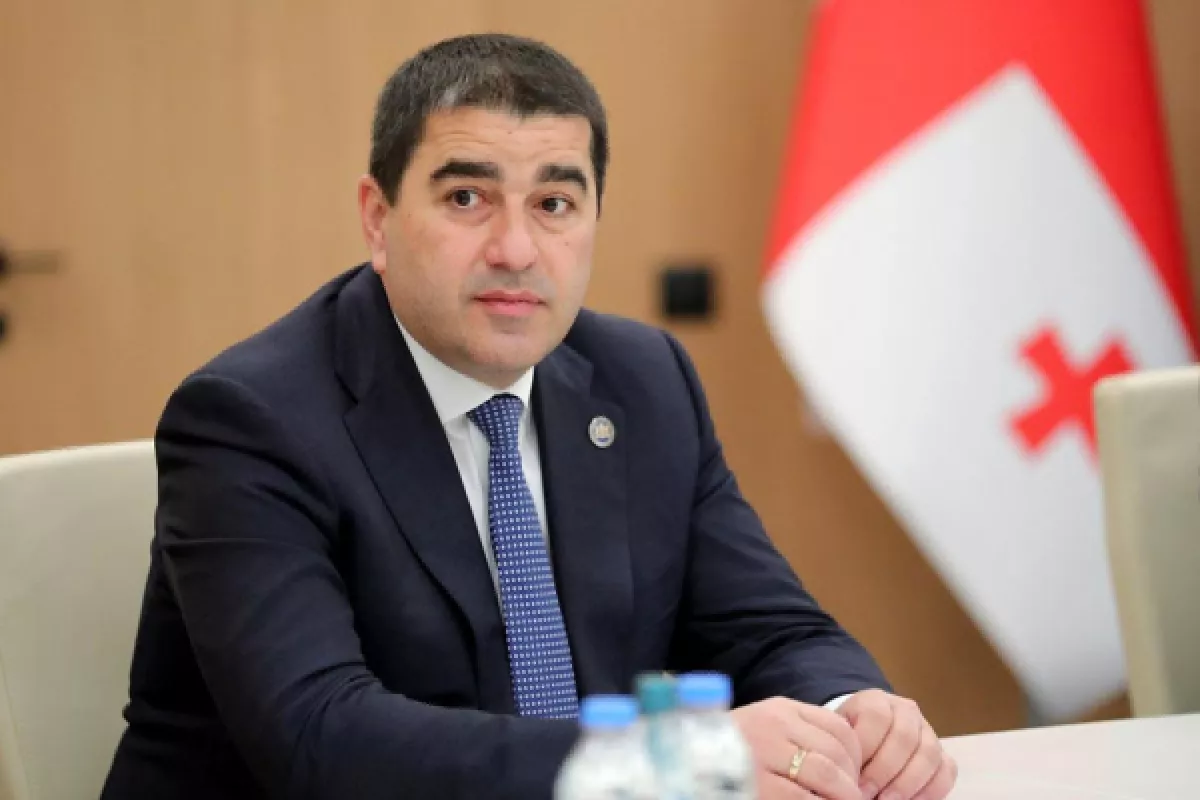
“With such debt obligations, the EU’s economic growth hovers around zero, and at the same time, we are witnessing a rise in internal political tensions,” he added.
Although in European and “pro-European” left-liberal circles today it has become common to label as “Kremlin agents” those who refrain from joining the anti-Russian hysteria—including the authorities of EU countries such as Hungary and Slovakia, accusing them of “insufficient support for Ukraine”—in reality, Georgia fundamentally takes the side of Ukraine as a state victim of military aggression.
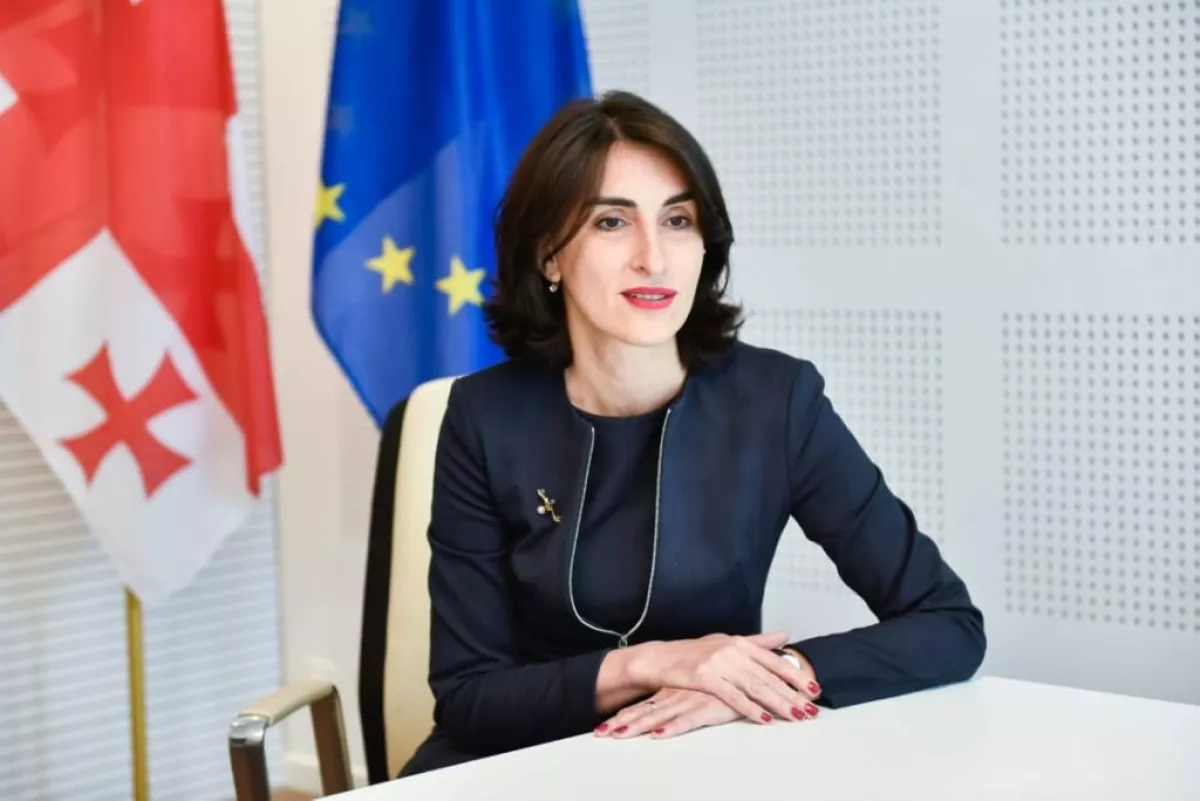
In particular, Georgia signed an international agreement establishing a mechanism for distributing reparations from Russia to Ukrainian citizens and businesses affected by the war. Georgian Foreign Minister Maka Botchorishvili personally attended the diplomatic conference dedicated to the signing of the convention, whereas most other participating countries were represented only at the ambassadorial level.
Notably, Ukraine is not the only country to have suffered from Russia’s military aggression—Georgia was also a victim of aggression in 2008. For Tbilisi, it is fundamentally important to establish an international precedent for holding a country accountable for invading foreign territory. Should such a precedent be set against Russia for the 2022 war against Ukraine, Georgia would have the opportunity either to file similar claims regarding the events of 2008 or to use the very prospect of potential legal pressure as a tool to protect its national interests in the process of de-occupation and the normalisation of diplomatic relations with Russia.
At present, the greatest pressure on the Georgian authorities comes from Brussels. However, there is no doubt that the “wave of right-wing turns,” which is currently spreading rapidly across Latin America, will sooner or later reach the European continent. In such a scenario, support for Georgia’s current government within the EU could come not only from Hungary and Slovakia but also from other states.
The Georgian authorities did not attach particular significance to the European Commission’s latest threat to potentially suspend the visa-free regime for Georgian citizens in the EU. In its report on partner countries’ compliance with visa-free requirements, the Commission once again reiterated its ultimatum-like demands to Tbilisi, including the repeal of the “foreign agents” law and the “family values” law.
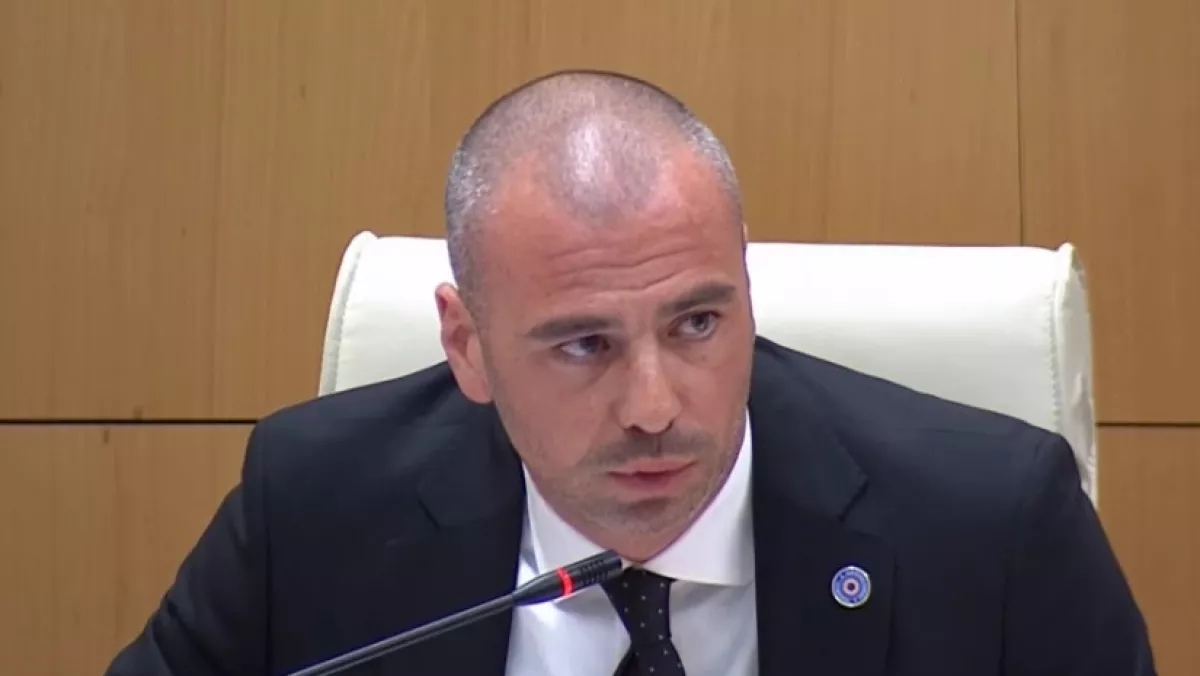
In response, Deputy Chairman of the parliamentary faction Georgian Dream, Levan Machavariani, expressed confidence that the European Union would not suspend the visa-free regime with Georgia, having realised that such measures would not lead to destabilisation or a “revolutionary scenario” in the country.
“Nothing was surprising for us in this report — we had already spoken about all of this beforehand. Essentially, it is just a matter of recording in the document the rhetoric we have long been hearing from EU bureaucrats,” said Levan Machavariani.
By Vladimir Tskhvediani, Georgia, exclusively for Caliber.Az







 editor@caliber.az
 +994 55 444-88-98
 Азербайджан, Баку, ул. Низами, 203, Af Business House, 5-й этаж