










The Middle East on the brink Managed instability instead of all-out war
In an interview with Caliber.Az, Israeli political analyst, PhD in political science, and editor of Aziznews.com Yuri Bocharov offers an in-depth assessment of the risks of escalation between Iran and Israel, China’s role in Tehran’s strategic calculations, the volatility of the Saudi–Yemeni track, and the broader geopolitical trends that are likely to define the Middle East in the near future.

— Mr Bocharov, in your view, against the backdrop of the ongoing confrontation between Iran and Israel, how likely is another military clash between them in the coming year? And will the United States be directly involved in this process?
— The possibility of a clash between Israel and Iran in the coming year cannot be ruled out. However, for now, we are not talking about an inevitable war, but rather about a controlled escalation of tensions. In recent months, statements have been regularly voiced in Israel that Iran continues to develop its missile and nuclear programmes, and that the nuclear threat, in Tel Aviv’s view, has not been eliminated. Against this backdrop, the idea of a pre-emptive strike is once again being discussed.
At the same time, Iran is engaged in unproductive negotiations with the European Union and the United States, is under severe sanctions pressure, and yet shows no readiness for compromise. However, under the current conditions, neither the EU nor the US is prepared to be the first to launch a war against Iran. American strategy as a whole is built around avoiding direct military conflicts.
In this context, Israel today acts more as an instrument of psychological pressure. Real military action would only be possible with full political coordination with key external players. The aim of the current pressure is to push Tehran towards genuine negotiations amid a deepening economic and humanitarian crisis. If this calculation works, the issue of a military strike will fall off the agenda. If not, the risk of a force-based scenario will remain.
— How do you assess the potential support from China when it comes to restoring Tehran’s missile and nuclear programmes?
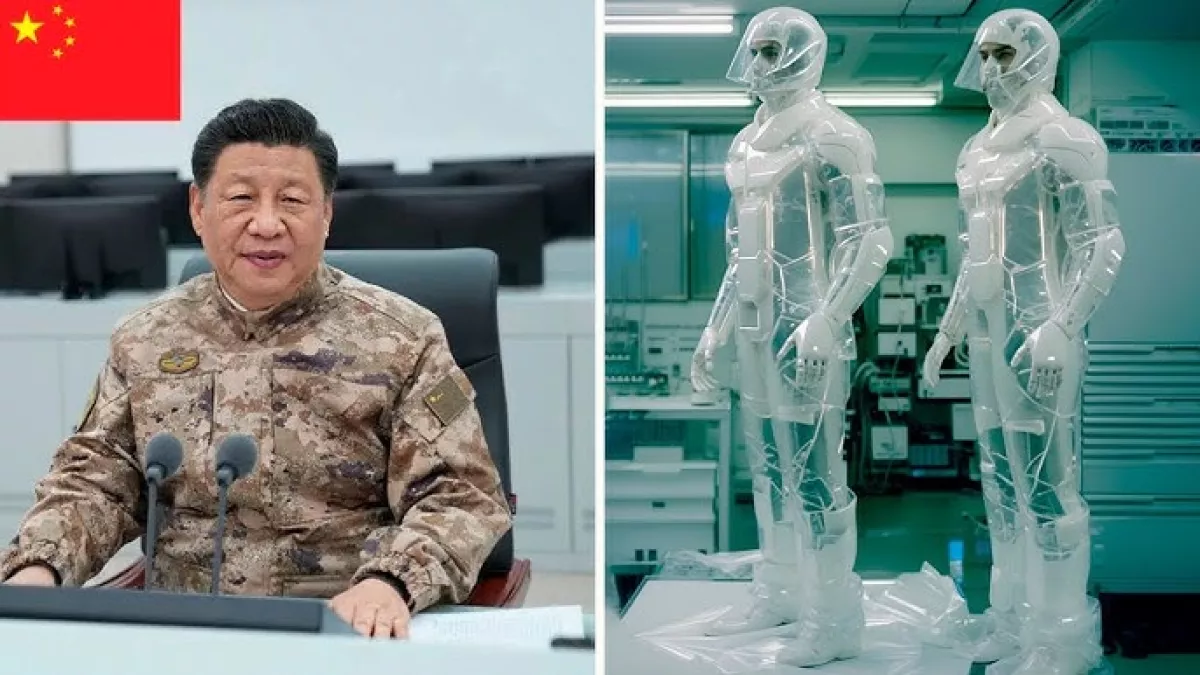
— China’s support for Iran should primarily be viewed through the lens of pragmatic business interests, rather than as part of a political or, even more so, a military alliance. China is one of the few countries that continues to purchase Iranian oil, often at discounted prices, effectively bypassing the sanctions regime. This creates an economic incentive for Beijing to accommodate certain requests from the Iranian leadership.
— Do you consider the transfer of military technologies from China to Iran to be possible?
— I believe that in exchange for oil supplies, China may indeed transfer certain technologies to Iran, including military and dual-use components. However, this should not be interpreted as strategic military or political patronage. Rather, it is about extracting economic dividends. Therefore, I would not claim that Chinese assistance is capable of fundamentally altering the military-political balance or significantly strengthening Iran’s position in a potential confrontation with Israel.
— In your assessment, how likely is it that Iran will fail to achieve its goal of creating a nuclear bomb in the foreseeable future?
— If Iran’s nuclear programme is left unchecked, the risk of its military completion does indeed increase. According to intelligence data, Iran has already accumulated quantities of enriched uranium sufficient to produce several nuclear warheads — even in the absence of fully developed delivery systems. The very fact of possessing nuclear material fundamentally alters the threat balance.
This causes concern not only in Israel, but also among the Persian Gulf states — above all Saudi Arabia and the UAE — as well as the European Union and the United States. That is precisely why pressure on Iran’s nuclear programme will continue at all levels, both regional and global.
An additional danger lies in the nature of power in Iran itself: key decisions are taken by the religious leadership, for whom ideological and sacral priorities may outweigh rational political and socio-economic calculations. This is exactly what makes the nuclear factor in Iran’s case particularly sensitive for the entire region.
— You have very aptly mentioned the Persian Gulf states, where tensions are also on the rise. Could another escalation between Saudi Arabia and Yemen turn into yet another serious military conflict in the Middle East?
— There is no simple “Saudis versus Houthis” conflict in the Middle East. In Yemen, the interests of the official government, unofficial armed groups, and internal contradictions among the Persian Gulf states themselves are deeply intertwined. This complex entanglement creates a state of chronic instability rather than a single, clearly defined front line.
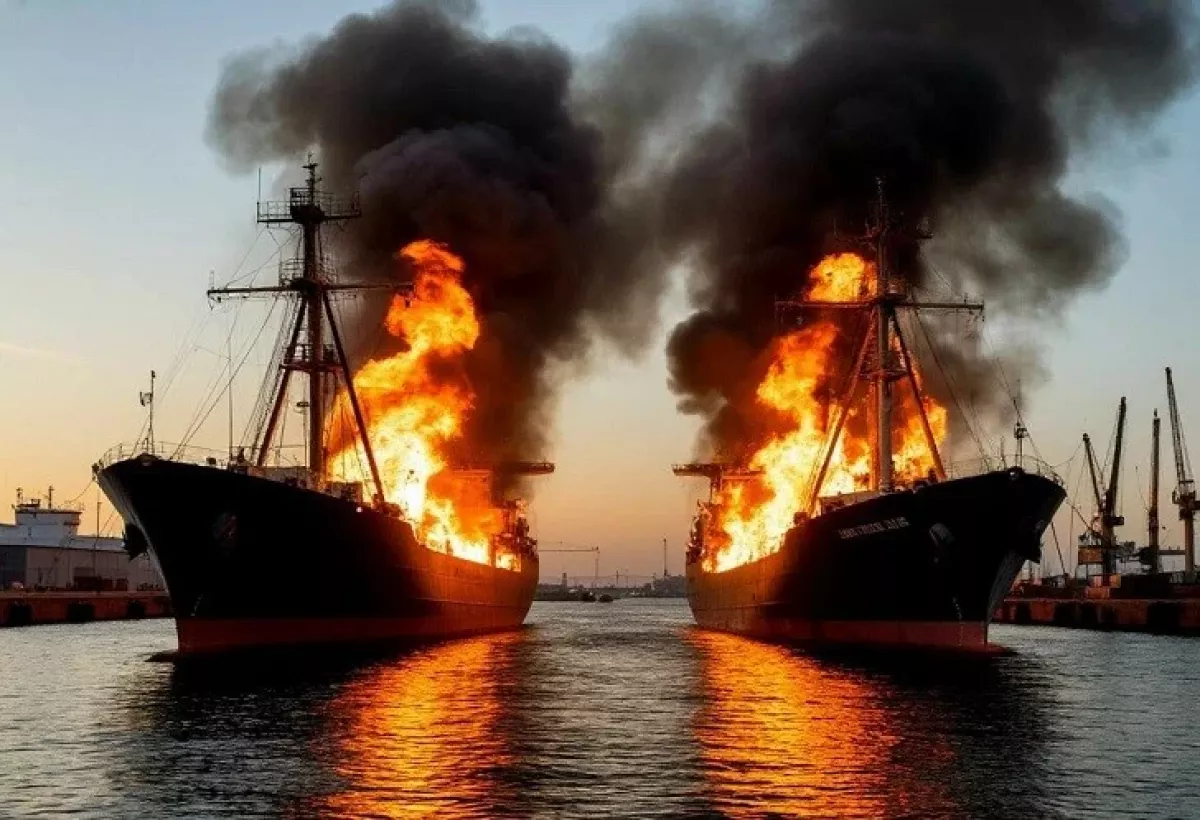
The Houthis (the Ansar Allah movement) play a key destabilising role, primarily in the Red Sea shipping zone. However, the experience of recent years suggests that Saudi Arabia is unlikely to launch a large-scale direct intervention against Yemen on its own. Any successful drone strike on Saudi infrastructure immediately affects global oil markets and the Kingdom’s economy.
Therefore, tensions are most likely to persist in the form of limited asymmetric actions: through proxy structures, localised clashes, and indirect pressure — with political and military backing from the United States and Israel. This also largely explains the tacit rapprochement between the Persian Gulf states and Israel: Israel’s military potential is seen as a tool of deterrence and a means of addressing certain regional challenges without the direct involvement of Arab states.
— Finally, we would like to hear your forecast for the Middle East. Against the backdrop of emerging new flashpoints of tension, what geopolitical processes do you expect to see in the region in the foreseeable future?
— I believe that in the foreseeable future the Middle East will enter a phase of managed instability rather than a large-scale regional war. The key process will not be direct interstate confrontation, but the growth of proxy conflicts, asymmetric strikes, and competition for control over logistics, energy resources, and maritime routes.
The region will increasingly fragment into zones of influence: Iran will continue to act through allied structures; Israel will rely on targeted pre-emptive and deterrent actions; and the Persian Gulf states will seek to balance security concerns, economic interests, and informal alliances. The United States will retain its role as an external guarantor, but without a desire for direct military involvement, while China will expand its economic presence while avoiding the assumption of military risks.
As a result, what we will witness is not stabilisation, but rather a “diffusion of tensions”: more localised crises, pressure, and demonstrations of force, combined with a simultaneous effort by all key players to prevent an uncontrolled regional war. It is important to understand that no Middle Eastern state — whether Lebanon, Syria, Jordan, Saudi Arabia, Iraq, or Iran — is interested in a war on its own territory.
Any hostilities would mean economic devastation, and the regional economy is critically dependent on oil, gas, pipelines, and logistics. Even a local conflict sets a country back by years and provokes social upheaval. That is why all players are operating on the edge — intensifying pressure, but trying not to cross that line.







 editor@caliber.az
 +994 55 444-88-98
 Азербайджан, Баку, ул. Низами, 203, Af Business House, 5-й этаж