










The triangle of the Armenian crisis Experts on church–state conflict
"On December 28, Armenian Prime Minister Nikol Pashinyan is preparing to finally 'settle' the issue of the Mother See of Etchmiadzin and has already given the relevant orders to the security forces," reports 24News, citing its own sources.
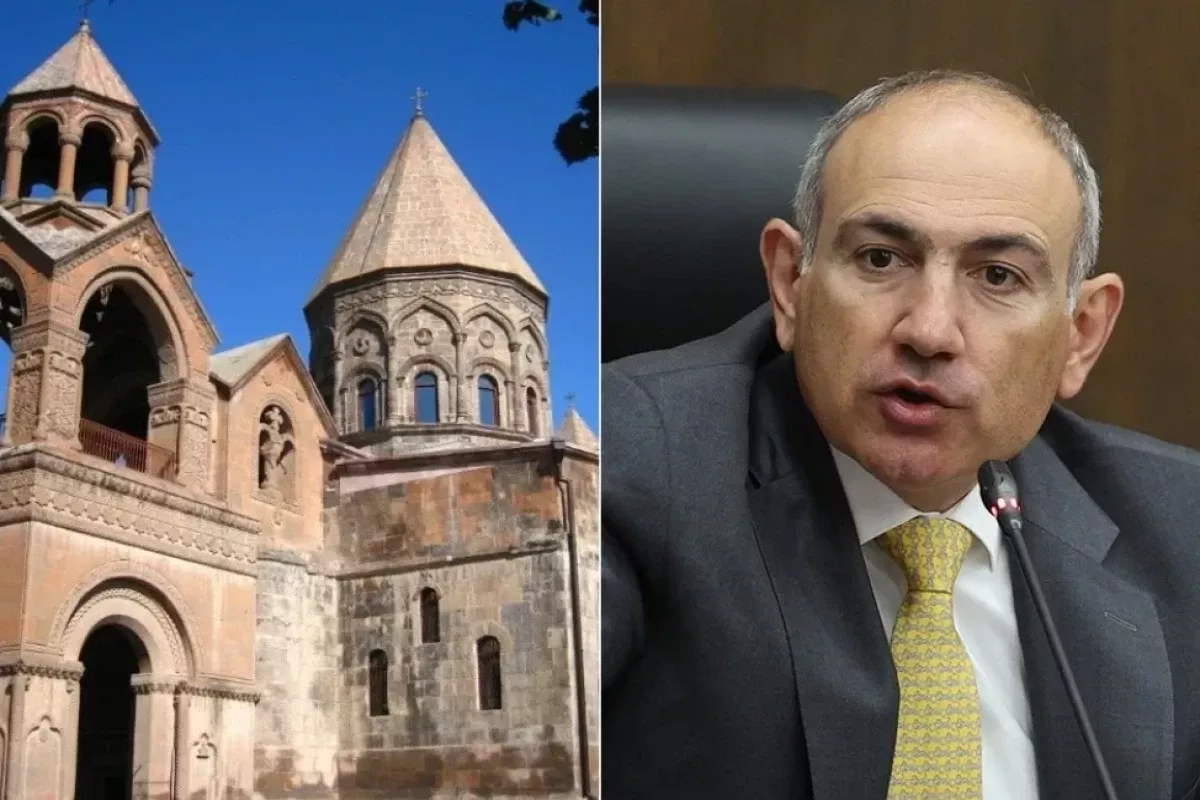
"According to the planned scenario, he intends to enter the Mother See of Etchmiadzin accompanied by his supporters, renegade bishops, and former clergy who have been defrocked, participate in the liturgy, and ensure that the Catholicos of All Armenians leaves the Patriarchal Chambers and 'retires.' According to our information, various scenarios for achieving this goal are being discussed, including the possibility of arresting the Catholicos. Our source claims that, most likely, to ensure 'success,' the security forces will begin operations several days before December 28: the territory of the Mother See of Etchmiadzin will be closed off, searches will be conducted, and clergy loyal to the Catholicos will be detained under various pretexts. This will be roughly similar to what happened in the case of Archbishop Arshak Khachatryan," 24News notes.
Meanwhile, Radio Free Europe/Radio Liberty reports that Armenia is on the brink of the most serious confrontation between church and state since gaining independence. Tensions continue to escalate between Prime Minister Nikol Pashinyan and the head of the Armenian Church, Catholicos of All Armenians Garegin II. It is noted that this conflict has already resulted in arrests, public accusations, and conflicting interpretations of issues related to Armenian identity, the model of state governance, and the country’s geopolitical orientation.
The standoff could significantly reshape Armenia’s political landscape and its relations with the diaspora ahead of the parliamentary elections expected in June 2026. Thus, the conflict between church and state is unfolding at an extremely sensitive moment for the country.
Critics of the government’s actions argue that the arrests of clergy members and investigations targeting the Church violate the constitutional principle of the separation of church and state.
Despite the criticism, the prime minister has not eased the pressure. In particular, he has confirmed that he instructed the National Security Service to monitor church services and ordered clergy not to mention the name of Garegin II during liturgies.
What objectives is Prime Minister Pashinyan pursuing in his confrontation with the Catholicos? Can claims that the head of government is preparing to depose Garegin II by the end of this week be trusted?
Prominent Armenian experts have shared their assessments of the situation with Caliber.Az.
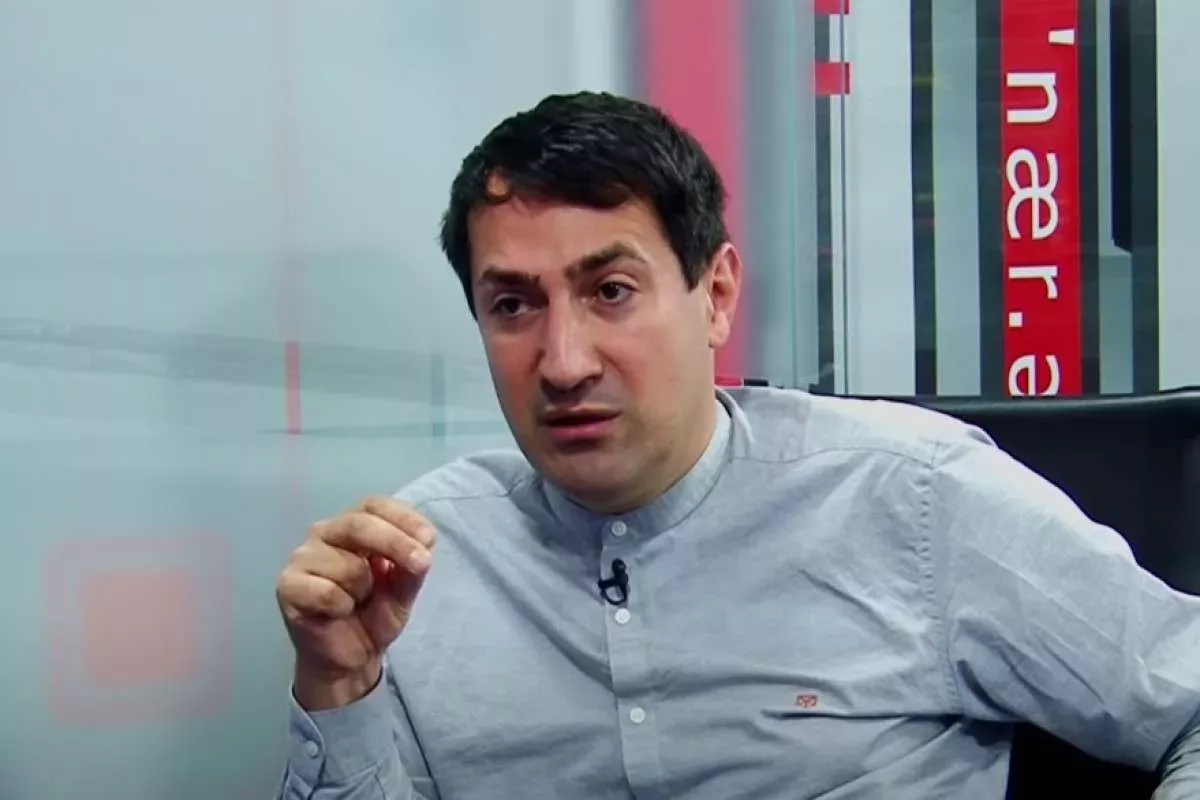
Armenian journalist and blogger Roman Baghdasaryan noted that the information presented in the first part of the article was published by an opposition website.
“This is an outright falsehood that has nothing to do with reality. Pashinyan is not planning to do anything that would contradict the principles of humanity, Christianity, or the law. It is very difficult to comment on or discuss false information. This is a fake published by a fake website spreading nonsense and absurdities,” the expert stated.
As for claims about a conflict between the church and the state, he said that nothing of the sort is taking place.
“This is not a confrontation between the Church and the authorities, but a conflict between conscientious clergy and a false Catholicos who, together with his brother, works for the FSB [Russia’s Federal Security Service - ed.]. This was publicly stated by the prime minister of Armenia himself. Moreover, there is evidence that has already been presented to the public. This is a conflict between believers who sincerely love the Church and worthy priests, and a false Catholicos. Figuratively speaking, this false Catholicos has already been destroyed—devalued and nullified. Therefore, a logical question arises: why would Pashinyan need to fight him? Only a few days remain, and the situation will resolve itself. Exactly how this will happen—one just needs to be patient, and everyone will see,” Baghdasaryan emphasised.
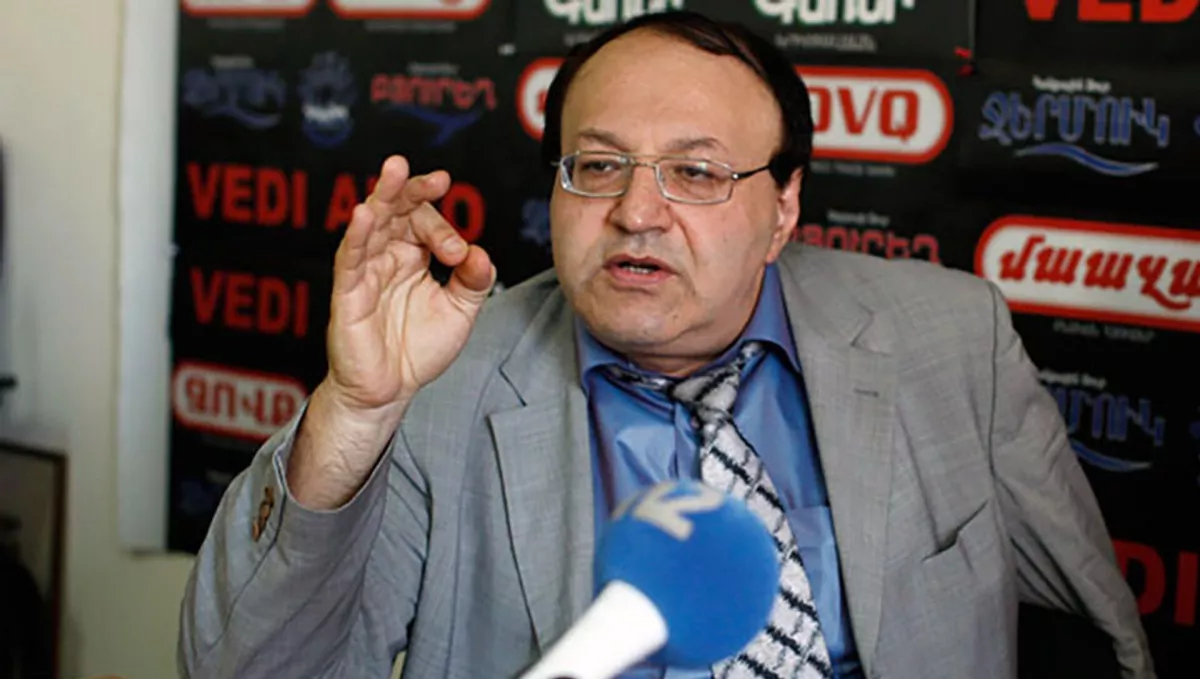
The President of the Association of Political Scientists of Armenia and Doctor of Political Science, Hmayak Hovhannisyan, noted that it is impossible to weaken the Church as described.
“History shows that persecution of the Christian Church has always been accompanied by a surge of exceptional religious fervour and genuine heroism. I will not list the numerous names of Christian martyrs whose self-sacrifice only strengthened and spread Christianity across the world. These names are known to anyone interested in the history of its formation and consolidation. However, in this case, we are not talking about Nikol Pashinyan fighting the Christian faith or the Church as such, but about attempts by the Armenian state to prevent the Armenian Apostolic Church from being used as a tool in domestic political struggles.
The fact is that the old-regime forces, removed from power in 2018, in a desperate attempt to return to governing the country—and thereby avoid the application of the law on the confiscation of illegally acquired property adopted by the new authorities—saw involving the Church in political confrontation on their side as almost their only chance for success. The culmination of these efforts was the nomination by the parliamentary opposition, composed exclusively of ‘former officials,’ of the sitting Archbishop of the Armenian Apostolic Church, Mikael Ajapahyan, as a candidate for prime minister of the country.
Although His Holiness had the prudence to immediately decline such an ‘honour,’ the provocation nevertheless succeeded, provoking a harsh reaction from the authorities toward a seriously ill elderly clergyman. At the same time, the Kocharyan-Sargsyan opposition is celebrating, as it truly managed to draw the Church into a confrontation with the Nikol Pashinyan government, which it despises,” the expert noted.
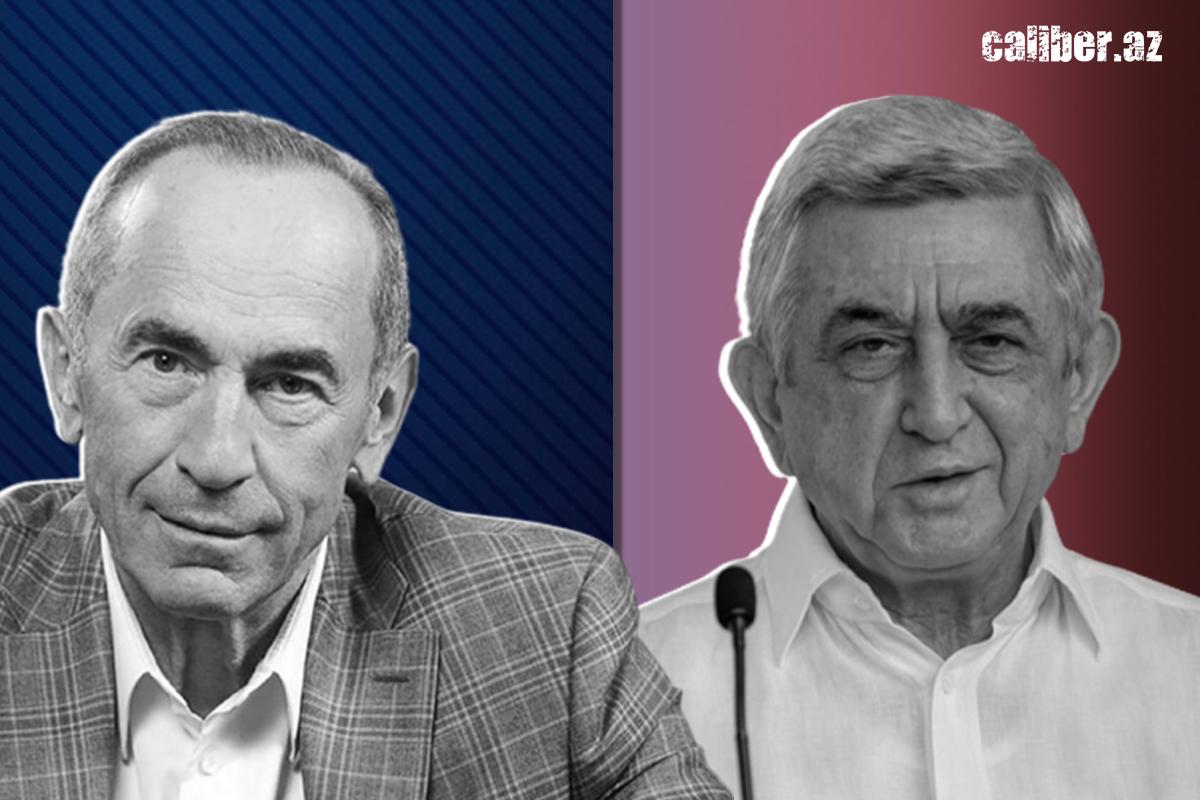
According to him, the most tragic aspect of this entire story is that both sides of the conflict have ‘crossed the Rubicon,’ leaving no room for reconciliation or peaceful coexistence.
“Catholicos of All Armenians Garegin II, instead of adopting—as befits a spiritual leader—an equidistant position toward the opposing secular forces and contributing to reconciliation, called for the resignation of Nikol Pashinyan. By doing so, he openly chose the path of exploiting the authority of the Armenian Apostolic Church in the interests of the corrupt Serzh Sargsyan-linked group rejected by the Armenian people, with the aim of overthrowing the legitimate, popularly elected government.
The consequences of such an open alliance between the highest church hierarchs and political revanchists were inevitable and ultimately brought the clergy to the current crisis.
Is there a way out? In my view, the only acceptable solution is for Garegin II to voluntarily retire and for the patriarchal throne to be offered to the head of the Great House of Cilicia—the Catholicos Aram I—who, it should be noted, currently leads the World Council of Churches and enjoys high authority in the Christian world,” Hovhannisyan concluded.







 editor@caliber.az
 +994 55 444-88-98
 Азербайджан, Баку, ул. Низами, 203, Af Business House, 5-й этаж