










Turkic World in Washington’s spotlight Central Asian experts share their views with Caliber.Az
In an article for the American publication The National Interest, Luke Coffey, senior fellow at the Hudson Institute, highlighted that the Organisation of Turkic States (OTS) is rapidly becoming a key platform for regional cooperation in Central Asia.

Coffey noted that “if the United States wants to be competitive in this era of great power competition, then groupings like the Organization of Turkic States need to be engaged with far more seriously.”
He goes on to provide a detailed analysis of the areas in which—and the reasons why—it is currently so important for the U.S. to develop relations with the OTS. According to Coffey, the organisation is becoming one of the few geopolitical poles on the Eurasian continent that, from Washington’s perspective, acts as a stabilising force. He argues that “failing to engage with the Organization of Turkic States would amount to geopolitical negligence and would not serve America’s interests in this era of great power competition.”
But how do experts from the OTS countries view Coffey’s conclusions? To explore this, Caliber.Az reached out to specialists from Uzbekistan, Kyrgyzstan, and Kazakhstan for their insights.

Doctor of Historical Sciences and Associate Professor at the Department of Political Science of the University of World Economy and Diplomacy in Tashkent, Ranokhon Tursunova, believes that the statement by the American analyst broadly reflects a growing recognition of the transformations taking place in Eurasia. However, she notes that a full assessment of the OTS’s role requires moving beyond the traditional view of the region as a peripheral space in global politics.
“In this context, it is important to emphasise that the Organisation is not an ideological or bloc-based project, but a pragmatic multilateral platform designed to deepen economic, transport, humanitarian, and technological cooperation among states with shared historical and cultural roots and mutually complementary economies. It is precisely this pragmatism that sets it apart from many other regional formats.
From a geoeconomic perspective, the combined potential of the OTS member states spans strategically important East–West and North–South transport corridors. In addition, these countries hold significant energy resources and represent a growing domestic market. In an era of fragmented global supply chains and the search for alternative logistical routes, the Turkic space is increasingly important as a transit and production hub. Underestimating this factor could result in missed opportunities for external partners, including the United States,” she said.
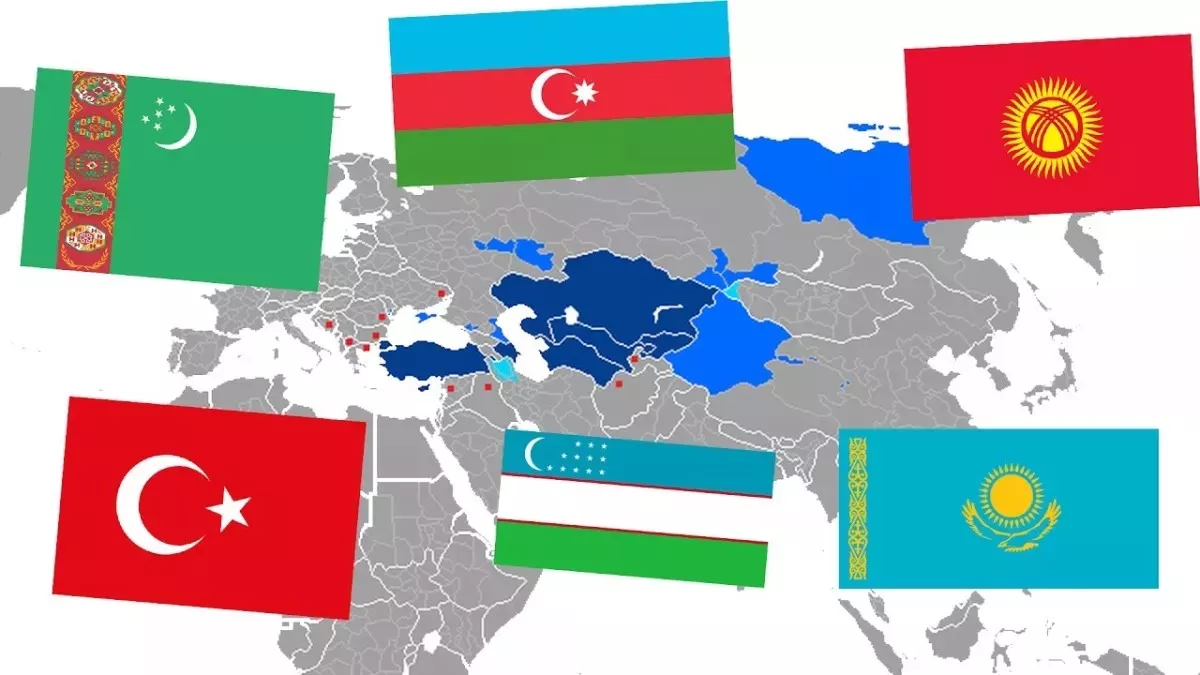
The expert also noted that, in political and diplomatic terms, the OTS does not position itself as a counterweight to any global or regional power centres. On the contrary, its member states, including Uzbekistan, consistently pursue a multi-vector foreign policy, maintaining openness to cooperation with the United States, the EU, China, Russia, and other Asian countries, while promoting regional stability without forming closed alliances. In this context, more active engagement by the United States with the OTS could help build trust, reduce geopolitical polarisation, and foster inclusive forms of cooperation in Central Eurasia.
“I would like to emphasise that, for Uzbekistan, participation in the OTS is primarily a tool to accelerate economic modernisation, diversify external relations, and promote regional connectivity in Central Asia. American analyses often tend to view the region mainly through a security lens. However, today the key drivers of stability are economic development, infrastructure, education, and digital transformation — precisely the areas where the OTS is delivering practical results.
If the United States truly intends to recalibrate its perception of the Organisation of Turkic States, this should not take the form of politicising the organisation. Rather, it could involve fostering an institutional U.S.–OTS dialogue, supporting joint infrastructure and climate projects, expanding educational and expert exchanges, and engaging with the OTS as a regional partner rather than as a competing entity,” the political scientist said.
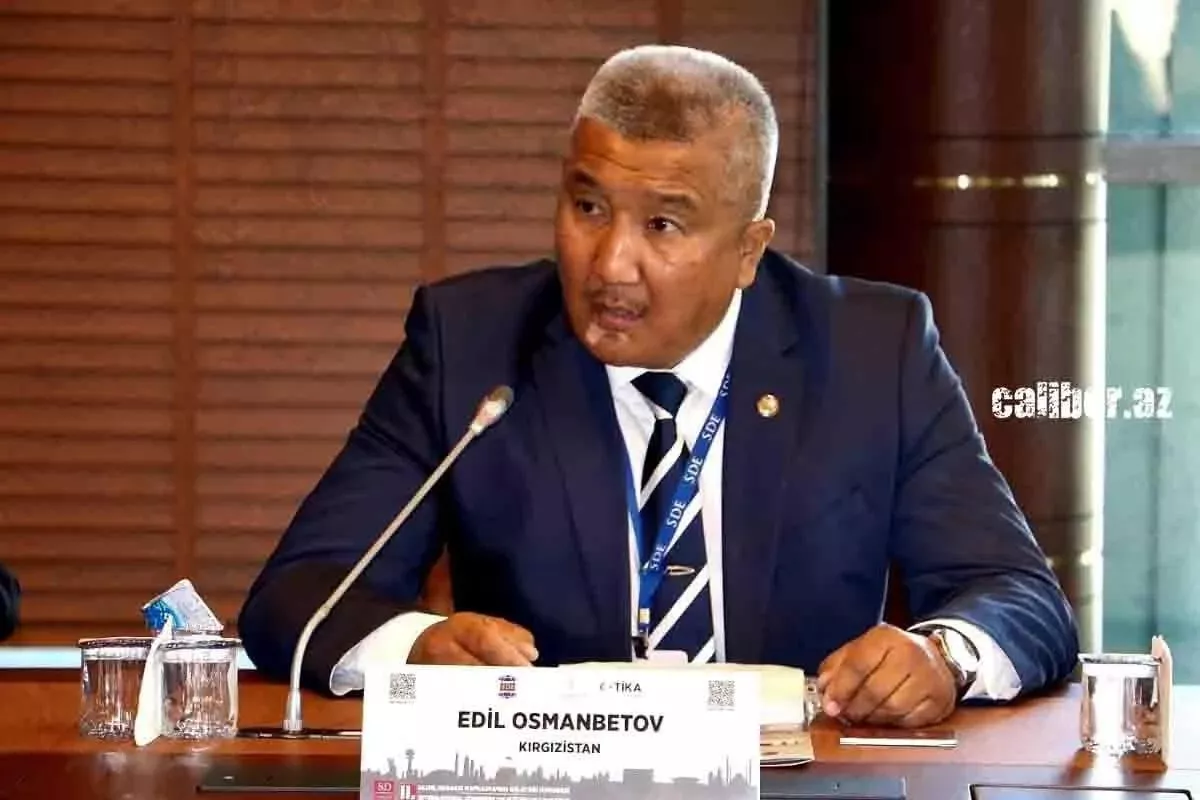
At the same time, Kyrgyz expert on international relations Edil Osmonbetov believes that, particularly following the recent U.S. special operation in Venezuela, international politics now operates in a new geopolitical reality, where the prevailing principle is “peace through strength.”
“Countries that have experienced significant geopolitical pressure for various reasons will now face even greater challenges and threats—many of which may not have existed previously at either the regional or international level. In this context, the Organisation of Turkic States plays an important role, not only in cultural and humanitarian terms, but also politically.
The OTS could serve as a kind of geopolitical umbrella, where each Turkic country advances its own interests and engages with the wider world independently, so to speak, regardless of the prevailing conditions in global politics. We are witnessing a clear process of regionalisation today, and it is evident that states united by common historical, cultural, economic, linguistic, or other ties find it easier to survive in today’s competitive world. The most essential geopolitical skill for countries—especially those in the post-Soviet space, Central Asia, and the South Caucasus—is the ability to adapt to new conditions. Accordingly, when groups of countries come together in regional blocs based on shared criteria, their geopolitical weight increases, making it easier for them to protect their national interests in international forums and bilateral negotiations with major global players. It is quite clear that 2026 will be a decisive year for many of these states,” the political scientist said.
According to him, in this new world, engagement with the United States plays a crucial role, as the events in Venezuela have demonstrated that a truly multipolar world no longer exists. Instead, there is one dominant global player—the U.S.—a power capable of reshaping the geopolitical and geoeconomic landscape of many countries, influencing conflicts, facilitating peace dialogues, and more.
“In such conditions, it is not easy for many countries to determine their course. There is a saying: ‘The U.S. is a neighbour to all nations’—meaning that cooperation with the United States, whether bilaterally, multilaterally, or in other formats, is a guarantee of security and stability. Many countries take this into account when building their relations with Washington. In this context, engagement between the OTS and the U.S. within major projects could play a significant role.
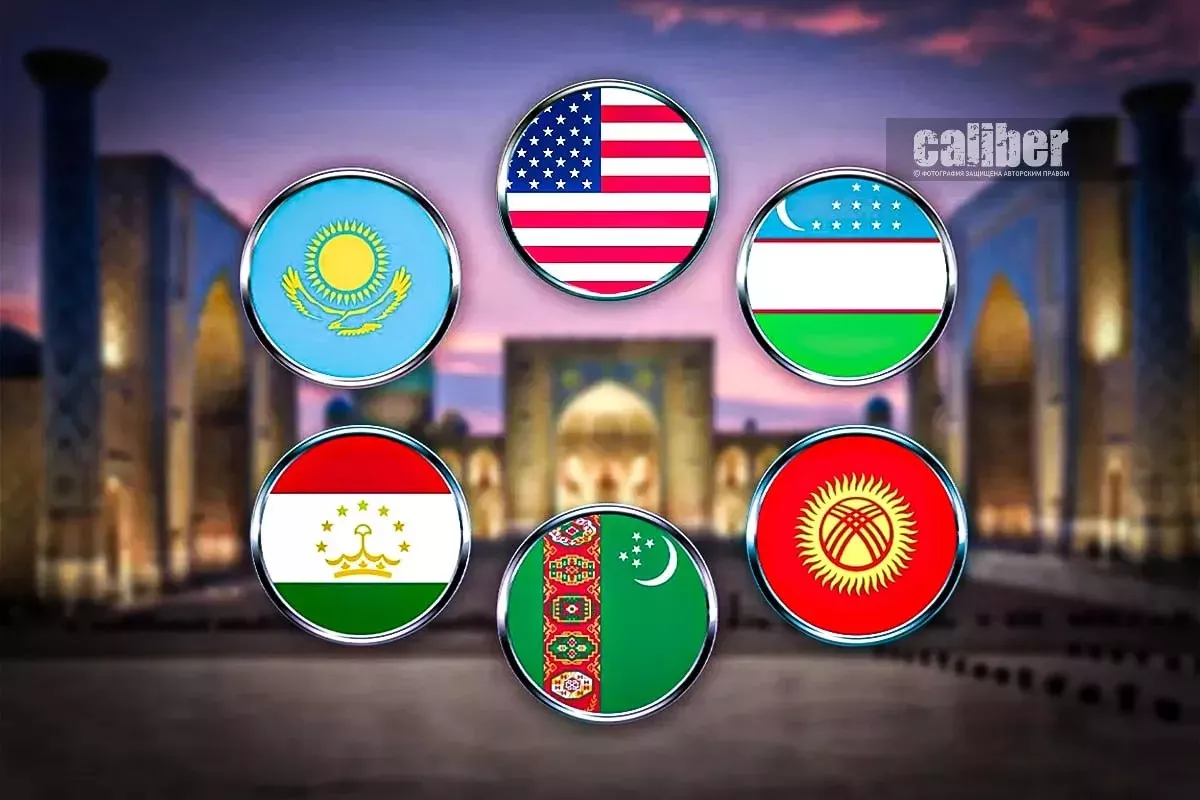
It is important to understand that the significance of the Central Asian region has grown in 2025. A striking example of this is the meeting on November 6 in Washington, where Donald Trump met with all the Central Asian leaders. This highlights the geopolitical and geoeconomic importance of the region, as well as the ongoing competition between the United States, Russia, and China. A further marker of these developments could be, as promised at the Washington summit, the planned visit in 2026 of U.S. Secretary of State Marco Rubio to the region for a comprehensive dialogue with all regional countries—a signal to global actors that a new level of engagement is being established with this key player shaping the emerging reality.
Regarding the OTS, I believe that multimodal transit projects through the South Caucasus strengthen the positions of Central Asian countries, in particular, and the Organisation of Turkic States as a whole. These are interconnected developments,” Osmonbetov emphasised.
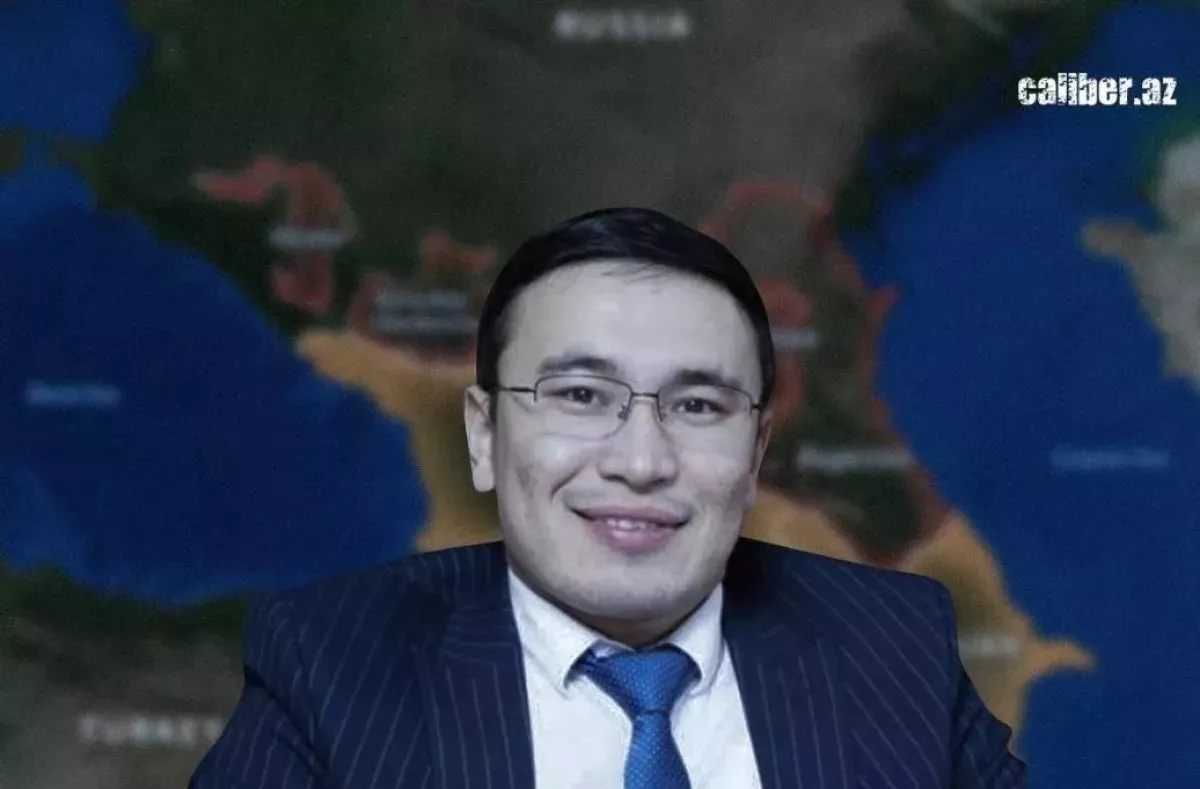
Meanwhile, Kazakh political analyst Azad Akhmetov believes that such conclusions by American analysts mainly reflect a shift in U.S. political thinking—and that similar analyses are likely to become more common in the near future.
“I am confident that 2026 will be a year of active—if I may use the term—competition by the United States for influence in Central Asia, as it seeks to build clear and significant ties with all regional countries. One of Trump’s main objectives is to push back China’s influence in the region, fully understanding the importance of this task. In the South Caucasus, U.S. influence has been established through TRIPP, and the next target is our region.
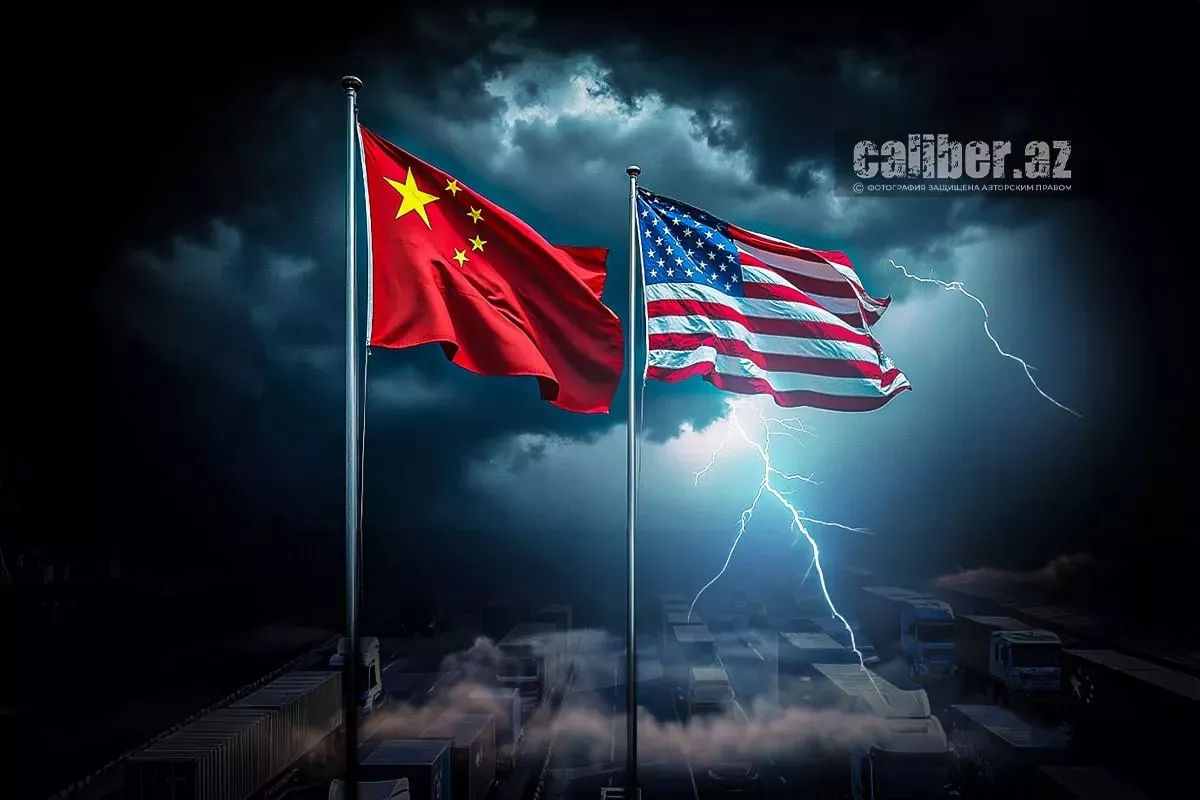
Trump has a very limited window while China is preoccupied with other geopolitical issues. However, Beijing has already cemented its influence in the region, even to the point of displacing the Russian factor. The U.S. now needs to present Central Asian countries with attractive, beneficial, and forward-looking projects that could, to some extent, reorient their cooperation toward the West. Clearly, full success may be unlikely, but Washington currently has the opportunity to ‘jump on the moving train.’ Tomorrow may be too late, as China’s dominance in the region grows year by year. In this context, engaging with an organisation like the OTS—which unites almost all the countries in the region—represents an important tool through which Washington can counterbalance China, which, of course, is likely developing its own strategies in this direction,” Akhmetov concluded.







 editor@caliber.az
 +994 55 444-88-98
 Азербайджан, Баку, ул. Низами, 203, Af Business House, 5-й этаж