










Ukraine at a crossroads Moment of truth for Volodymyr Zelenskyy
Almost every day, the global media landscape is shaken by a constant flow of news related, in one way or another, to the Russian–Ukrainian war. Yet it can be said with considerable confidence that amid this torrent of information, the statements made on December 15 came as a genuine shock to Ukrainian society.
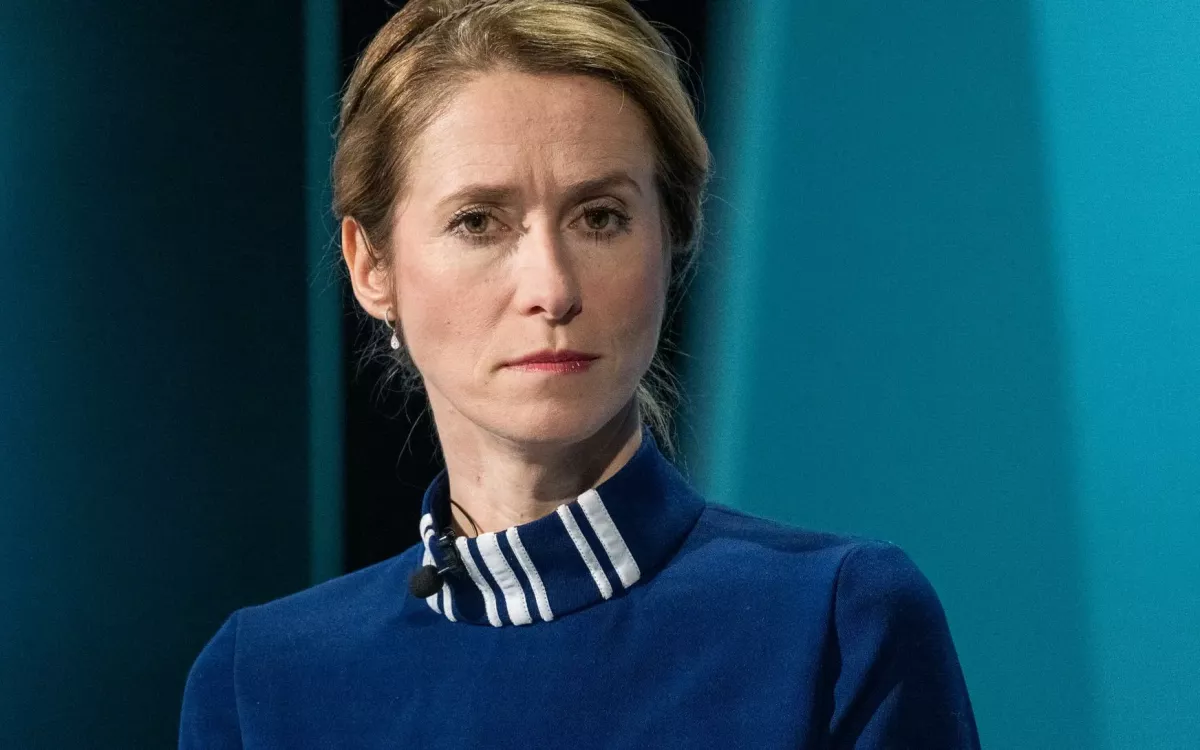
Thus, on December 15, EU High Representative for Foreign Affairs and Security Policy Kaja Kallas stated quite explicitly: “Now, if this is not in question, or this is out of the question, then we need to see what are the security guarantees that are tangible. They cannot be papers or promises. They have to be real troops, real capabilities, so that Ukraine is able to defend itself.”
These remarks were made almost in unison with the statement by the President of Ukraine that “the country could renounce NATO membership if the United States and European countries provide security guarantees.”
However, such statements run counter to Ukraine’s Constitution. Article 85, paragraph 5 of the Basic Law enshrines a strategic course toward membership in the EU and NATO, while Article 102, paragraph 3 obliges the president to adhere to this course. In effect, this represents a disregard for provisions clearly and unequivocally set out in Ukraine’s Constitution.
At the same time, it is worth noting that even these intentions have produced no tangible results: Russia has no intention of halting its war against Ukraine—an outcome that, in truth, came as no surprise. Two U.S. security experts confirmed this to Reuters. As Justin Logan, Director of Defence and Foreign Policy Studies at the Cato Institute, noted, these developments do not change the situation in any meaningful way.
“It’s an effort to appear reasonable,” he noted—a remark that, in essence, sounds almost mocking. Moreover, both Logan and Andrew Michta, Professor of Strategic Studies at the University of Florida, agree that Ukraine’s accession to the North Atlantic Alliance has long ceased to be a realistic prospect.
Such a turn of events is, to put it mildly, shocking for Ukrainian society, which for many years was assured that the country would eventually be admitted to both NATO and the EU—provided it only waited a little longer. It has now become clear that this patience was in vain. Unsurprisingly, this has affected public attitudes toward the ruling party, which in July 2019 won more than 43% of the vote in snap parliamentary elections, securing 254 of the 450 seats in the Verkhovna Rada.
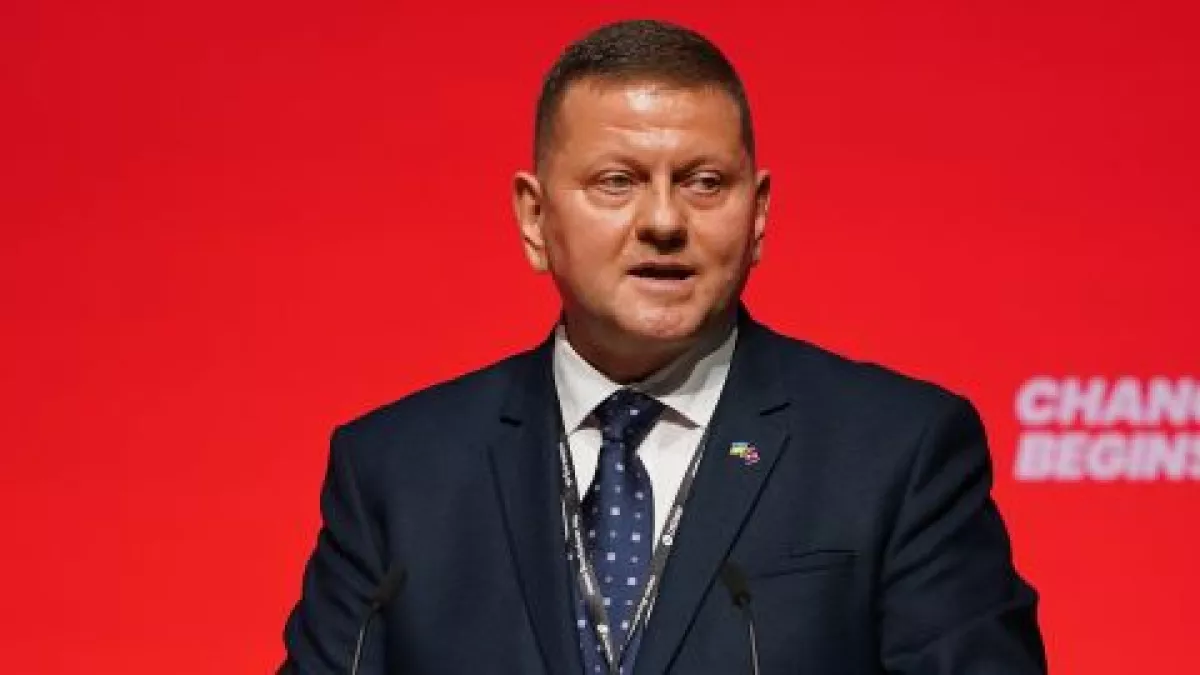
Today, Servant of the People is going through a difficult period. This is reflected in a sociological survey conducted by the Kyiv International Institute of Sociology on December 10. Its findings indicate that, should the war end, the leading contenders in elections to the Verkhovna Rada would be a party not yet formally established but eagerly anticipated by Ukrainian society—associated with former Commander-in-Chief of the Armed Forces and current Ambassador to the United Kingdom Valerii Zaluzhnyi—as well as the parties of former President Petro Poroshenko and Brigadier General Andriy Biletskyi, commander of the 3rd Army Corps.
“When asked which political force they would support in the event the war ends, 19.9% of respondents said they would be ready to vote for Valerii Zaluzhnyi’s party if it enters the race. Second in terms of electoral preferences is European Solidarity, which 16.2% of respondents are prepared to support. Over the past year, its backing has increased by 6.4%,” the study states.
In fifth place is another party that so far exists only as a project—associated with Kyrylo Budanov, Main Directorate of Intelligence of the Ministry of Defence of Ukraine—which is supported by 10.4% of surveyed Ukrainians.
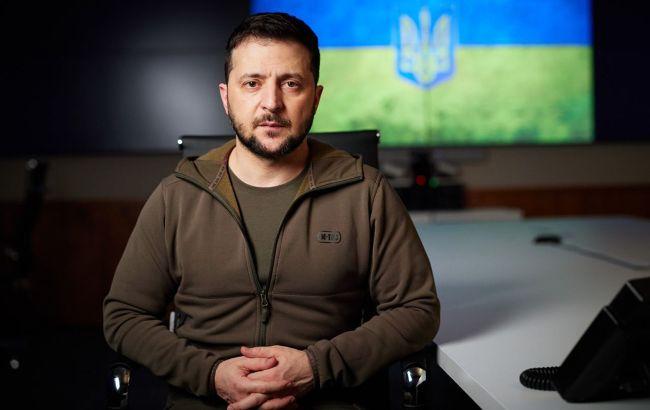
Meanwhile, the bloc of incumbent President Volodymyr Zelenskyy is backed by 11.3% of respondents, indicating a decline in the rating of this political force over the course of the year. This trend may well continue, as scandals appear to be relentlessly dogging the current Ukrainian president. This is not a baseless claim, but one supported by documented facts. For example, Mariia Vdovychenko was appointed First Deputy Prosecutor General of Ukraine, while her brother, Oleksandr Levandovskyi, is a Russian citizen serving within Russia’s military prosecutor’s system. Until 2014, Levandovskyi worked in the Ukrainian prosecutor’s office in Crimea; afterward, he obtained a Russian passport and continued his career in the Russian prosecution service.
Mariia Vdovychenko’s father, Serhii Levandovskyi, also obtained Russian citizenship after 2014. He runs a business in Crimea and pays taxes to the Russian state. Criminal proceedings have been opened by the Office of the Prosecutor General of Ukraine against both Oleksandr and Serhii Levandovskyi on suspicion of high treason and collaborationist activities, yet this did not prevent Mariia Vdovychenko from being appointed to such a senior post.
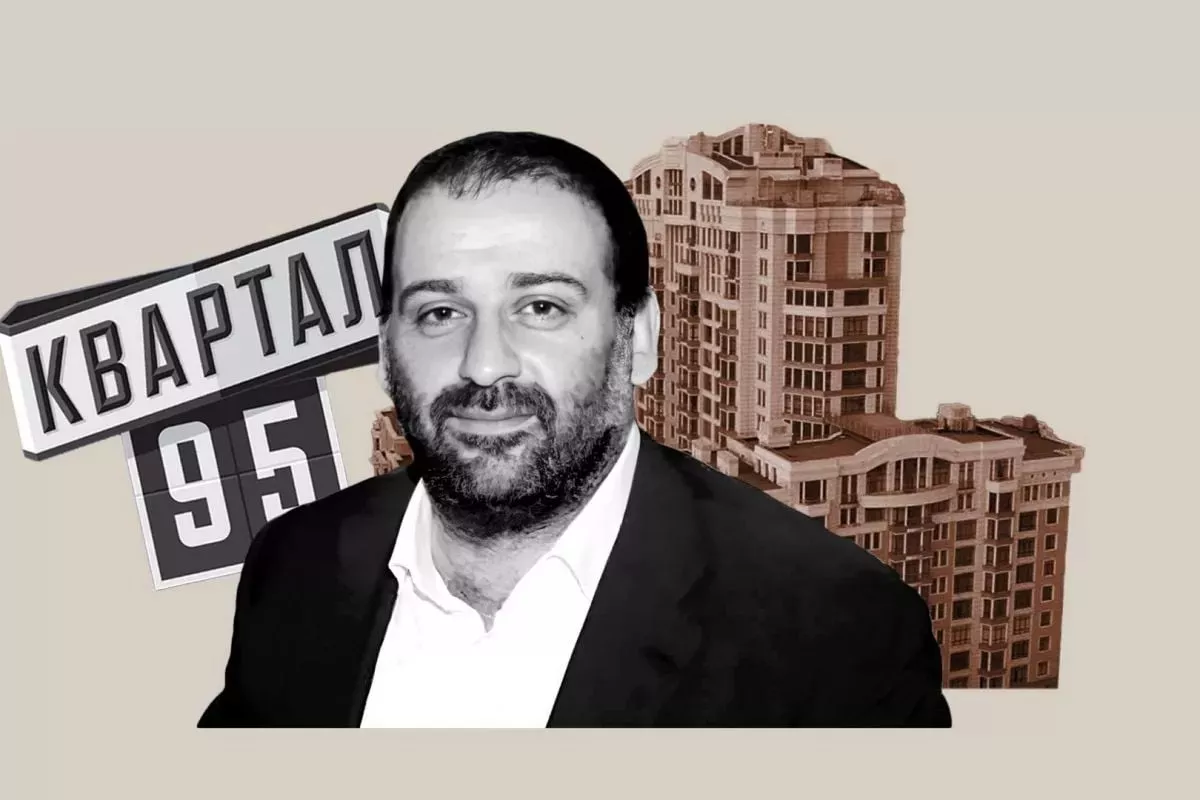
In the eyes of ordinary Ukrainians, all of this looks like yet another “zrada”—a betrayal—compounding existing grievances linked to prolonged power outages in Kyiv and other Ukrainian cities, such as Odesa. Against this backdrop, many Ukrainians recall the corruption scandal in the country’s energy sector involving a former business partner of Zelenskyy—Timur Mindich, co-owner of Kvartal 95—who was allowed to flee the country.
Both Odesa residents, who have been without electricity for several days, and people in other cities, where power cuts last 12–14 hours a day, harbour the same intense resentment—toward both the Russian occupiers and homegrown corrupt officials. The latter are often seen as figures close to President Volodymyr Zelenskyy, who is desperately trying to delay the moment of acknowledging the obvious: Ukraine’s forced acceptance of major concessions in order to halt the war.
Yet all of this appears futile. Too many mistakes have already been made—from denying the evident reality of Russia’s full-scale invasion of Ukraine to personnel decisions driven by the desire to sideline Zelenskyy’s rivals, even at the expense of the situation on the front lines.
Today, as the United States has opted for pragmatism over unwavering support for Ukraine, and leading European countries are unwilling to transfer all frozen Russian assets to Kyiv, there are virtually no chances left to seize the initiative on the battlefield or halt the advance of Russian forces. What remains are reports of Ukrainian strikes on this or that Russian oil refinery, infrastructure facility, military vessel, or air defence system. Such actions may, to some extent and in certain places, weaken Russia’s military and economy, but fundamentally—and in the here and now—they do not alter the overall course of events.
Thus, the only real question is when and how the defeat of Ukraine’s leadership will be formalised. Exactly so—and no other way—because millions of Ukrainians, through their courage and self-sacrifice, have done everything possible to prevent such an outcome. But…







 editor@caliber.az
 +994 55 444-88-98
 Азербайджан, Баку, ул. Низами, 203, Af Business House, 5-й этаж