










Unyielding logic of trade routes Russia and Armenia expand freight flow
Amid the continuing cooling of relations between Moscow and Baku, linked to Russia’s lack of clear steps in acknowledging responsibility for the Azerbaijani plane shot down over Grozny exactly a year ago, economic activity in the region involving Russia is nevertheless showing a growth trend.
Moscow is reportedly discussing with Yerevan the possibility of transporting fertilisers through Azerbaijan, Russian Deputy Prime Minister Alexey Overchuk said. He also highlighted that the first shipment of Russian grain to Armenia via Azerbaijani territory marked an important milestone.
"We consider this truly significant. For the first time in more than 30 years, and for the first time during the independent existence of Armenia and Azerbaijan, a train carrying grain has passed. We are also discussing the possibility of loading this route with other types of cargo — fertilisers," Overchuk emphasised.
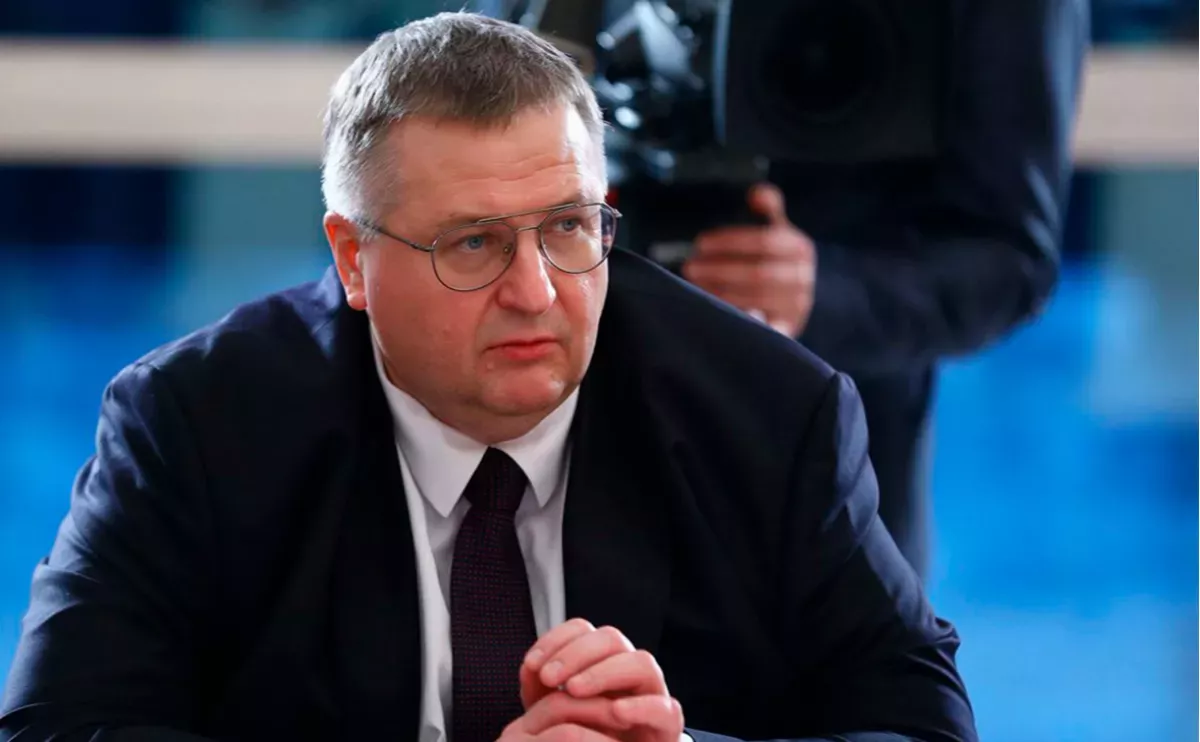
Overchuk further reported that Moscow and Yerevan are discussing the expansion of bilateral trade through imports from Armenia: "The idea is to ensure a return load — from Armenia to Russia via Azerbaijani territory."
"These are shifts that not long ago seemed unlikely," he added. And it is hard not to agree: the ongoing developments are indeed changing the reality of the South Caucasus.
Russia is seeking to capitalise on the opportunities arising from the peace process between Azerbaijan and Armenia. However, the question arises: is Russia truly satisfied with the current state of economic cooperation with Armenia, and if so, might its economic interests come into conflict with its geopolitical ones?
From the very beginning, it should be noted that the current ruling elite in Armenia is, in the long term, aiming to gradually push out Russian businesses and, more broadly, to reduce Russia’s defining role in the country’s economy. This particularly concerns sectors such as energy, gas supply, and railways. The risks of losing influence for Moscow do exist, but one could say they are already “budgeted in” by the Kremlin. This is due to the fact that Azerbaijan’s victory in the 44-day war and the full restoration of its sovereignty have led to tectonic shifts in the region.
The South Caucasus is strengthening its agency and reducing its dependence on Russia. This process is especially acute in Armenia, which for decades was considered Russia’s stronghold in the region. In other words, this is not only about economics but also about dismantling the previous geopolitical paradigm.
Russia, nevertheless, continues its attempts to use its influence to bring pro-Moscow forces back to power in Armenia. However, these measures are largely reactive — Prime Minister Pashinyan’s actions often stay several steps ahead of his opponents.
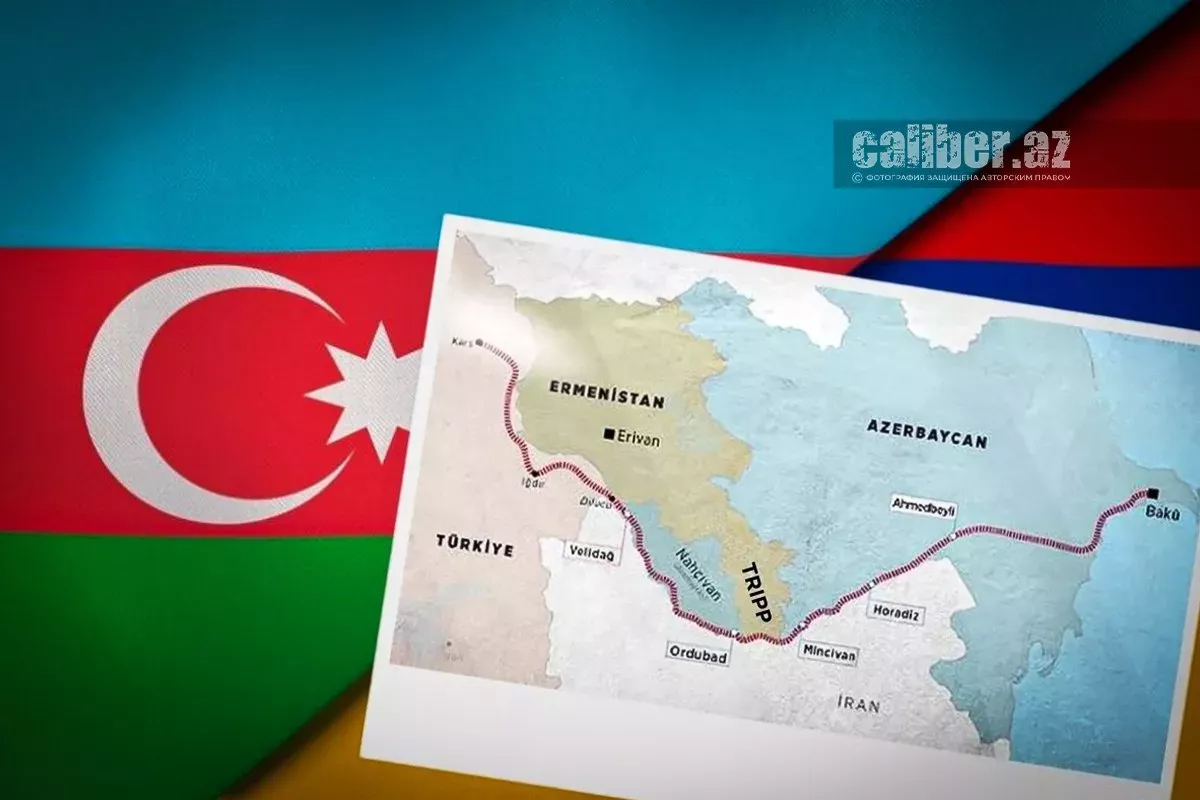
In these circumstances, Moscow is guided by the principle of “better to use what exists than to burn bridges.” Speaking of bridges — or more precisely, roads and routes — a natural question arises: can the “Trump Route” — a symbolic US presence in the South Caucasus — be considered a geopolitical defeat for Russia?
The answer is not straightforward. There are currently no signs that the US presence will take a military form. However, the very fact that the United States is involved in a project that could become the backbone of Armenia’s new economy already signals a decline in Russian influence.
Although Donald Trump does not view Russia as a geopolitical adversary and leans more toward partnership than confrontation, the potential departure of his team in the coming years and the rise of a different political faction in the US could lead to a shift in American foreign policy. The “Trump Route” itself, however, is likely to endure — and over time, it could transform from a path of cooperation into a source of friction between Russia and the US.
For now, that remains a distant prospect, while Moscow manoeuvres to extract maximum advantage from the changing dynamics.







 editor@caliber.az
 +994 55 444-88-98
 Азербайджан, Баку, ул. Низами, 203, Af Business House, 5-й этаж