










Vardanyan sentenced: law prevails over pressure Accountability for a wrong choice
On February 17, 2026, the Baku Military Court sentenced Ruben Vardanyan to 20 years in prison. The Armenian citizen was charged with crimes against peace and humanity, war crimes, terrorism, financing of terrorism, and other serious offences. The trial, which lasted over a year, concluded as it should: with a verdict delivered in the courtroom, not in the corridors of European institutions, not on the pages of Western newspapers, and not during diplomatic consultations, whose participants throughout the process sought to turn the criminal case into a subject of political bargaining with Baku. Azerbaijan carried the case through to the end — calmly, methodically, and in strict accordance with the law.
The trial itself was conducted openly. The sessions were public. The defence had full access to all procedural processes. Ruben Vardanyan’s case was separated into an individual proceeding from the broader trial of former leaders of the separatist entity and comprised more than four hundred volumes. The defendant had the opportunity to retain lawyers, including international legal counsel, who repeatedly represented him. None of the procedural rights of the accused were restricted. The verdict was the result of a judicial process—a fact that, despite being obvious, must be emphasised given the scale of the media campaign surrounding this case.
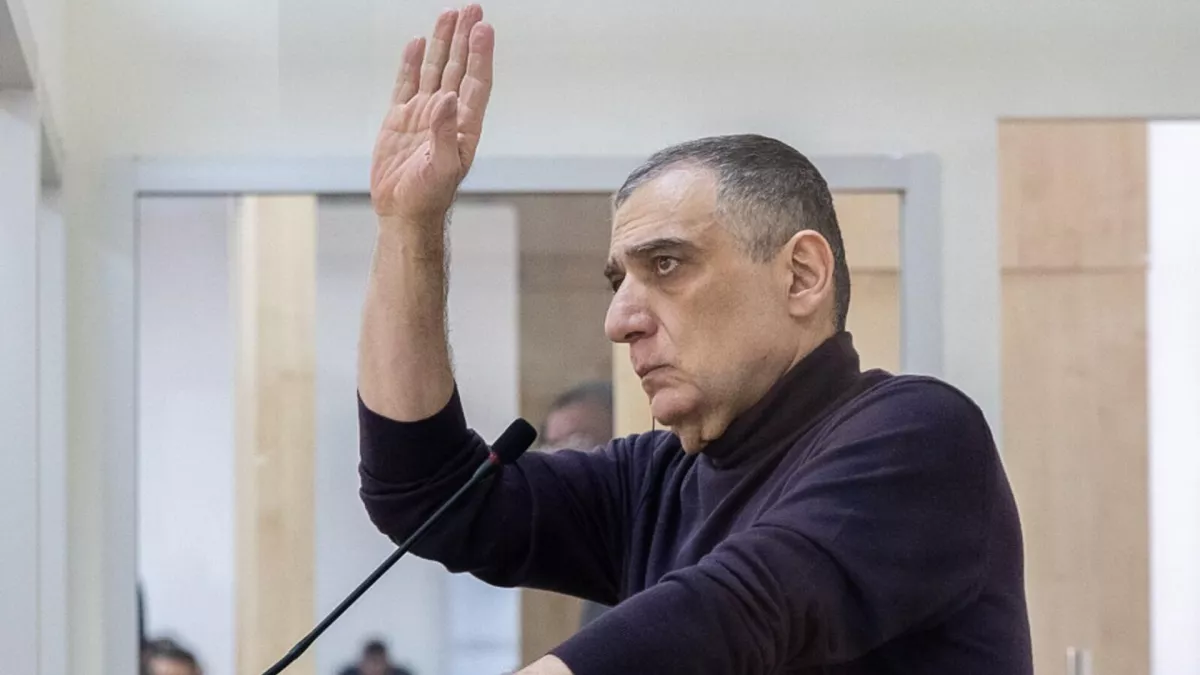
The campaign was truly unprecedented. For over two years, Vardanyan’s name was exploited as a tool of pressure on Azerbaijan across virtually every available platform. The European Parliament adopted resolutions demanding his “immediate and unconditional release” and threatened sanctions against Azerbaijani officials. The defendant’s family organised a large-scale media operation: his son gave interviews to Le Figaro, calling for an international boycott of COP29 in Baku, while his wife addressed the global public with dramatic statements. Hunger strikes, attempts to nominate him for the Nobel Peace Prize, appeals to UN special rapporteurs—every tactic was used to turn a criminal case into a political spectacle and to force Baku to release the accused before a verdict was reached. Separate attempts were made to link his detention to the peace process between Azerbaijan and Armenia—as if the fate of one defendant should be determined by geopolitical context rather than the evidence in the case.
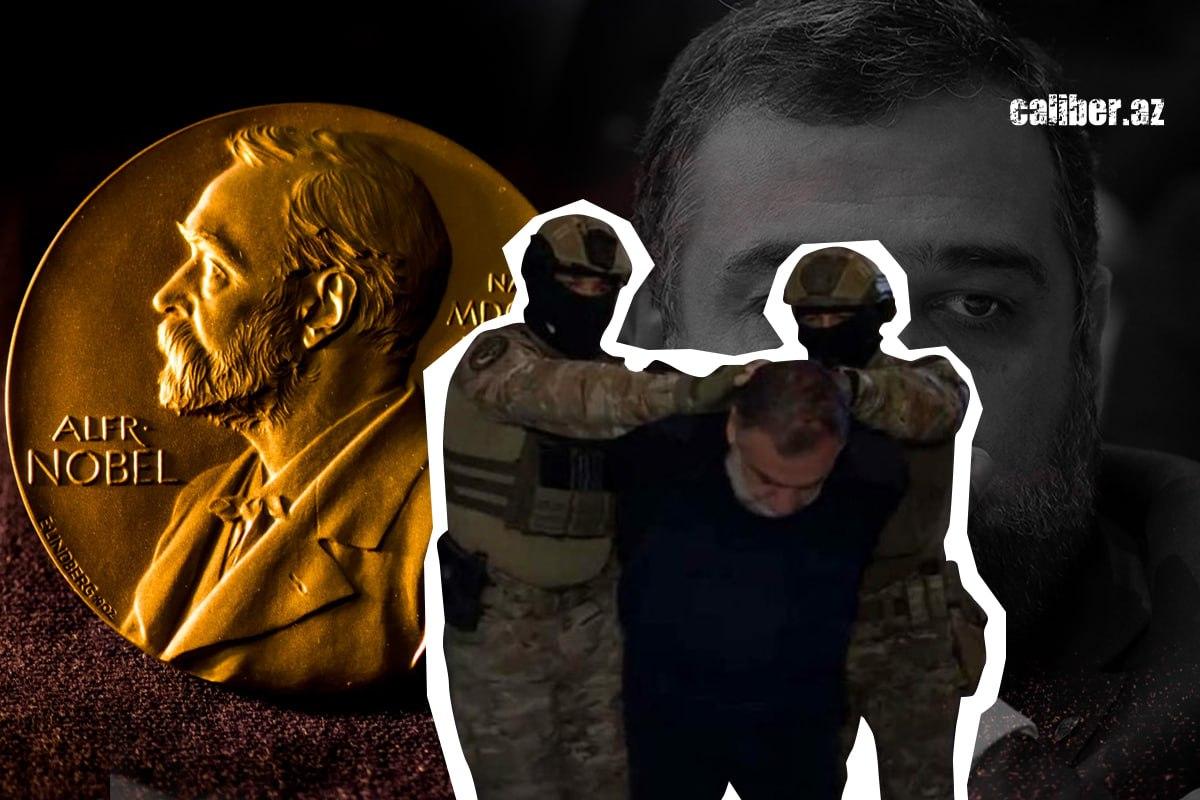
The result of these efforts was zero. Neither resolutions, media campaigns, nor diplomatic hints had any impact on the course of the trial. The court operated at its own pace, examined the evidence, heard the parties, and delivered its decision when it deemed appropriate. Azerbaijan once again confirmed a principle that has become one of the defining features of its statehood in recent years: decisions are made in Baku, not elsewhere. External pressure, no matter how intense, cannot substitute for the legal procedures of a sovereign state.
This resilience did not emerge in a vacuum. It is the result of a consistent political and legal framework built over the past decades. A state system, in which institutions function predictably and external factors cannot distort decision-making, has been developed over years. A particularly significant role was played by President Ilham Aliyev, whose policy of strengthening the country’s sovereignty and institutional independence made today’s outcome possible. This is not about personal intervention in a specific trial—it is about a governance model in which the state can operate fully within the law, even when a particular case becomes the focus of powerful external opposition.
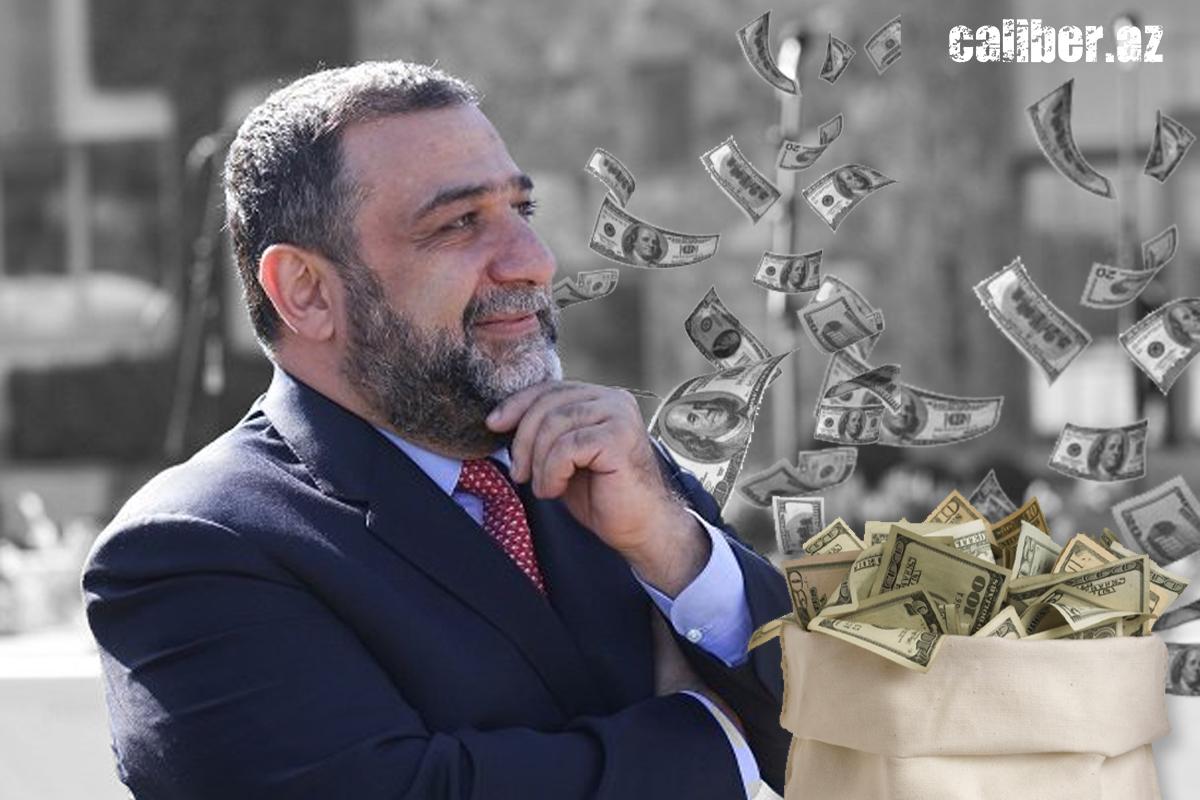
Now, a few words about the person who received this sentence—and the path that led him to the defendant’s bench in Baku. Ruben Vardanyan is a former citizen of the Russian Federation, one of the largest investment bankers in the post-Soviet space, founder and long-time head of the company Troika Dialog, co-founder of the Skolkovo business school, and a person whose net worth Forbes estimated at $1.2 billion. For decades, he cultivated the image of an enlightened philanthropist, moderniser, and visionary—participating in the Davos Forum, supporting educational projects, and sitting on the boards of Russia’s largest corporations.
Yet behind the façade of charity, serious questions accumulated. In 2019, the international investigative journalism organisation OCCRP published a major investigation titled Troika Laundromat, describing a network of more than seventy offshore companies through which financial flows amounting to approximately $4.6 billion passed between 2006 and 2013. Vardanyan headed Troika Dialog throughout this entire period. Twenty-two members of the European Parliament called for his inclusion on sanctions lists. The reputation of a “flawless investment banker” had cracked long before he appeared in the Karabakh region of Azerbaijan.
In September 2022, Vardanyan took a step that became a point of no return. He publicly renounced his Russian citizenship, transferred his assets to a family fund, and moved to Karabakh—a territory that is an integral part of Azerbaijan under international law. In November of the same year, he assumed the position of so-called “state minister” of the separatist entity. Baku immediately deemed his presence in the “grey zone” illegal and publicly demanded his departure. Vardanyan refused.
He held this “position” for less than four months—he was “dismissed” in February 2023. However, he remained in Karabakh even after that. In September 2023, following Azerbaijan’s anti-terrorist operation and the restoration of constitutional order throughout the region, Vardanyan was detained at the Lachin border checkpoint while attempting to cross into Armenia.
The reaction from Moscow was telling. The press secretary of the Russian President, Dmitry Peskov, stated that he “does not have information” about Vardanyan’s detention. The official representative of the Foreign Ministry, Maria Zakharova, went further: “Did you confuse the addressee of your question? The individuals you mentioned are citizens of Armenia. Some of them have renounced Russian citizenship. As of today, none of the people you mentioned hold Russian citizenship.” By giving up his Russian passport, Vardanyan also lost Russian protection. For the record, President Putin personally approved his request to renounce citizenship back in December 2022.
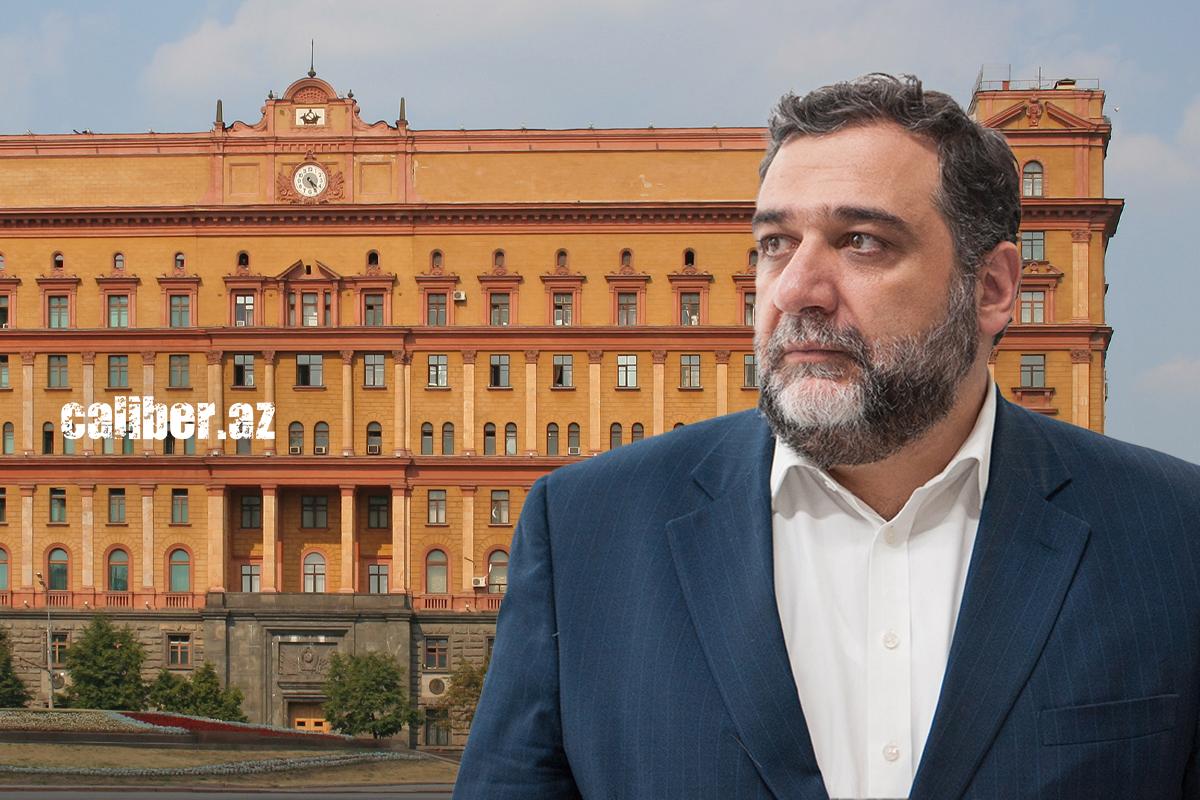
It is important to note a fundamental point: Vardanyan was not a victim of circumstances. Every step he took was a conscious decision. He voluntarily renounced the citizenship of the country in which he had lived for almost forty years and amassed his fortune. He himself moved to a territory that had been under Armenian occupation. He himself assumed a “position” in structures that Azerbaijan rightly classified as illegal. He himself refused to leave the region after a direct demand from Baku. He himself remained there even after his “dismissal.”
His lawyers later attempted to portray him as a “philanthropist who came to help people.” However, philanthropists do not hold positions in illegal entities on foreign territory. Philanthropists do not integrate themselves into the governance structures of separatist regimes. Vardanyan made a political choice—and he made it consciously. He fully understood the jurisdiction he was entering. He knew that Baku had repeatedly warned of the consequences. He determined for himself the side and the form of his involvement. Today, accountability for that choice has come in the form of a court verdict.
The verdict should be viewed precisely within this framework. This is not an act of retribution. It is not a political demonstration. It is the conclusion of a criminal case against a person who voluntarily involved himself in the activities of illegal structures on the territory of a sovereign state. The case was brought to its logical conclusion despite the strongest external opposition—and that is its significance, extending far beyond the fate of this particular individual.
Baku has demonstrated its ability to ensure the functioning of legal institutions even in the most high-profile and sensitive circumstances. In a world where major players are accustomed to assuming that their position is sufficient grounds to overturn the judicial decisions of others, Azerbaijan has shown that there are states where the law operates regardless of whether it is convenient for anyone.
The sentence handed down to Ruben Vardanyan is, ultimately, a story about what happens when personal choice collides with state law. The choice was made freely. The law was applied consistently. Between these two points, an open judicial process took place, withstanding pressures that could have distorted legal procedures in many other jurisdictions. It did not. The law prevailed.







 editor@caliber.az
 +994 55 444-88-98
 Азербайджан, Баку, ул. Низами, 203, Af Business House, 5-й этаж