










Moscow – Yerevan: Last dialogue before crossroads? Parties fail to overcome trust crisis
The recent visit of Armenian Parliament Speaker Alen Simonyan to Moscow, which largely outlined the future contours of Yerevan’s foreign policy on key regional issues, continues to be actively discussed in the Armenian media.
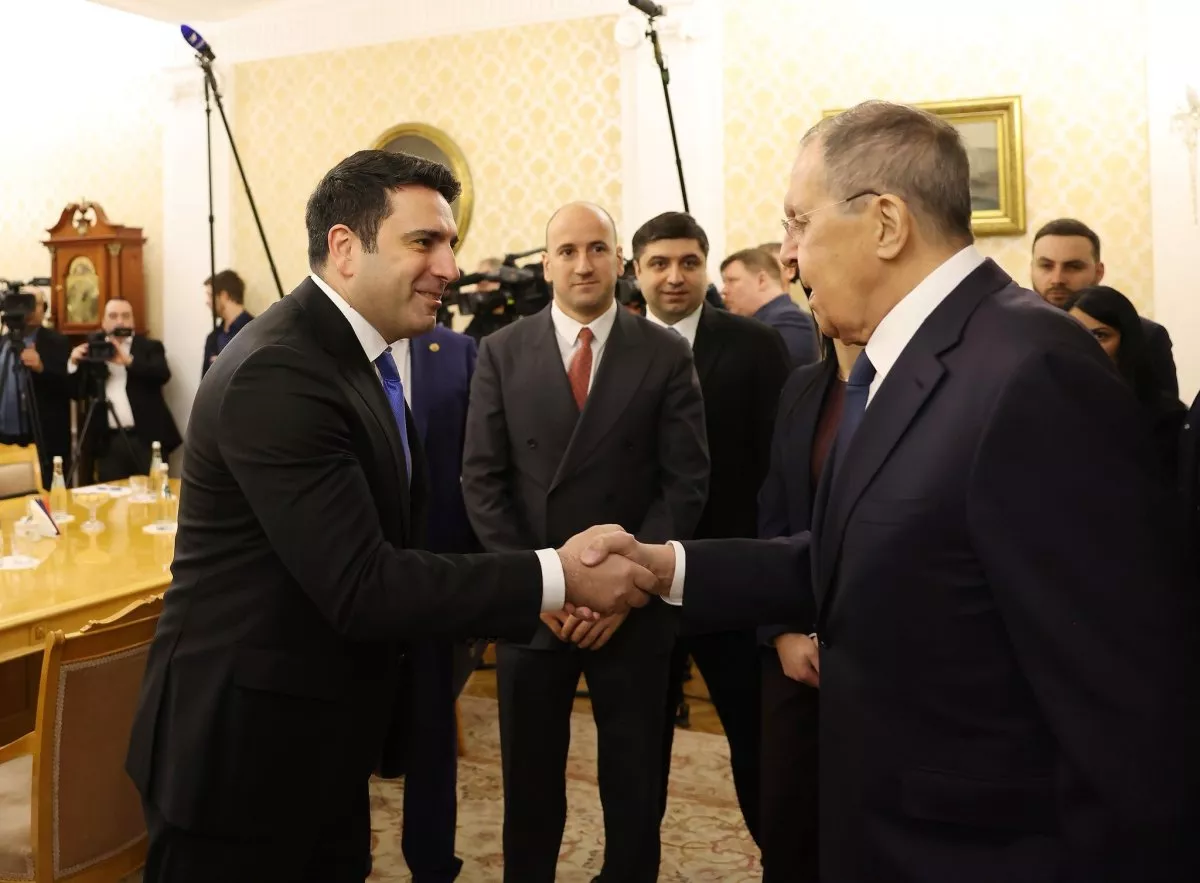
Until recently, Simonyan had not made any public working visits to the Russian capital. Meetings in multilateral formats—CIS, CSTO, EAEU—often took place without his personal participation. This makes the current visit all the more significant. It occurred against the backdrop of noticeable tension in Moscow–Yerevan bilateral relations, as well as Armenia’s evident rapprochement with Western partners. Naturally, this context influenced Simonyan’s talks with Russian Foreign Minister Sergey Lavrov. The most pressing issues on the Armenian–Russian agenda were discussed during the meeting. However, no concrete joint agreements were announced following the talks, suggesting that the parties failed to overcome the accumulated trust crisis.
This interpretation is reinforced by Lavrov’s remarks that Russia “periodically hears strange statements about mythical attacks from the north” against Armenia.
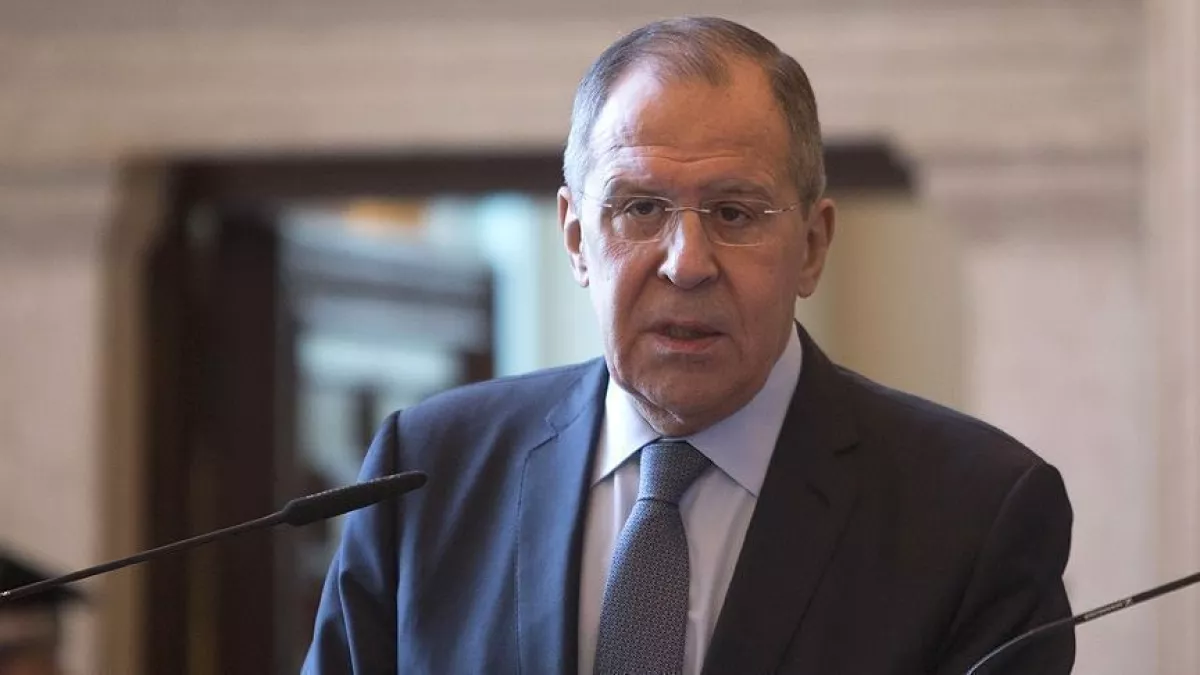
“It seems somewhat strange to us to hear periodic statements claiming that some mythical attacks are being prepared from the north against Armenia, or that there is an existential threat from the Collective Security Treaty Organization,” Lavrov said.
He also mentioned signals from the West regarding Russia’s alleged possible interference in the upcoming parliamentary elections in Armenia: “Your pre-election campaign for the parliamentary elections is beginning. And let me assure you, when signals come from abroad suggesting that someone intends to interfere—with an obvious hint at the Russian Federation—and when calls emerge from Yerevan to the European Union: ‘Help us prevent such interference,’—this strikes us as strange.”
Moscow has accumulated a significant number of questions for Yerevan.
One of the most sensitive issues is Armenia’s suspension of participation in the CSTO. Yerevan has been ignoring key organisational events and failing to pay its membership fees. In doing so, the Armenian authorities signal that they no longer regard the alliance with Moscow as the unquestioned cornerstone of their security. This has noticeably weakened Russia’s position within Armenia.
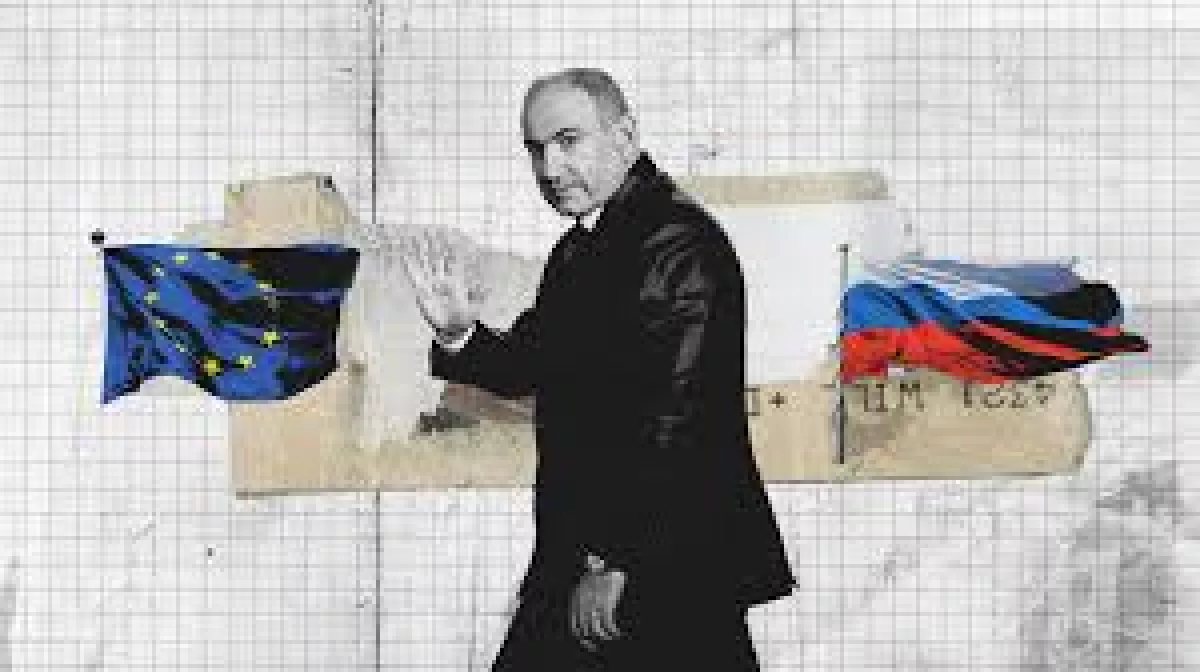
Armenia continues to promote the idea of European integration, which inevitably irritates Moscow and further heightens tensions in the already complicated relations between the former allies.
Another significant point of friction has been the Washington agreements of August 8, 2025, reached through the American track. These agreements have given momentum to the process of normalising relations between Baku and Yerevan, effectively diminishing the significance of previously signed accords involving Russia. Although Sergey Lavrov did not fail to emphasise that those agreements “allow transport issues in the South Caucasus to be resolved”—particularly at a time when the TRIPP project (Trump Route for International Peace and Prosperity) is beginning to take tangible shape in practice.
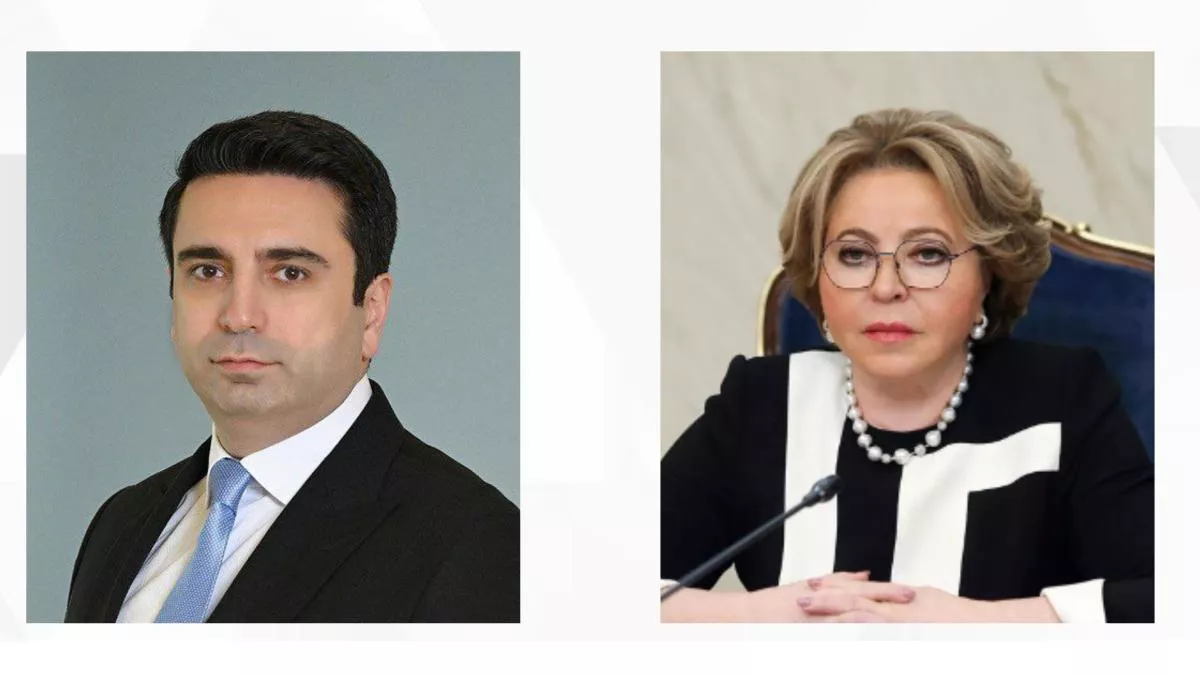
In this context, Simonyan’s visit to Moscow, at the invitation of Federation Council Chair Valentina Matviyenko and just before the arrival of U.S. Vice President James David Vance in Baku and Yerevan, appears far from coincidental.
In essence, the Russian side sought to “test the waters” in Armenia and the wider region. During the talks, Moscow once again employed instruments of “soft power,” outlining its priorities in the South Caucasus and reminding Armenia of the incompatibility between different integration formats. The Russian Foreign Minister noted that “membership in the European Union is incompatible with participation in the Eurasian Economic Union,” while adding that Russia “will respect” Armenia’s choice.
On one hand, Moscow is effectively presenting Yerevan with a strategic choice between the EU and the EAEU. On the other hand, it emphasises the principle of sovereign decision-making. This dual rhetoric suggests that Russia has no intention of relinquishing its positions in Armenia.
Moreover, Simonyan’s visit highlighted several key points.
First, Russia’s position remains firm on sensitive issues in the bilateral agenda, with no signs of softening.
Second, Armenia clearly signalled its own stance. During the talks and in interviews with Russian media, Alen Simonyan reaffirmed the country’s European trajectory. In particular, in an interview with the Dozhd TV channel, he stated that he envisions Armenia as a future member of the European Union.
“We believe these are the values we share. Legislation, product quality, human rights, freedoms—these are things we are proud of. This has been an important achievement for us since 2018. It will not happen in the near future; however, given what is happening in the world, we would like it to happen as soon as possible,” Simonyan said.
Earlier, Prime Minister Nikol Pashinyan had expressed similar views. In January of this year, at the forum “Armenia and Peace at the Crossroads of Risks and Opportunities,” he spoke of the country’s ambition to become a full member of the European Union and emphasised that the government is working to align national legislation with European standards.
Statements by Armenia’s top officials indicate that the European integration course is viewed as a strategic decision, unlikely to be reconsidered.
Third, the Parliament Speaker indicated that the issue of peace in the South Caucasus is directly linked to the outcomes of the upcoming parliamentary elections.
“We must bring the conflict with Azerbaijan to a close through the 2026 elections, by signing a final peace agreement and ratifying it. I am confident in our victory,” Simonyan said.
Regarding victory in the 2026 parliamentary elections, Nikol Pashinyan also stated in November 2025 that the elections could provide an opportunity to “liberate the National Assembly from agents of foreign influence,” naming Serzh Sargsyan and Robert Kocharyan in this context.
“Parliamentary elections are coming soon, and there is a high probability that the forces led by these individuals will not enter parliament. The time has indeed come to resolve this issue,” the Prime Minister noted.
Considering that Robert Kocharyan is traditionally seen as a Moscow-oriented politician, while Serzh Sargsyan pursued a policy closely aligned with Russia throughout his tenure, such statements are difficult to interpret outside a geopolitical context.
This signal was reinforced on the Moscow stage: Simonyan made it clear that Armenia’s future will be determined by the will of its citizens, not by Moscow’s influence.
Thus, the outcome of the Moscow rendezvous demonstrated that, on key regional policy issues, Yerevan intends to fully distance itself from Moscow while strengthening engagement with Western partners.







 editor@caliber.az
 +994 55 444-88-98
 Азербайджан, Баку, ул. Низами, 203, Af Business House, 5-й этаж