










Berlin talks spotlight Kyrgyzstan’s sanctions challenge Bishkek faces scrutiny over exports to Russia
The ministerial meeting in the “Central Asia–Germany” format attracted attention for several reasons, particularly regarding the European Union’s sanctions policy. Let’s go through the details step by step.
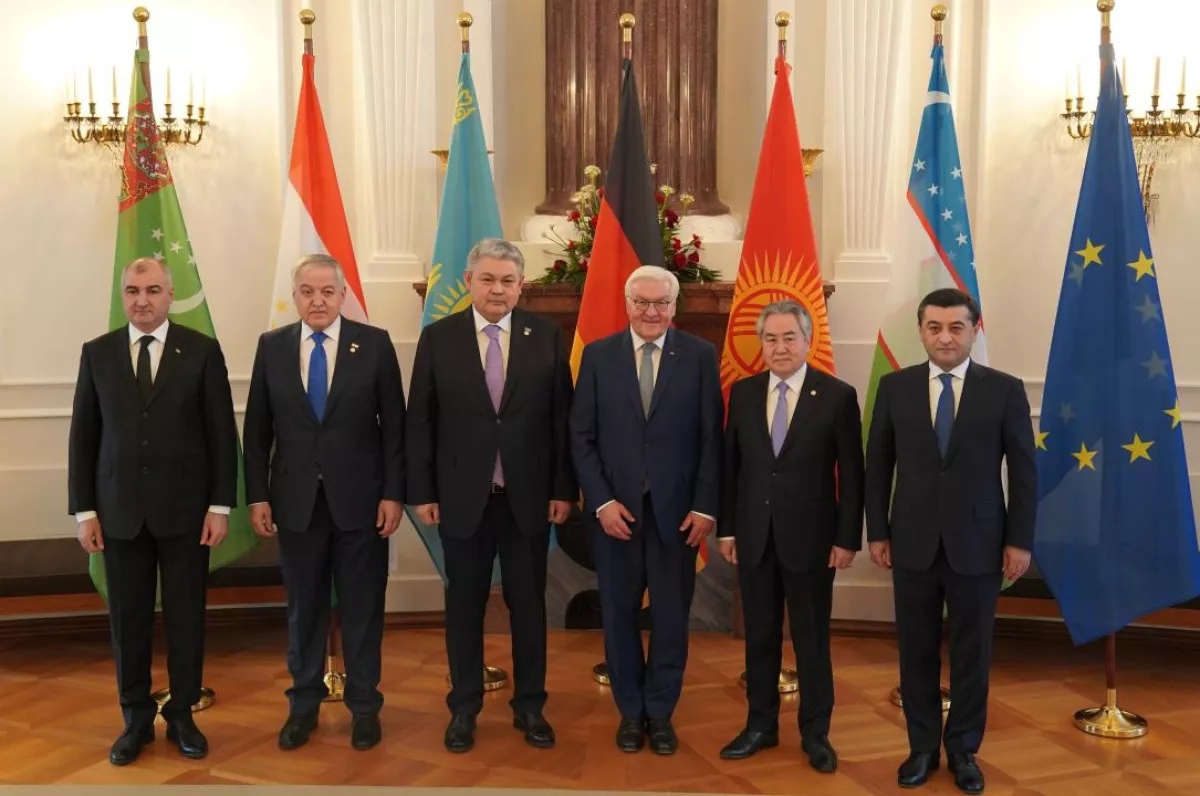
Ahead of the summit, the Central Asia–Germany Economic Forum took place, where participants explored opportunities for cooperation in the extraction, processing, and sustainable use of natural resources; collaboration in both traditional energy and renewable energy development; and the potential for joint initiatives in the agro-industrial sector. The discussions also focused on developing transport corridors, enhancing regional connectivity, and strengthening Central Asia’s transit potential.
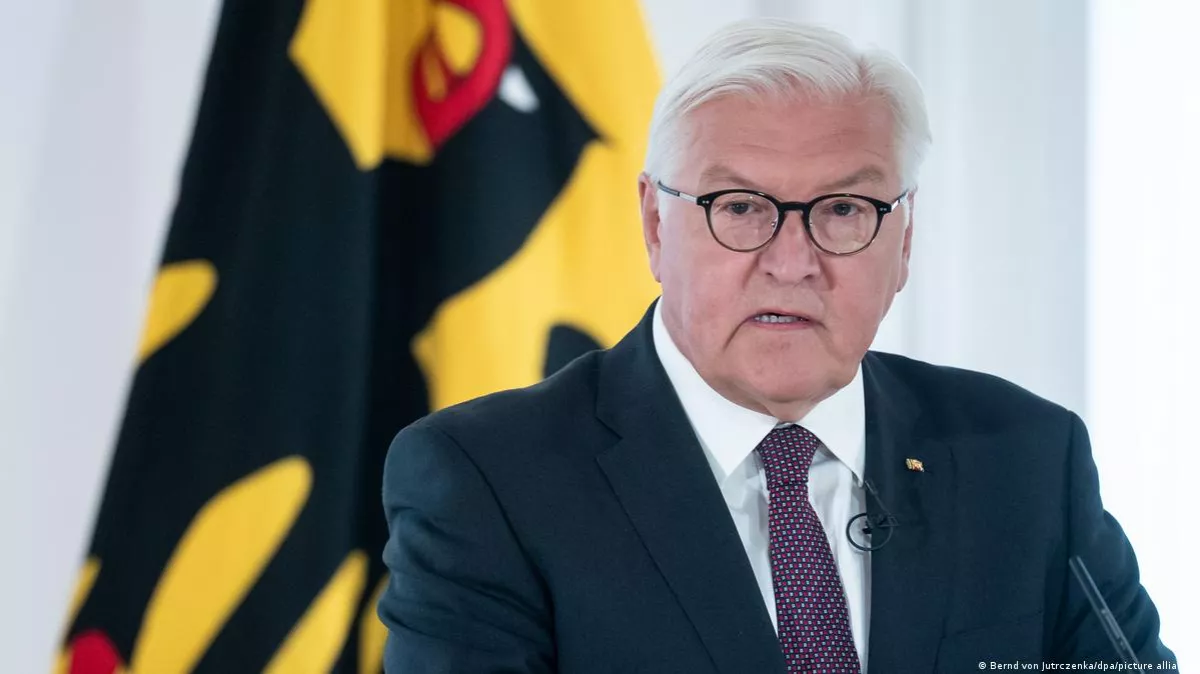
Subsequently, German President Frank-Walter Steinmeier met with the foreign ministers of the Central Asian countries, highlighting Germany’s steadfast commitment to building partnerships with the region’s states based on mutual respect, trust, and long-term cooperation.
The main meeting took place between the foreign ministers of the Central Asian countries and Germany’s Foreign Minister, Johann Wadephul. As a result, the Berlin Declaration was adopted, affirming the further strengthening of the German–Central Asian partnership, “based on shared values and mutual interests,” as well as the continuation of high-level dialogue.
Among the key areas highlighted in the document was the development of the Middle Corridor, recognised as a consistently effective multimodal transport link between Central Asia and Europe. At the same time, the declaration underscored the need for continued cooperation in natural resources (including hydrocarbons), energy (including renewables), agriculture, and other sectors.
Analysts paid particular attention to the parties’ emphasis on the need for “achieving, as soon as possible, a comprehensive, just and lasting peace in Ukraine in line with the principles of the Charter of the United Nations,” as well as the highlighted importance of continued cooperation “to enhance the prevention of sanctions circumvention.”
Experts regarded the latter point as one of the most significant in the document, especially since Germany’s foreign minister discussed this issue in detail with his Central Asian counterparts, noting that “attempts to circumvent these sanctions support Russia’s aggressive war and directly threaten the security interests of the European Union.”
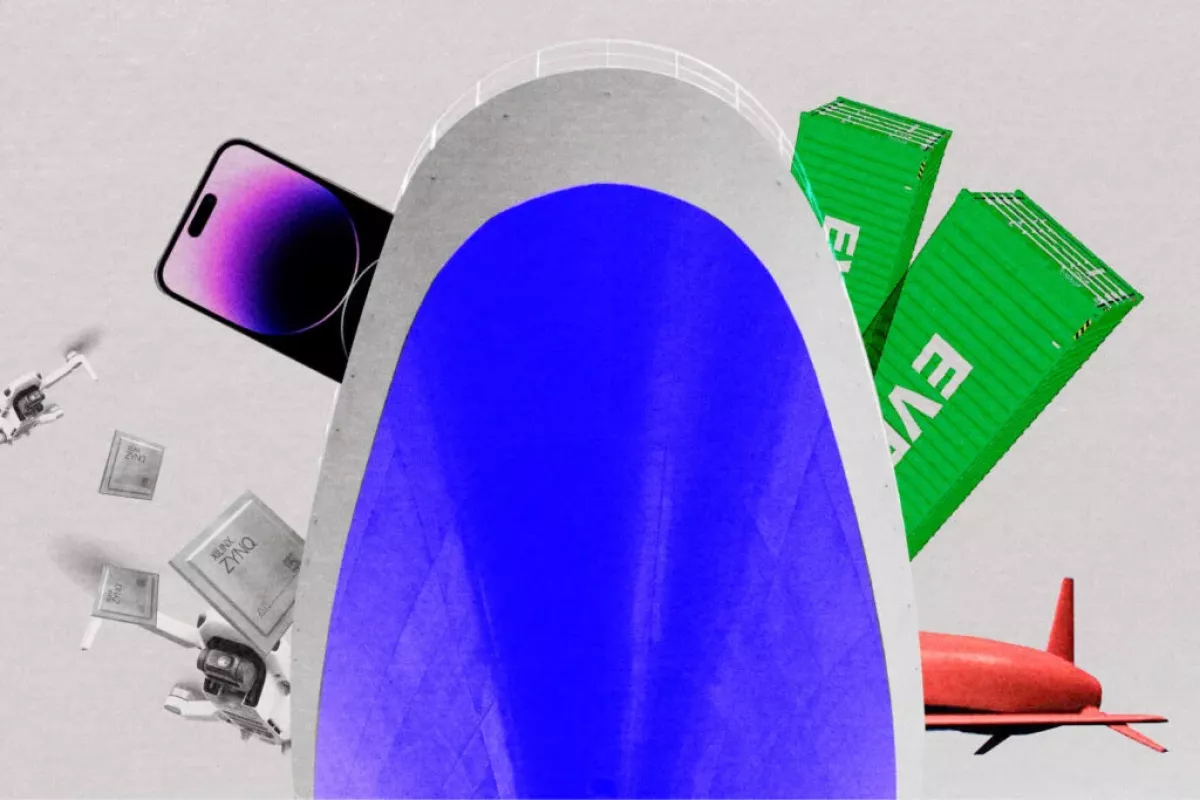
Overall, the issue of anti-Russian sanctions emerged as one of the key themes of the meeting. On the eve of the summit, Western media reported that the planned 20th EU package of sanctions could include measures primarily targeting Kyrgyzstan, whose companies are alleged to “resell sanctioned products purchased from EU countries to Russia.”
As noted, the European Union is considering restrictions on the export of certain dual-use goods, including high-precision metalworking machines and radio equipment, due to concerns that imports by Bishkek could be re-exported to Russia. Reports highlighted that exports of such and similar goods to Kyrgyzstan increased by almost 800 per cent in the first ten months of 2025 compared to pre-war levels, raising concerns against the backdrop of a roughly 1,200 per cent increase in exports of similar products to Russia.
In this context, the cryptocurrency company TengriCoin was also mentioned, which, according to several sources, is said to support “Russia’s state-linked financial interests.”
The sanctions issue concerning Bishkek is by no means new. As early as 2023, Kyrgyz President Sadyr Japarov emphasised that there were no grounds for accusations of circumventing Western sanctions: “We are not involved in politics; our focus is on advancing the country’s economy. Let us not be disturbed.”
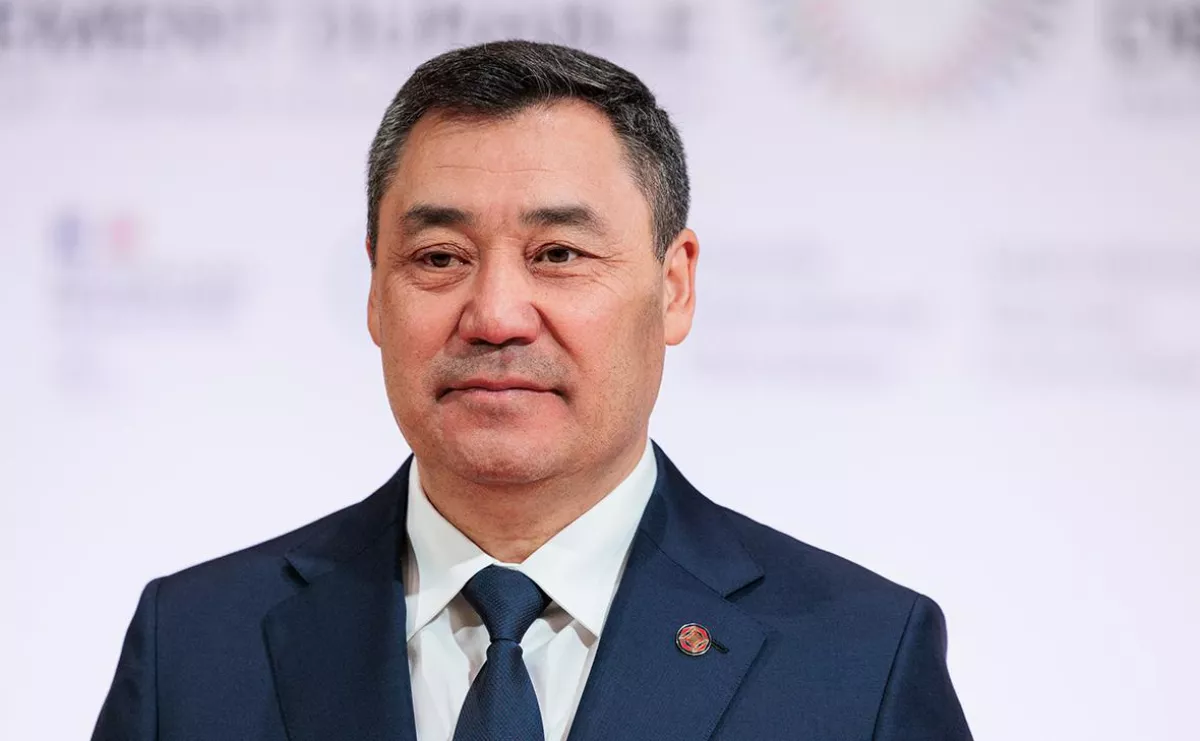
In 2024, Japarov stated as an established fact that Bishkek had repeatedly been asked from abroad to limit its cooperation with Russia. However, he explained that Kyrgyzstan could not adopt such an approach, given that bilateral trade with Russia exceeds $4 billion and around one million Kyrgyz citizens live in Russia. At the same time, he pointed out that several EU countries continue to actively engage with Russia despite the sanctions: “When you need it, you calmly cooperate with the Russian Federation, and you tell us — do not cooperate. This is an unfair demand.”
The president also emphasised that Bishkek does not deal with sanctioned goods subject to restrictions against Russia: “Therefore, no claims can be made against us on this issue.”
In the summer of 2025, Sadyr Japarov, commenting on sanctions imposed by the UK and US governments against Kyrgyz banks, stated that there was not a single confirmed case of “sanctioned goods being routed through us to Russia. If such a case existed, the countries making the accusations would have provided evidence.”
At the end of 2025, the Kyrgyz Ministry of Foreign Affairs, expressing regret over the inclusion of several domestic legal entities on the EU sanctions list, announced Bishkek’s willingness to undergo an independent, internationally recognised audit to verify the facts and demonstrate that any restrictive measures should be based on reliable and verifiable data.
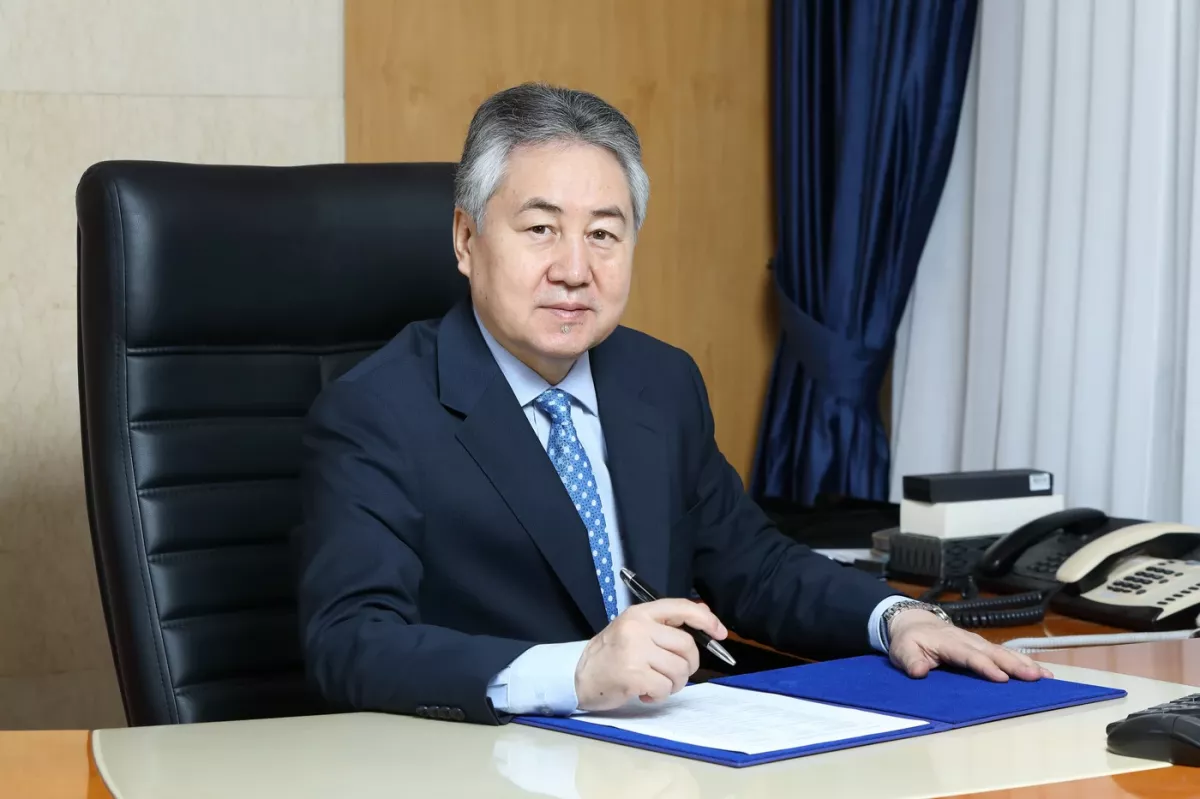
At the ministerial meeting in Berlin, Kyrgyz Foreign Minister Jeenbek Kulubayev expressed Bishkek’s serious concerns regarding the EU’s sanctions policy, pointing to the potential negative consequences of unilateral restrictive measures for the region’s sustainable socio-economic development, as well as for the further strengthening of trade, financial, and investment cooperation between Central Asian countries and European partners.
At the same time, he emphasised that Bishkek maintains an open and constructive dialogue with its European partners, aimed at jointly mitigating risks associated with the potential circumvention of sanctions.
Thus, it appears that Brussels is applying a form of pressure on Bishkek through the sanctions framework, which became evident during the ministerial meeting. Some experts suggest that more concrete developments in this area may emerge following Brussels’ announcement of the implementation of the 20th package of anti-Russian sanctions. In this context, several observers do not rule out that the discussion of this issue during the ministerial talks may have served as a kind of message to Bishkek.
In any case, analysts believe that the potential imposition of EU restrictive measures against Kyrgyzstan could exacerbate tensions between Bishkek and Brussels.







 editor@caliber.az
 +994 55 444-88-98
 Азербайджан, Баку, ул. Низами, 203, Af Business House, 5-й этаж