










Armenian “expert” misses the point on peace talks When facts speak louder
“Entry into Armenia through the land border in the Tavush region by representatives of Azerbaijani ‘civil society,’ as well as the meeting organised with their participation, is not a real dialogue, but part of a process of ‘simulated peace.’”
This statement, made in an interview with Sputnik Armenia, comes from Tatevik Hayrapetyan — not just a journalist or analyst, but someone who calls herself an expert on Azerbaijan. In this context, it becomes very interesting to ask: what exactly in her “unique knowledge” of Azerbaijan led the expert to such a conclusion? And here’s what emerges: “Hayrapetyan drew attention to the composition of the Azerbaijani delegation, noting that this time it included people whose names are practically unknown in the public sphere, creating the impression of some sort of farce.”
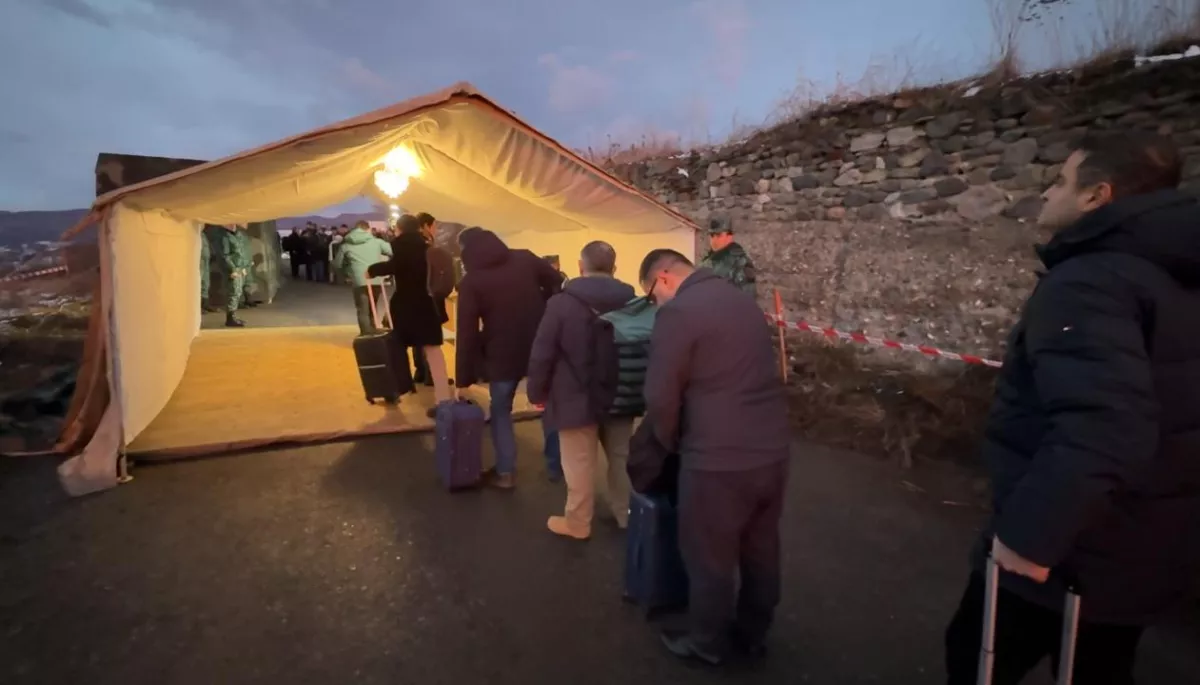
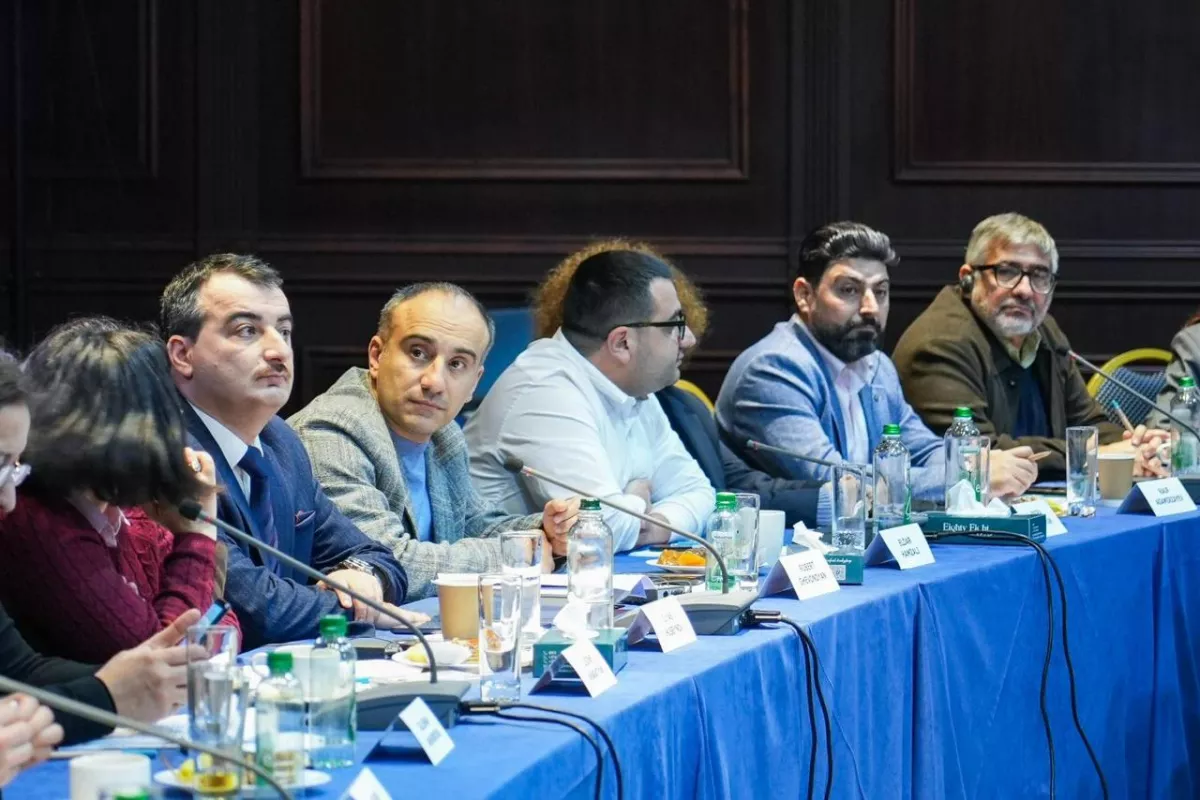
A very strange statement from every angle. First, and this concerns several members of the Azerbaijani delegation, representatives of civil society are not obliged to be public figures at all. Second, contrary to Hayrapetyan’s conclusion, most members of the Azerbaijani delegation regularly appear on television, in newspapers, online media, and on social networks. Third, some of them — for example, Farhad Mammadov, Kamal Mammadov, Rusif Huseynov, and Ramil Iskandarli — already visited Armenia as part of the first delegation. So why did Hayrapetyan not raise this issue during their first visit? And finally, fourth, among the new members of the delegation, transport expert Rauf Aghamirzayev and political scientist Ilyas Huseynov are very well known to the public (and if the “Azerbaijan expert” does not know them, this raises serious questions about her competence).
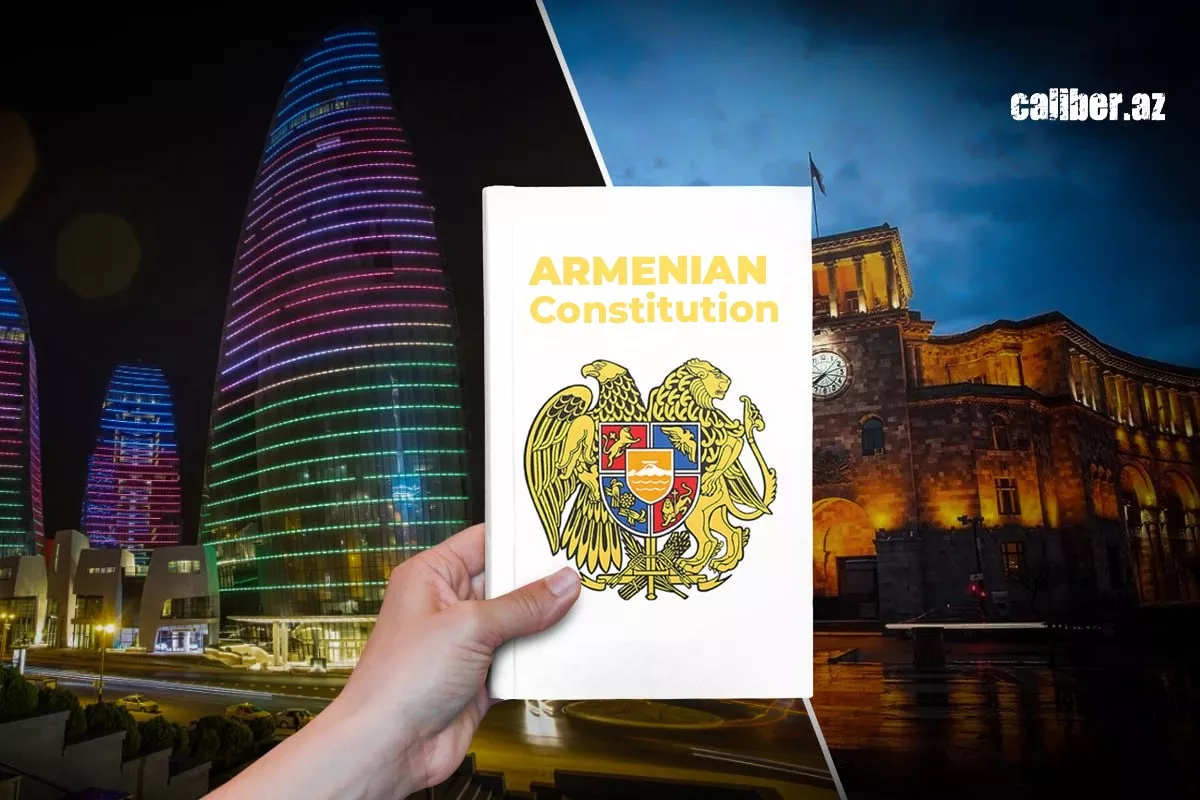
In the interview, Hayrapetyan touched on Farhad Mammadov’s statement that the upcoming parliamentary elections in Armenia could be decisive for the peace process. “It has long been obvious that Azerbaijan is directly interfering in Armenia’s internal affairs. Even the mere demand to amend the Constitution is the clearest proof of such interference. Either you accept Azerbaijan’s conditions and change your Constitution according to its demands, or Armenian society is declared unwilling to pursue peace. This is effectively a bomb planted at the foundation of Armenian statehood,” she said.
According to Hayrapetyan, it follows that Armenia’s constitutionally enshrined territorial claims against Azerbaijan are not considered interference in Azerbaijan’s internal affairs, whereas Azerbaijan’s demands to remove these provisions are deemed interference in Armenia’s internal affairs. Absurd!
And finally, one more statement from Hayrapetyan: “When you realise that the other side is staging a farce and simply buying time, and that by participating you are helping to conceal their real goals, it creates a threat to the state’s security.”
So, Hayrapetyan considers such meetings a farce and a simulation of the peace process. One would like to ask her: is the reopening of communications, through which Armenia receives not only Kazakh and Russian grain but also Azerbaijani fuel via Azerbaijani territory, also a farce and a simulated peace process? Is Baku’s demonstration of goodwill, including the transfer to the Armenian side of Vagif Khachatryan, Gevorg Sujyan and Vigen Euljekjian — who had been convicted under various articles of the Criminal Code of Azerbaijan and served their sentences in the country — also a farce? And finally, is the high-level meeting in Washington, the signing of a joint declaration by the leaders of Azerbaijan, Armenia, and the United States, and the initialling of the draft peace agreement by the foreign ministers, also a simulation of the peace process?
It turns out that the “expert” took one element of the peace process, interpreted it in her own way, and presented it as a kind of symbol of falsity, casting a shadow over the entire process. One would like to point out to her that the meetings of Armenian and Azerbaijani delegations, even if none of their members were widely known to the public, are already a significant achievement in themselves — if only because they are covered by both Armenian and Azerbaijani media. The societies of the two countries are gradually getting used to the idea that it is possible to visit each other, meet, and discuss various topics. In this sense, such meetings cannot be called a simulation.
It should be especially noted that to voice alarmist, revanchist theses like those put forward by Hayrapetyan, it is by no means necessary to be an expert on Azerbaijan — in Armenia and among the diaspora, anyone who wishes can do this. Even in the most outrageous statements of the “expert on Azerbaijan,” one would expect to see the results of painstaking work and years of studying Azerbaijan. Yet none of this is evident. Is simply reading the news really enough to call oneself an expert on Azerbaijan in Armenia?
If one continues thinking in terms of confrontation, then perhaps it’s something to be glad about that in Armenia they know almost nothing about Azerbaijan — well, if these are the so-called “Azerbaijan experts.” However, if we approach things from the perspective of peaceful settlement, such “specialists,” under the guise of “regional studies,” can do significant harm to the process—especially if people actually listen to them.







 editor@caliber.az
 +994 55 444-88-98
 Азербайджан, Баку, ул. Низами, 203, Af Business House, 5-й этаж