










Munich after Vance and Rubio Europe flexes its geopolitical muscle
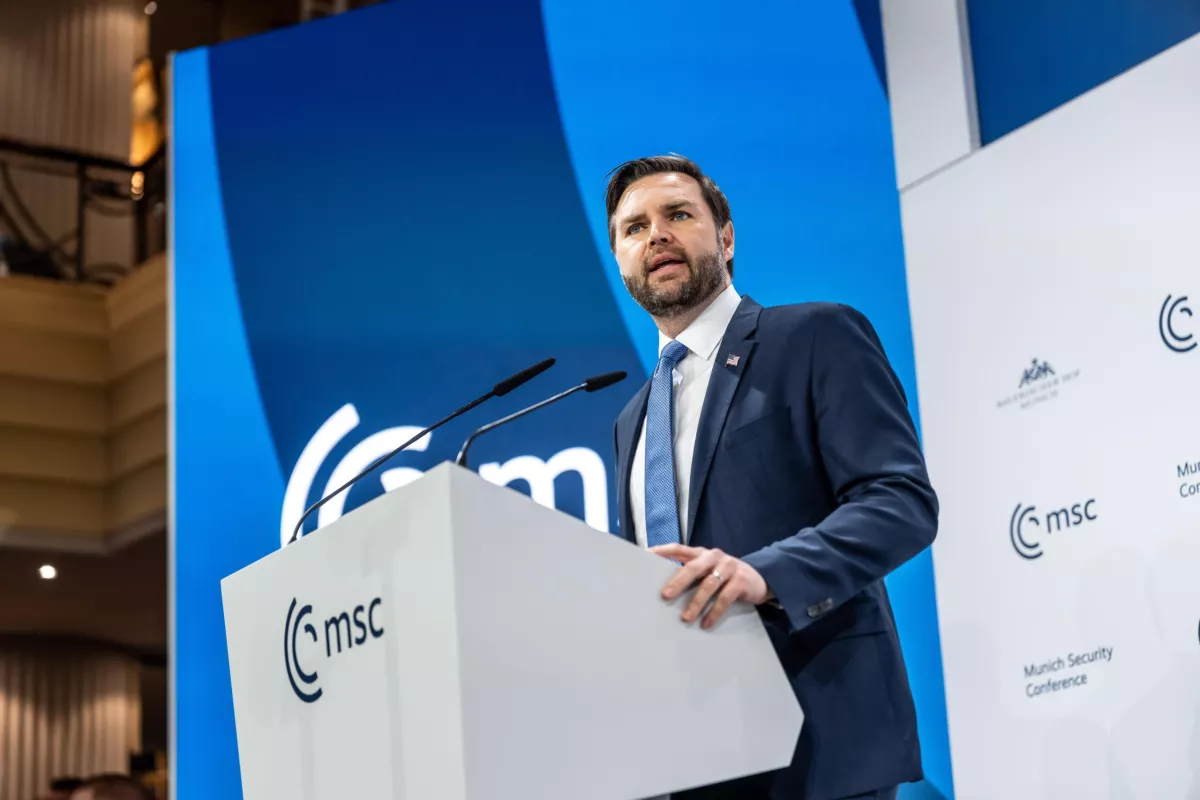
One of the most notable moments of this year’s Munich Security Conference was a new round of open geopolitical—and in many ways ideological—tensions between the United States and the European Union. This time, instead of U.S. Vice President Jay D. Vance, who last year at Munich had effectively dismantled Brussels’ position of recent decades, the speech was delivered by Secretary of State Mario Rubio. Rubio offered a series of conciliatory statements aimed at preserving transatlantic unity, earning applause from parts of the European audience. Yet a closer look reveals these gestures were largely superficial, leaving Washington’s core stance on Europe unchanged.
Rubio had already outlined the main themes of his Munich address a day earlier, noting Europe’s desire to understand the direction of joint action. With the old world receding, he stressed the need for all actors to reassess their roles and reaffirmed the enduring importance of Europe to the United States, highlighting the close connections between the two.
Starting from this context, Rubio framed Europe and the United States as members of a historic alliance that shaped the modern world. He reflected on the post-Cold War era as a time when East and West became interconnected, yet warned that the optimism of that period led to a misconception: the belief that every nation would naturally adopt liberal democracy, creating a borderless global order. This, he suggested, was an oversimplification of international realities and national interests.
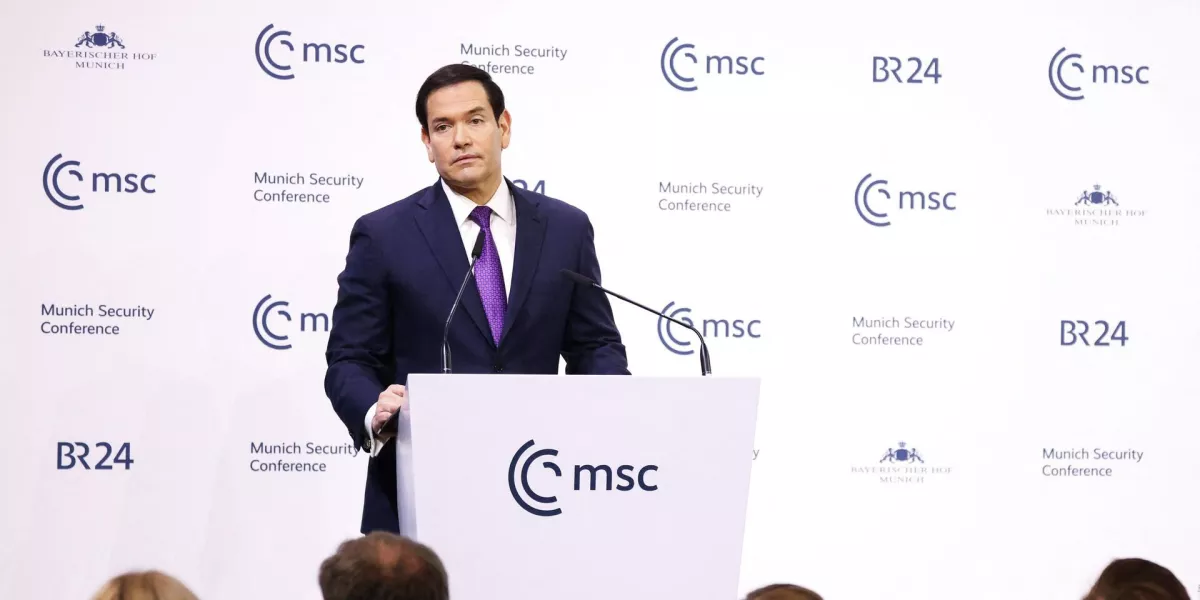
Rubio called this view “a foolish idea that ignored both human nature and it ignored the lessons of over 5,000 years of recorded human history.” Against the backdrop of countries sacrificing their own sovereignty in the interests of international institutions, some states invested in building up military power, using hard force to achieve their goals. At the same time, mass migration has become a threat to the continuity of our culture. Consequently, the United States has taken on the task of renewal and restoration, hoping to carry it out together with its European friends, given that American roots trace back to the European continent, and “we are part of one civilization – Western civilization.” This, he said, reflects “the deep concern of the U.S. for Europe and our shared future.” At the heart of this message is the idea that the United States wants to see a strong Europe, and that Europe’s fate is inseparable from its own. Achieving this vision involves reforms to the United Nations and other international institutions, and Washington relies on the strength of its allies to actively participate, rather than allowing the West to decline passively. The goal is a renewed alliance that can restore a leading role for both sides on the global stage.
Within this framework, Rubio emphasised that, despite claims that the transatlantic era is over, the United States will always see itself as closely connected to Europe. The intention is to chart a shared path toward a new era of prosperity, with a common destiny for both sides. While this tone may have seemed conciliatory, a closer look reveals that the speech maintains clear ideological continuity with the positions expressed by Vance at last year’s Munich conference.
That said, the divergence between EU leaders and parts of Rubio’s message became clear, even if not expressed entirely openly. European Commission President Ursula von der Leyen, while calling the Secretary of State’s speech encouraging, emphasised Europe’s growing independence, particularly in defence. In responding to NATO Secretary-General Mark Rutte’s assertion that security is impossible without the U.S., von der Leyen stressed that mutual defence is a binding obligation for the EU, and that Europe must build its own capabilities rather than rely constantly on others. She also underscored the importance of Europe achieving digital sovereignty.
European Foreign Affairs Chief Kaja Kallas echoed this view. While she acknowledged positive aspects of Rubio’s speech, she highlighted the continuing differences between Brussels and Washington on multiple issues, noting confidently that such divergences are likely to persist.
In a similar vein, German Chancellor Friedrich Merz, speaking even before the conference officially began, called for the U.S. and Europe to restore transatlantic trust, but warned that the United States does not have the capacity to act alone in today’s world. Merz stressed that Europe must uphold its values, from freedom of speech to climate policy and free trade, meaning that Europe must increasingly rely on itself. Recognising the rise of great-power politics, he argued that Europe should resist this trend and end what he called its “self-imposed immaturity,” confidently advancing along a path of independent European leadership.
In line with Merz, French President Emmanuel Macron emphasised that Europeans must learn to operate as a true geopolitical power, a capacity long absent from the continent’s strategic DNA. This requires developing long-range military capabilities and exploring the potential integration of France’s nuclear deterrent into the broader EU security framework.
Meanwhile, British Prime Minister Keir Starmer called for closer ties between London and Brussels to enable Europe to stand independently in matters of defence. He argued that strategic investments should shift Europe from excessive dependence toward a model of mutual interdependence.
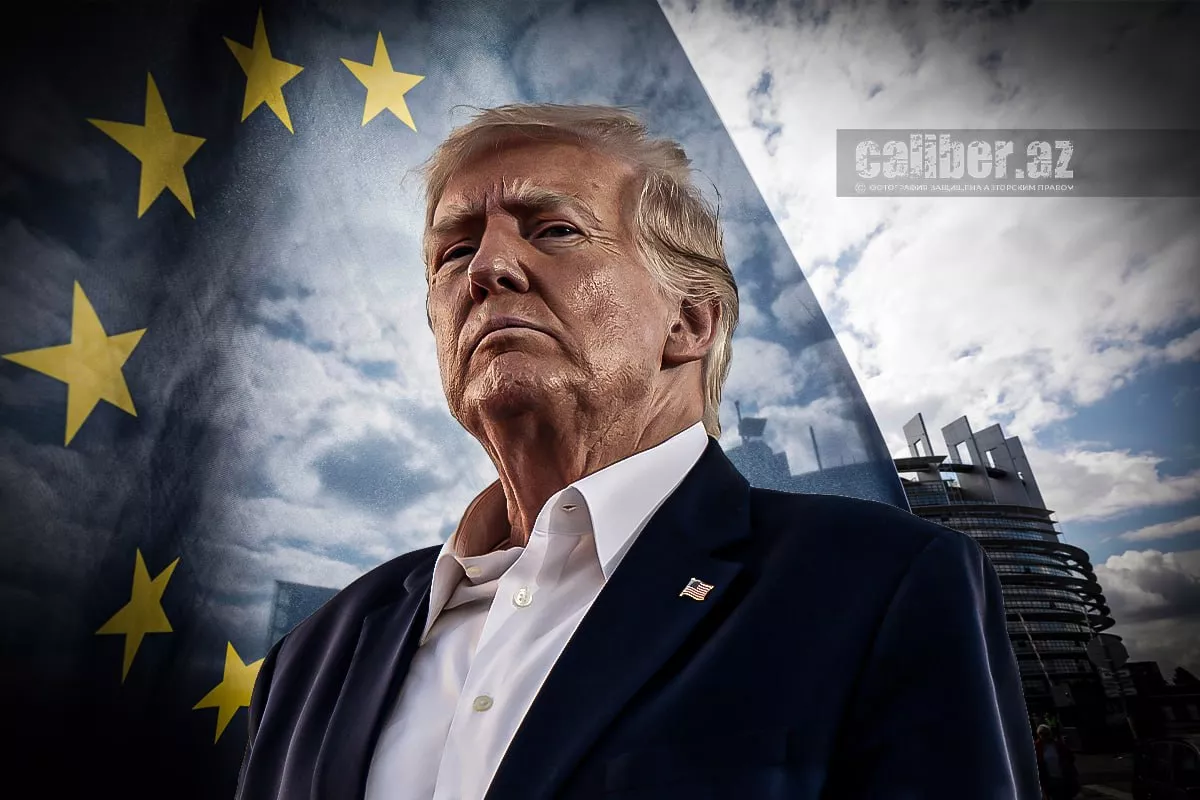
Compared to last year’s Munich Conference, EU leaders appeared far less like easy targets, having prepared in advance to counter potential anti-European rhetoric. Analysts note that this confidence was reinforced not only by the presence of U.S. Senators Lindsey Graham and Richard Blumenthal, who champion legislation to tighten sanctions against Russia, but also by prominent figures in the Democratic Party leadership, including California Governor Gavin Newsom.
Newsom notably challenged President Donald Trump’s approach to ending the Russia–Ukraine war, sharply criticising policies that seemed designed to profit from Ukraine’s reconstruction. He stressed the importance of pursuing a fair settlement rather than treating Ukraine as a commodity, highlighting a vision of America committed to equity and principled diplomacy.
The active participation of prominent Democrats at the conference once again underscored a degree of mutual understanding between this political wing and Brussels. European leaders also appeared markedly more confident than usual. The question remains, however, how effective this confidence will be in driving concrete steps toward the vision they outlined. A key challenge continues to be the lack of unity within the continent, a situation further complicated by Marco Rubio’s post-Munich visits to Slovakia and Hungary, countries known for their more independent or centrifugal stances within the EU.
Last year’s Munich Conference was widely seen as a geopolitical setback for Europe. Whether this year’s forum will represent a breakthrough for Brussels remains uncertain. Nonetheless, many experts agree that Europeans, for the first time in recent memory, have actively tried to present themselves as a genuine geopolitical force. In this context, the primary divergence with the United States is expected to arise over the Russia–Ukraine conflict.







 editor@caliber.az
 +994 55 444-88-98
 Азербайджан, Баку, ул. Низами, 203, Af Business House, 5-й этаж