










Between deterrence and cooperation A new stage in Türkiye–Greece dialogue
On 11 February 2026, for the first time after a two-year pause, a meeting of the Strategic Cooperation Council was held in Ankara with the participation of Turkish President Recep Tayyip Erdoğan and Greek Prime Minister Kyriakos Mitsotakis. The event reflected contemporary geopolitical realities and demonstrated the two countries’ intention to find common ground on disputed issues concerning the Eastern Mediterranean and the Aegean Sea.
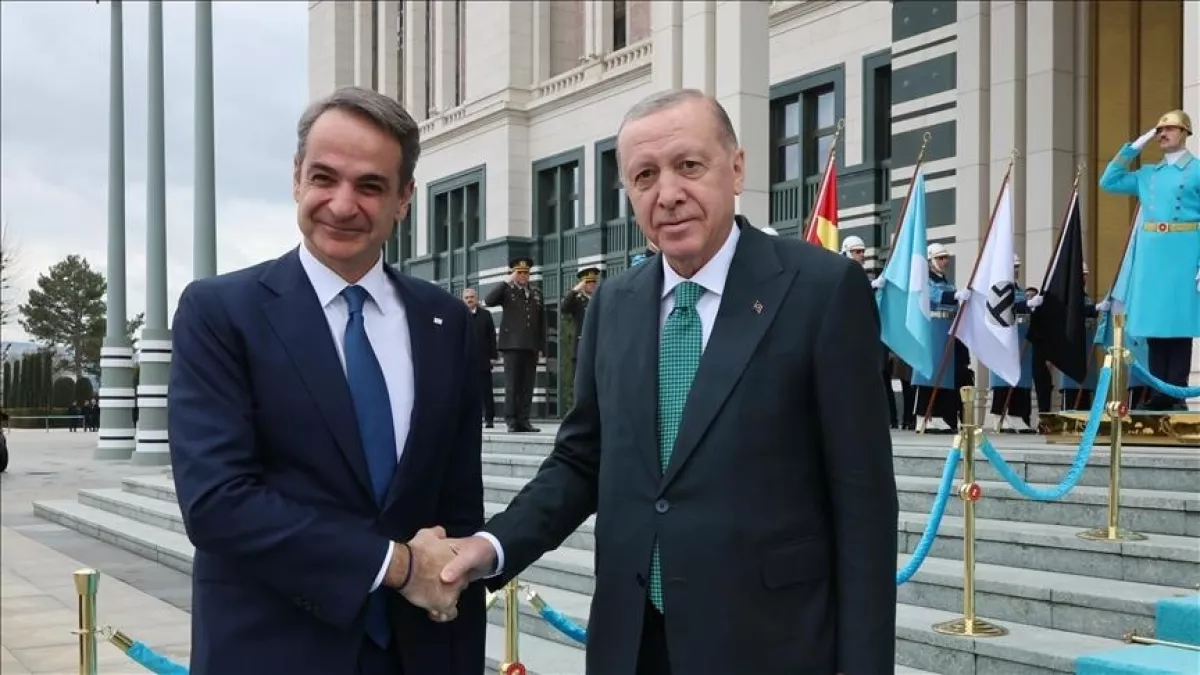
The Ankara summit demonstrated that the “positive agenda” process proclaimed in the 2023 Athens Declaration has not been completed and, at this stage, requires reconsideration. This comes against the backdrop of heightened tensions surrounding the militarisation of the Aegean islands, disputes over gas field exploration, as well as debates over contested regional maps. The summit thus became an important step in preventing tensions from escalating into a systemic crisis.
The timing of the leaders’ meeting was also far from coincidental. Following the NATO summit in The Hague, Türkiye has placed greater emphasis on strengthening its position within NATO, presenting itself as a state capable of playing a stabilising role in regional crises. From Ankara’s perspective, the crisis around the Aegean Sea represents a risk factor that could overshadow its diplomatic achievements within the Alliance. For Greece, meanwhile, the Russia–Ukraine war, instability in the Middle East, and the issue of irregular migration make the maintenance of stable relations with Türkiye a more than rational choice.
The emphasis at the joint press conference on the thesis that “there are no issues that cannot be resolved on the basis of international law” reflects the strategy of both countries: to defend their positions without provoking crises, while at the same time preserving space for negotiations. At this stage, however, neither Ankara nor Athens has made concessions on the key issues — the focus is on lowering the level of tension rather than reaching a substantive compromise.
The discussion surrounding the situation in the Aegean Sea is multi-layered and extends far beyond the technical delimitation of spheres of influence, touching upon issues of sovereignty, security, and geopolitics. From Türkiye’s perspective, the Aegean Sea is viewed as part of an integrated security system. This includes the problems of the continental shelf and the exclusive economic zone (EEZ), the dispute over the 10-mile airspace, the demilitarised status of the Eastern Aegean islands, as well as the question of disputed islets, shoals, and rocks.
Ankara regards the Aegean Sea as a “semi-enclosed sea with a special status,” arguing that the delimitation of maritime zones must take into account geographical features, the length of coastlines, and the presence of a nearby mainland. Its position is based on norms of customary international law, as Türkiye is not a party to the United Nations Convention on the Law of the Sea (UNCLOS).
Greece, for its part, relies to a significant extent on the provisions of the aforementioned Convention and maintains that islands are also entitled to generate zones of coastal jurisdiction. Athens’ claims to territorial waters around numerous small islands, such as Kastellorizo, imply for Türkiye a substantial restriction of its access to the open waters of the Eastern Mediterranean. Thus, the issue goes beyond a technical demarcation of boundaries and acquires a strategic dimension.
Greek Prime Minister Kyriakos Mitsotakis has expressed his intention to resolve these disputes within the framework of international judicial institutions. The Turkish leadership, in turn, is prepared to submit only the question of the continental shelf’s resource exploitation to judicial review, while proposing that the remaining issues be addressed through comprehensive political negotiations.
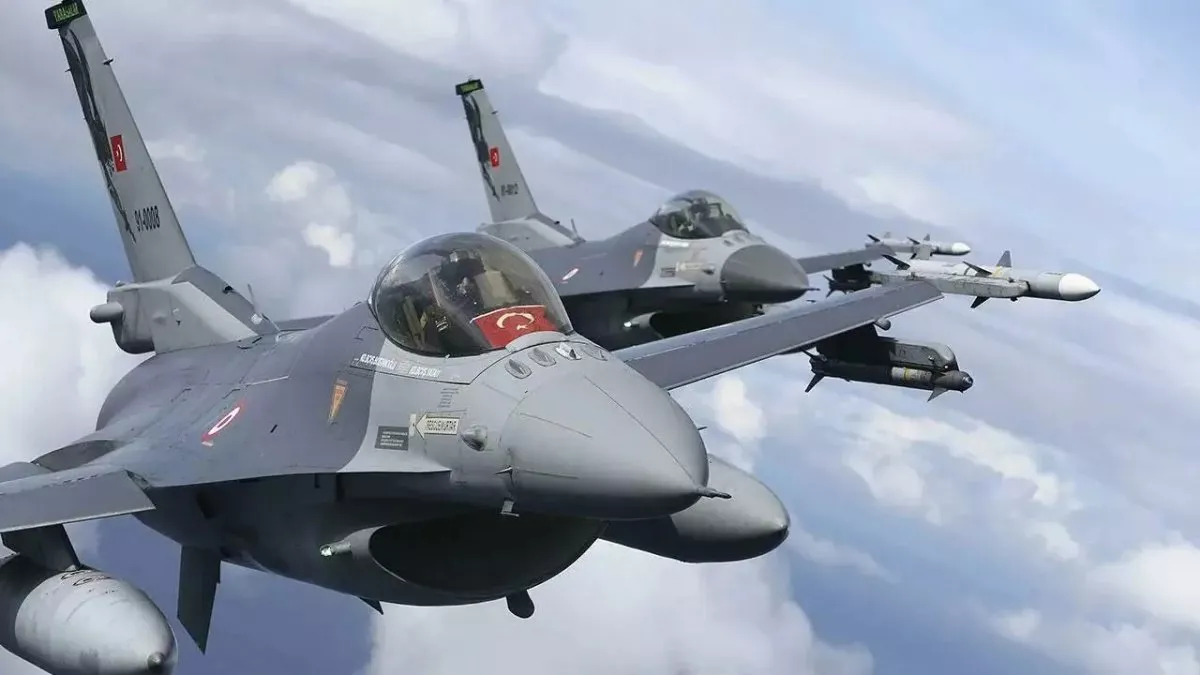
The most explosive element of the Greek–Turkish confrontation remains the military dimension. In recent years, both sides have frequently accused each other of violating national airspace, creating the risk of fatal miscalculations and the danger of a direct clash between two allies within NATO. The meeting in Ankara demonstrated that both parties recognise the seriousness of the issue and are keeping military communication channels open to prevent escalation.
When it comes to the Eastern Mediterranean, the situation becomes even more complex. After 2019, Türkiye and Libya signed a maritime delimitation agreement, responding to maritime boundary arrangements concluded by Greece with Egypt and the Republic of Cyprus. As a result, competition moved beyond a purely bilateral dispute and evolved into a rivalry between broader regional blocs.
In response to the formation of this “maritime” alignment, Türkiye took steps to normalise relations with Israel and Egypt, while also expanding its regional diplomatic engagement in an effort to weaken the coalition being shaped by Athens.
The Cyprus issue simultaneously intersects with both the Aegean and Eastern Mediterranean agendas. Ankara’s negotiating position is grounded in the demand for sovereignty and equal international status for Turkish Cypriots alongside their Greek neighbours. Greece and the Republic of Cyprus, however, insist on the establishment of a unified federation, making meaningful progress on a Cyprus settlement unlikely in the short term.
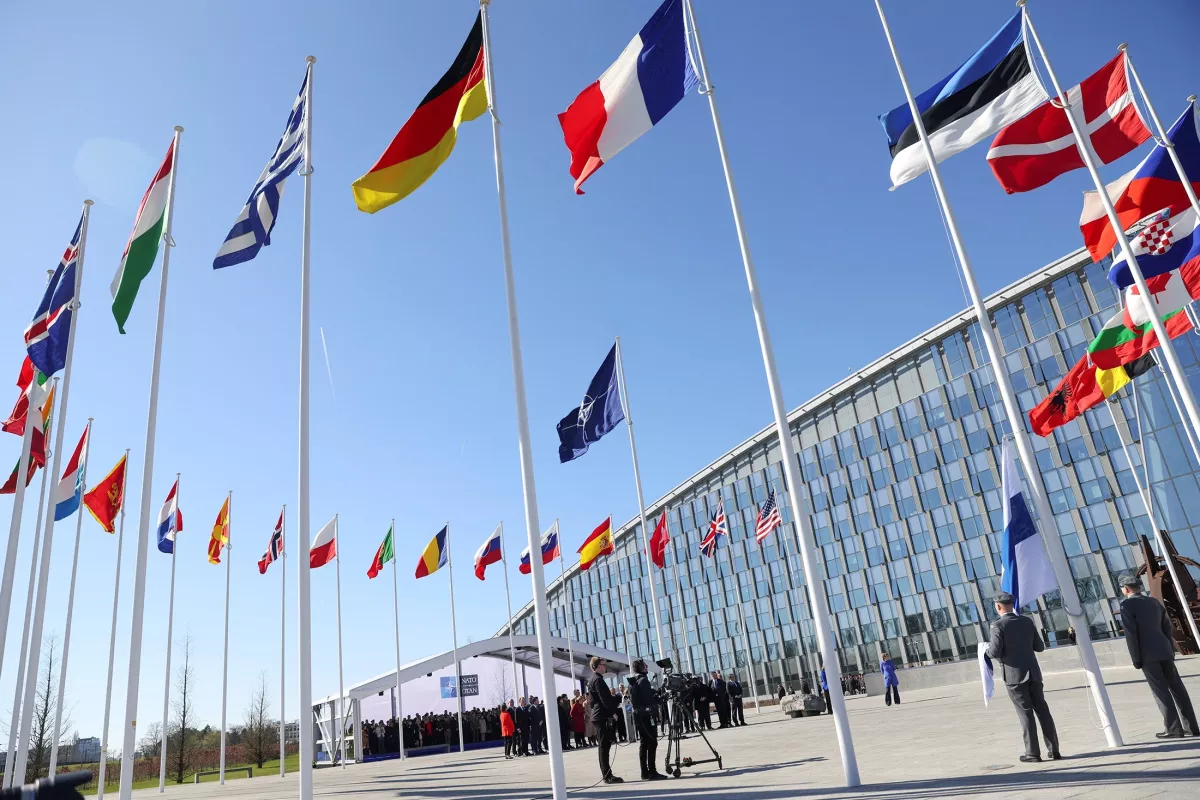
At the same time, both sides are aware of the economic and diplomatic costs of a new round of tensions around the island and have little interest in repeating the 2020 crisis, when NATO was compelled to activate mediation mechanisms, and the European Union threatened to impose sanctions.
Thus, in the Aegean Sea and the Eastern Mediterranean, a model of geopolitical balance and mutual deterrence has taken shape. Within this framework, Türkiye continues to strengthen its defence capabilities by modernising its naval and air forces, while at the same time keeping diplomatic channels open for political dialogue.
Notably, the summit placed emphasis on the “positive agenda,” reflecting the parties’ intention to prioritise economic engagement as an alternative to geopolitical rivalry. This approach represents a rational strategy aimed at deepening economic ties in order to mitigate security tensions. In other words, while unresolved issues in the Aegean Sea and the Eastern Mediterranean remain postponed, a favourable environment is being cultivated in areas where practical cooperation is possible.
As part of this strategy, numerous agreements have been signed — covering investment, finance, trade, culture, and other areas. These are intended to strengthen mutual interdependence and, consequently, reduce the risk of conflict. This is why the goal of increasing bilateral trade to $10 billion, highlighted during the meeting, carries a clear strategic significance.
Historically, trade between Türkiye and Greece has remained relatively modest. However, given their geographic proximity and logistical advantages, the potential for economic integration appears substantial. In sectors such as energy, logistics, tourism, construction, agriculture, and maritime transport, complementary economic structures exist, offering opportunities for mutually beneficial cooperation.
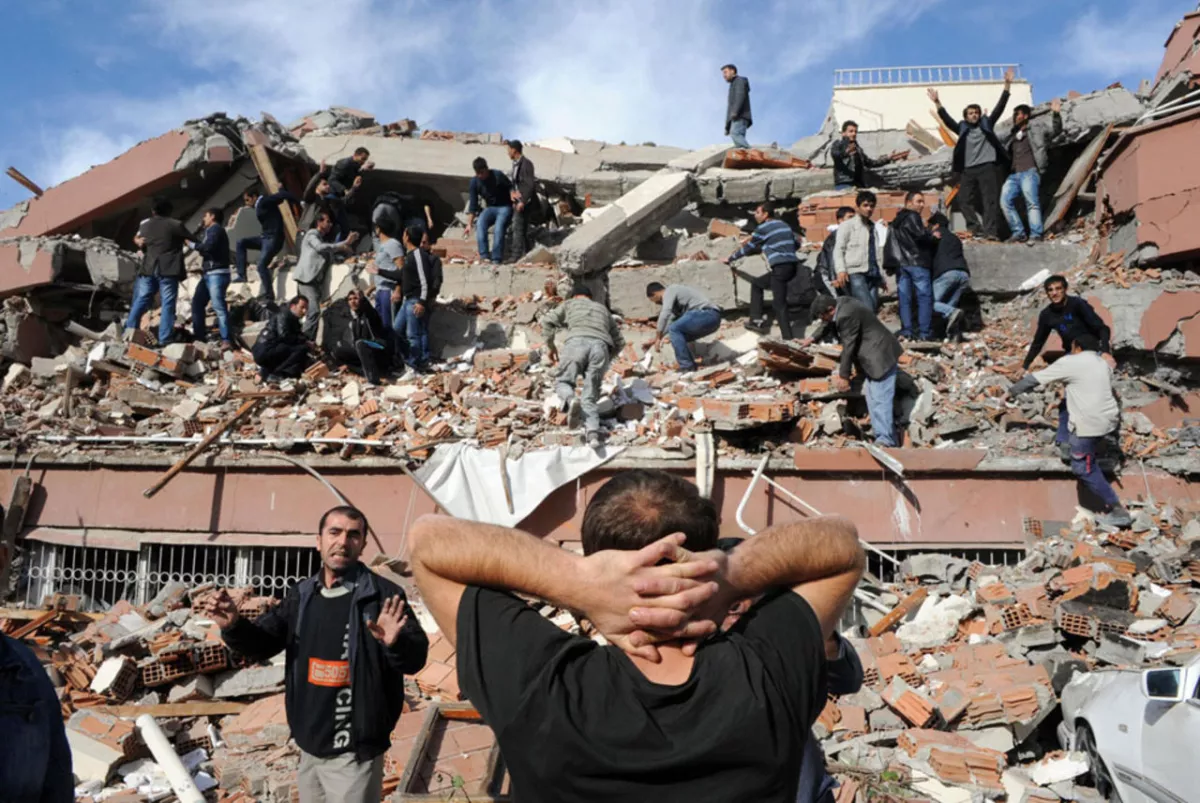
After the 1999 earthquakes in Türkiye and Greece, economic and humanitarian solidarity became a foundation for political normalization. The fact that the Ankara summit paid particular attention to cooperation in earthquake response reflects a deliberate appeal to this shared experience. Humanitarian areas, such as emergency management, play an important symbolic and psychological role in softening the intensity of geopolitical competition.
Strengthening economic ties also creates mechanisms of deterrence in times of crisis. For example, the İzmir–Thessaloniki ferry line has the potential to reshape the mental map of the Aegean Sea, which for many years has been perceived in public consciousness in both countries as a “risk zone.” Regular trade routes, integration of port infrastructure, and coordinated logistics flows can contribute to a reassessment of this perception. Tourism and simplified visa procedures further enhance the social dimension of interstate diplomacy. A convenient visa system for Turkish citizens, in particular, can help reduce tension at the level of public sentiment.
In conclusion, while the Ankara summit did not produce a breakthrough in Türkiye–Greece relations, it demonstrated that both sides are pursuing a conscious strategy aimed at minimising risks in their bilateral engagement.







 editor@caliber.az
 +994 55 444-88-98
 Азербайджан, Баку, ул. Низами, 203, Af Business House, 5-й этаж