










When geopolitics overrides differences: why is the EU heading to Ankara? Article by Matanat Nasibova
Against the backdrop of the European Union's diplomatic and economic confrontation with Russia and growing uncertainty over the United States' long-term commitment to NATO, Türkiye has emerged as an indispensable partner for Europe's broader security architecture. A clear illustration of this is today's visit to Ankara by a European delegation led by the EU High Representative for Foreign Affairs and Security Policy, Kaja Kallas.
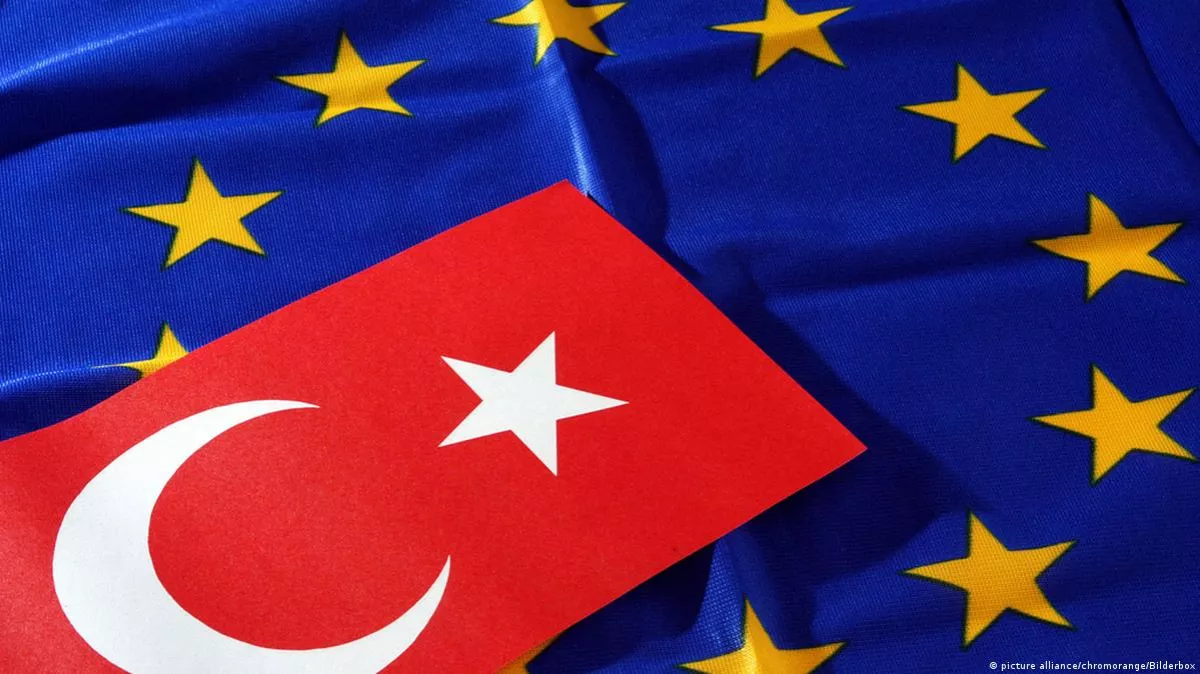
According to Turkish media, the delegation also includes European Commissioner for Enlargement Marta Kos and Commissioner for Internal Affairs and Migration Magnus Brunner, both of whom have visited Türkiye on several previous occasions. The agenda is expected to be extensive, with meetings scheduled with Turkish Foreign Minister Hakan Fidan, Minister of Treasury and Finance Mehmet Şimşek, and Minister of Transport and Infrastructure Abdulkadir Uraloğlu.
Analysing the visit, it is important to note first and foremost that it comes on the eve of the NATO summit, highlighting its clear strategic significance. This timing strongly suggests that one of the delegation's primary objectives is to coordinate positions between Brussels and Ankara on a number of issues of critical importance to the European Union's security agenda, including the situations in Ukraine, the Black Sea region, and the Middle East.
At the same time, it should be noted that the European Union views Türkiye's role in the Middle East through a dual lens. On the one hand, Ankara is regarded as an indispensable strategic partner in the fields of security, trade, and energy. On the other hand, it remains a source of diplomatic disagreement on several key issues. For example, while most EU member states designate Hamas as a terrorist organisation, Ankara considers it a national liberation movement and has sharply criticised Israel's actions. Moreover, despite maintaining a position of neutrality in the confrontation involving the United States, Israel, and Iran, Türkiye has openly criticised both Washington's and Tel Aviv's actions, warning of their potentially dangerous consequences for the stability of the wider Middle East.
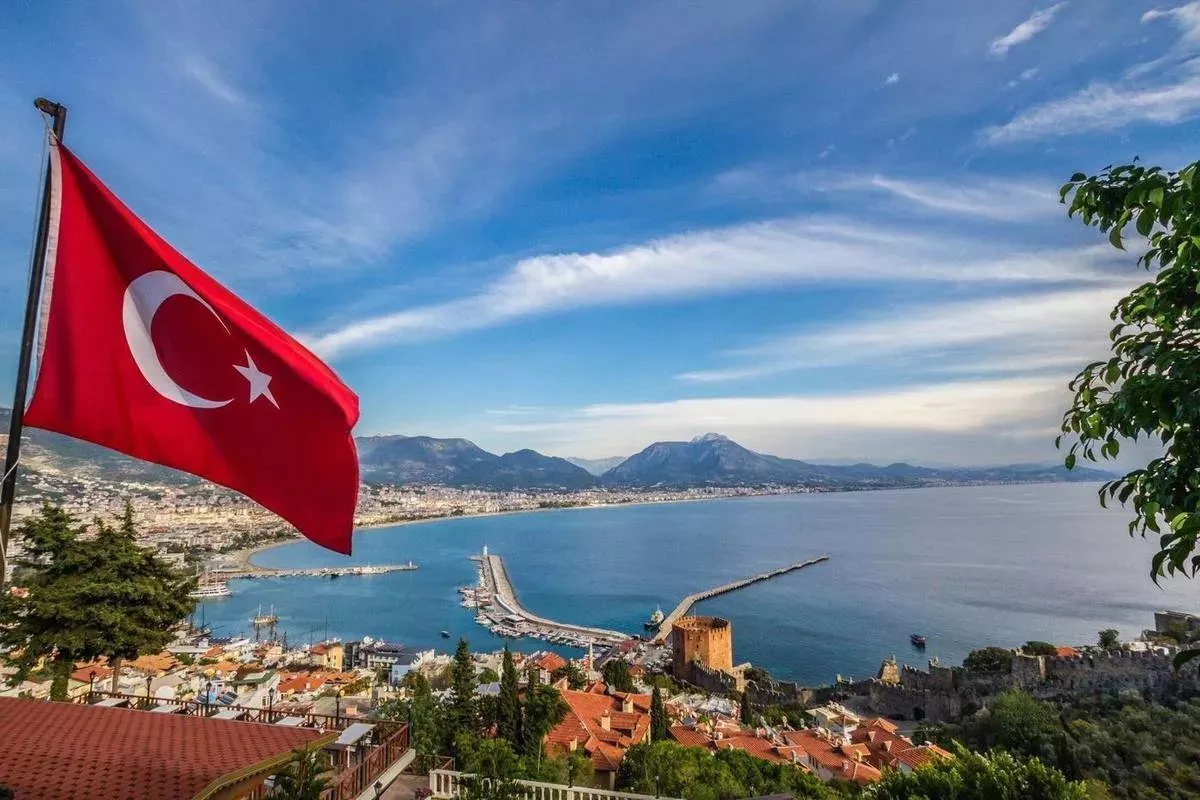
As for Türkiye's role in the Black Sea region, the European Union unequivocally views Ankara as an indispensable partner, publicly acknowledging that stability in the Black Sea cannot be ensured without Türkiye's active involvement. Brussels fully understands that the implementation of European initiatives, including its maritime security agenda, depends directly on the position of the Turkish authorities. A key factor in this regard is Türkiye's control over the Bosphorus and Dardanelles straits. In the context of the war in Ukraine, the EU is also likely to see Ankara as a potential mediator, given that Türkiye is one of the few countries to have maintained working relations with both Kyiv and Moscow. That is the geopolitical dimension of the relationship.
When it comes to the EU's own security, Brussels seeks to avoid disagreements with Türkiye as one of NATO's key members and is keen to deepen cooperation with Ankara in this area. This is reflected in joint defence-industrial programmes, technology exchanges, and efforts to involve Türkiye's defence industry in European initiatives. Equally important is Türkiye's geographical position as the principal transit bridge between the Middle East, Asia and Europe, making the country a natural buffer zone between migration flows and the European Union. Put simply, it is of vital importance to Brussels that Türkiye's effective border controls prevent millions of people from reaching the EU's external frontiers. In practice, the Turkish Coast Guard and security forces serve as the first line of defence, preventing irregular migrants from crossing the Aegean Sea and effectively safeguarding Europe's eastern borders.
For this reason, any destabilisation of relations or breakdown in cooperation with Ankara would pose a serious threat to the European Union, potentially triggering a crisis comparable to the events of 2015, when the Syrian civil war fuelled the largest migration crisis in recent European history. At that time, Türkiye became the main transit hub from which more than one million refugees and irregular migrants attempted to cross into Greece in order to reach European Union member states.

In light of all these factors, the visit of the high-level EU delegation to Ankara can be seen as Brussels' acknowledgement that a durable European security architecture cannot be built without Türkiye. In other words, the European Union's geopolitical interests clearly outweigh the political differences that continue to characterise its relationship with Ankara. At the same time, given the presence of Enlargement Commissioner Marta Kos in the delegation, it is reasonable to assume that Türkiye's EU accession process will also be discussed. However, it would be premature to expect any breakthrough, particularly in light of a number of EU demands that Ankara regards as unjustified and contrary to its national interests.
Against this backdrop, it is fair to conclude that the central focus of Kaja Kallas's visit will be less about strengthening the strategic partnership between Brussels and Ankara than about addressing the European Union's own geopolitical dilemmas. At the same time, the talks in Türkiye are likely to serve as a message to other global actors—particularly Russia—that European countries and their strategic partners are capable of consolidating their efforts in the field of collective security and presenting a united front.







 editor@caliber.az
 +994 55 444-88-98
 Азербайджан, Баку, ул. Низами, 203, Af Business House, 5-й этаж