










Why Greenland matters to Trump America’s century-long Arctic ambitions
The White House’s statements about the need for the United States to annexe Greenland are, on one hand, a continuation of traditional American policy regarding the island, and on the other, a response to modern challenges in the fields of energy and security.
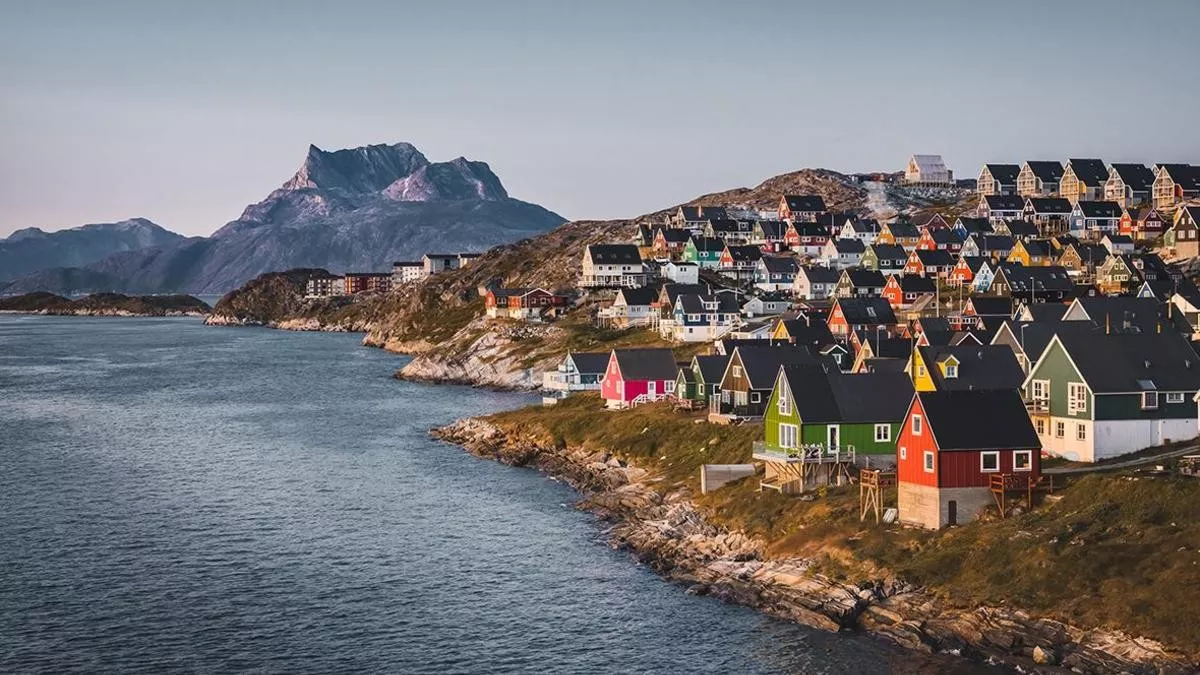
The island’s vast reserves of rare earth minerals—critical for industry—its key position in missile defence against hypersonic weapons, and the new global trade routes opening through melting ice have all drawn Washington’s attention to Greenland.
U.S. interest in Greenland dates back to the 19th century. It was the result of American strategic thinking: in 1867, following the purchase of Alaska from the Russian Empire, the 24th U.S. Secretary of State, William H. Seward, considered annexing Greenland and Iceland as an important step to reduce British influence on the North American continent and to strengthen the United States’ continental dominance.
At Seward’s behest, the State Department prepared a report highlighting the island’s mineral and fish resources and its strategic location, also asserting that acquiring Greenland would compel Canada to join the United States. However, the political weakness of Andrew Johnson’s administration and its conflicts with Congress meant that this first attempt to take control of Greenland remained only a declaration of intent.
On the eve of World War I, an even more unusual proposal was put forward by the U.S. ambassador to Denmark, Maurice Francis Egan. He devised an incredible plan: the United States would cede certain islands of the Philippine archipelago (acquired after the war with Spain) in exchange for Greenland and the Danish West Indies, after which Denmark would transfer these Philippine islands to Germany in exchange for part of Schleswig. Although this complex swap never materialised, the acquisition of the Danish West Indies (modern-day U.S. Virgin Islands) in 1917 demonstrated the seriousness of American intentions.
World War II transformed the U.S. pursuit of control over Greenland from an option into an absolute necessity. After Denmark was occupied by the Nazis in 1940, Danish envoy Henrik Kauffmann granted the United States broad authority to defend the island. This became a turning point, effectively placing Greenland under the American “umbrella.” U.S. military bases were established on the island, many of which still exist today.
In 1946, President Harry Truman attempted to purchase the island, offering Denmark $100 million in gold bars. However, Denmark rejected the proposal, viewing Greenland as an “unsinkable aircraft carrier” for countering the Soviet threat during the Cold War, and instead a bilateral defence agreement was signed in 1951.
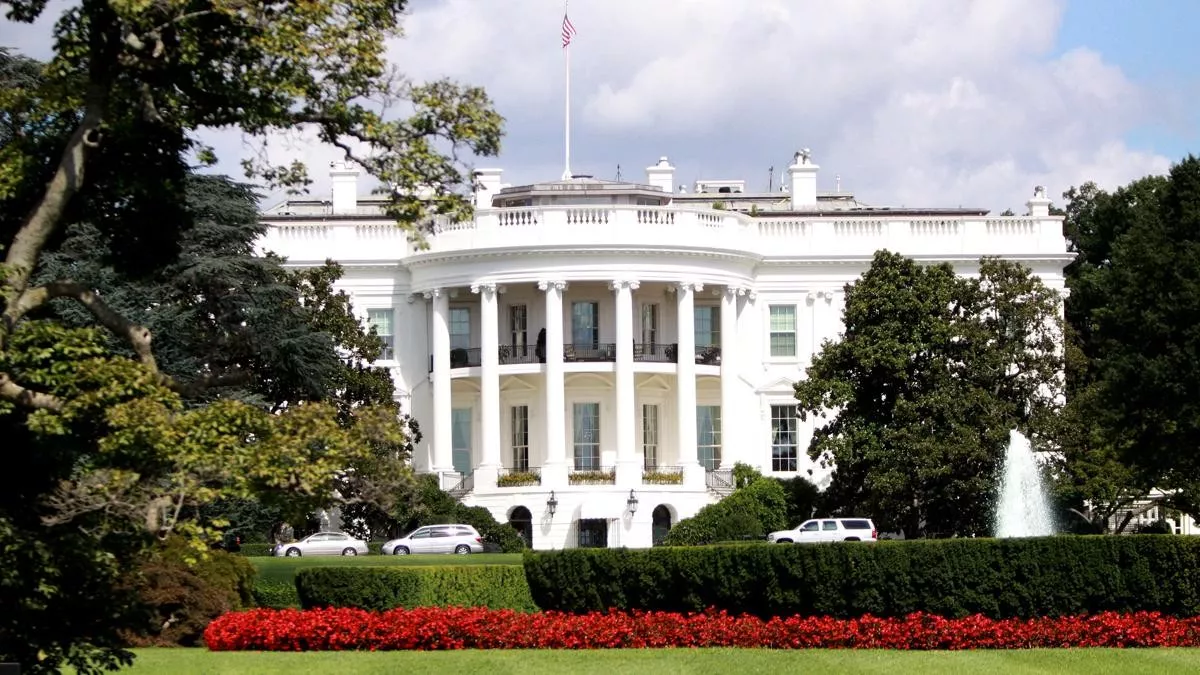
As we can see, Trump’s statements about purchasing Greenland are a continuation of a historical tradition. By describing the island as a “valuable property,” the head of the White House essentially combines Mahan’s theory of sea power and Spykman’s Rimland concept with the realities of the 21st century. The basis of this historical continuity lies in the fact that Greenland is geographically part of the North American continent. For the United States, the island is an integral part of Western Hemisphere security, serving as a modern extension of the “Monroe Doctrine.” Trump’s comments about acquiring the island reflect an approach that views Denmark’s sovereignty as something of a historical mistake and asserts the “natural right” of the United States to defend this territory.
In the current struggle for global dominance, Greenland is particularly valuable due to its vast mineral resources, which are becoming increasingly accessible as the ice melts. In particular, rare earth elements are essential in all areas—from modern defence industries to renewable energy technologies.
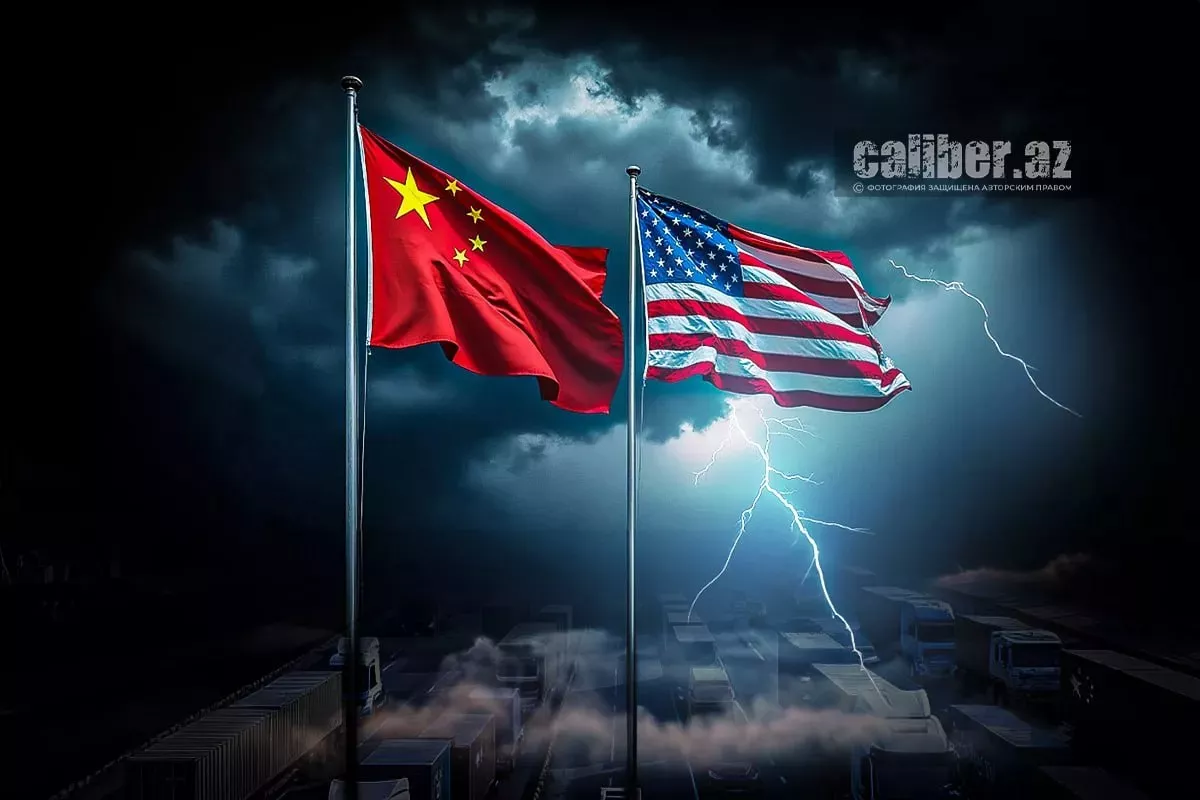
China’s dominance in the extraction and transport of these elements poses a serious strategic challenge for the Western world. The fact that Greenland, thanks to deposits such as Kvanefjeld and Tanbreez, possesses one of the largest rare earth reserves in the world provides a rational economic justification for the steps taken by the Trump administration regarding the island. According to some experts, Kvanefjeld alone could free the West from dependence on China.
The Greenland government’s 2021 ban on uranium mining effectively halted development at Kvanefjeld, which contains uranium alongside rare earth elements. This decision, motivated in part by environmental concerns, was also aimed at limiting the influence of the project’s largest investor—the Chinese company Shenghe Resources. Thus, Greenland’s significance for the United States lies not only in its mineral wealth but also in preventing China’s presence in the region through critical infrastructure projects such as ports and airports. By supporting the island’s resource sector through direct investment and security guarantees, Washington seeks to hinder Beijing’s efforts to expand into the Arctic.
From a strategic perspective, Greenland is viewed as the “shield of North America” and a central hub of U.S. missile defence. The Pituffik Space Base (formerly Thule Air Base) is the northernmost location hosting American radar systems (BMEWS) that track intercontinental ballistic missile launches. The executive order signed by Trump in 2025 to establish the “Golden Dome” is aimed at protecting the United States from missile threats, making Greenland a crucial part of this new defensive architecture. The base’s runway is being upgraded to accommodate F-35 fighters, enabling rapid response to launches from Russia’s Kola Peninsula. These factors mean that Washington perceives the island not as allied territory, but as a security zone requiring direct control.
Greenland’s geopolitical value is not limited to mineral resources and military bases. It is also rising due to new trade routes opening as the ice melts. The commercial potential of the Northern Sea Route and the Northwest Passage could transform the island into a new global logistics hub capable of rivalling the Suez Canal. China’s vision of the “Polar Silk Road” identifies Greenland as a key point along this route, while Washington seeks to maintain it within its sphere of influence.
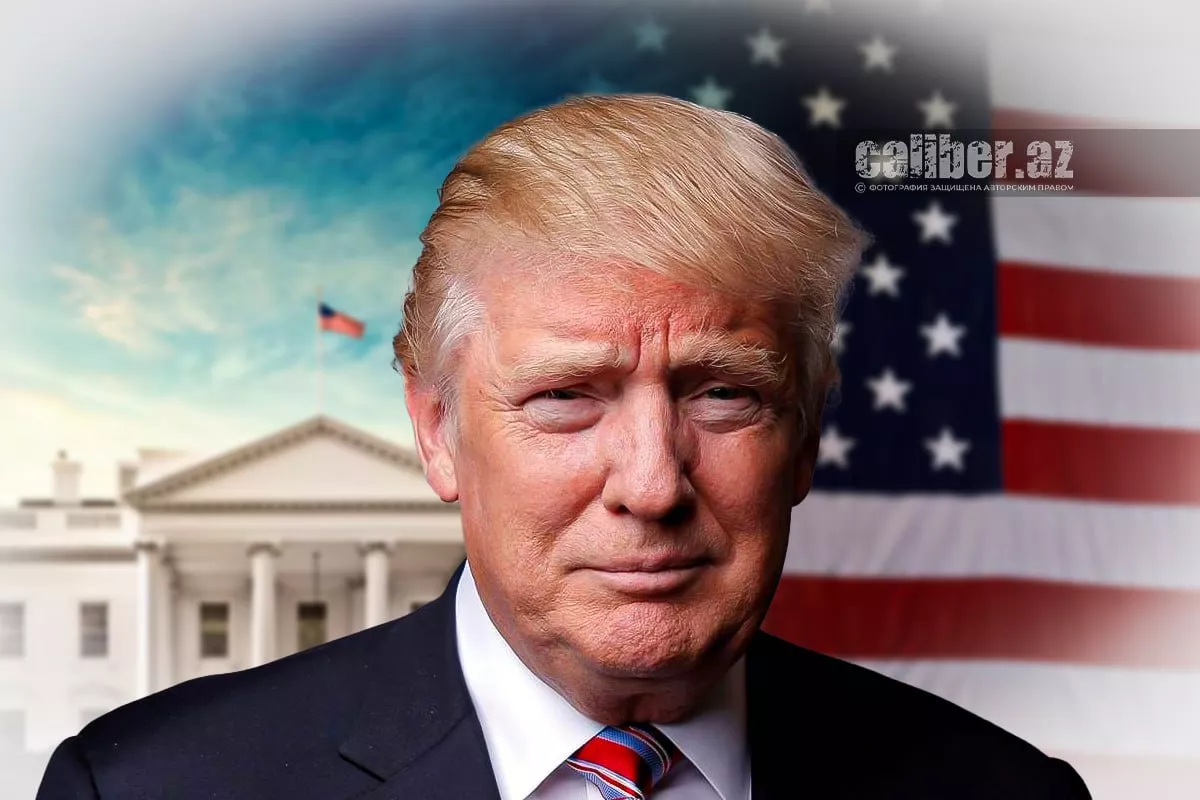
In summary, Trump’s policy toward Greenland can be considered quite rational, and its success or failure will determine not only the island’s future but potentially that of the entire 21st century.
By asserting U.S. claims over the island, Washington risks undermining NATO’s northern flank and straining relations with its allies. Yet, the White House appears to regard this as an acceptable price for dominance in the Arctic.
The “transactional geopolitics” of the 47th U.S. president represents a 21st-century update of 19th-century ambitions, taking into account modern technological and military challenges. Greenland’s future will be shaped by the new Arctic order emerging from the clash of these asymmetrical forces.







 editor@caliber.az
 +994 55 444-88-98
 Азербайджан, Баку, ул. Низами, 203, Af Business House, 5-й этаж