










Zelenskyy’s staffing strategy The flip side of the coin
Any events in Ukraine should be assessed not so much from the perspective of the situation on the frontlines, but through the lens of the struggle for power within the country. This approach allows a fuller understanding of the rationale behind various decisions made by the leadership, including the personnel changes that President Volodymyr Zelenskyy began implementing on January 2.
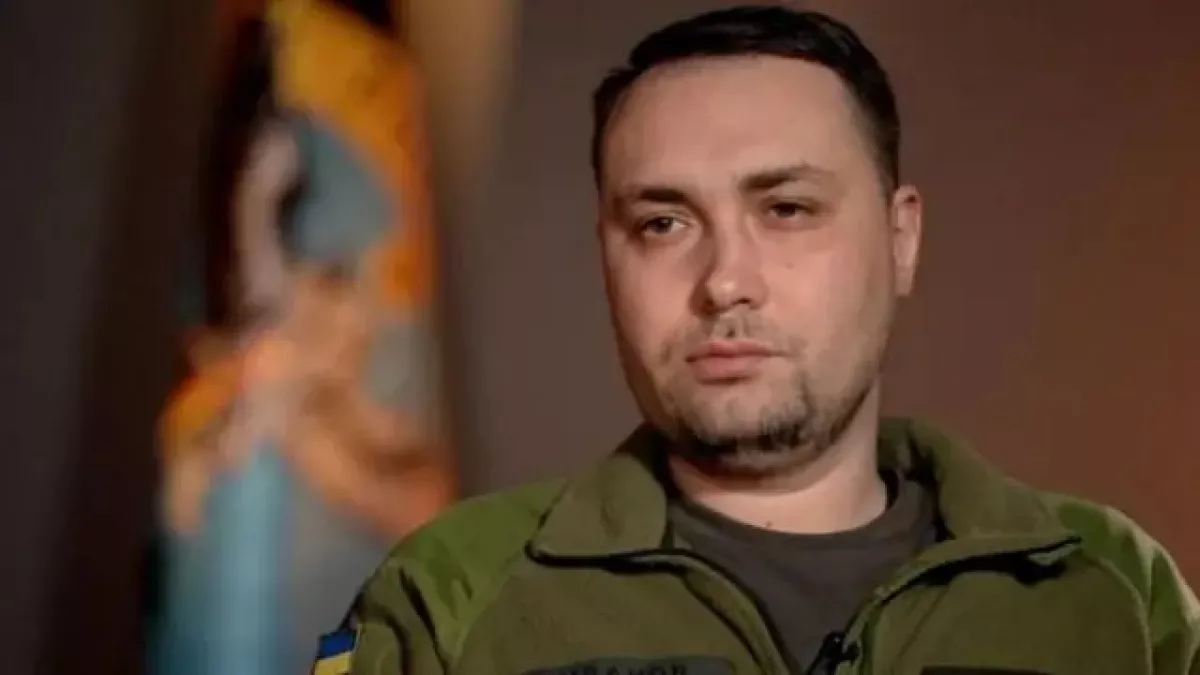
As is well known, on that day Zelenskyy appointed Kyrylo Budanov—the head of the Main Intelligence Directorate of the Ministry of Defence, which is now led by Oleh Ivashchenko, the head of Ukraine’s Foreign Intelligence Service—as the head of the Office of the President (OPU). The Ukrainian President also offered Defense Minister Denys Shmyhal the position of Minister of Energy, while Shmyhal’s former role as First Vice Prime Minister was given to Minister of Digital Transformation Mykhailo Fedorov. In addition, Zelenskyy announced the replacement of the head of the State Border Guard Service of Ukraine and a reform of the State Bureau of Investigation.
In light of these personnel reshuffles, it is worth recalling a prediction made not only by Western media but also by Ukrainian analysts, based on recent public opinion polls: Volodymyr Zelenskyy is expected to lose the upcoming presidential election to Valerii Zaluzhnyi, the former Commander-in-Chief of the Armed Forces of Ukraine and current Ukrainian ambassador to the United Kingdom. Washington Post columnist David Ignatius, in particular, suggested that Zaluzhnyi could assume the presidency by December 31, 2026, and lead a national unity government following Zelenskyy’s resignation.
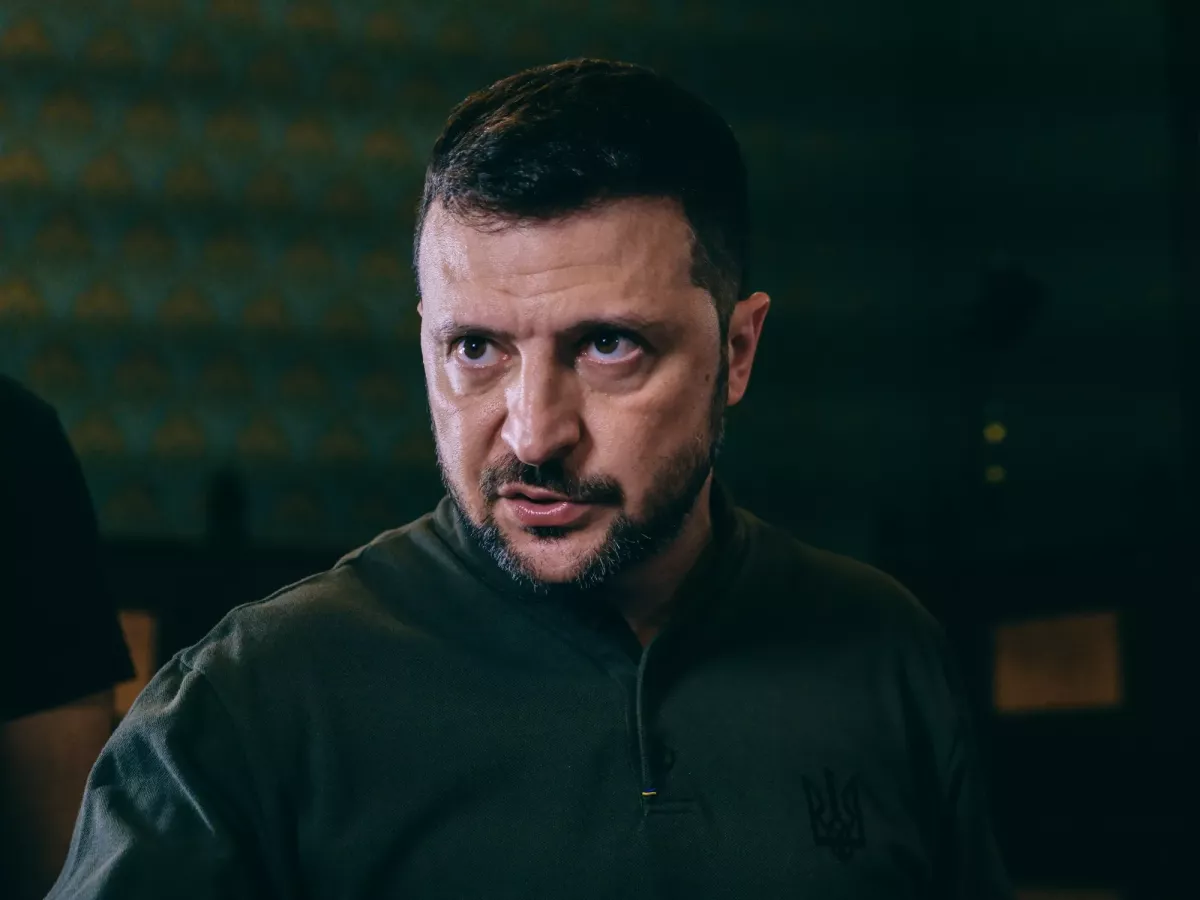
And what would Zelenskyy’s “resignation” mean if Zaluzhnyi were to come to power? The answer is clear: it would likely entail being held accountable for the corruption scandals that have unfolded over nearly four years of war with Russia. Would the current president and his team willingly face that? Naturally, no.
For this reason, preparations are already underway for a potential confrontation with Zaluzhnyi, even though he has never publicly indicated any intention to run for the presidency. The appointment of Budanov as head of the Office of the President may signal either the implementation of “Plan A” or the activation of “Plan B.”
Under Plan A, the president would seek re-election by mitigating the political fallout from corruption scandals within his inner circle—using the passage of time and a carefully orchestrated information strategy—while neutralising Budanov, whose current popularity surpasses Zelenskyy’s as a potential direct competitor in the elections. This approach would rely on leveraging the support of the former head of the Main Intelligence Directorate of the Ministry of Defence.
Meanwhile, Plan B involves executing an operation dubbed “The Successor” in a manner reminiscent of Boris Yeltsin’s approach in Russia with Vladimir Putin. Budanov’s willingness to leave his highly influential post as head of the Main Intelligence Directorate of the Ministry of Defence to assume leadership of the Office of the President of Ukraine suggests that he is open to participating in either scenario.
It is worth noting that the head of the OPU oversees the work of the presidential administration and organises support for the president’s activities. Any claims that Budanov’s appointment will turn the Office into some kind of “Supreme Commander’s Headquarters” are met with a wry smile—especially given that Budanov himself has previously offered several ironic assessments of his own work.
Budanov repeatedly “sold” information to Ukrainian society that was intended to act as a kind of sedative. For example, in May 2022, he claimed that the Russian president was seriously ill with cancer, predicted a turning point on the front in August, and suggested that “the active phase of the war should significantly decrease by the end of the year, almost to zero.” He also frequently spoke about the liberation of Crimea, implying that Ukrainian forces would reclaim it in the context of Russia’s defeat. As events have shown, none of these predictions came close to being accurate.
At the same time, during a period when Ukrainian society desperately needed hope—even if it meant spreading misleading information—these statements did have a certain psychological effect. Incidentally, a similar role was played at the time by then-adviser to the head of the OPU, Oleksiy Arestovych.
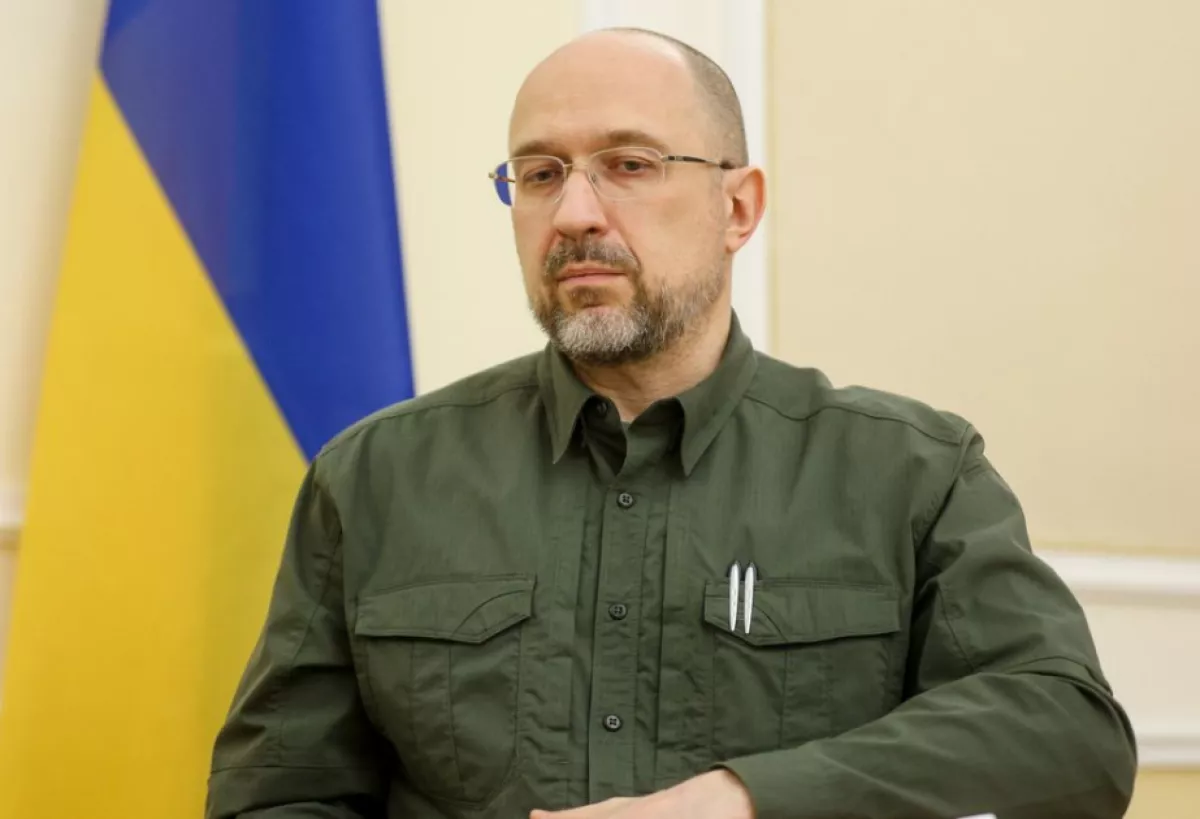
Equally notable, though hardly surprising, is the story of Denys Shmyhal’s recent dismissal and reappointment. It is worth recalling that in the early parliamentary elections of 2014, he ran as an independent candidate in single-member district No. 121 in the Lviv region but received just 188 votes, failing to enter the Verkhovna Rada. This underscores that Shmyhal is not a self-sufficient or prominent political figure in his own right.
Shmyhal is a politician willing to play whatever role Zelenskyy assigns him. Over the years, he has served both as prime minister and as minister of defence. Remarkably, he had been in the defence minister post for less than six months—since July 2025—before yet another twist in his political career.
As a rule, an official is removed from a position shortly after appointment only in cases of poor performance. If Shmyhal had truly failed as defence minister, it would be logical to assume he would not be assigned another post. Yet the opposite has occurred—solely because he is personally loyal to Zelenskyy.
This becomes even more significant considering his new appointment as Minister of Energy—a sector recently at the centre of a large-scale investigation by the National Anti-Corruption Bureau of Ukraine (NABU) and the Specialised Anti-Corruption Prosecutor’s Office (SAP) under the operation “Midas.” The inquiry exposed a criminal organisation systematically siphoning illicit gains from the National Nuclear Energy Generating Company “Energoatom” contractors, reportedly taking 10–15% of contract values. Investigators established that approximately $100 million passed through the offices of those involved in this embezzlement scheme within Ukraine’s energy sector.
As is well known, the main figures implicated in this case—the co-founder of the Kvartal-95 studio, Timur Mindich, and Oleksandr Tsukerman—managed to flee to Israel. This highlights why it is so crucial for Zelenskyy to have a loyal figure heading the State Border Guard Service of Ukraine. Corruption scandals, in which members of the Servant of the People party are central actors, continue unabated.
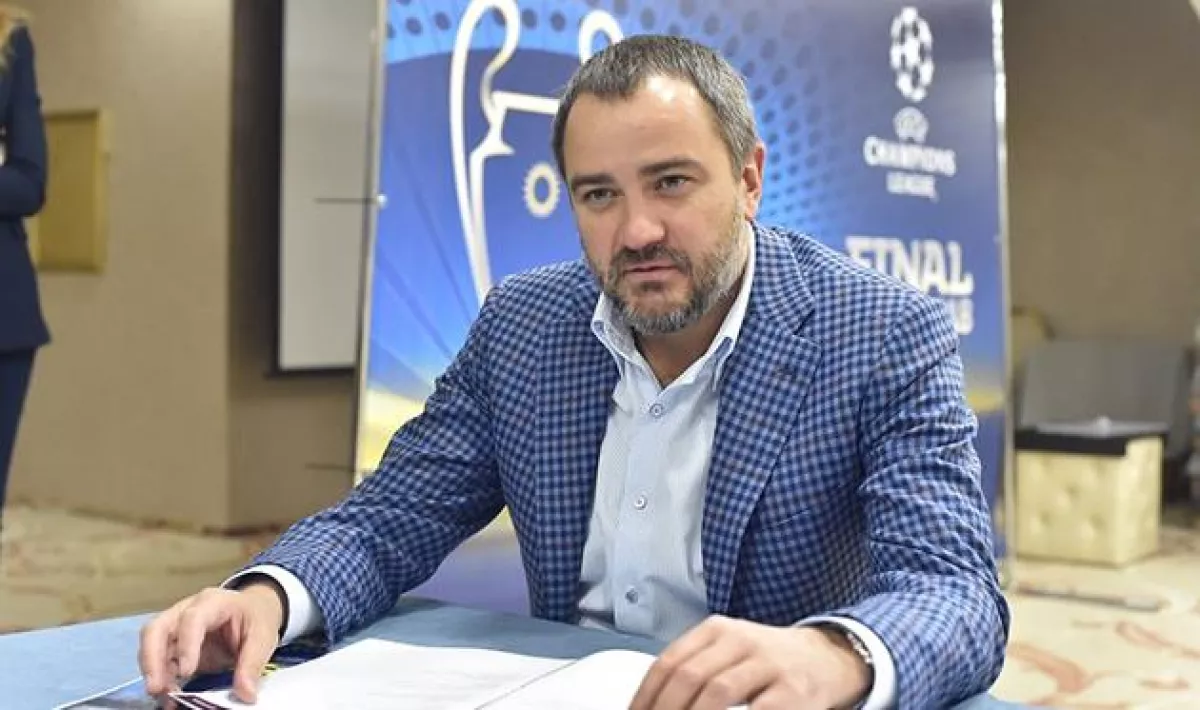
In this context, it is worth recalling that the former head of the Ukrainian Football Association (UAF), Andriy Pavelko, faced a broad range of corruption and criminal charges, including under Article 191, Part 5 (“Misappropriation/embezzlement of property on a particularly large scale”) and Article 366, Part 1 (“Official forgery”) of the Criminal Code of Ukraine. Among the accusations were the embezzlement and misappropriation of funds received from UEFA. According to investigators, roughly €9.32 million may have been illegally transferred to foreign company accounts and disappeared from the federation. Despite the seriousness of the charges, Pavelko was placed under house arrest—and later, according to the Ministry of Internal Affairs, disappeared from authorities’ supervision and is presumed to have left the country.
Media reports suggested that Pavelko may have used forged disability documents to pass control and leave the country. This is precisely why, for such “miracles” involving individuals accused of corruption to occur when necessary, the head of the State Border Guard Service of Ukraine must be a similarly “reliable” person—just like, for example, Mykhailo Fedorov, who is now set to lead the Ministry of Defence. Thus, in a country that has been at war for nearly four years, the defence minister could once again be someone who has never served a single day in the army. In 2019, Fedorov led the digital component of presidential candidate Volodymyr Zelenskyy’s campaign, and in gratitude, he was first appointed as an unpaid adviser to the president on digital technologies, and later became Minister of Digital Transformation.
In conclusion, all these appointments, dismissals, and reappointments are highly significant for securing the outcome Zelenskyy needs in the presidential elections—regardless of whether he personally runs or his “successor” stands in his place.







 editor@caliber.az
 +994 55 444-88-98
 Азербайджан, Баку, ул. Низами, 203, Af Business House, 5-й этаж