










Zohran Mamdani and New York’s Jewish divide A fault line
The Muslim mayor of New York, Zohran Mamdani, attended an event held by a Jewish community linked to Orthodox Judaism—the Satmar Hasidic movement. This was not a random gesture, but a sign of respect toward a segment of the Jewish community that contributed to his election victory.
New York City Mayor-elect Zohran Mamdani took part in a gathering organised by the Satmar community. The event marked the anniversary of the rescue of Rabbi Joel Teitelbaum, the founder of the Williamsburg Hasidic community, who fled Europe during the Second World War.

Mamdani is known as a critic of Israel’s actions in the Gaza Strip. An Indian of Ugandan origin, a Shiite Muslim by faith, and a proponent of social-democratic views, he condemns the policies of the Israeli state in the Palestinian territories and advocates equal rights for Jews and Arabs. For many years, Mamdani has been involved in movements supporting Palestinian rights. At the same time, he has repeatedly emphasised that he does not conflate criticism of Israeli government policy with the Jewish people, supports the rights of Jewish communities in the United States, and intends to pay particular attention to combating racially motivated crimes that periodically occur in New York. Mamdani has stated his readiness to defend Jewish and other communities, including the Muslim community, from racist attacks.
During the election campaign, Mamdani also put forward a moderate social-democratic platform. He promised to raise taxes on wealthy citizens and channel the additional revenue into funding free public transportation, providing nutritious food for low-income residents, creating free childcare centres for less affluent families, and implementing other social programs. He also advocated raising the minimum wage. These ideas largely secured his popularity and victory in New York City, home to around ten million people. Jews make up about 12 per cent of the city’s population, and an estimated one-third of them voted for him.
Meanwhile, a belief has taken root among a significant portion of Jews living outside Israel that the interests of Israel and those of the Jewish people are identical. However, only about half of the world’s Jews—approximately seven million people—live in Israel, and not all of them support the policies of the Israeli state. Many criticise Israel for its treatment of Palestinians and its actions in Gaza, and for part of the Jewish diaspora, Israel is not a central element of their identity at all.
Approximately one-third of New York’s Jewish population (out of a total Jewish population of more than one million) voted for Mamdani for various political and socio-economic reasons. His criticism of Israel was not a deterrent for them. His supporters included both secular Jews with liberal or left-wing views and members of religious anti-Zionist circles, who have opposed Zionism—a nationalist, secular ideology that led to the creation of the State of Israel—since its emergence in Europe in the 19th century.
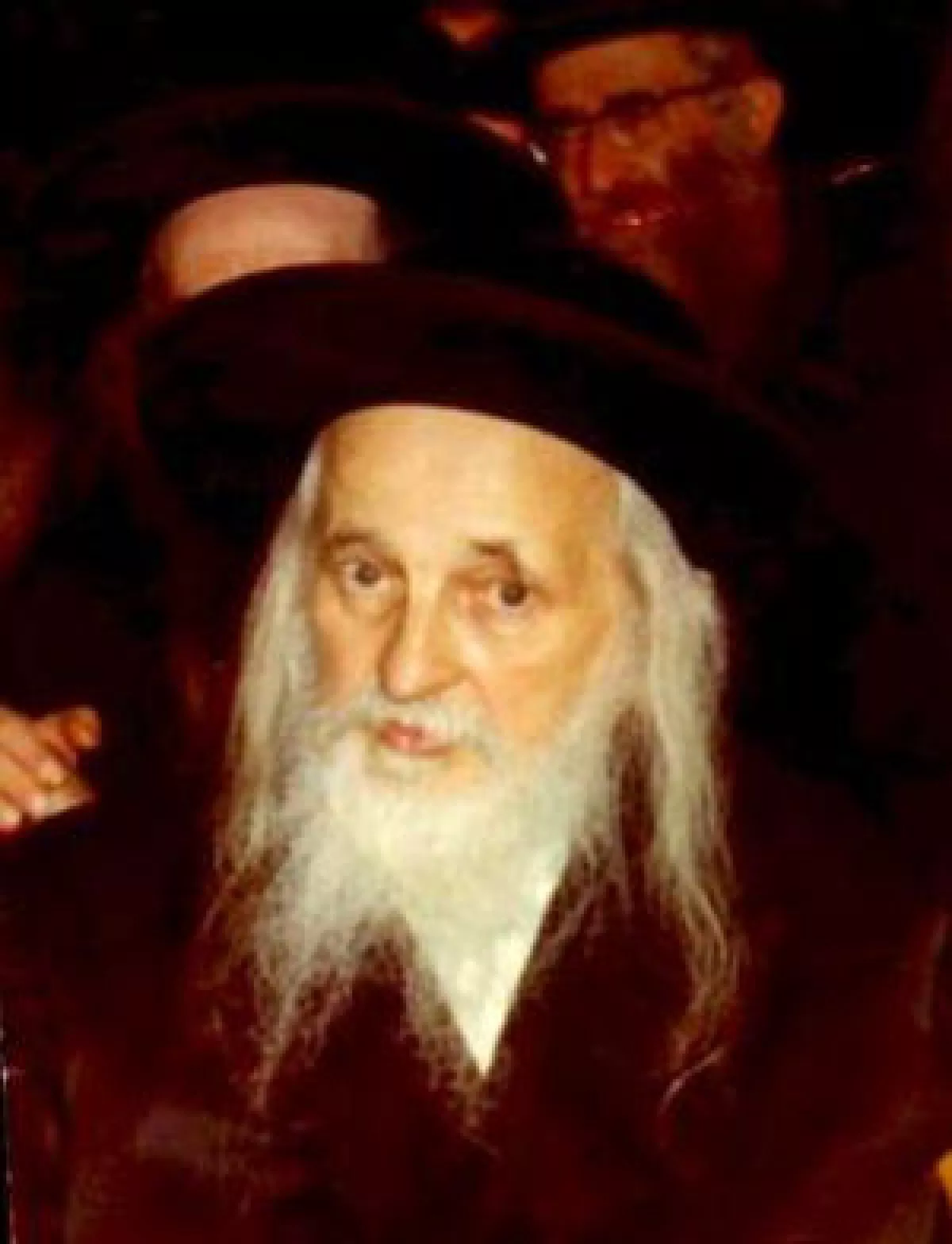
From the perspective of the founder of the Satmar movement, Rabbi Joel Teitelbaum, and his followers, the State of Israel was created by the forces of “global evil” with the aim of distorting the Jewish faith. According to their beliefs, only the coming of the Messiah can legitimise the creation of a Jewish state in Palestine, and to claim otherwise, the religious leader argued, is unacceptable. Many Jews who criticise Zionism believe that the State of Israel has become one of the most dangerous places in the world for Jews due to constant wars, and that, for the sake of their children’s future, they should move to more stable and safer countries. A similar view is shared by some Jews with secular liberal or left-wing perspectives.
There are around 200,000 followers of the Satmar movement worldwide. Several tens or even hundreds of thousands of other Orthodox Jews share their attitude toward Israel without formally belonging to the movement. Overall, about six million Jews live in the United States. A particularly important feature of the Satmar community is its exceptionally high birth rate: families with ten children are considered the norm. Roughly every twenty years, the number of Satmar adherents doubles. This is a deliberate demographic strategy—the community aims to reach a population of six million people, matching the number of Jews who perished in the Holocaust.
The votes of Satmar followers and other closely aligned groups of Orthodox Jews, along with the support of liberals and the left, played an important role in Mamdani’s electoral victory in New York. From the perspective of conservative Satmar adherents, as well as a significant portion of secular liberal and left-wing Jews, the State of Israel does not represent the interests of all Jews and is not their ally. Many proceed from the assumption that the Jewish diaspora has its own interests, distinct from those of Israel, and seek to strengthen this separation institutionally and politically. For supporters of this position, Mamdani is an almost ideal candidate.
Notably, some very wealthy New York residents—including members of the Jewish community—also voted for Mamdani. They believe that social inequality in the United States has reached a dangerous level and that, without a moderate redistribution of resources in favour of low-income and poor segments of the population, the country risks serious upheaval and social unrest. In their view, politicians like Mamdani are capable of offering tools to mitigate this problem.
However, this perspective is far from universally shared. According to recent sociological surveys conducted by the Jewish People Policy Institute, American Jews whose identity is closely tied to Israel view Mamdani and his election as mayor of New York with concern. Two weeks after the election, the institute’s research showed that 64 per cent of Jewish respondents considered him not only an anti-Israel politician, but also an antisemite.

In fact, the Jewish community in the United States is deeply divided today. The older generation tends to be more supportive of Israel, while among younger Jews, critical views of Zionism and Israeli government policies are gradually gaining ground. According to surveys, about half of American Jews under the age of 34 disapprove of Israel’s course. In this environment, left-wing and liberal ideas, as well as criticism of Zionism, are particularly popular. Meanwhile, the influence of certain conservative religious groups—including the Satmar—should not be underestimated, as their positions paradoxically resonate with parts of the leftist discourse. The Satmar community in New York remains influential and financially well-off, and the political connections formed during the election campaign could provide Mamdani with an important and stable support base in the future.







 editor@caliber.az
 +994 55 444-88-98
 Азербайджан, Баку, ул. Низами, 203, Af Business House, 5-й этаж