










Armenia’s drift toward the West: how will Russia respond? Armenian and Russian experts speak to Caliber.Az
Tensions between Moscow and Yerevan have continued to rise steadily following Armenia’s parliamentary elections, as evidenced by recent statements from both sides, particularly those made by Russian Foreign Minister Sergey Lavrov.
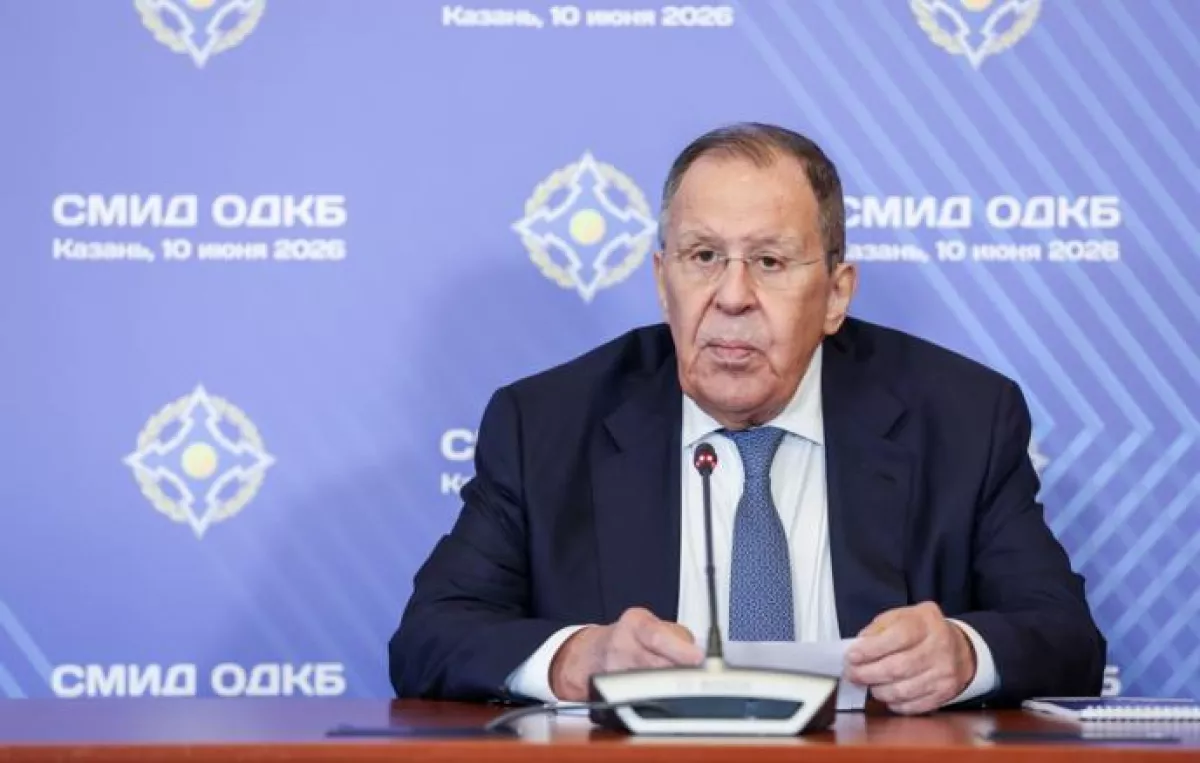
Speaking at a press conference following a meeting of the Council of Foreign Ministers of the Collective Security Treaty Organization (CSTO), the Russian foreign minister openly rebuked the Armenian authorities for what he described as a dishonest approach, noting that Armenia has been systematically expanding its cooperation with NATO.
“While formally remaining a member of the CSTO, Armenia has effectively stopped participating in its activities. For more than two years now, Armenian representatives have, in my view, not attended CSTO events. At the same time, they are actively deepening cooperation with NATO member states: military exercises are being conducted, defence-related equipment is being procured, and military-level exchanges are taking place with both NATO and the European Union, which is itself increasingly becoming a militarised structure,” Lavrov stated.
Earlier, Armenia’s Foreign Ministry declared that Yerevan hopes to further strengthen its partnership with the North Atlantic Alliance, including through continued participation in the Partnership for Peace programme.
So, where could this rhetoric lead? How likely is it that it reflects a broader strategy aimed at achieving outcomes that may be far from positive? Armenian and Russian experts share their views with Caliber.Az.
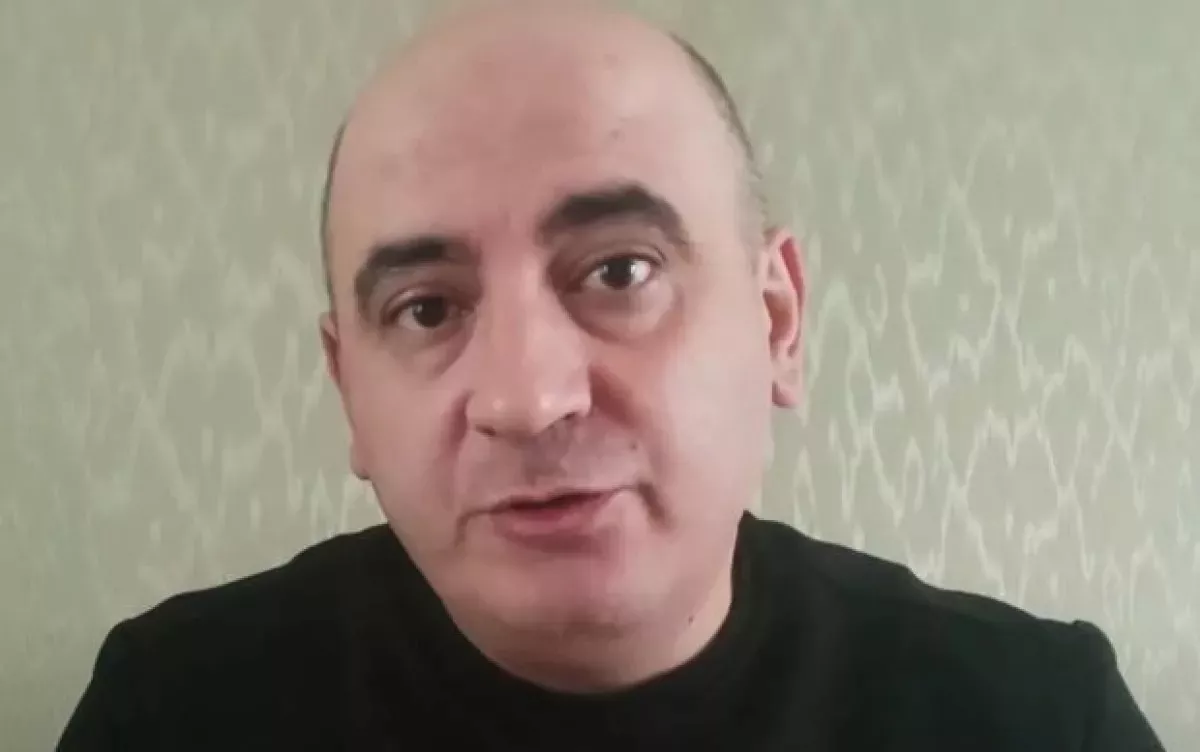
Armenian political analyst and publicist Ishkhan Verdyan noted that there is a certain logic in the statements made by Russian officials, including Sergey Lavrov, since Armenia cannot realistically remain a member of both the CSTO and the EAEU while simultaneously pursuing a course of integration with European institutions.
“As far as the CSTO is concerned, Armenia has shown little desire to remain within the organisation. Judging by the actions of the Armenian authorities, they no longer view membership as offering any significant benefits. Moreover, Nikol Pashinyan has repeatedly stated that Yerevan’s participation in the Collective Security Treaty Organization hindered the implementation of several defence contracts that Armenia was able to conclude only after freezing its involvement in the bloc. To my knowledge, the CSTO has mechanisms that allow for the termination of a member state's participation, and if the member countries decide to expel Armenia from the organisation, it is unlikely that official Yerevan would be particularly concerned,” he said.
The political analyst also stressed that the situation with the Eurasian Economic Union (EAEU) is somewhat different, as decision-making within the bloc follows a different framework. The organisation operates on the basis of consensus, meaning that Armenia remains one of the participants in the decision-making process. In addition, unlike the CSTO, the EAEU does not have a clearly defined mechanism for expelling a member state: “Yerevan not only continues to maintain its membership in the EAEU but also remains an active participant in its programmes and economic processes. This naturally raises an important question: what consequences could the withdrawal of one of the union’s members have for the bloc itself, particularly if it results in the disruption of established and efficiently functioning economic ties within the organisation?”

According to him, Armenia remains vulnerable to a certain extent, as the EAEU has until recently served as a key platform underpinning the country’s economic security, particularly in the area of food security. However, developments in recent years suggest that Armenia has embarked on a path of economic diversification and appears determined to continue along that course.
“Nikol Pashinyan has repeatedly stated that the republic must never again find itself without alternatives. If we follow that logic, then in the event of any economic pressure, Yerevan will seek to offset potential losses by expanding cooperation in new directions and accessing alternative markets. Therefore, it is not entirely clear what objectives Moscow hopes to achieve by continuing to push Armenia away through such statements. Every new warning or ultimatum-like message only strengthens the Armenian side’s determination to look for other avenues of cooperation.
In that sense, one could even argue that these statements are counterproductive from Russia’s own perspective. Rather than encouraging Armenia to reconsider its current course, they may instead accelerate the very process of geopolitical and economic reorientation that Moscow is seeking to prevent.
Overall, Russia’s current behaviour can largely be described as driven by inertia. Whereas prior to Armenia’s parliamentary elections Moscow’s policy appeared more systematic and purposeful, it now resembles residual activity expressed mainly through statements and rhetoric rather than concrete action.
I would like to believe that what we are witnessing is simply the inertia of a previous political course, one that will gradually fade due to its limited effectiveness. At the same time, I have come to the firm conclusion that Russia has much to lose in Armenia. Evidently, the country holds a certain economic and strategic value for the Kremlin.
This creates a situation in which any restrictions or severing of ties initiated by Moscow could ultimately result in losses not only for Armenia but for Russia as well. If Yerevan succeeds in finding alternative suppliers, new markets and logistics routes, a significant portion of the existing economic links will be lost from the Russian side too. In other words, whatever Russia attempts to ‘cut off’ from Armenia may, to some extent, end up being ‘cut off’ from Russia itself,” Verdyan stated.
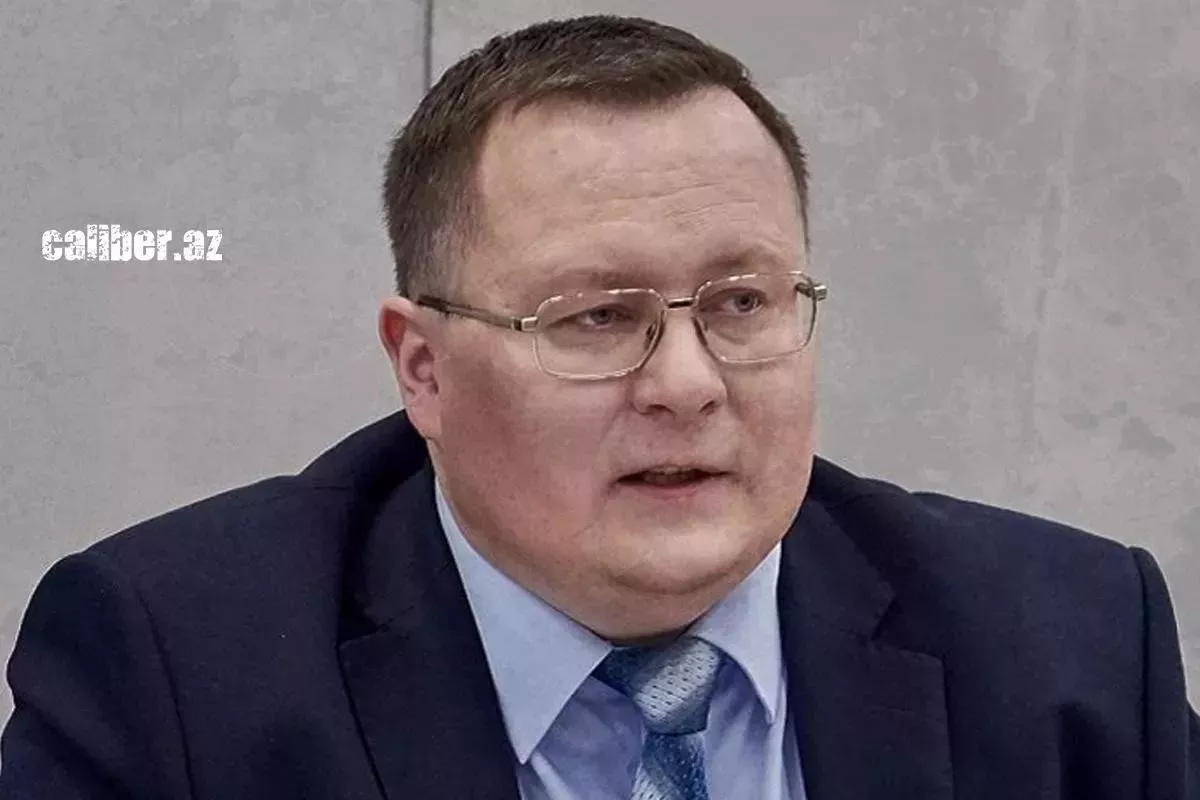
Meanwhile, Russian Eurasia expert Alexander Razuvaev believes that, in the context of the ongoing conflict in Ukraine, Russia views Yerevan’s shift in political orientation with particular sensitivity.
“Everything in Ukraine also began with the idea of joining the European Union. Armenia is far less important to Russia than Ukraine, but the Kremlin is nevertheless responding firmly. This is already reflected in a sharp decline in exports and the trade balance, which could ultimately lead to a depreciation of Armenia’s national currency. I do not believe that Russia’s rhetoric toward Yerevan will change fundamentally after the elections unless the Armenian leadership explicitly announces that its European course has been abandoned.
The current situation also demonstrates that the Armenian lobby in Russia is not as influential as many assume. Although roughly as many Armenians live in Russia as in Armenia itself, and despite their considerable presence in sectors such as media and finance, their ability to influence Moscow’s policy appears limited,” he noted.
The expert also stressed that Armenia has managed to damage its relations not only with Russia, but also with Belarus, as well as Kazakhstan and Kyrgyzstan.
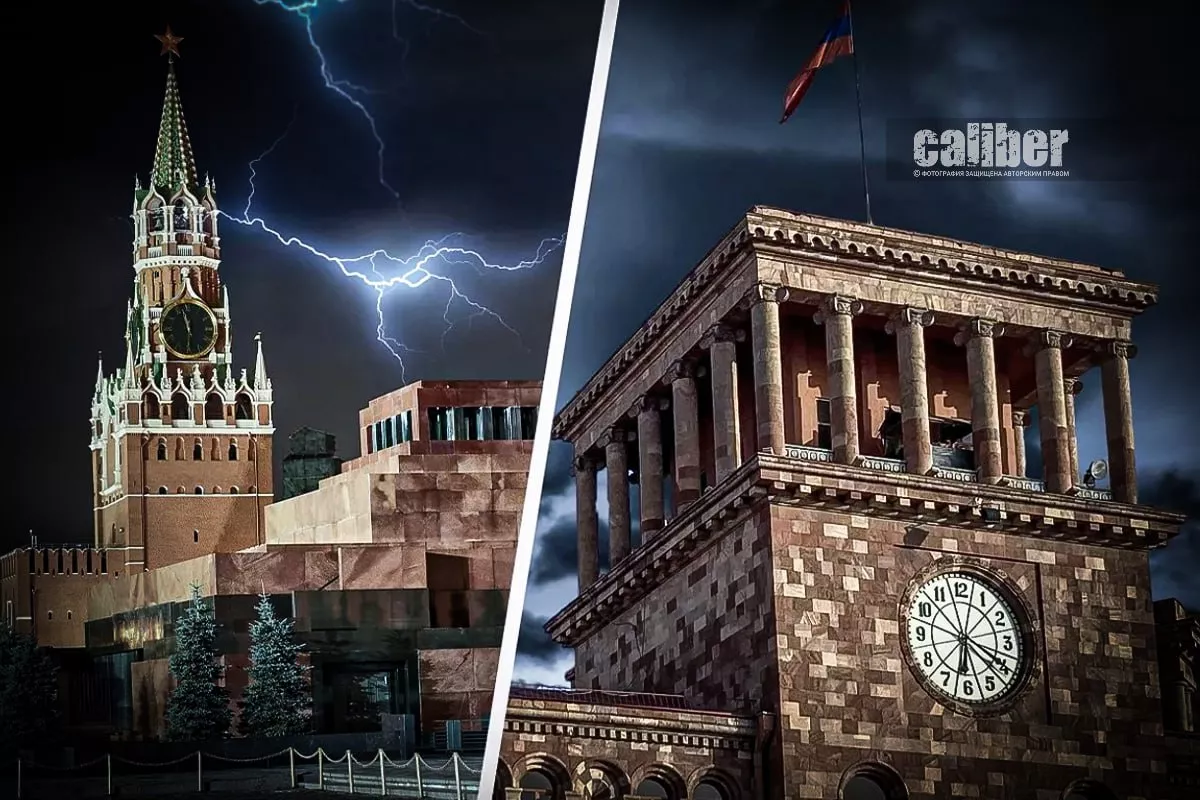
“If Russia were to abolish the preferential regime for Armenia, the decline in living standards would be quite significant — the European Union is unlikely to ‘support’ this country. In my view, without Russia, Armenia’s political stability and regional security would collapse, since if American or European military forces were to appear on its territory, Iran could potentially strike them. Overall, I see nothing positive for Armenia in the future. As for Russia, the loss of investments or trade turnover with this country would be a minor setback. It seems to me that Pashinyan should have acted more rationally and avoided a confrontation with Moscow, but we have what we have,” Razuvaev concluded.







 editor@caliber.az
 +994 55 444-88-98
 Азербайджан, Баку, ул. Низами, 203, Af Business House, 5-й этаж