










“Armenian society is ready to restore relations with Azerbaijan” Analyst Areg Kochinyan on Caliber.Az
In an interview with Caliber.Az, Armenian political analyst Areg Kochinyan, Head of the Research Center on Security Policy and a member of the Peace Bridge Initiative, discusses the recent reciprocal visits between Armenian and Azerbaijani delegations, the shifting mood within Armenian society, and the geopolitical forces shaping the fragile peace process. He also reflects on Armenia’s turbulent domestic politics, the role of external actors—particularly Russia—and the prospects for normalisation with Türkiye.
– How do you assess the results of the visit of the Armenian delegation to Baku? What will the Peace Bridge Initiative focus on in the immediate future?
– I assess our visit to Baku and the visit of the Azerbaijani delegation to Yerevan as historic events. These were the first real attempts to break through the very “iron curtain” that has existed between Armenia and Azerbaijan for the past 35 years. Of course, over these years there were visits and initiatives, but never on such a scale and never with the direct involvement of state institutions. And I consider this to be extremely important.
As for the substance of the dialogue, during our two meetings we primarily discussed the projects that we will implement jointly. In the near future, more detailed information about these projects will appear in the mass media of both countries. The format itself will expand, as will the meetings, whose intensity will apparently also increase. Simply put, all of this should evolve into a format of broad contacts between our societies—briefings, conferences, and public events. Political negotiations have already progressed quite far, and the dialogue between the authorities and politicians of the two states is very intensive and substantial. Therefore, I believe it is necessary to bring civil society, the media, experts, and other groups up to this same level of engagement.
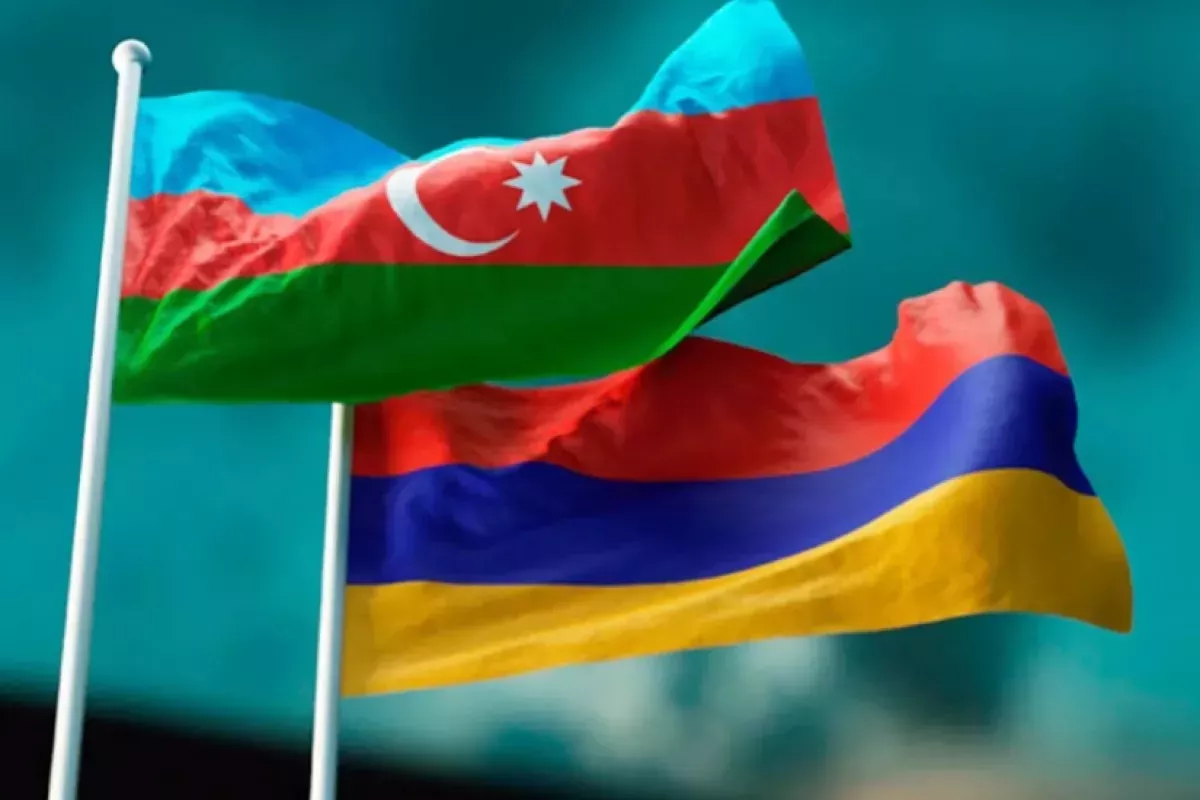
– Is Armenian society ready to promote such a dialogue between Azerbaijan and Armenia, and to support the Peace Bridge Initiative? And who opposes it, and why?
– I believe that Armenian society is ready to accept such civic initiatives. Of course, there is a certain toxic minority that very loudly expresses its rejection of such contacts, sometimes in an inappropriate manner. However, the majority agrees with the processes of reset and renewal. This is a silent majority that is generally ready to accept change, which is hardly surprising—after so many years of conflict and trauma on both sides, expecting enthusiasm would, in my opinion, be overly romantic.
As for who exactly opposes the restoration of relations, including the dialogue between our delegations and a broader public consensus—here, too, society can be roughly divided into two groups. The first group consists of people who are overly emotional, for whom what is happening now is simply too painful, who want nothing to do with changes in our relations and oppose any movement forward. However, in my view, we must continue to work with them, to talk and engage, to seek common ground, and to convince them that there is no alternative to peace.
The second group includes those who act against all our peace initiatives and whose statements have a clear political motive behind them.
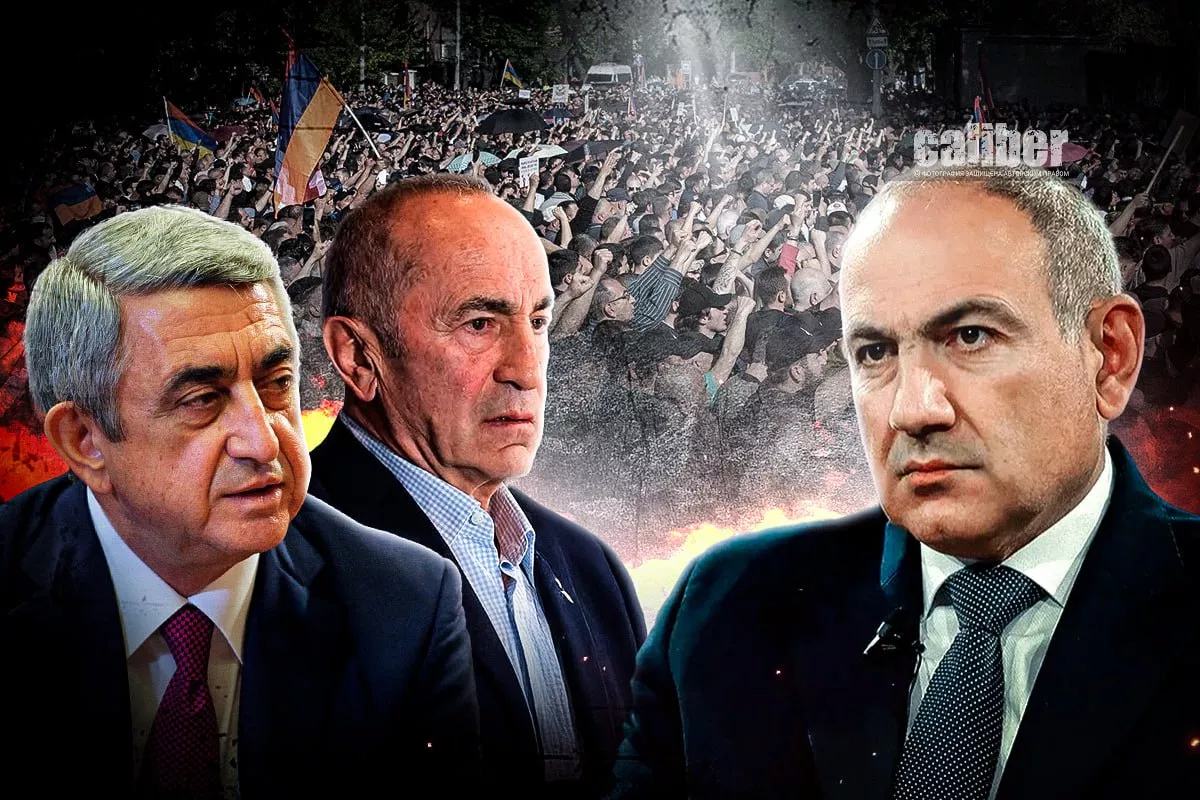
– Armenia is currently experiencing a difficult political situation: there is clear turbulence, and the confrontation between the official authorities and their opponents has reached a certain peak. How do you assess the prospects of Prime Minister Pashinyan’s course toward resetting political and social narratives, implementing reforms, and holding new parliamentary elections?
– I would prefer, for now, not to go into detail about Armenia’s domestic political agenda, but one thing is obvious: the country has entered a pre-election phase, and most political statements, considerations, and publicly expressed positions are shaped precisely by these circumstances. The authorities have built their main message around the ideas of peace, coexistence, and the normalisation of relations with Azerbaijan and Türkiye. The opposition, aside from its message that the peace processes between Baku and Yerevan are something unworthy and unacceptable, has been unable to formulate anything else.
Overall, I will repeat that in Armenia the entire logic of domestic political processes is oriented toward the upcoming elections; everything is geared toward this. Therefore, any external assessment should proceed precisely from this logic.
– In your view, which external forces are interested in destabilising the dialogue between Azerbaijan and Armenia, and the process of establishing lasting peace between the two countries and their societies?
– I do not share the view that any European powers are interested in destabilising the Armenian-Azerbaijani peace process. On the contrary, it seems to me that the West, overall, is interested in peace in the South Caucasus, although I do not rule out that there are circles there that, based on their own domestic political logic, may make various statements that do not always align with our peace process.
Meanwhile, there is a very clear geopolitical centre of influence and power that is directly opposed to the peaceful dialogue between our countries and is dissatisfied with this process—our northern neighbour. Therefore, in my view, there is no need to look far for those who are not interested in the normalisation of relations between Baku and Yerevan—it’s happening right next door. I believe that Russia will do everything possible to prevent the signing of a peace treaty, the opening of communications, and, more broadly, a comprehensive peace process between our countries. In my opinion, in the future, the Russian Federation will not cease such practices, including interference in elections in Armenia and destabilising actions in the region—on the Armenian-Azerbaijani track or even in Georgian negotiations.
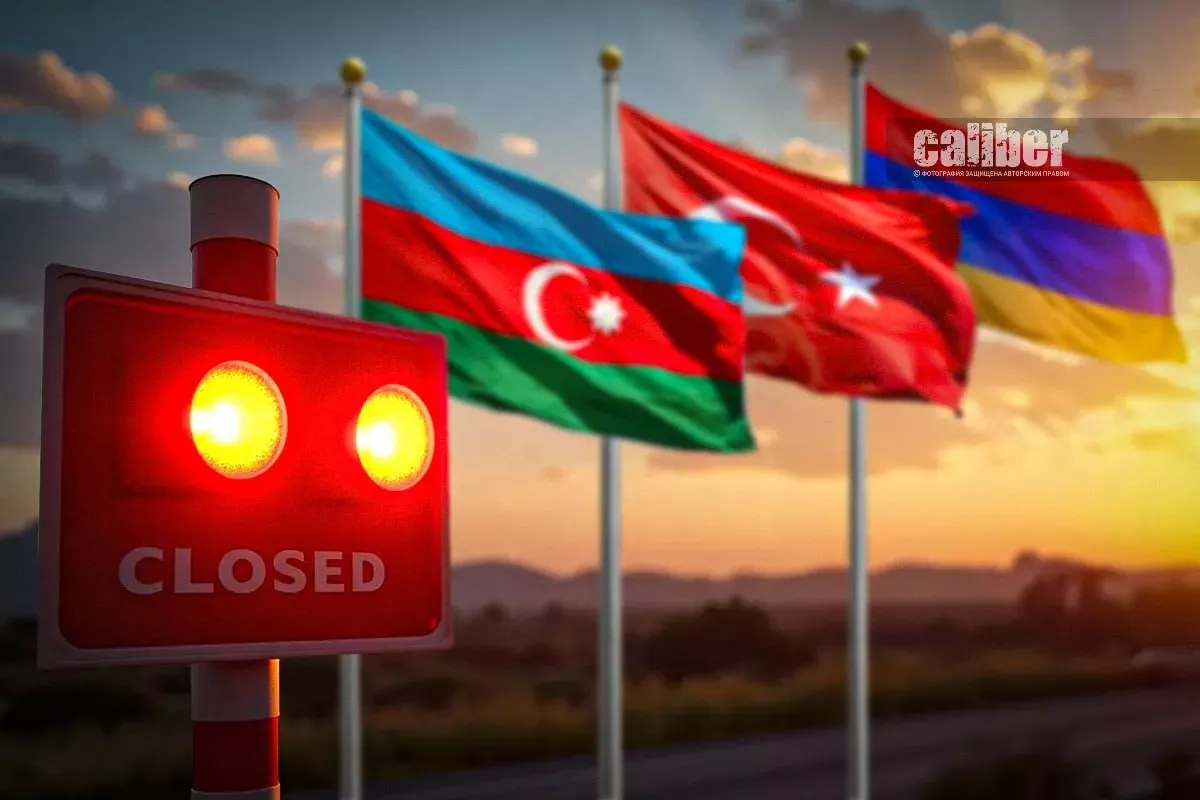
– How do you assess the prospects of Armenian-Turkish dialogue, the establishment of diplomatic relations, and the opening of the border between Armenia and Türkiye?
– At present, there is generally a positive consensus between the Turkish and Armenian sides regarding the establishment of relations and the opening of the border. There are no preconditions on either side, except for one requirement from Ankara: Azerbaijan must not oppose Armenian-Turkish normalisation. As I understand it, Baku views the closed Armenian-Turkish border as one of its leverage points both in the Azerbaijani-Armenian settlement process and in any negotiations with the collective West. Overall, Baku’s approach seems to be that it is willing to give the green light for opening the Armenian-Turkish border only after a peace treaty with Armenia has been signed and ratified, and sufficient progress has been made on unblocking communications. Until then, I think Azerbaijan will oppose such steps from Türkiye.
In my view, this position carries certain risks for both the Armenian-Azerbaijani and Armenian-Turkish normalisation processes. I do not agree with the opinion that opening the Armenia-Türkiye border would weaken Yerevan’s commitment to establishing engagement with Azerbaijan. On the contrary, I believe that restoring diplomatic relations and opening the Armenian-Turkish border will demonstrate the full potential and prospects of the negotiation track with Baku and Ankara. It will prove the reality of the process, showing that it is neither one-sided nor a mistake or misconception on Yerevan’s part, alleviate certain fears and concerns, and strengthen Armenian society’s desire to build full-fledged relations with Azerbaijan.







 editor@caliber.az
 +994 55 444-88-98
 Азербайджан, Баку, ул. Низами, 203, Af Business House, 5-й этаж