










AZAL plane crash and Bastrykin’s ambitions When force overrides state logic
The letter from the Russian Investigative Committee to Azerbaijan regarding the AZAL plane crash may at first glance seem like a routine bureaucratic procedure. However, such documents often serve as indicators of deeper processes—those that are not immediately visible.
At a briefing on December 26, Azerbaijan’s Foreign Minister Jeyhun Bayramov stated outright that the letter had caused bewilderment. According to him, the letter claimed that the criminal case had been closed, which naturally raised serious questions. The Azerbaijani side sent an official response, making it clear that the matter is far from resolved—especially given that prior signals from Russia had suggested a different approach.
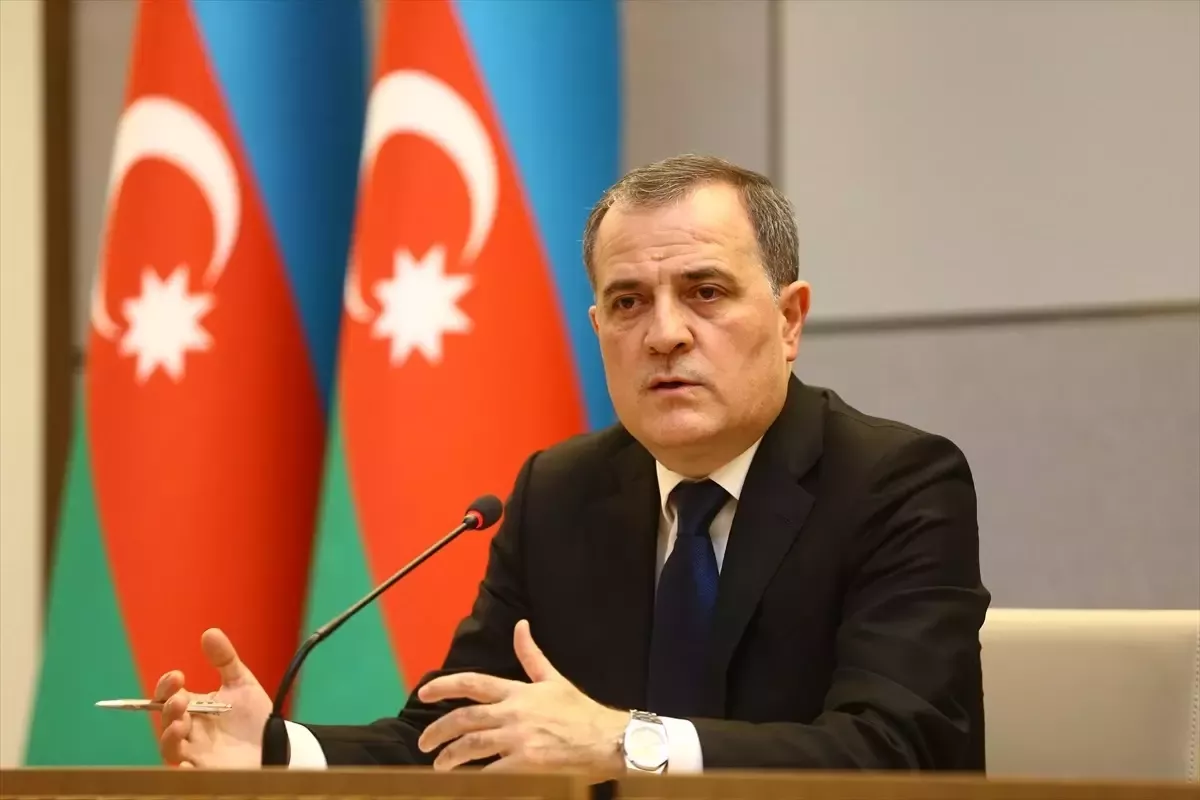
This refers to statements made by the Russian president in October during a meeting with Azerbaijani President Ilham Aliyev. At that time, Vladimir Putin emphasised that the tragedy involving the aircraft would receive a legal assessment and that appropriate decisions would be made regarding the responsible officials. Baku perceived these words as a political guarantee—a confirmation that the case would not be reduced to a mere formality.

Against this backdrop, the actions of the Investigative Committee appear at the very least discordant. There is a sense that, at the level of the security apparatus, its own logic is at work—one that poorly aligns with the public stance of the head of state. This naturally raises the question: how is it possible that one position is articulated at the highest level of government, while a different line emerges from a security agency?
Reducing these developments to mere bureaucratic inertia would be an oversimplification. Too many signs point to intentionality. Under its current head, Alexander Bastrykin, the Investigative Committee has long evolved into a structure where personal authority outweighs traditional institutional frameworks. This enables it to act not merely forcefully, but demonstratively—like an independent centre of power.
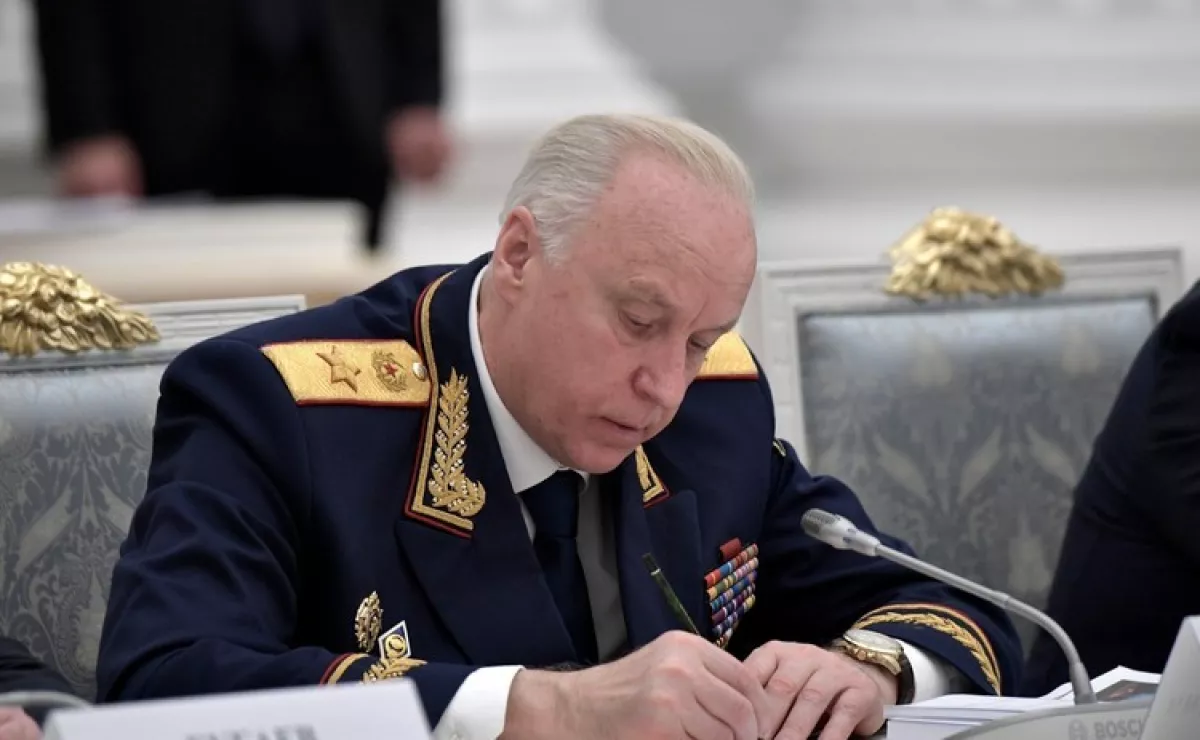
This aligns with Bastrykin’s broader pattern of behaviour in recent years. He has repeatedly put forward initiatives that the Kremlin has later had to carefully sidestep. For example, his public comments on the need for a state ideology to be enshrined in the Constitution prompted the Kremlin to step back, framing the remarks as a private opinion.
A similar dynamic occurred with Bastrykin’s sharp attacks on the legislative branch, including the scandalous remark about the “State Fool,” which prompted a public response from State Duma Speaker Vyacheslav Volodin.
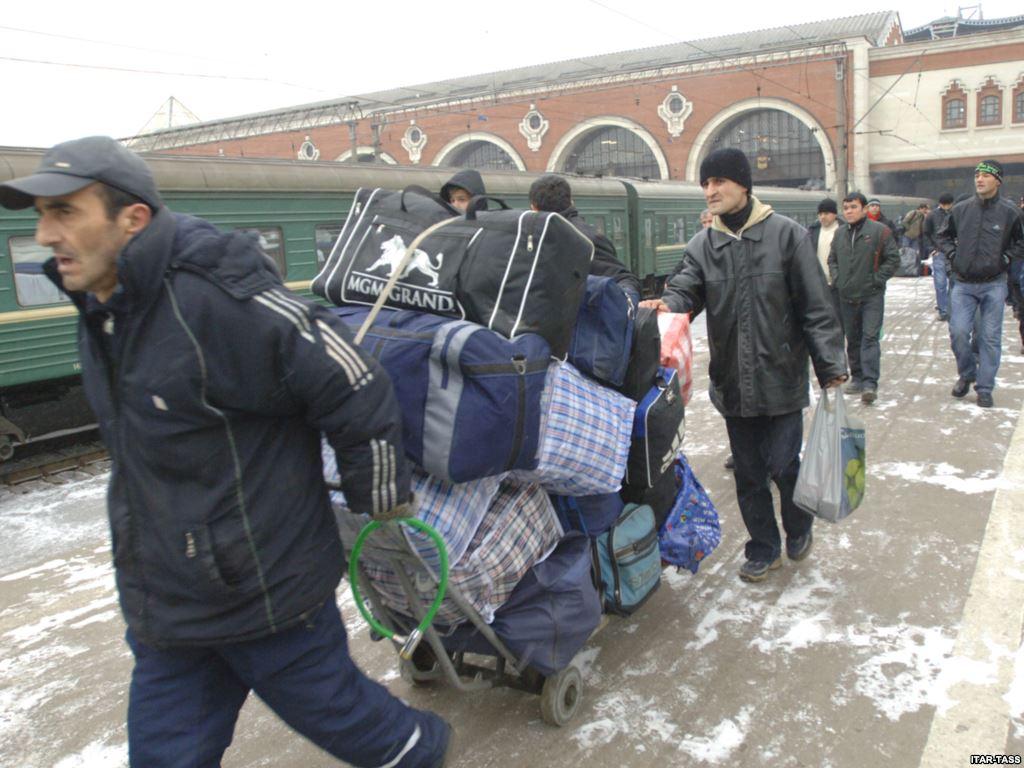
The same category includes his forceful, often xenophobic statements regarding migrants. These statements give the impression of a deliberately adopted role—a security official speaking more harshly and bluntly than the official discourse, thereby shaping a separate agenda. Meanwhile, the Kremlin is forced to balance between security concerns, the economic need for labour, and managing public sentiment. Bastrykin, however, bets on maximum severity, paying little heed to the consequences for interethnic policy within Russia itself.
A separate detail, previously discussed in Moscow, concerns ideas about a possible transfer of Bastrykin to a more institutionally calm role. In August this year, his candidacy was considered for the position of Chairman of the Supreme Court. Formally, such a move would have appeared as a promotion. In reality, however, it would have meant a reduction in Alexander Ivanovich’s operational influence and his removal from the centre of the security apparatus. If one trusts the behind-the-scenes logic, the refusal of such a trajectory explains a lot: Bastrykin is interested not in status, but in leverage.
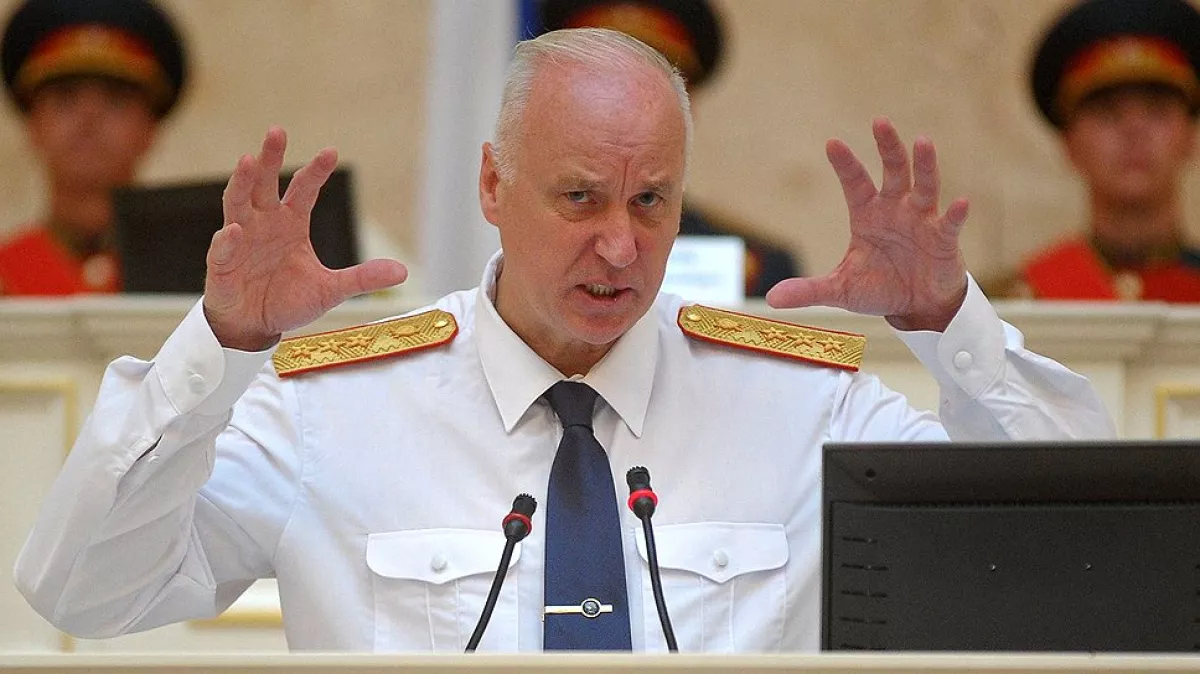
From this stems a theory increasingly voiced in expert circles: Bastrykin is gradually behaving as a figure shaping his own political profile—tough, force-oriented, focused on punishment and suppression. In Russian political culture, such a profile is often used as a resource for making high-stakes moves, particularly during periods of turbulence and internal power struggles.
This logic is not new. Soviet history already witnessed periods when the concentration of security powers in a single pair of hands exceeded manageable limits. The experience of Lavrentiy Beria is well known: when a minister from the security bloc ceases to perceive boundaries, the consequences for him are inevitably grim.

Against this backdrop, the situation surrounding the AZAL case takes on particular significance. It reflects deeper processes—how zones of autonomy emerge within the Russian political system, where decisions are made not according to a coherent state line, but according to internal rules.
This is precisely why Baku’s response was so firm in substance, even if restrained in form. Azerbaijan is sending a clear message: regardless of internal alignments and bureaucratic manoeuvring in Moscow, the matter will be seen through to the end—methodically, legally, and without regard for political games.







 editor@caliber.az
 +994 55 444-88-98
 Азербайджан, Баку, ул. Низами, 203, Af Business House, 5-й этаж