










“Azerbaijan won the war, but today, winning peace is more important” Expert opinions on Caliber.Az
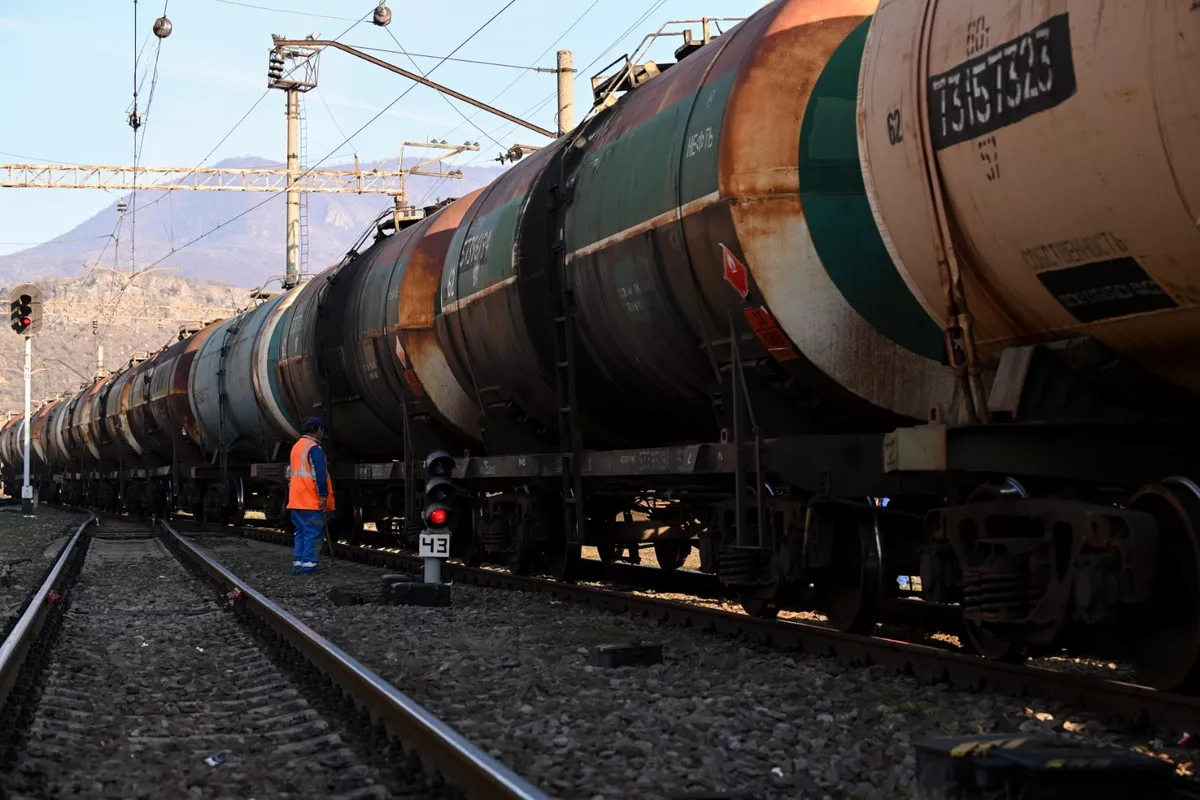
Armenian Prime Minister Nikol Pashinyan released video footage showing the arrival in Armenia of a train carrying petroleum products from Azerbaijan.
On his social media page, Pashinyan captioned the post: “Peace has now become a reality.”
The train, consisting of 22 tank cars transporting AI-95 gasoline of Azerbaijani origin with a total volume of around 1,300 tons, was delivered to Armenia via Georgia.
Well-known experts shared their assessments of this historic event in a conversation with Caliber.Az.
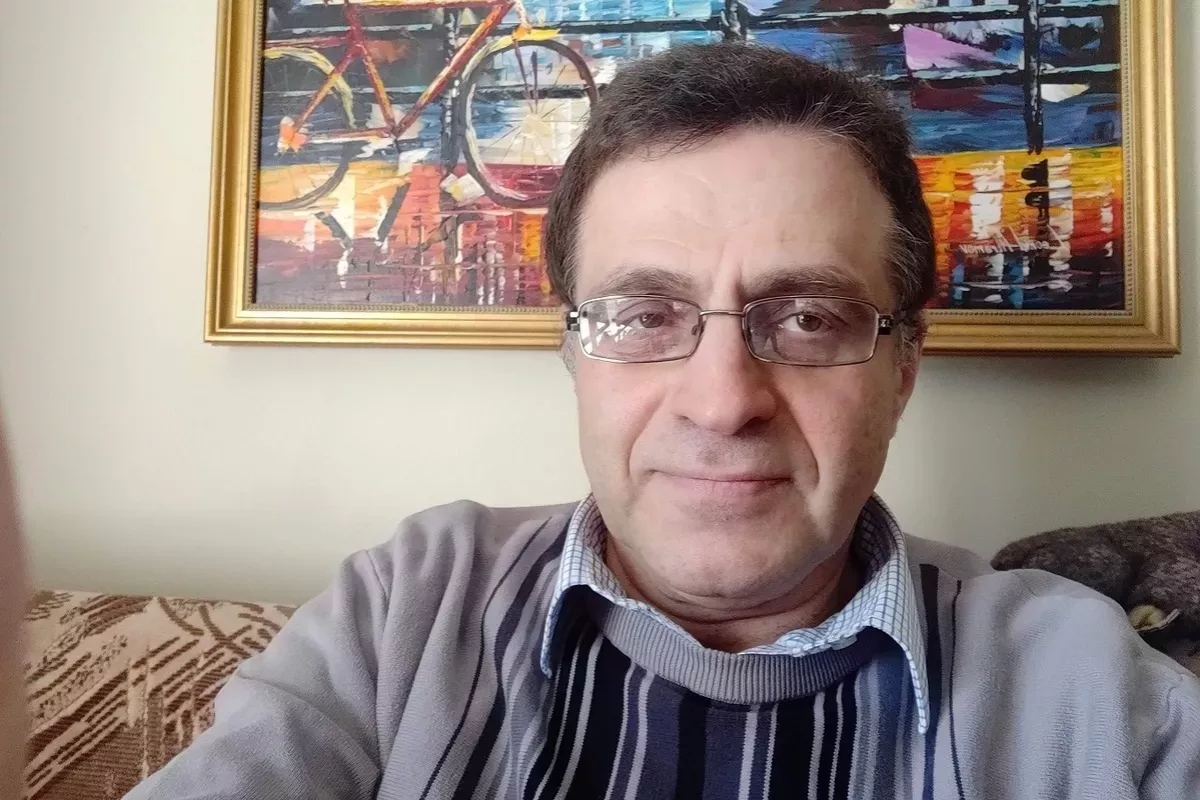
American political scientist and publicist Samson Katsman reminded that the fuel delivery was the result of agreements reached on November 28 in Gabala between Azerbaijani Deputy Prime Minister Shahin Mustafayev and his Armenian counterpart Mher Grigoryan.
“Amid all the diversity of opinions, forecasts, and speculations, this is a landmark and hopeful event that can be assessed very positively. Lasting peace is not established overnight: too many claims, grievances, and heavy memories have accumulated on both sides over the years of the Karabakh conflict. However, the first very important steps have already been taken. The delivery of gasoline on December 19 is a tangible step toward unlocking transport links between the two countries, which will be followed by the development and expansion of economic cooperation,” the analyst believes.
He stressed that it is important for people in both countries—particularly in Armenia, where supporters of the “war party” need to be deprived of their arguments—to experience the tangible benefits of the policies being implemented, so that public support for peace becomes directly linked to improvements in living standards.
“Expanding trade and economic ties, as well as human contacts at various levels, will create conditions for discussing issues sensitive to both sides and will contribute to fulfilling the main condition for peace—eliminating the ‘enemy image’ from the minds of ordinary people.
It is also worth noting the key role of a major external player—the Trump administration. The actions recently undertaken by Ilham Aliyev and Nikol Pashinyan are, among other things, a move toward Donald Trump’s desire to act as an effective peacemaker. However, even without this aspect, both the President of Azerbaijan and the Prime Minister of Armenia are acting today in the spirit of the famous phrase attributed to Winston Churchill: a true politician does not think about immediate gain but cares for future generations,” Katsman noted.
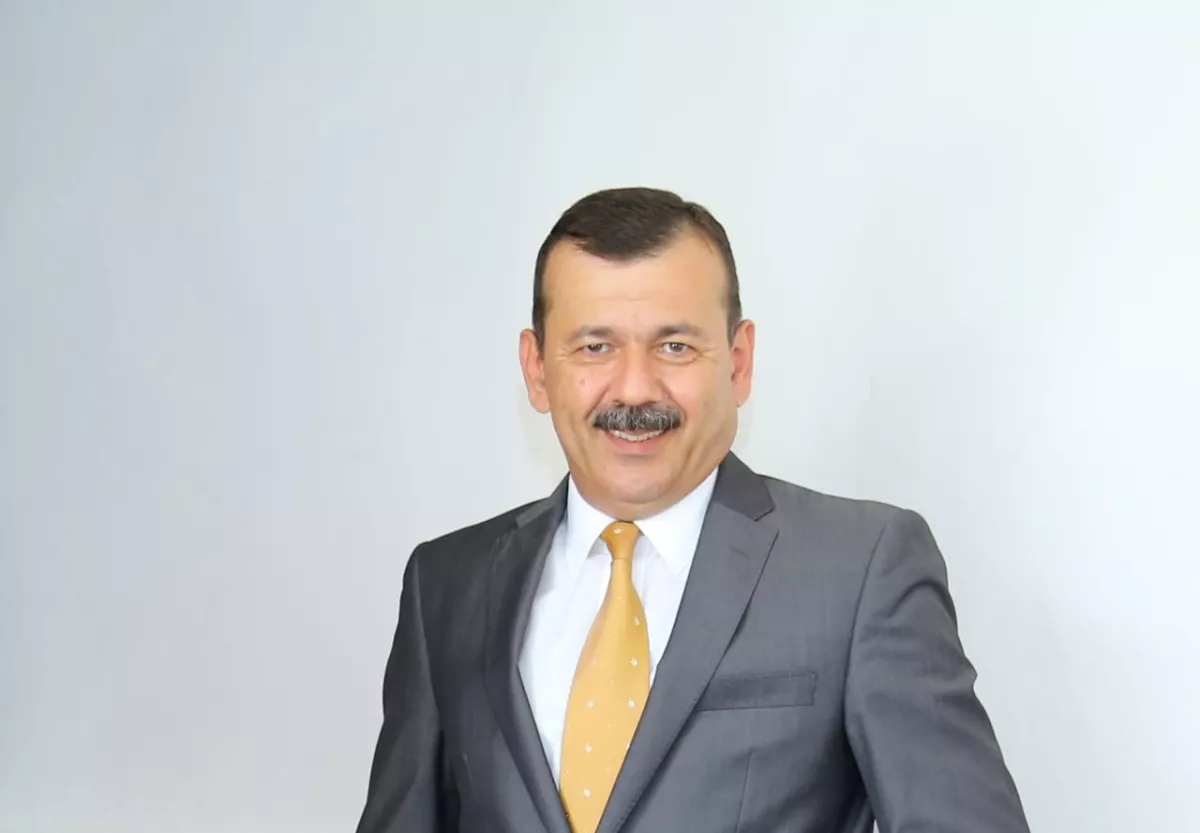
As political analyst Murad Sadaddinov stated, although this concerns a relatively small batch of fuel—22 railcars and 1,220 tons of AI-95 gasoline—it is important to emphasise that it was produced at an Azerbaijani oil refinery.
“That is, Azerbaijani products are being delivered to the territory of Armenia for the first time in many years of conflict. This, without a doubt, holds great significance for the peace process, which, in my view, is key today for the South Caucasus, for the future of our region, and for establishing full-fledged peaceful relations between Armenia and Azerbaijan.
For many years, external forces have manipulated the Karabakh war to achieve their own goals. And now we see that, despite the complex, difficult, and painful process of restoring relations, there are forces—and they do not hide it—that are trying by any means to undermine the peace process.
The Armenian direction is being used particularly actively for this purpose, since such scenarios do not work with Azerbaijan. Today, an important factor is the upcoming elections in Armenia. This is the choice of the Armenian people, and it is they who must answer the question: do they support peace, or are they ready to return to the previous policy by voting for revanchists who have already led Armenia and the Armenian people to tragedy.
Yes, Azerbaijan won the war, but for us today it is much more important to win peace, because the peace process itself and the signing of a peace treaty are, in essence, deadly to external forces interested in continuing the conflict,” the analyst believes.
And in this context, he emphasises, the agreements reached and the delivery of the first petroleum products may seem insignificant, yet they are precisely the first positive step.
“The Azerbaijani side, despite ongoing negotiations, unilaterally and as a gesture of goodwill, opened its communications for the delivery of grain from Kazakhstan and Russia to Armenia. Now, the delivery of petroleum products has been added to this.
We are talking about strategically important goods. Here, it is necessary to highlight a fundamental point: previously, external players used the provision of energy resources and strategic raw materials to Armenia—including grain supplies—for their own interests, as a tool to pressure Yerevan’s policies. In this case, Azerbaijan, by creating new opportunities for Armenia, is effectively contributing to the strengthening of its sovereignty.
Azerbaijan provides the Armenian leadership with the opportunity to implement its policies based on national interests, rather than under the influence of external actors who have traditionally exploited the country’s vulnerabilities. That is why I consider such deliveries extremely important and am convinced that, in the long term, they will expand.
There is a telling example in Georgia: Azerbaijan once ensured its energy security, which played a positive role in the country’s political and economic stabilisation. Similarly, I believe that the current processes concerning Armenia will also have a positive impact on the peace process in the South Caucasus.
The people of Armenia must see and understand the significance of what is happening and give it a political assessment. In the upcoming elections, Armenian society will have to make a fundamental choice: to vote for peace or for the continuation of a war that could already cause irreparable damage to the country. Otherwise, the very independence and sovereignty of Armenia could be called into question.
I believe that such steps are extremely beneficial for the overall process of preparing for and subsequently implementing the signing of a peace treaty,” Sadaddinov concluded.







 editor@caliber.az
 +994 55 444-88-98
 Азербайджан, Баку, ул. Низами, 203, Af Business House, 5-й этаж