










“Block Solovyov-broadcasting media in Central Asia, period” Expert opinions on Caliber.Az
The scandalous Russian TV host Vladimir Solovyov has decided to define Russia’s “zones of influence” and suggested conducting a so-called “special military operation” in countries of the post-Soviet space that he considers “disobedient.”
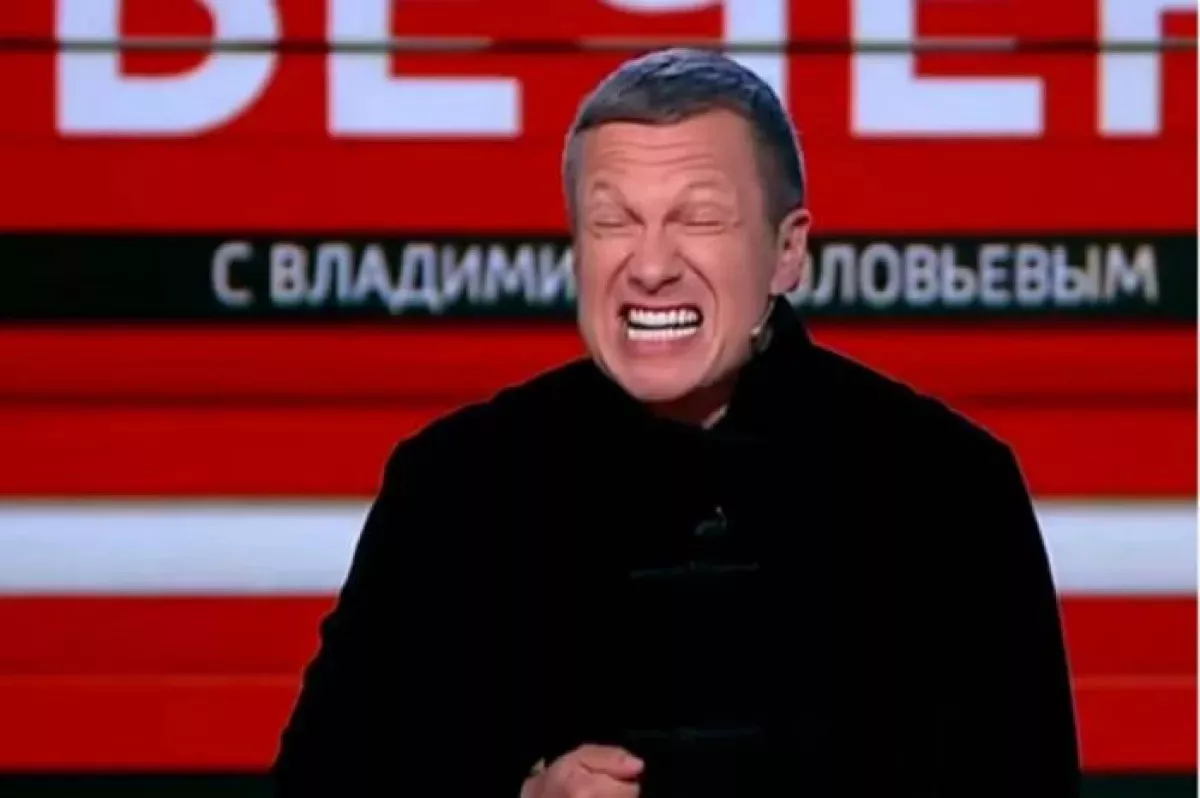
In particular, during a program on one of Russia’s state TV channels, the propagandist stated that Russia “does not need to deal with Syria or Venezuela right now,” and that “the most important” for Moscow is its “near abroad.”
“For us, what is happening in Armenia is far more painful than what is happening in Venezuela. Losing Armenia is a huge problem. The situation in our Central Asia is a huge problem for us, and we must clearly define our goals and tasks. We must explain— the games are over. International law does not matter. If, for reasons of our national security, we could launch a special military operation in Ukraine, why, for the same reasons, could we not launch special military operations in other points of our zone of influence?” Solovyov said.
What do political experts in Central Asia think about such statements by the Russian propagandist? Caliber.Az asked political analysts from Kazakhstan and Kyrgyzstan to comment.
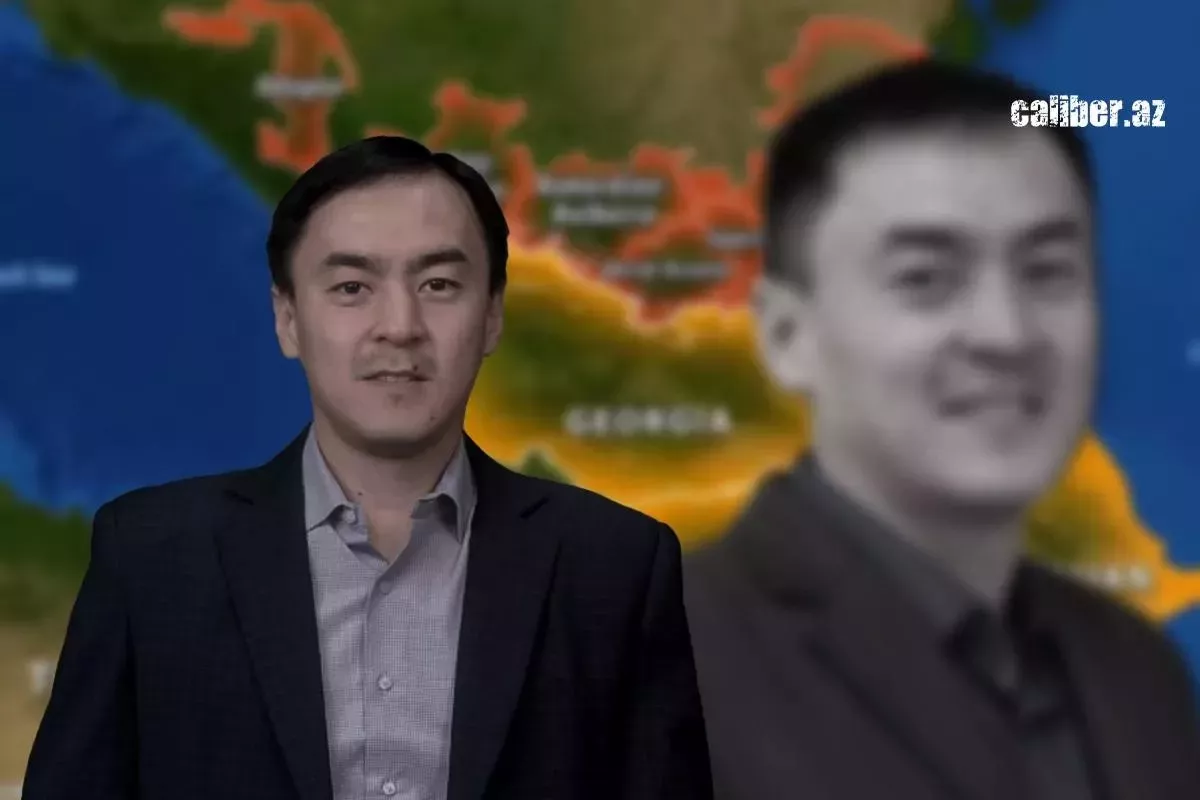
According to Kazakh political analyst and Candidate of Political Sciences Sharip Ishmukhamedov, statements from such “patriots,” who express disrespect toward their neighbours, their sovereignty, and statehood, need to be monitored and exposed.
“There is an audience that listens to them and supports them, for whom they broadcast their own version of ‘truth,’ reflecting the perspective of certain groups within Russia. One cannot ignore such statements or performances by journalists, bloggers, or anyone else in the media sphere who display this kind of mania and chauvinistic schizophrenia.
This is extremely dangerous for the future of our countries. It must be understood that they also act as transmitters of the Russian leadership’s opinions—or at least those of one of the Kremlin’s power centres—since they live on state funds, receive specific budgetary money, and are obliged to carry out their sponsors’ instructions. Moreover, they assume a certain level of responsibility for further actions, because I believe such statements are made for one reason only—to elicit a response from society, the population, or the digital space, and provoke a reaction. This is the first step toward the practical implementation of such scenarios by armed forces, potentially escalating conflicts with their neighbours.
If we—journalists, bloggers, and media outlets—remain silent, it will lead to a situation where a segment of the Russian public comes to consider such behaviour normal and begins using abusive language toward Central Asian countries and peoples. Therefore, serious measures should be taken against such mouthpieces, including political and public responses, as well as holding them criminally or administratively accountable. Closing or blocking such media outlets in Central Asia is necessary, period,” said Sharip Ishmukhamedov.

Kyrgyz analyst Umar Mutaliev, for his part, believes that only a unified response from Central Asian politicians and media can rein in such mouthpieces.
“Figures like Solovyov no longer hesitate to make the most provocative and sensational statements—their cynicism is boundless, which makes their words and actions especially alarming. It’s clear that such statements shape public sentiment in Russia, set the narrative, and give politically uninformed people—especially those in remote areas—a pretext to act against visitors from Central Asian countries. Tomorrow, these individuals could even support aggression against our nations.
That’s why a swift and coordinated response is essential: condemnatory statements from Central Asian leaders, coverage in local media, and legal scrutiny of Solovyov’s remarks by law enforcement can help counter this information attack. He must be held accountable, forced to justify his words, and respond constructively in the face of a widespread reaction from the people whose honour and sovereignty he has chosen to challenge,” Mutaliev concluded.







 editor@caliber.az
 +994 55 444-88-98
 Азербайджан, Баку, ул. Низами, 203, Af Business House, 5-й этаж