










European Commission targets Hungary again Budapest’s independence irritates Brussels
The EU’s long-standing double standards have once again been exposed in full, this time targeting Hungary — a country that, despite constant pressure from European institutions, continues to pursue an independent policy prioritising national interests.
Recently, the European Commission (EC) issued a warning to Hungary over alleged violations of the EU’s media freedom law: “The European Commission has decided to open an infringement procedure by sending a letter of formal notice to Hungary for failing to comply with several provisions under the European Media Freedom Act (EMFA).”

According to the EC, Hungary allegedly fails to meet requirements related to the functioning of public media, transparency of media ownership, assessment of market concentration, and allocation of state advertising. Budapest has been given two months to respond and address the alleged violations.
It should be recalled that the new European Media Freedom Act came into force in August of this year. At the time, Ursula von der Leyen — the ardent “guardian” of Europe’s democratic values and a critic of Orban’s policies — enthusiastically welcomed the legislation, stating: “A free and independent press is an essential pillar of our democracy.”
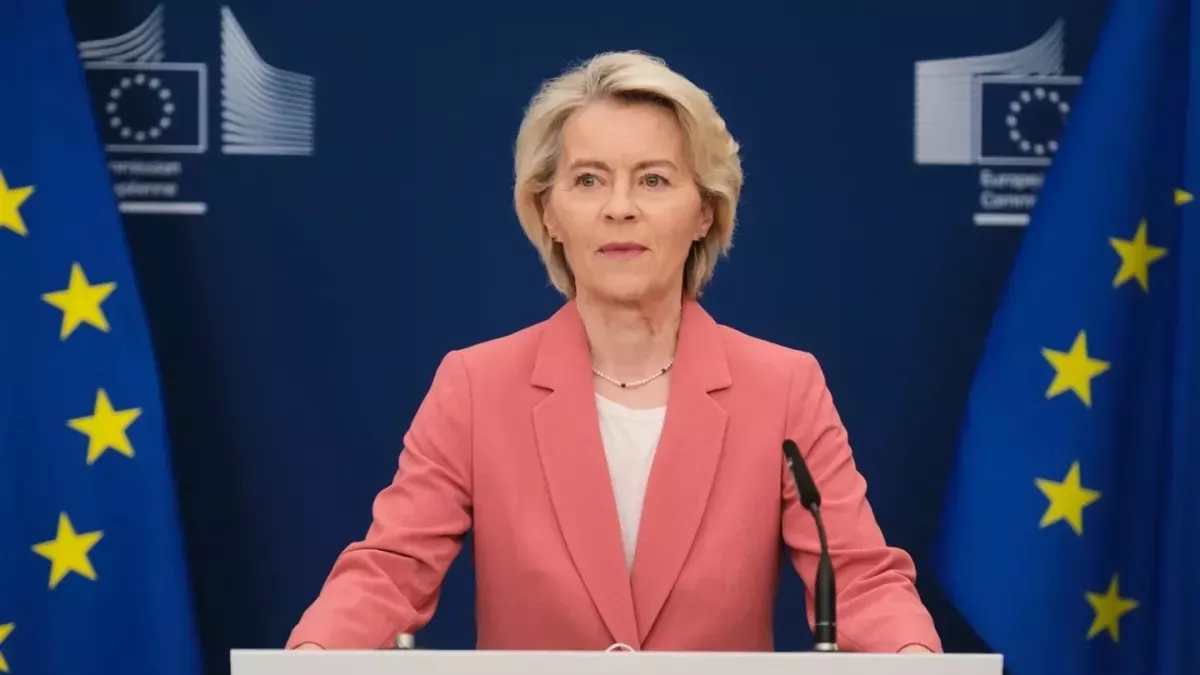
Notably, these words came from someone involved in the PfizerGate scandal, which carries strong hints of corruption. Earlier this year, in May, the European Court held von der Leyen responsible for concealing information about contracts worth €30 billion for COVID-19 vaccine supplies in 2021–2023.
During that period, media reports emerged claiming that she and Pfizer CEO Albert Bourla exchanged text messages as part of the negotiations. However, when journalists requested these messages under EU transparency rules, the European Commission claimed they did not have them.
Subsequently, the General Court of the European Union ruled that text messages are considered documents and must be disclosed, calling the European Commission’s explanation “implausible.”
In July, the European Parliament agreed to discuss a motion of no confidence against von der Leyen, accusing the European Commission of a lack of transparency for refusing to disclose her correspondence with Pfizer. Although the proposal was ultimately rejected, the episode highlighted tensions within the EU over transparency and institutional accountability.
However, as we can see, neither this scandal nor others like it have prevented the European Commission from putting pressure on Hungary. The recent accusations against Budapest are nothing more than another indicator of the EU’s interference in the internal affairs of an independent state—interference that goes far beyond the limits of international law.
In other words, EU institutions are flagrantly violating widely accepted legal principles and norms, with no apparent concern for the very Charter that underpins the organisation.
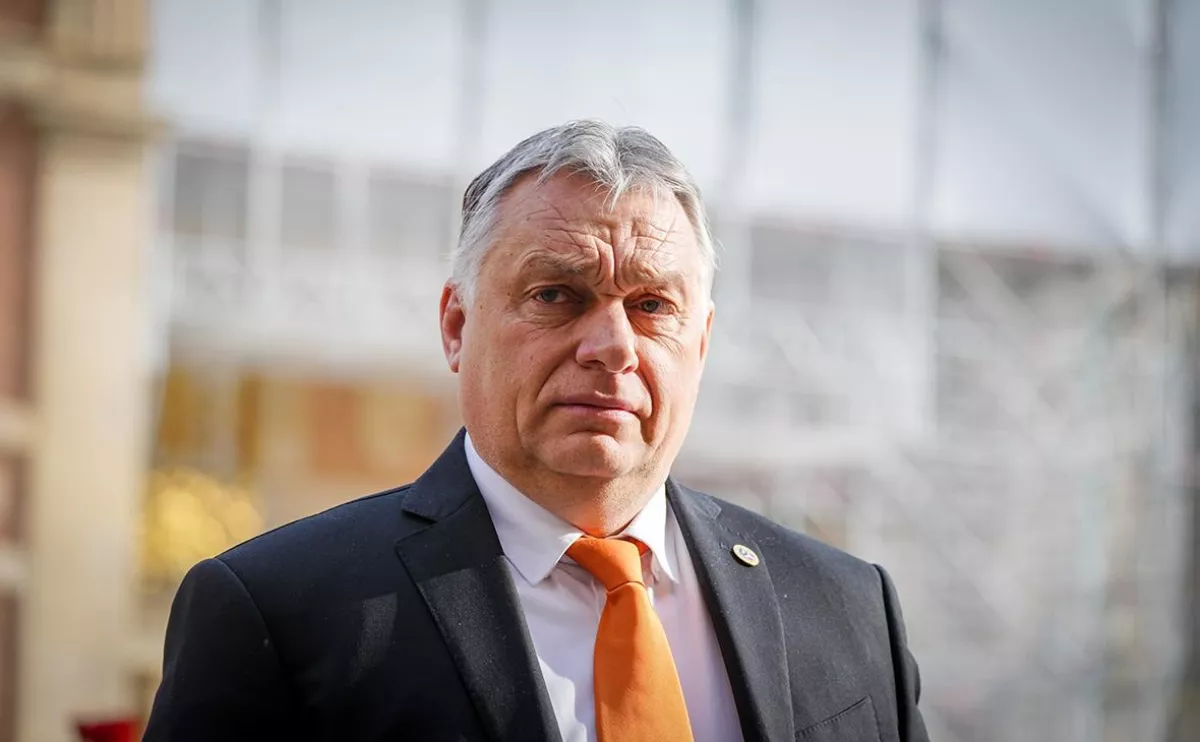
We believe the root of the discord between Hungary and the EU lies in the fact that, as mentioned earlier, Budapest pursues an independent policy and holds its own positions on a number of critical issues. Hungary openly challenges EU decisions, criticises the Commission, and so forth. In addition, Hungarian officials, including Foreign Minister Péter Szijjártó, hold Ursula von der Leyen personally responsible for harming Europe and accuse Brussels of political bias.
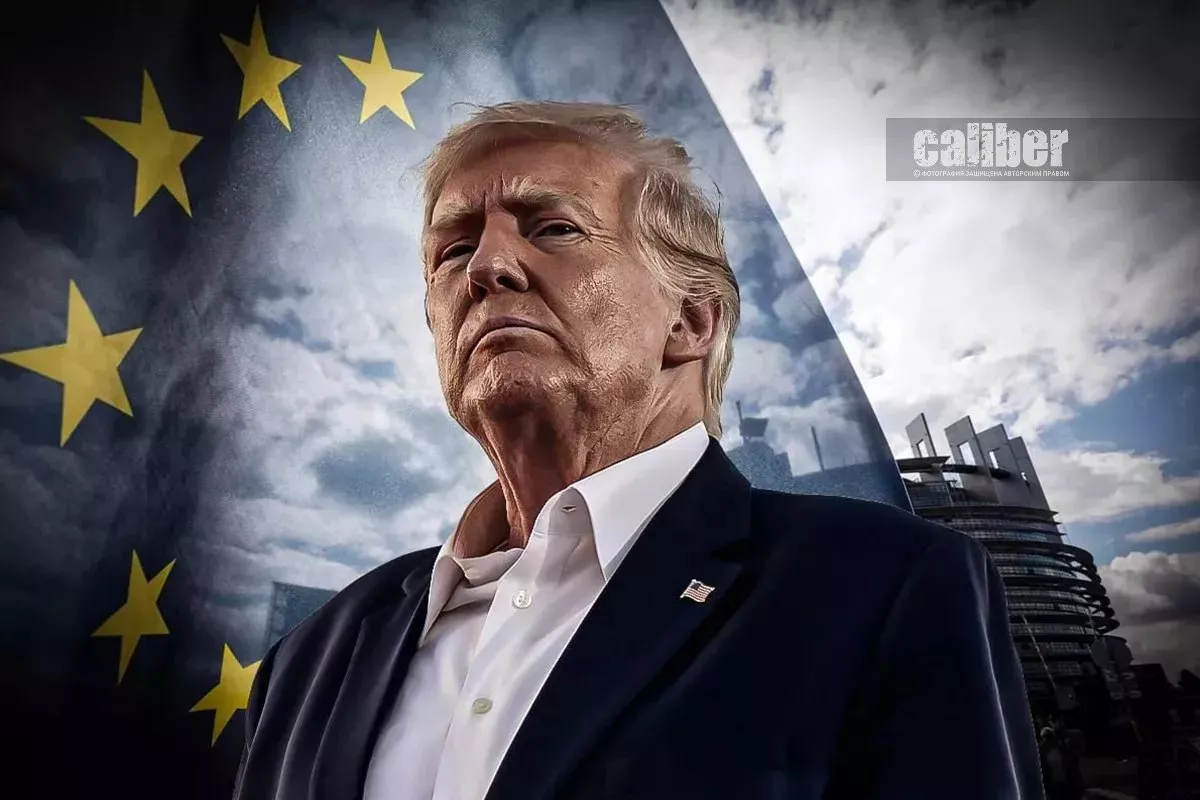
Moreover, the EU appears undeniably irritated by the fact that the independent policies pursued by Viktor Orbán’s government enjoy support from the current White House administration. The situation is made even more tense by significant divergences between the positions of the United States and Europe on several key issues, provoking barely concealed frustration in Brussels.
In particular, in a recent interview with Politico, Donald Trump described Europe as a region crumbling under the pressure of the migration crisis, citing Paris, London, and Stockholm as examples of capitals that have become less safe due to the mass influx of migrants. He also emphasised that he will support European politicians who share his views, specifically mentioning the Hungarian Prime Minister.
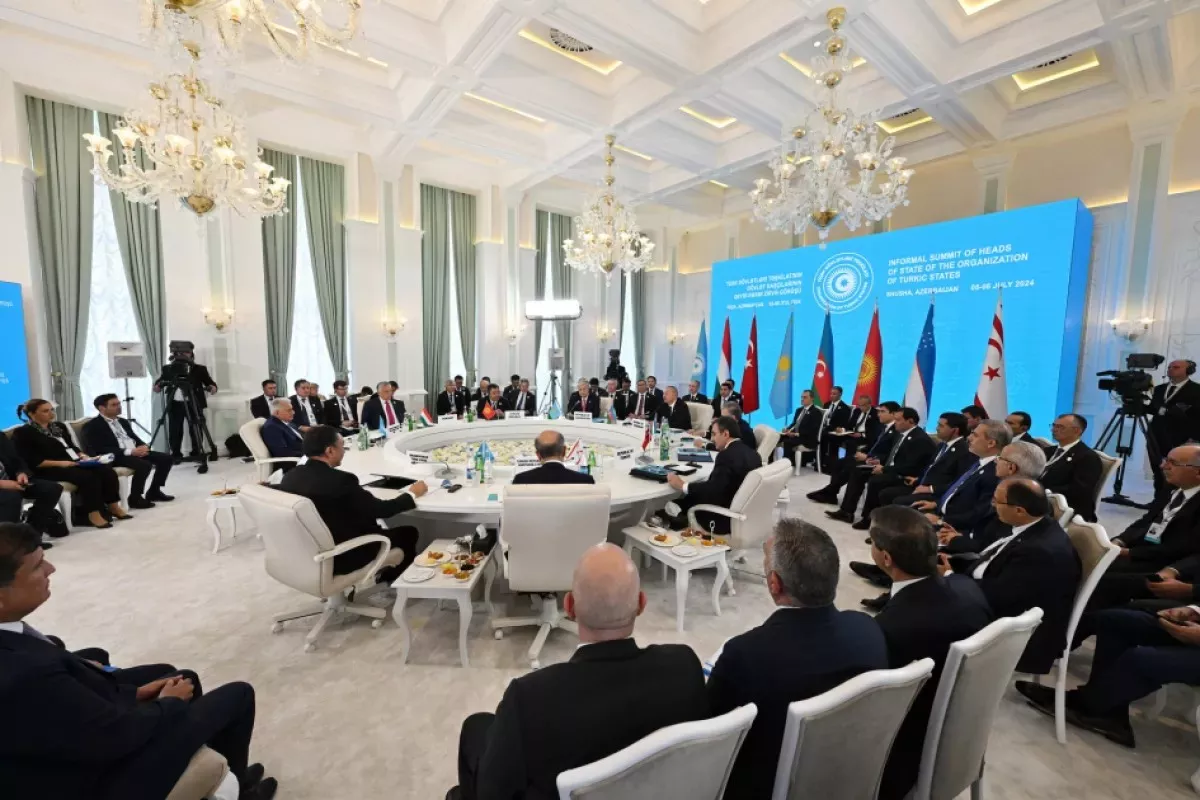
Another factor provoking the EU’s disapproval is Hungary’s growing closeness with Turkic states, which became particularly evident after Viktor Orbán participated in the informal Turkic Council summit in Azerbaijan in 2024. At the time, the EU’s High Representative for Foreign Affairs and Security Policy, Josep Borrell, openly expressed his dissatisfaction.
"Hungary has not received a mandate from the Council of the EU to advance relations with the Organization of Turkic-Speaking States," Borrell wrote on X (formerly Twitter).
However, European officials’ objections had no effect—Budapest’s friendly ties with the Turkic world in general, and Azerbaijan in particular, remained unaffected.
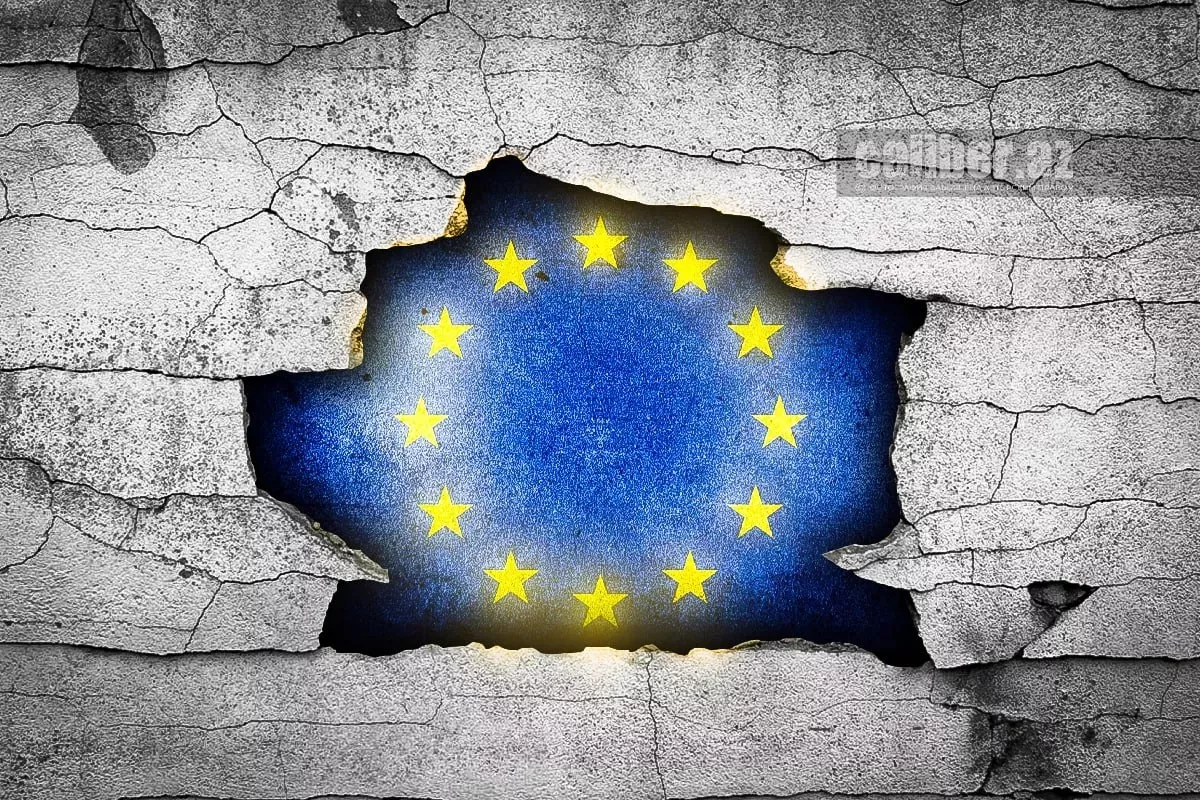
In short, Hungary’s policies aimed at strengthening national sovereignty and limiting the EU’s centralised authority provoke outright hostility from European institutions. And, as is well known, “democratic” Europe spares no means to “subdue” those who display independence and act contrary to Brussels’ self-proclaimed authority.







 editor@caliber.az
 +994 55 444-88-98
 Азербайджан, Баку, ул. Низами, 203, Af Business House, 5-й этаж