










From Brexit to Frexit: a new phase of European disintegration? Expert opinions on Caliber.Az
The leader of the French right-wing party Les Patriotes (The Patriots), Florian Philippot, stated that France must leave the European Union, as EU membership leads to the complete destruction of national industry. The politician wrote about this on his page on the social network X.
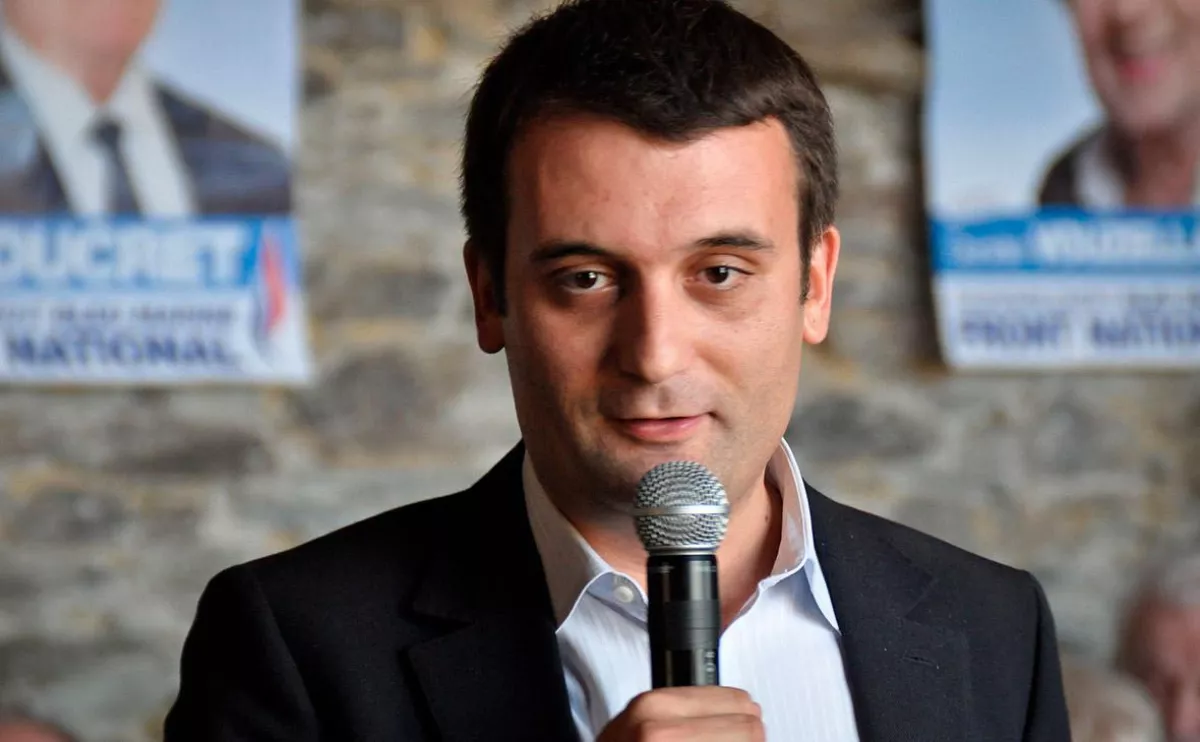
“A new example! ‘Frexit’ immediately!” Philippot noted, referring to the UK’s withdrawal from the EU, known as Brexit.
The statement followed a report by Les Echos forecasting an 11% decline in French industry by 2028. According to Philippot, Brussels is “rotting” and “killing” France’s industrial power, and enough similar examples have already accumulated.
What could such a decision lead to if we hypothetically assume that it is actually taken? Would the exit of such a major country as France become the beginning of the complete collapse of the EU? And would former members of the bloc face a new set of economic, migration, and other problems? How would the disappearance of a united Europe affect the international situation?
Well-known foreign analysts shared their views on this issue with Caliber.Az.

Estonian political analyst Peeter Taim notes that, if we consider Florian Philippot’s statement in a political context, the first thing that stands out is that in EU member states, discussions about leaving the European Union are almost always raised exclusively by right-wing parties.
“However, essentially, that is where the observation ends. In my view, this is also where the political science approach to this topic ends. Most likely, such statements should no longer be analysed by political scientists or political strategists, but by agencies responsible for the internal security of EU states.
In France, such an agency is called the Directorate General for National Security. And, in my opinion, it is its staff who should seriously deal with Mr. Philippot. Perhaps I have lost some analytical instinct and am leaning toward conspiracy theories myself, but I rely on experience. Just as was the case with Brexit and the English ‘comrades’ allegedly funded by Russians, here too we should consider and check whether we are dealing with yet another ‘shipment’ of large suitcases of rubles, dollars, or euros from the Kremlin. The French ‘comrade’ is spreading outright nonsense and advocating for France to leave the EU.
That is, we may be facing a situation that shows signs of treason and undermining the existing state system of the French Republic,” the analyst suggests.
He justifies his conclusions by noting that if a country has problems, they need to be addressed—through developing measures, political decisions, and strategies.
“Instead, we hear slogans and arguments very familiar to all of us, which usually come from only one place—a small piece of land surrounded by red bricks, called the Kremlin. Unfortunately, the money for which such figures in Western countries agree to betray their society, their nation, and all the values they have lived by seems never-ending. The picture is very sad,” Taim admits.
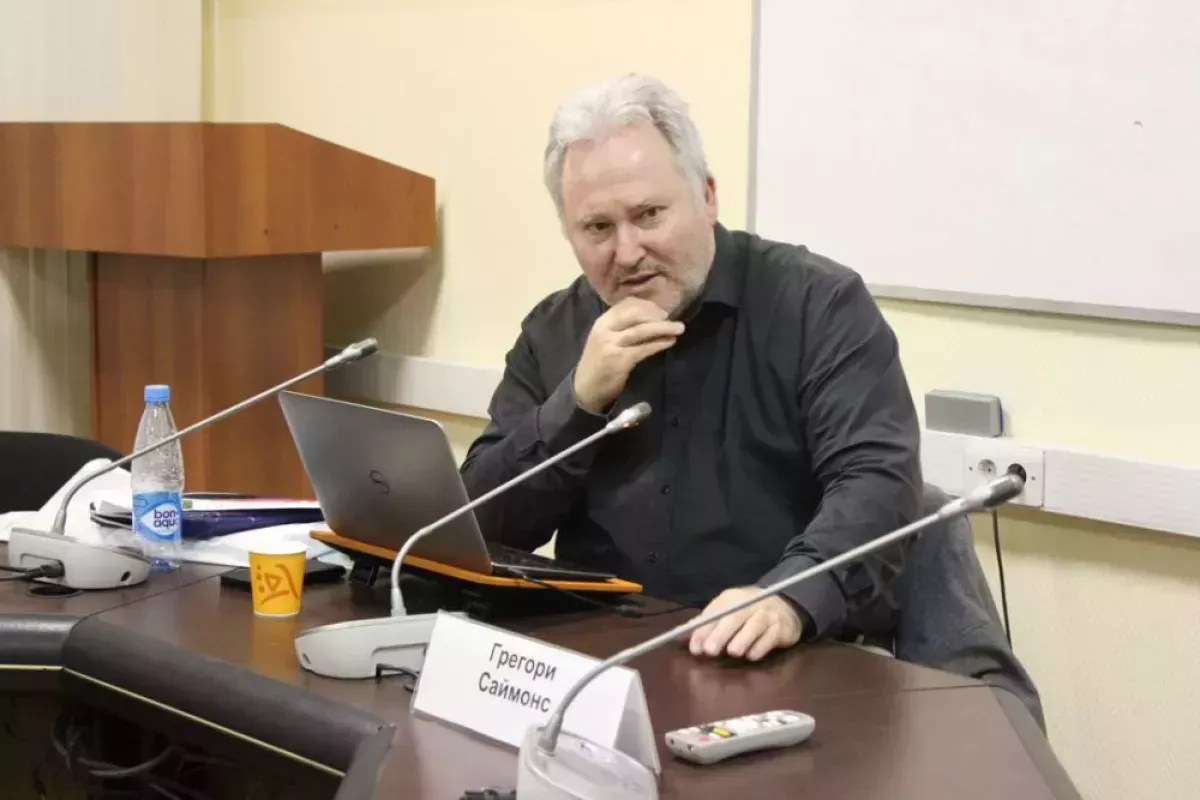
A completely different view on Florian Philippot’s statements is held by Dr. Greg Simons, PhD, political scientist and professor at Daffodil International University (Dhaka, Bangladesh). In his opinion, what is happening in France should not come as a surprise—especially considering the trends of excessive self-confidence, arrogance, and corruption among EU leadership.
“Under von der Leyen, the EU is completely lacking in transparency and accountability, and the push for centralisation and federalisation of power within this incompetent cliché is entirely obvious. France has seen how EU policies have destroyed Germany’s economy, as well as how smaller Central and Eastern European countries (Hungary, Slovakia, and the Czech Republic) resist this blatant power grab. The UK’s Brexit, though disastrously executed, also demonstrates the very possibility of leaving the EU. And rather than leading to the total collapse of France, this could signal the impending collapse of the EU itself,” the professor suggests.
According to him, given the current corruption scandal in Brussels, the growing dissatisfaction, and the EU leadership’s inability to acknowledge reality, the institutional integrity of the union is facing a serious crisis. The actions of the leadership in the near future may determine the fate of the EU.
“I would also say that Europe has never truly been united. It’s just an appearance, pressure, and all that nonsense about a ‘single opinion.’ It’s all just a show. National interests remain the key guiding principle for states, as evidenced, for example, by the current situation in Belgium regarding the fate of the seized Russian state assets,” Simons concludes.

Anatoliy Pinchuk, head of the board at the Kyiv-based Eastern Europe Security Institute, notes that The Patriots party is not represented in either the French Parliament or local councils. In the last elections, the list associated with the party received about 0.5% of the vote and did not win a single seat. According to him, the topic of Frexit is essentially their only PR tool. Therefore, there is no basis for serious discussion about France leaving the EU.
“France is indeed one of the key countries of the EU, and in theory, its exit could have serious negative consequences. But it will not happen,” Pinchuk is confident.







 editor@caliber.az
 +994 55 444-88-98
 Азербайджан, Баку, ул. Низами, 203, Af Business House, 5-й этаж