










Fuelling peace against revanchist hysteria Transit, trade, and cooperation
The Washington agreements between Azerbaijan and Armenia, signed on August 8, 2025, are now being implemented in practice, and the process shows clear signs of continuation.
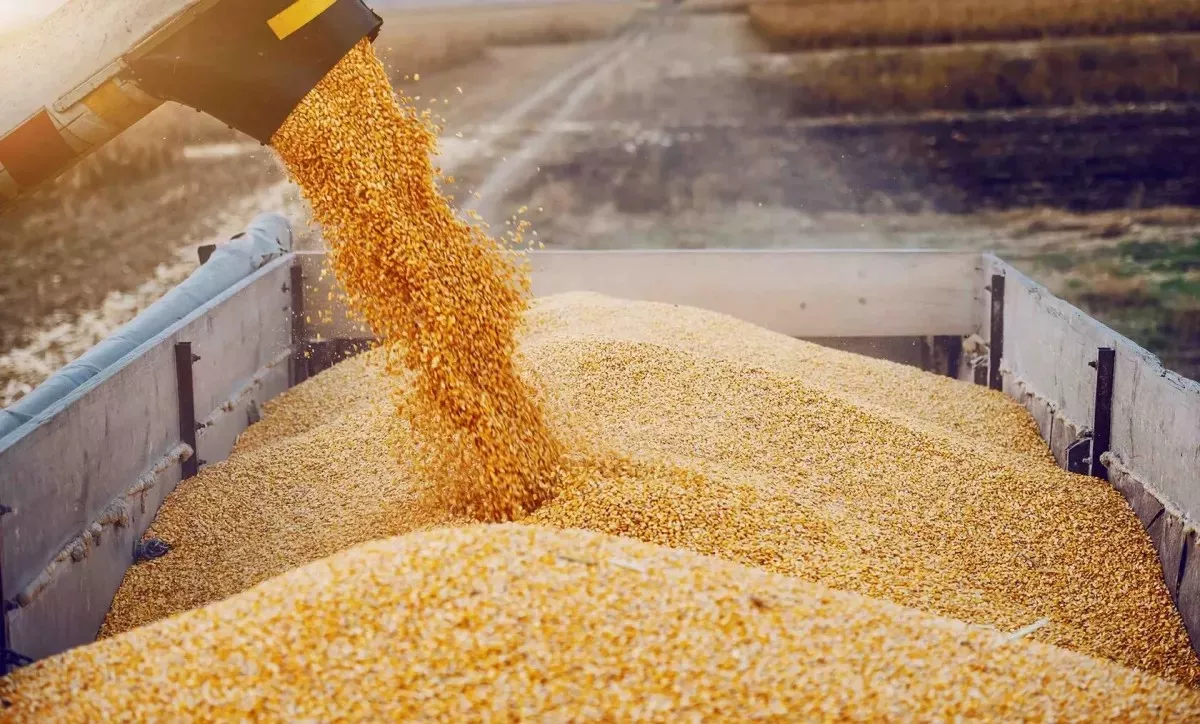
In October 2025, President Ilham Aliyev announced the removal of all restrictions on cargo transit to Armenia through Azerbaijani territory: “I should also note that Azerbaijan has lifted all restrictions on cargo transit to Armenia that had existed since the time of occupation. The first such transit cargo was a shipment of Kazakh grain to Armenia. I believe this is also a clear indication that peace between Azerbaijan and Armenia is no longer merely on paper but has already become a matter of practice.”
Following the shipment of Kazakh grain, Russian grain was transported to Armenia via Azerbaijan by rail. Thanks to the initiative of the Azerbaijani President, the barrier between Baku and Yerevan was removed, marking the start of regional economic integration.
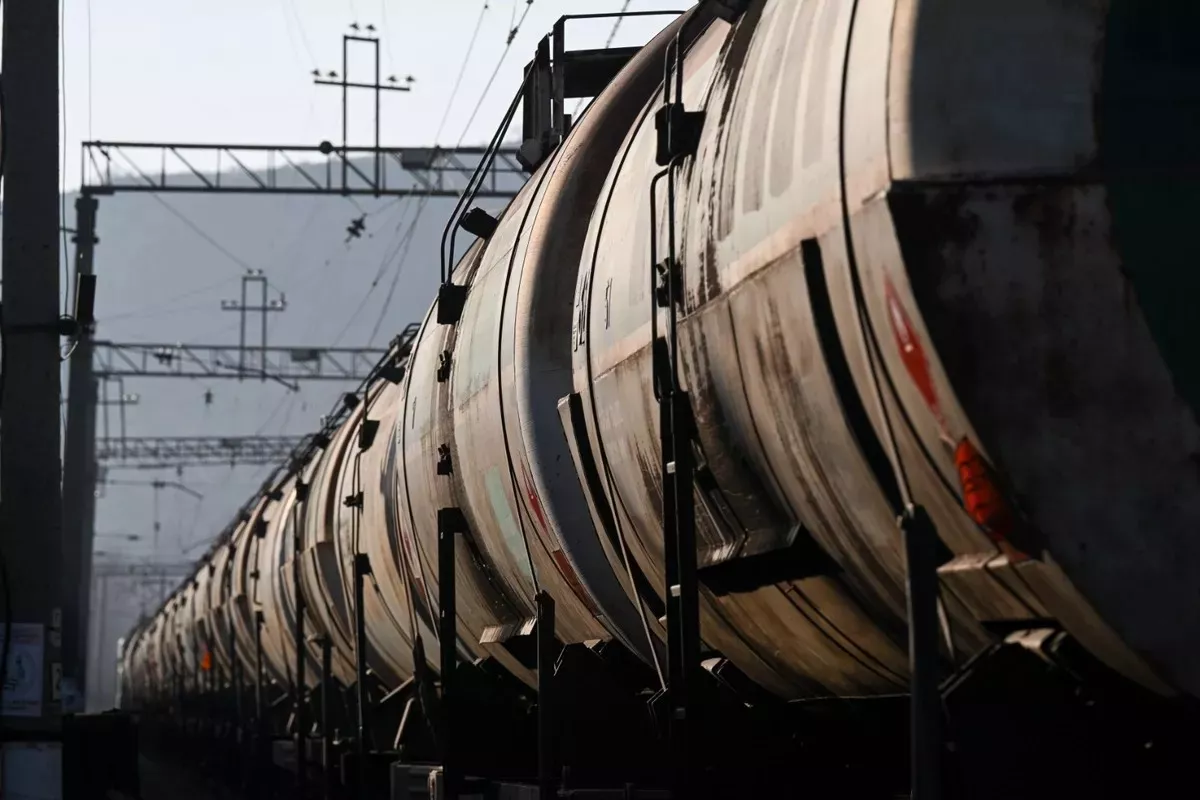
In addition, Azerbaijan has supplied fuel to Armenia: in December 2025, 1,220 tons of AI-95 gasoline were delivered to the neighbouring republic. Just recently, a second batch of petroleum products was sent via transit through Georgia, including 1,742 tons of AI-95 gasoline and 956 tons of diesel fuel.
The Armenian side, in turn, has publicly stated that the first economic results of the peace process with Azerbaijan are already becoming tangible. Recently, Armenian Minister of Economy Gevorg Papoyan spoke about this on Armenian Public Television, noting that Armenia would save approximately 16 billion drams (around $2.6 million). He also emphasised that the import of Azerbaijani gasoline is not a one-off action but a long-term, sustainable process.

“Yerevan and Baku are negotiating the possibilities of exporting aluminium foil, aluminium foil raw materials, ferromolybdenum, pets, brandy raw materials, cigarettes, and textile products from Armenia to Azerbaijan,” he said in an interview, noting that Azerbaijani companies have expressed interest in importing specific Armenian goods. “The Azerbaijani side has submitted a list of specific products that interest them, we have sent the quantity that we can export. Roses, greenhouse products—tomatoes, peppers—are also on our list. We have offered the approximate price.”
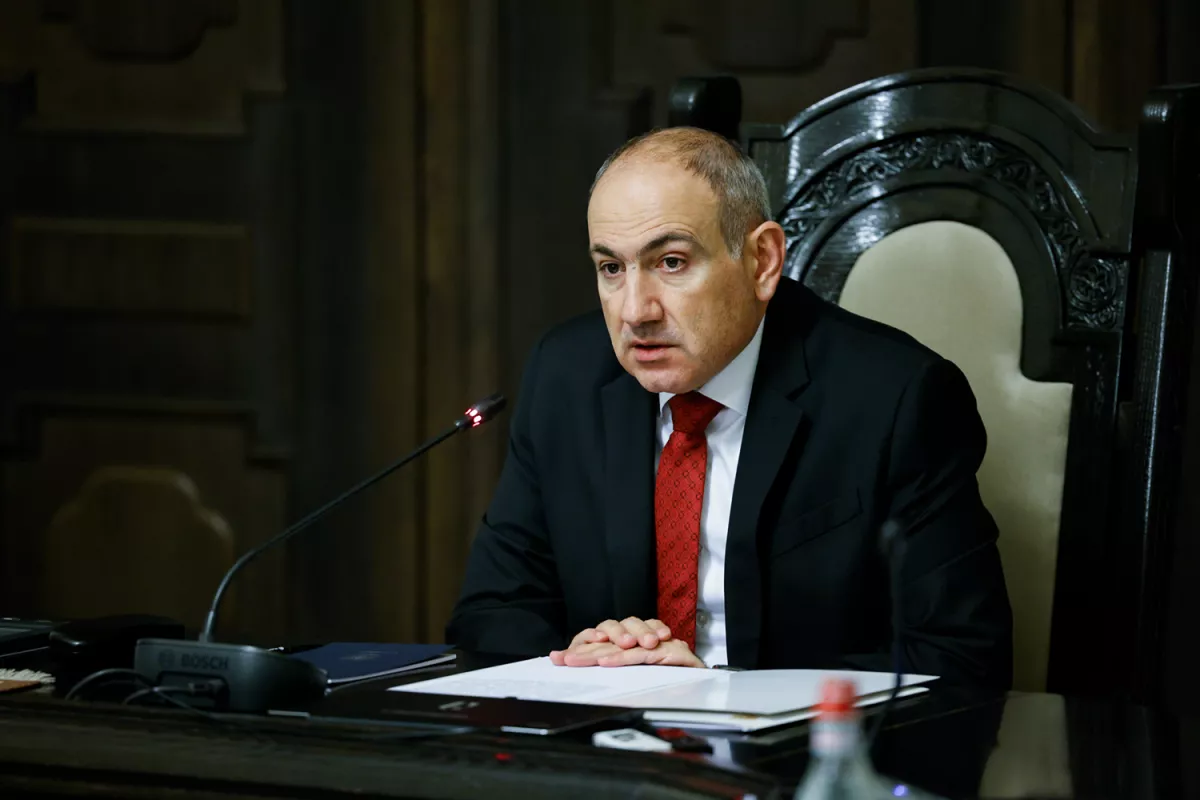
Armenian Prime Minister Nikol Pashinyan also confirmed at a briefing that Azerbaijan and Armenia are discussing a list of goods in which both countries have mutual interest for import and export.
“Armenia and Azerbaijan are exchanging lists of goods in which they are interested for purchase and sale. This process is ongoing, and when there is news, you will be informed. Such discussions are taking place. I know that preliminary lists have been exchanged, and for now, the process of review is underway,” he said in response to a question about how the agreement on importing Azerbaijani petroleum products into Armenia was reached.
The Armenian leader also emphasised that the government did not compel private companies to import Azerbaijani petroleum products; it merely informed them that the opportunity was available.

However, as could have been expected, the positive effects of economic integration between Baku and Yerevan triggered panic—and at times almost grotesque hysteria—among opponents of the current Armenian government’s policies. Among them, the so-called civic initiative “Hayaqve,” known for its provocative attacks on Azerbaijan, stood out in particular. Specifically, it called for a boycott of Azerbaijani gasoline imported into Armenia and sought to convince the Armenian public that, by purchasing it, they were “financing the enemy and its preparation for a new aggression.” “Boycott RAN OIL gas stations. Do not allow Azerbaijani gasoline bought with our money to be turned into weapons aimed at us,” the initiative stated.
However, despite all the efforts of “Hayaqve,” much to the disappointment of the revanchists, Azerbaijani gasoline sold like hotcakes, as reported by Gevorg Papoyan. “Essentially, the delivered fuel was sold within a few days, which shows that demand is very high,” he said, noting that the country is receiving “not only premium gasoline but also regular and diesel fuel, and, according to preliminary estimates, their price is about 80 drams ($0.21) below the market rate.”
Meanwhile, Armenian Foreign Minister Ararat Mirzoyan also highlighted that importing Azerbaijani gasoline is extremely beneficial for Armenian citizens, pointing out that queues are forming at Yerevan gas stations of people eager to refuel with fuel from Baku.
Undoubtedly, the excitement caused by the arrival of Azerbaijani petroleum products in the Armenian market is a positive development—not only from an economic standpoint but also considering the significant psychological barrier that still exists in Armenian society following the crushing defeat in the 44-day war of autumn 2020.
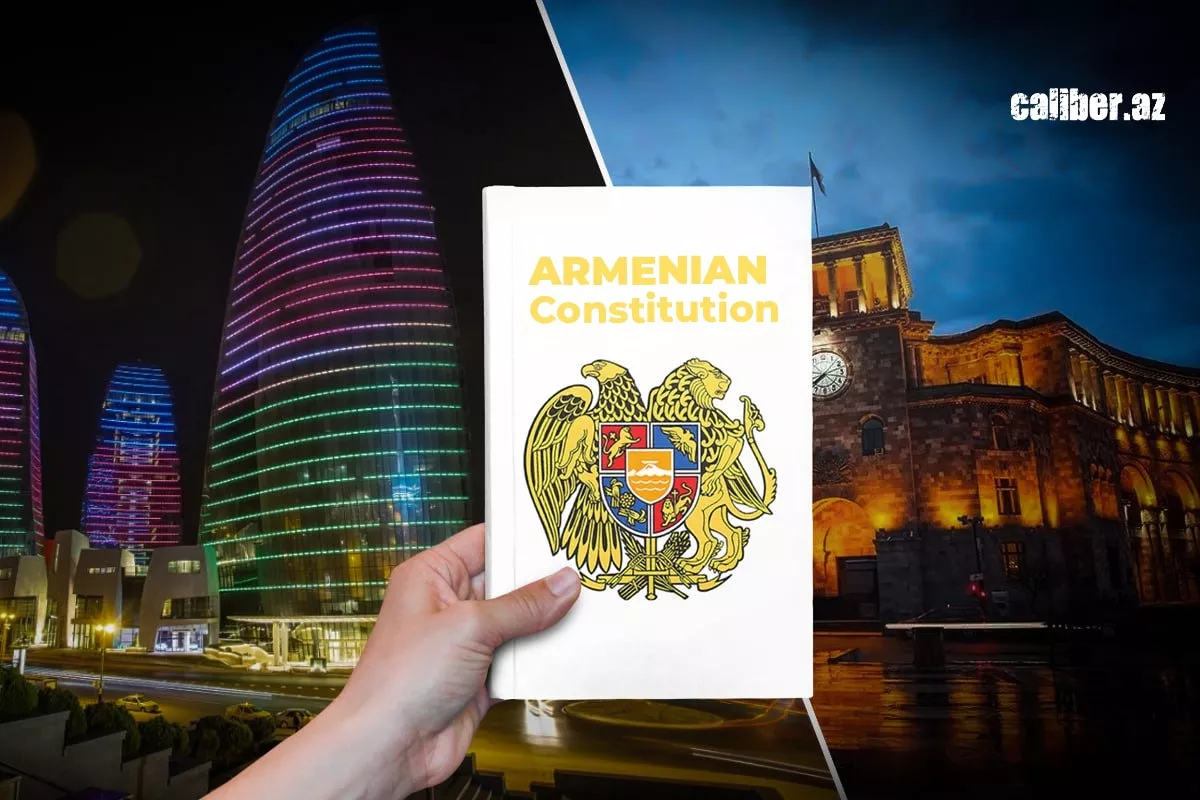
However, the Armenian public appears to be gradually recognising that closer trade and economic ties offer a win-win path to reducing confrontation. To solidify this progress, the official Yerevan should take the final step and amend the Armenian constitution to remove territorial claims against Azerbaijan.
With Armenian citizens already benefiting from trade cooperation with Azerbaijan, there is a strong likelihood that the public will support both the ruling party and its peace agenda in the upcoming parliamentary elections and constitutional referendum this summer. Such a shift would not only advance lasting peace in the region but also undermine the plans of Armenian revanchists seeking to drag Armenia—and the South Caucasus as a whole—back into conflict.







 editor@caliber.az
 +994 55 444-88-98
 Азербайджан, Баку, ул. Низами, 203, Af Business House, 5-й этаж