










Pashinyan’s Berlin statements: a strategy with a catch? Expert opinions on Caliber.Az
Armenian Prime Minister Nikol Pashinyan recently paid an official visit to Germany, during which the Armenian leader held talks with Chancellor Friedrich Merz. A declaration on the strategic agenda of bilateral partnership was also signed.
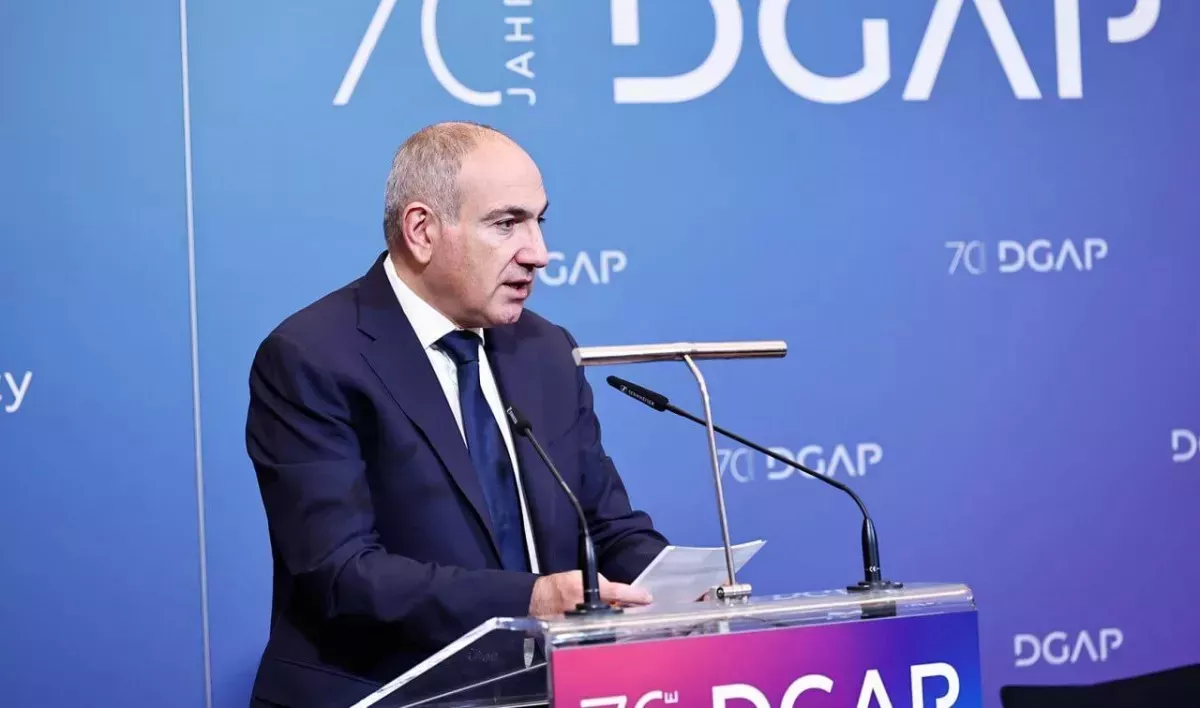
By and large, Pashinyan’s visit to Germany would not have attracted our attention, as it falls within Armenia’s foreign policy domain, were it not for a number of rather noteworthy statements made by the Armenian prime minister. These remarks concerned, in particular, the opening of the Turkish–Armenian border, amendments to Armenia’s constitution, and other related issues. An analysis of these statements makes it difficult to overlook the fact that some of them contradict the declared peace agenda, which, to put it mildly, raises serious questions.
Seeking an expert assessment of the statements made by the Armenian prime minister during his visit to Germany, Caliber.Az turned to Azerbaijani and Kazakh political analysts.
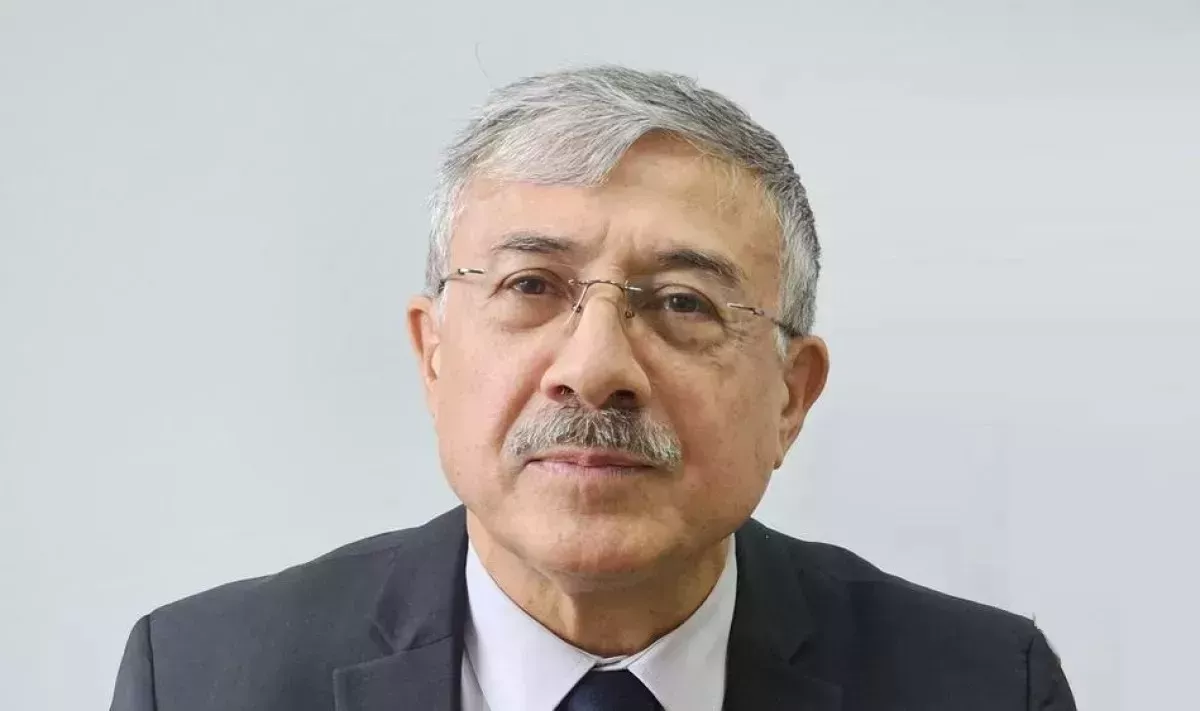
According to Azerbaijani independent expert Chingiz Mammadov, Pashinyan is generally right when he said in Berlin that peace with Azerbaijan would bring benefits not only to Armenia, but to the entire South Caucasus and the EU as well.
“A lot of words about peace were spoken in Berlin. However, we know that the Armenian prime minister very often changes his views and rhetoric. Therefore, it is far more appropriate to set aside his words and look at the facts, which, among other things, show that the ‘EU–Armenia Strategic Partnership Agenda’ was signed quite recently. Judging by its content, this document does not serve peace at all, but rather is aimed at undermining the peace dialogue between Baku and Yerevan. For example, in some of its provisions, the Europeans once again place all the responsibility on Azerbaijan, raise the issue of the rights of Armenians who lived in the Karabakh region, and essentially return the situation to the period when Armenia began its aggression against the Azerbaijani state. Therefore, I would once again stress that Pashinyan’s ‘peaceful’ optimism voiced in Berlin is sharply at odds with reality,” he said.
According to the political analyst, the second important aspect concerns the opening of the Turkish–Armenian border:
“As Pashinyan put it, opening the Turkish–Armenian border would mean a direct connection between Armenia — including land and rail links — and the EU, including Germany, which would become a turning point in economic, political and investment terms. This is indeed the case, and one could even say that, economically speaking, opening this border is in some respects even more important for Armenia than opening the Armenian–Azerbaijani border.
As we all remember, the Turkish–Armenian border was closed in 1993. It is no secret that this remains one of the main instruments of leverage used by our country over Yerevan in order to achieve peace. Even now, in the post-conflict period since November 2020, despite all of Pashinyan’s outwardly optimistic rhetoric about peace and dialogue with Azerbaijan, this instrument continues to function and has not lost its relevance. Therefore, it is extremely important that Türkiye, despite pressure from the same Western states, keeps this border firmly closed — until a peace agreement between Yerevan and Baku is signed.”
According to Mammadov, another significant issue touched upon by the Armenian prime minister in Berlin was the trial of Armenian citizens accused of committing war crimes:
“As we can see, Pashinyan presents them as some kind of political prisoners. He does not escalate this issue in the way Armenian revanchists do, yet neither does he remove it from the agenda, noting that it is a ‘delicate issue and would be easier to resolve in an atmosphere of cooperation and peace’. At the same time, he does not say that they are being held in Baku for specific crimes committed against the Azerbaijani people and against humanity. It is very important that everyone in Armenia who still harbours revanchist sentiments understands that any new aggression against Azerbaijan constitutes a criminally punishable act.”
As the political analyst noted, the European Union and its leading players, such as Germany and France, have taken a course towards providing political support to the Armenian leader.
“On one hand, this boosts the prime minister’s ratings and his chances of reelection, but on the other hand, it creates inflated expectations from negotiations with Azerbaijan. What we need is a realistic Pashinyan, who accurately assesses the situation and genuinely advances a peace agenda, not one who delays resolving these issues under various pretexts. For example, the Armenian position on transit through the Zangezur corridor remains unclear: ‘Will the unhindered transport of goods and movement of Azerbaijani citizens through the corridor on Armenian territory be ensured?’” the political analyst emphasised.
Regarding Pashinyan’s statements on amending the Armenian constitution, the expert believes the Armenian leader is clearly being misleading, once again portraying his country as a kind of “peace dove.”
“The fact is that the current Armenian constitution does not merely contain ‘territorial claims against Azerbaijan,’ but provisions on the annexation of specific parts of Azerbaijani territory, which is far more serious and much worse. Pashinyan is misleading everyone regarding the Constitutional Court. There is absolutely no need to check the text of a peace treaty against Armenia’s Basic Law; here the prime minister is evading the issue and diverting the signing procedure into a different channel,” Mammadov stated.
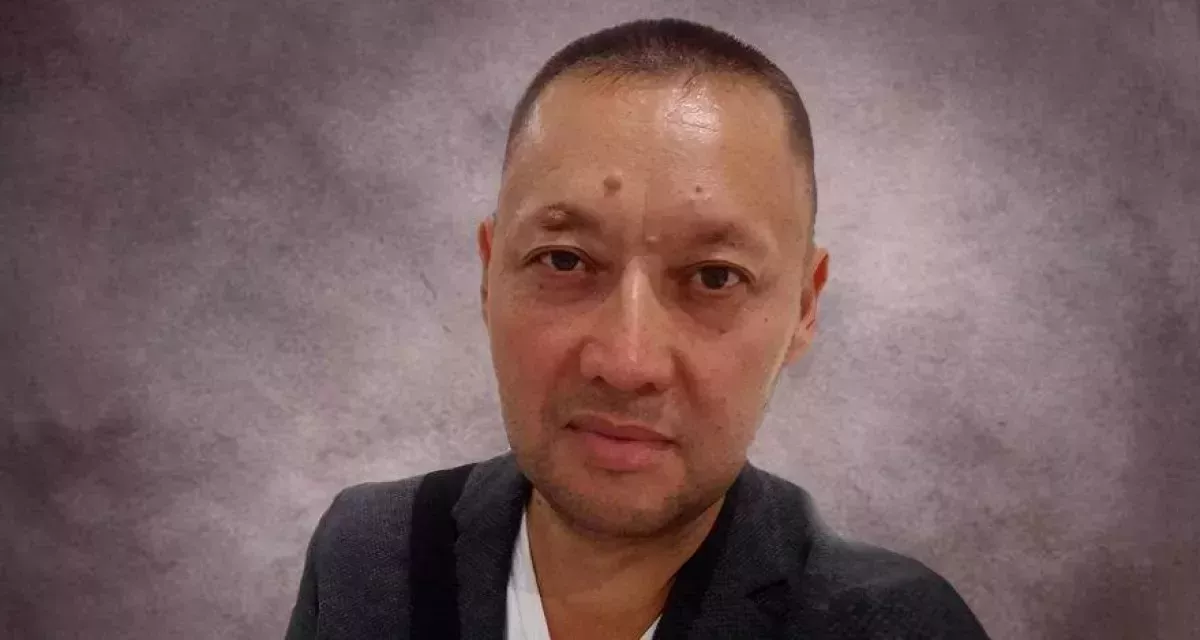
Meanwhile, Kazakh political analyst and international law expert Ruslan Tusupbekov noted that Pashinyan’s willingness to conclude a peace agreement with Azerbaijan and Armenia’s activity in TRIPP certainly give rise to some optimism. However, the prime minister’s statements in Berlin regarding amendments to the Armenian constitution are, according to Tussupbekov, a position with a hidden agenda.
“When it comes to amending the Armenian constitution, particularly the part referring to the 1990 Declaration of Independence, it is worth remembering that its very first point mentions the NKAO — the Nagorno-Karabakh Autonomous Oblast, as per the Soviet terminology — and claims that it belongs to Armenia rather than Azerbaijan. Therefore, to avoid any problems, there should be no reference to the declaration at all, since it is obvious that Armenia’s Declaration of Independence is a historical document, and it is impossible to retroactively change it,” he said.
According to the expert, Pashinyan’s remarks that international legal norms take precedence over the country’s constitution and domestic laws also appear to be a trick.
“This can be seen as a cunning tactic, a kind of time bomb designed to go off in the future, so it should not be trusted. For example, relying on Pashinyan’s claim that a peace treaty with Azerbaijan would, by its status, override the Armenian constitution is also risky. There is only one solution here — to insist on amending the constitution, specifically by removing any reference to the Declaration of Independence,” Tusupbekov concluded.







 editor@caliber.az
 +994 55 444-88-98
 Азербайджан, Баку, ул. Низами, 203, Af Business House, 5-й этаж