










“Pashinyan’s gratitude to Aliyev — a positive signal for the region” Expert opinions on Caliber.Az
As reported earlier, Prime Minister Nikol Pashinyan, at a meeting of the Supreme Eurasian Economic Council in Saint Petersburg, expressed gratitude to President Ilham Aliyev for the decision to unblock cargo transit to Armenia through Azerbaijani territory and for creating conditions for the start of bilateral trade.
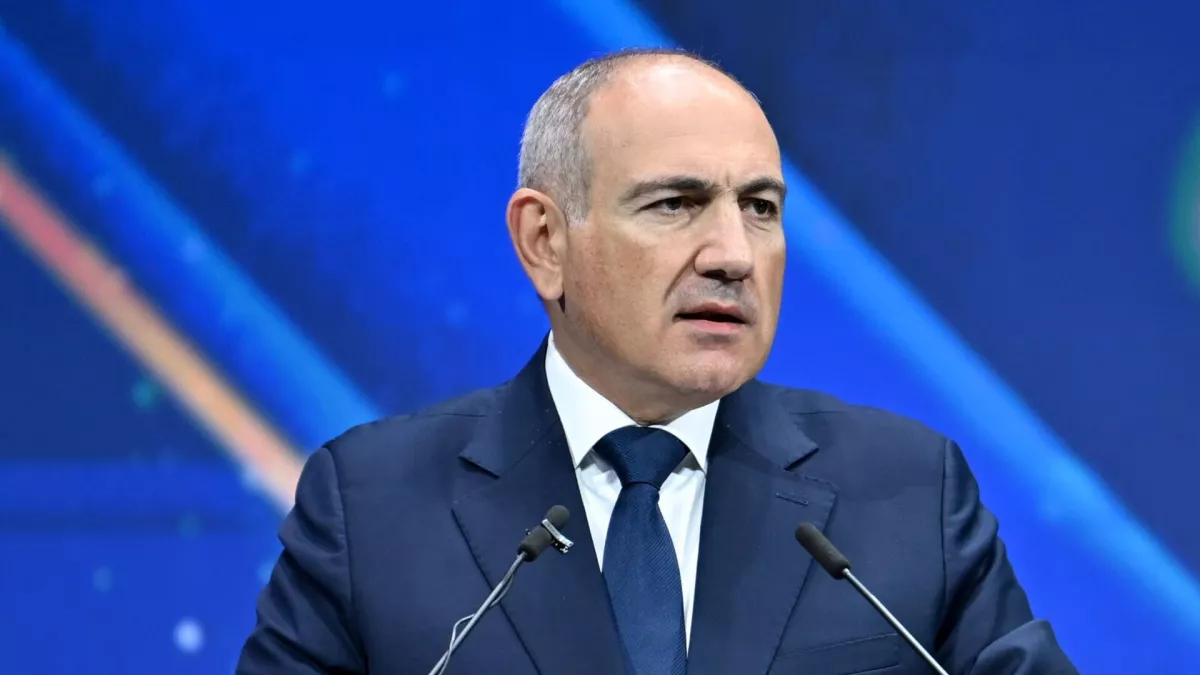
Apparently, the Armenian leader’s openly expressed gratitude to the Azerbaijani head of state on such a platform caused a stir among Armenia’s opposition and revanchist circles. As a result, Pashinyan recently explained his action following a government session. In particular, he noted that he considers his response perfectly logical, stating:
"I have noticed that there is a tendency to overcomplicate the perception of what is happening. For example, why is this microphone blue and that one red, why not yellow or black — and based on such things, geopolitical conclusions are drawn."
He added that when an event directly involving Armenia occurs, the country must express its position on it. And if it is positive, it should be stated openly. The prime minister recalled a number of specific steps recently taken by Azerbaijan, such as lifting restrictions on grain transit first for Kazakhstan and then for Russia.
"Moreover, Azerbaijan has expressed its readiness to sell petroleum products. A wagon carrying petroleum products has arrived, and the goods are now available on the market," he said, emphasising that he considers it appropriate to publicly express his position on such events and does so deliberately across different platforms to ensure Armenia’s stance is clearly recorded.
But what do analysts and experts in the post-Soviet space think about Pashinyan’s statement? Caliber.Az turned to political scientists and experts from Kazakhstan and Georgia to get their opinions on the matter.
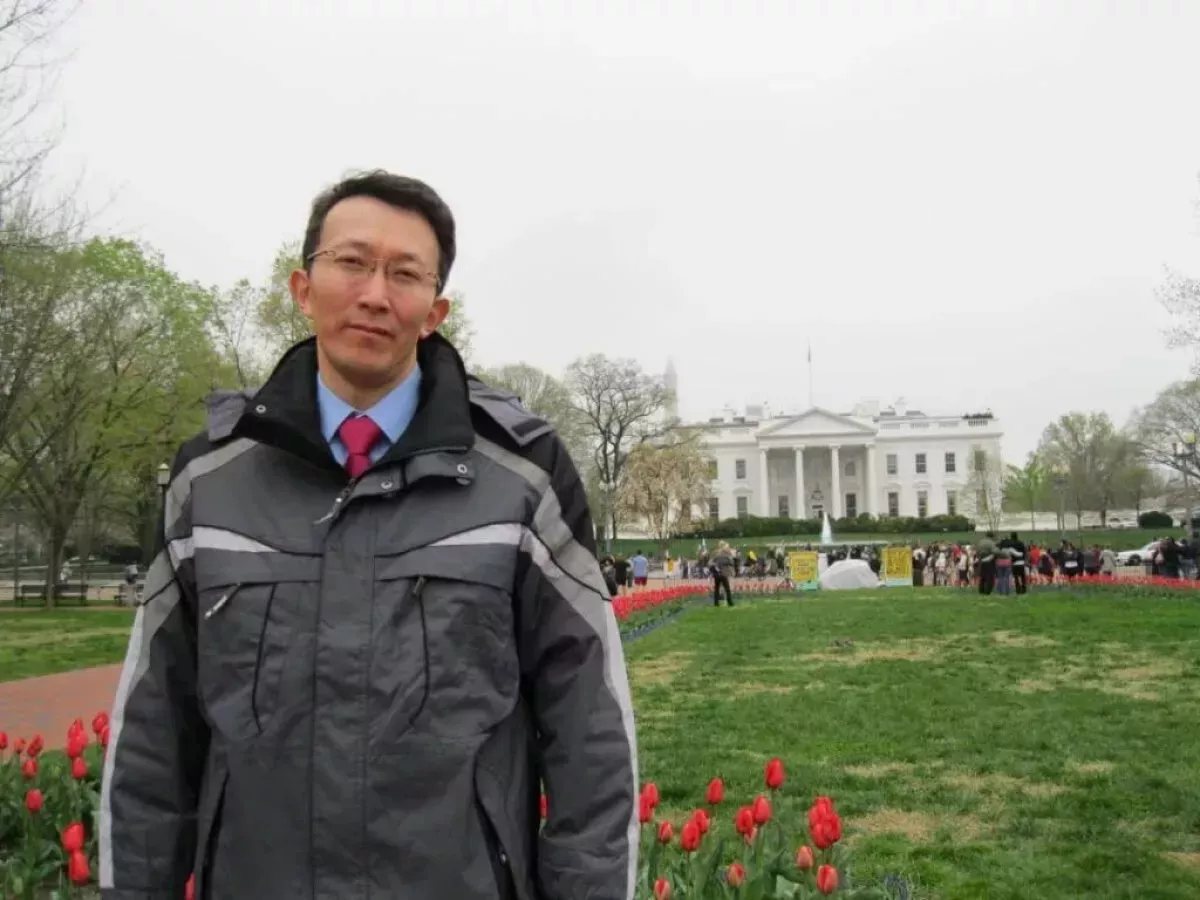
Kazakh political analyst and head of the A+Analytics research centre, Farhad Kasenov, believes that the gratitude expressed by Armenian Prime Minister Nikol Pashinyan to Azerbaijani President Ilham Aliyev, as well as the explanation of his position to the domestic audience, is an important and positive signal for the entire region.
"This is indeed a very positive trend. We can see that the so-called ‘peace party’ in Armenia appears to be gaining increasing support. However, there remains another force — previously called the ‘war party’, but now, I think it is more accurate to call it the ‘conflict party’. This is the party that seeks to maintain tense relations with neighbours, and it still has supporters of revanchism and escalation. These forces will seize on any, even contrived, pretext to discredit Pashinyan’s actions and portray him as abandoning the values of a sovereign Armenia," he said.
According to him, despite resistance from radical circles, a pragmatic approach should ultimately prevail in Armenian society.
"I believe that, in the end, common sense should prevail. The actions Pashinyan is taking at the moment are based purely on rational choice. The war is already over, and now it is necessary to build peace, for which there is no alternative in the South Caucasus. Today, the only real opportunity for Armenia to benefit and develop is peaceful coexistence with its neighbours. Any other option leads inevitably to economic collapse and social degradation. And, it seems to me, it will ultimately be ordinary Armenian citizens who make this choice. You can announce boycotts all you want, but it is much simpler to fill up with high-quality Azerbaijani petrol at lower prices," the political analyst said.
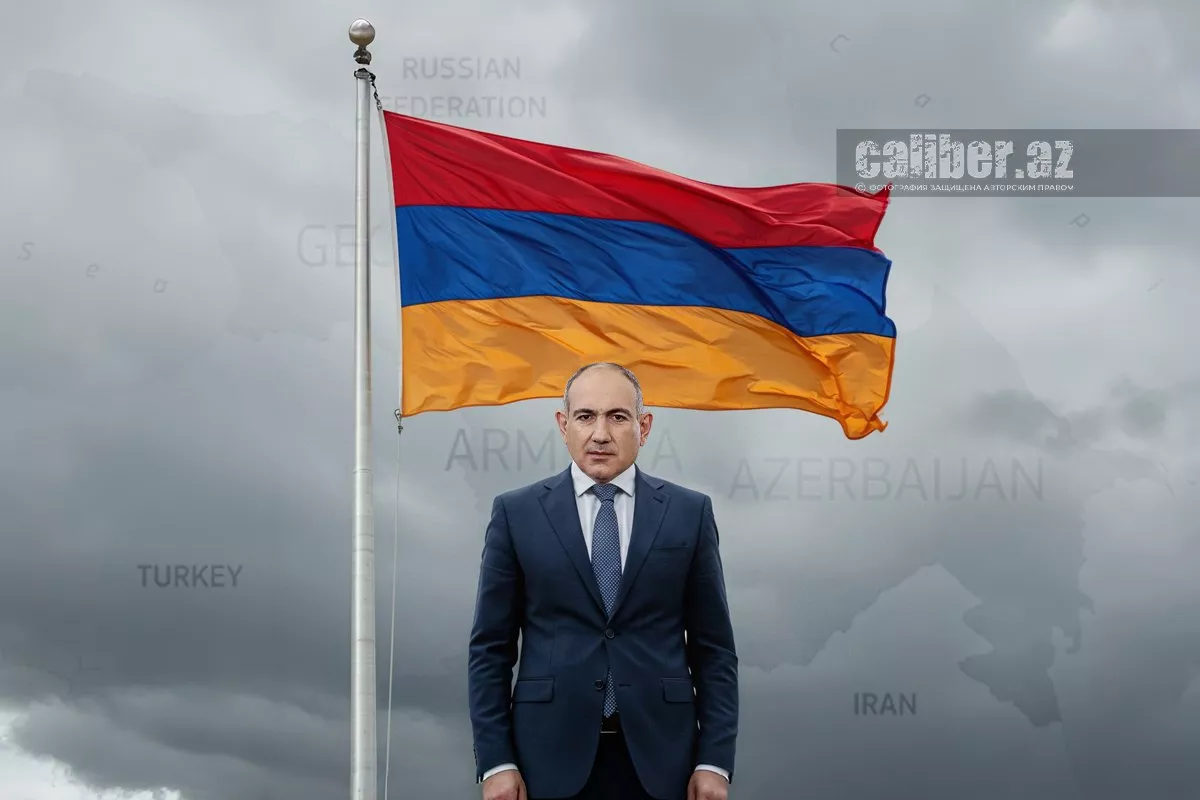
The expert also touched on the question of a domestic political alternative to the current prime minister:
"Pashinyan is heavily criticised today, but in reality, no one was able to replace him when the opportunity arose during elections. No one wanted to take responsibility for running the country in such a difficult situation and could not earn the trust of the people. He remained — not fake leaders — and now he has a real, far from negligible chance to enter history not as the person who lost the war, as hostile forces try to portray, but as the leader who brought Armenia to a peaceful, prosperous, and comfortable existence."
According to Kasenov, this will inevitably affect public sentiment within Armenia:
"I believe that attitudes toward Nikol Pashinyan in Armenian society will gradually shift from negative to positive. Moreover, if you look from the outside — for example, from Kazakhstan — the prime minister’s recent steps aimed at peaceful development, as well as the actions of Azerbaijani President Ilham Aliyev, have been met with great enthusiasm. Everyone truly supports peace in the South Caucasus."
He also emphasised that a positive image of the Armenian prime minister is beginning to take shape beyond Armenia’s borders.
"We have seen footage where Pashinyan shows ordinary human emotions, listens to music, behaves like a normal person. This has resonated very well with external audiences, outside the country, including in Kazakhstan and other Central Asian countries. And now Armenians will increasingly come to realise that Pashinyan’s pursuit of peace is not despised, but rather respected. This is a very important point. Those who viewed him negatively will gradually adjust their opinions toward a more positive assessment of his actions as a politician striving for peace," said Farhad Kasenov.

Meanwhile, Georgian analyst and Candidate of Political Sciences, Teimuraz Garishvili, is convinced that Pashinyan’s statement, explaining his position regarding Azerbaijan, confirms at least one fact — the positions of Yerevan and Baku are being brought closer together through bridges of communication, as analysts have repeatedly noted.
"Objective reality proves the following: as soon as economic ties emerge between states, and important goods begin to arrive in neighbouring countries, ordinary citizens realise that their lives will improve in some way thanks to supplies from a neighbouring country. The long-standing propaganda-fuelled veil of evil and hatred begins to melt before their eyes. What difference does it make to me how bad my neighbour is if, for example, I can buy Azerbaijani petrol at a slightly lower price or a can of Azerbaijani tomatoes and be extremely satisfied with their quality?
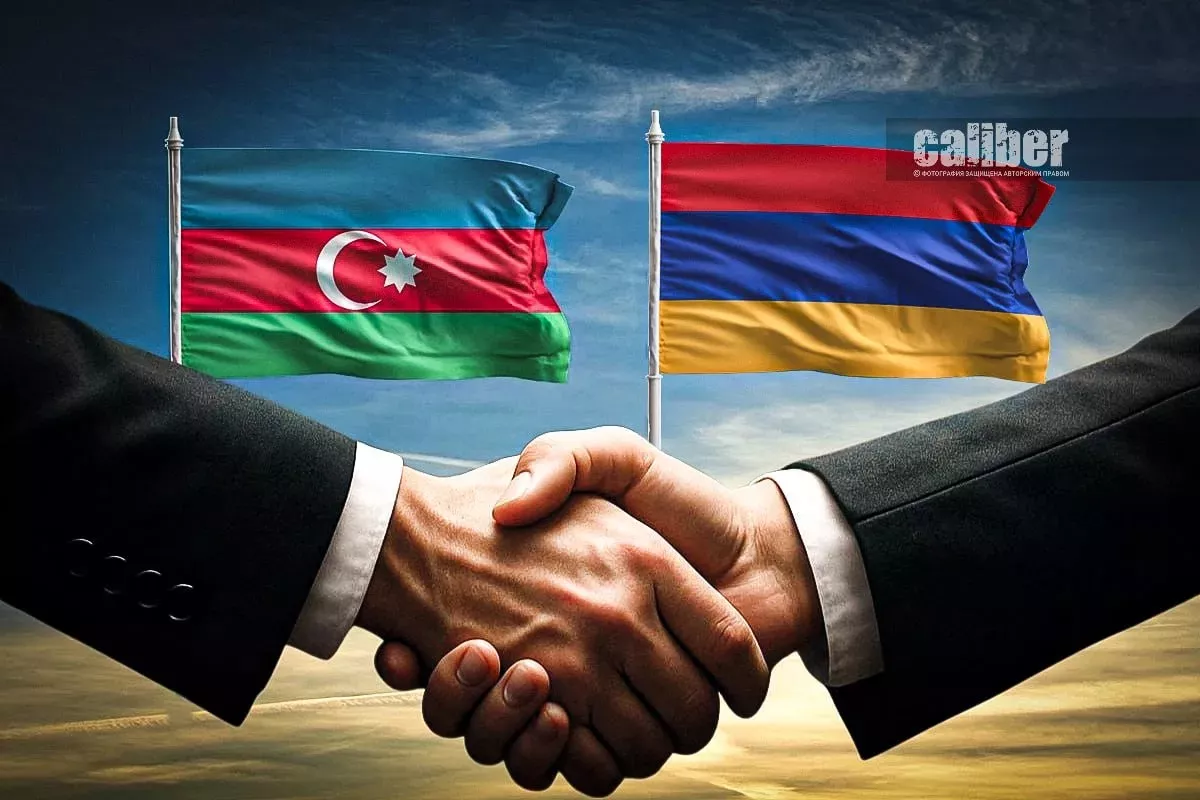
Pashinyan made this statement so confidently, not by accident — he fully understands that soon a flow of Azerbaijani products of various kinds will appear in Armenia, and the country’s population will appreciate these benefits. He is well aware of what is happening today — thanks to his initiative and Azerbaijan’s goodwill, Armenia is emerging from years of isolation that have exhausted all Armenian citizens, causing many to leave the republic due to unemployment and limited resources across various sectors. The Armenian market has long been stifled by the isolation imposed by previous leaders, and Pashinyan knows why he is thanking President Aliyev: it is a sign of his imminent rise in popularity, even among opposition supporters, a new stage in Armenia’s development, and for this step he will receive gratitude from many segments of Armenian society," — summarised Garishvili.







 editor@caliber.az
 +994 55 444-88-98
 Азербайджан, Баку, ул. Низами, 203, Af Business House, 5-й этаж