










Red Sea: between calm and chaos Can stability survive amid competing powers?
The Red Sea has long been one of the world’s key trade routes, and many countries have sought to extend their influence over it. Today, a number of states—including several regional powers—are aiming to establish a foothold along its shores, either to gain economic benefits from controlling maritime routes or to counter their rivals.
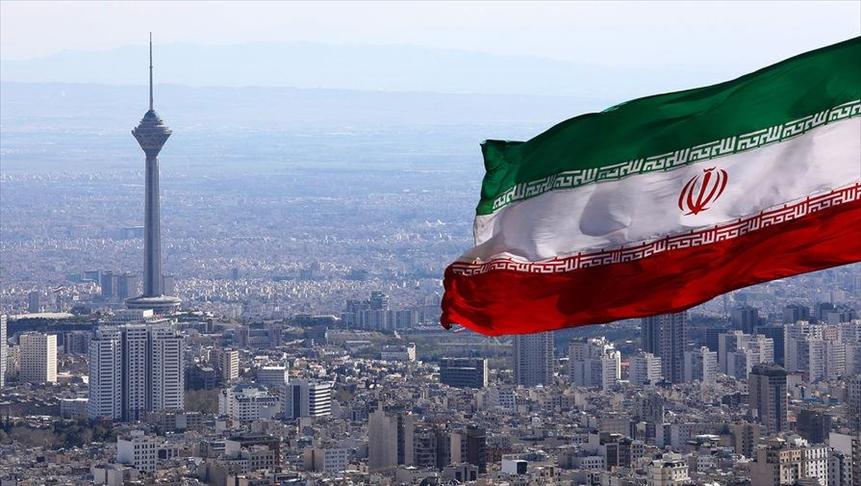
The strategic importance of this region was first recognised by Iran and Türkiye. More than ten years ago, Tehran, with the support of its allies—the Yemeni Houthis—secured a presence there and demonstrated that it could, if necessary, strike Israeli and American vessels.
The next power to establish its own foothold on the Red Sea was Türkiye, which in 2011 intervened in Somalia during the famine that had struck the country. The Turks restored Mogadishu’s airport and port, and in 2017 opened a military base there, TURKSOM.
The United Arab Emirates (UAE) is also a strong player in the region. They support the efforts of the Southern Transitional Council (STC) in Yemen to establish an independent state, giving them significant influence in the Gulf of Aden and at the entrance to the Red Sea, as well as the ability to assist their allies in Sudan.
At the same time, the UAE’s growing influence has raised concerns in Saudi Arabia. Riyadh warned the STC, which had seized the Hadhramaut and Al-Mahrah provinces, to withdraw its forces. The Saudis did not stop at warnings and conducted strikes against the STC forces.
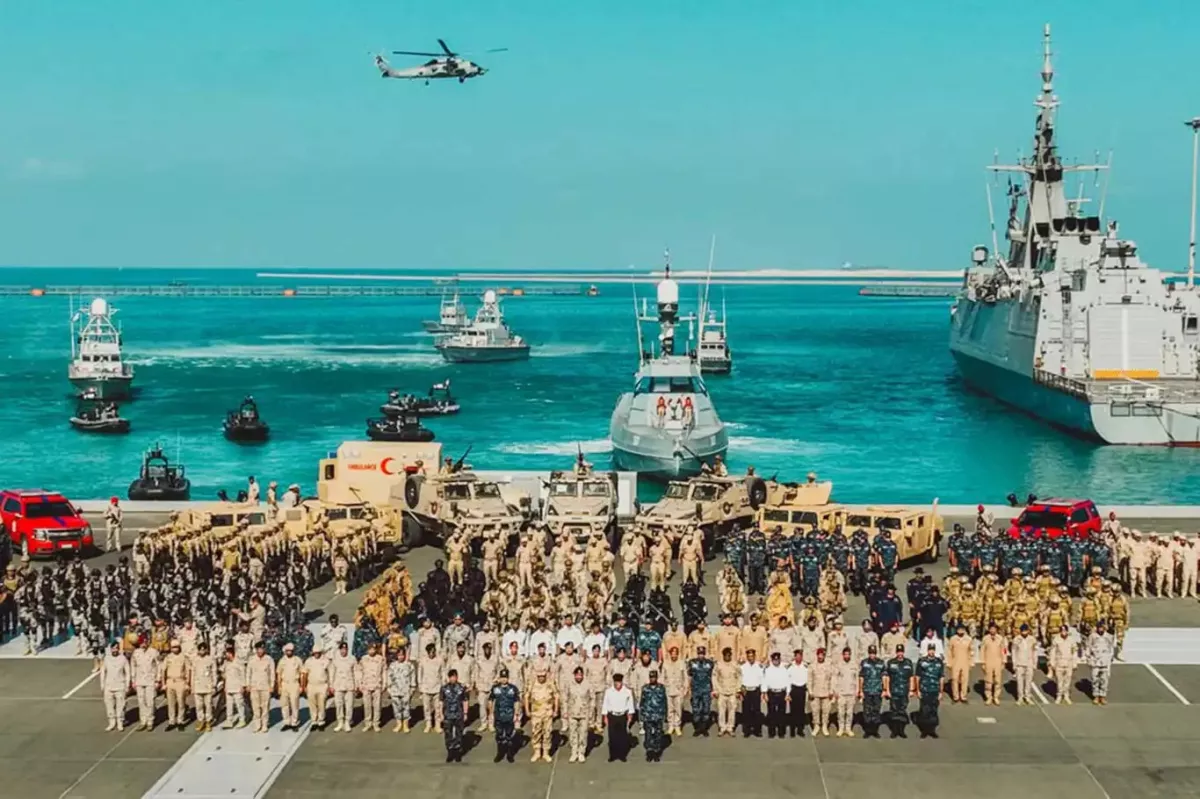
Meanwhile, in mid-November 2025, the Red Wave 8 naval exercises were held in Jeddah with the participation of the naval forces of Egypt, Saudi Arabia, Jordan, Sudan, Yemen, and Djibouti, aimed at countering maritime threats. These exercises continued a series that began in 2019 following the creation of a regional alliance initiated by Riyadh, which included Saudi Arabia, Egypt, Djibouti, Somalia, Sudan, Yemen, and Jordan—countries with access to the Red Sea.
On the other hand, in August 2024, Egypt signed a defence pact to strengthen security cooperation with Somalia and increased the number of Egyptian troops within the African Union peacekeeping forces in the country. The country of the pyramids is concerned about regional security, which affects shipping through the Suez Canal, where 50–60 vessels pass daily—about 20,000 ships per year—handling roughly 30 per cent of the world’s container traffic. Over the two years of the Gaza conflict, this vital waterway lost 50 per cent of its revenue due to overall tensions and attacks in the Red Sea.
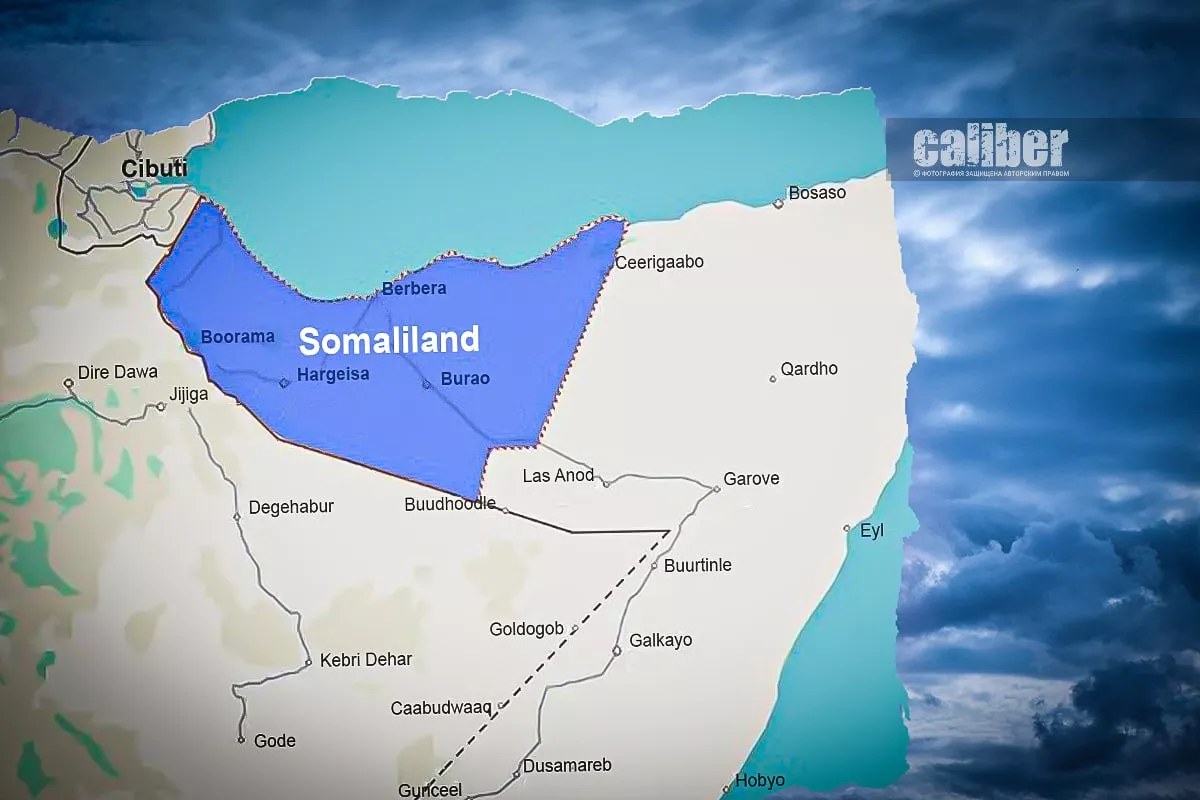
Finally, Israel has entered the “Great Game” for the Red Sea. At the end of 2025, the country recognised the “independence” of the small territory of Somaliland, which, despite its size, holds strategic importance due to its ability to control access to the southern Red Sea. This provides Israel with a platform for operations against the Houthis, who, during the recent Gaza conflict, attacked Israeli and American vessels and paralysed the Israeli port of Eilat.
Another significant country, Ethiopia, signed a memorandum of cooperation with Somaliland. This rising power seeks access to the Red Sea, raising concerns about a potential new Ethiopia–Eritrea conflict. Addis Ababa’s claims on the Eritrean port of Assab in 2025 prompted both sides to mobilise forces and support insurgent groups in the border region.
In addition to states, terrorist organisations operate in the region, possessing large stocks of weapons and financial resources. Smuggling routes through the Red Sea are used by Al-Qaeda in the Arabian Peninsula, Al-Shabaab, and the Islamic State in Somalia. Somali armed groups provide assistance in smuggling and maritime intelligence in exchange for weapons and technology.
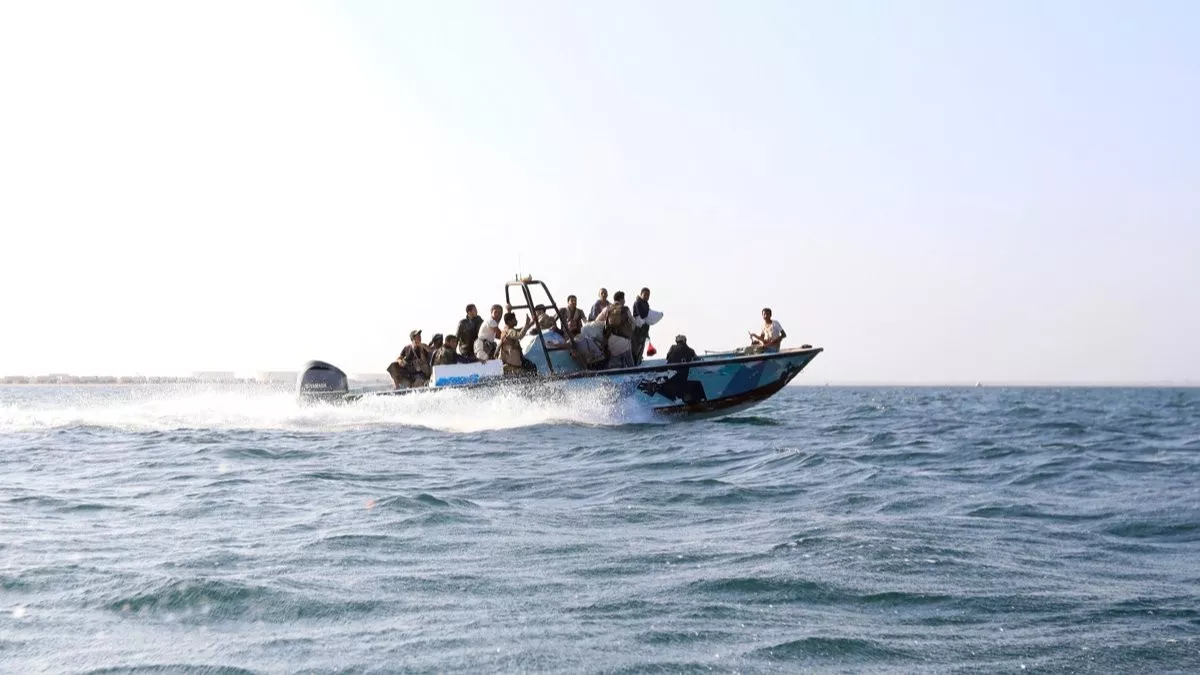
The surge in smuggling in the Red Sea prompted a decisive reaction from the West: in April, the U.S. Africa Command reported carrying out an airstrike on an unmarked vessel transporting weapons in Somali territorial waters. It was also noted that, due to its role at the centre of the transnational smuggling network, the Islamic State in Somalia serves as a financial hub for the broader ISIS organisation.
By the end of 2025, the Red Sea basin had become a scene of “everyone against everyone.” However, experts express hope that 2026 may bring a small window for fragile stability, though this will require broad coordination and goodwill from all involved actors.
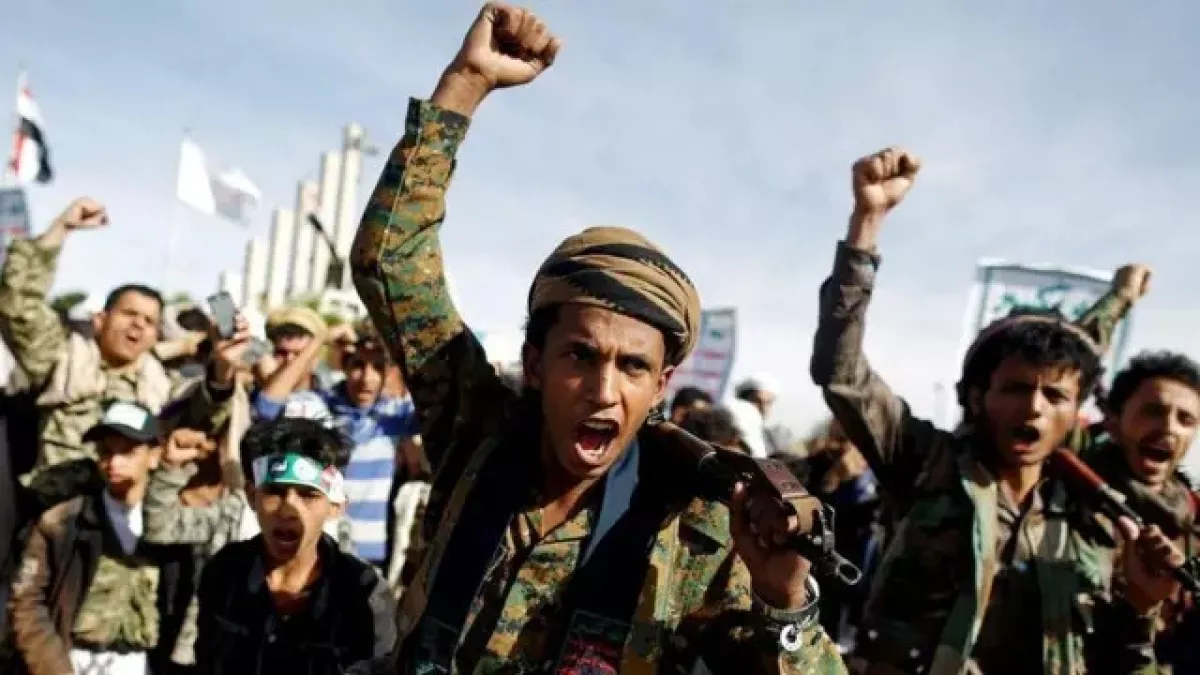
For instance, the ceasefire agreement between Israel and Hamas casts doubt on further Houthi attacks, as the Houthis had presented their operations in the Red Sea as acts of solidarity with Palestine, aimed at pressuring the Jewish state to halt its campaign in Gaza. The Houthis have now paused attacks on Israel but have warned that they will strike if full-scale hostilities resume.
Meanwhile, the Ethiopian government has withdrawn its troops from positions where they could come into direct contact with Eritrean forces, and Eritrea cannot risk involvement in a confrontation that would provoke an even stronger international reaction on top of existing sanctions against the country.
Saudi Arabia, increasingly seeking to position itself as a regional mediator, could take advantage of the current situation to revive discussions on creating a body to coordinate Red Sea security—an idea first proposed in 2020 within the Council of Arab and African Coastal States of the Red Sea and Gulf of Aden. At the same time, Riyadh, together with the United States, the UAE, and Egypt—the so-called “Quartet”—acts as a mediator between the Rapid Support Forces and the Sudanese Armed Forces, aiming to secure a ceasefire and support sustainable peace in Sudan.
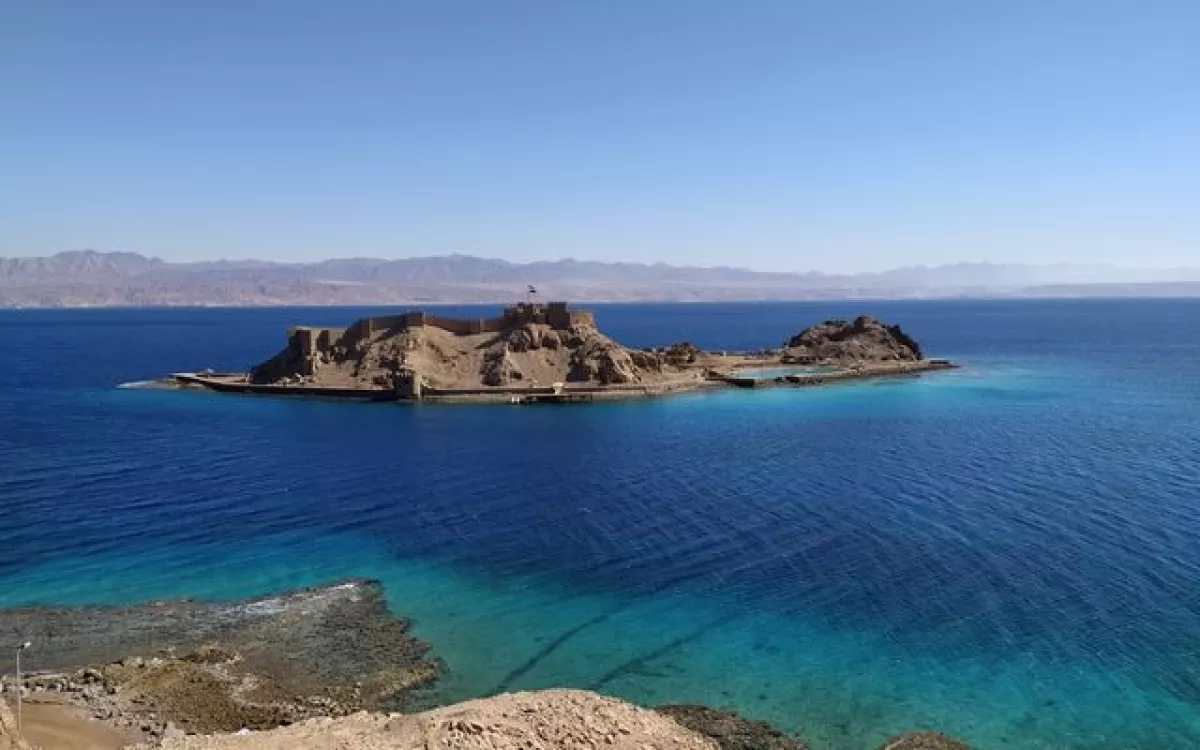
Meanwhile, without real coordination, the Red Sea region will remain highly vulnerable to prolonged confrontations and sudden escalations, threatening global trade. Countries of the Persian Gulf, governments in the Horn of Africa, and global powers pursue their own objectives, often leveraging armed local groups with their own agendas. The current pause in hostilities opens a narrow window of opportunity for stabilisation, and how the key players act during this period will determine whether the Red Sea moves toward long-term de-escalation or sinks back into turbulence.







 editor@caliber.az
 +994 55 444-88-98
 Азербайджан, Баку, ул. Низами, 203, Af Business House, 5-й этаж